A five-year study of 730 older adults in the Tsimané and Mosetén communities of the Bolivian Amazon found fewer than 2% had dementia at follow-up and only 22 developed dementia during the study. Age and the APOE ε4 allele were the main biological risk factors, but many cases showed vascular or parkinsonian features rather than classic Alzheimer’s. Researchers suggest a physically active, high-fiber subsistence lifestyle may offer protection, though high pathogen exposure and shorter survival after diagnosis complicate interpretations. Further work will probe genetics, lifestyle and immune exposures to identify mechanisms that might inform dementia prevention elsewhere.
Two Remote Bolivian Amazon Communities Report Remarkably Low Dementia Rates — New Five-Year Study
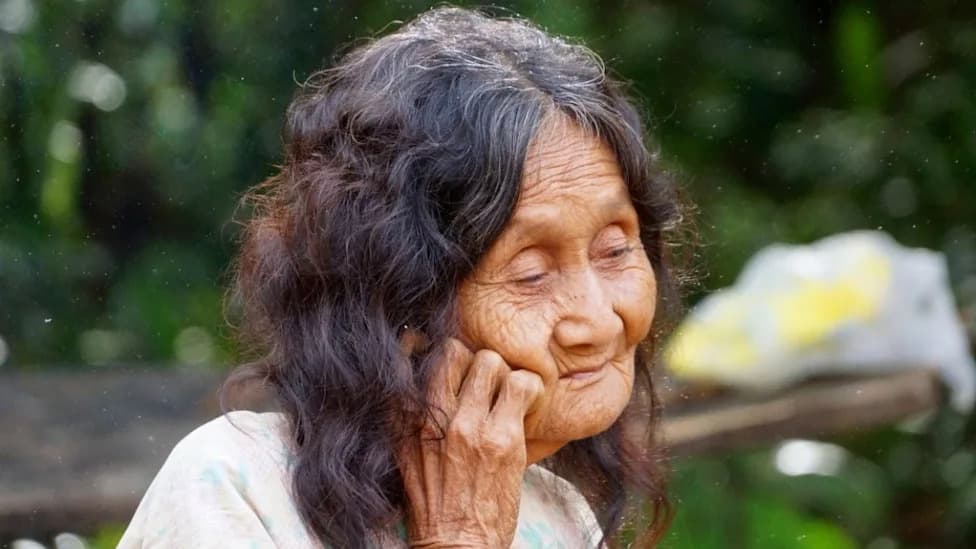
(Sam Wann/ASU)
Two isolated Indigenous groups in the Bolivian Amazon — the Tsimané and the Mosetén — show unusually low dementia prevalence compared with high-income countries, according to a new five-year longitudinal study. Researchers say features of a subsistence lifestyle may protect brain health, but the exact causes remain unclear.
Study Design and Key Findings
The team followed 730 adults from Tsimané and Mosetén communities who were dementia-free at baseline. After five years, only 22 participants developed dementia and fewer than 2% of the original cohort were living with dementia at follow-up, a rate the authors call "strikingly low." By comparison, dementia prevalence reported in the United States and many European countries is roughly three to four times higher.
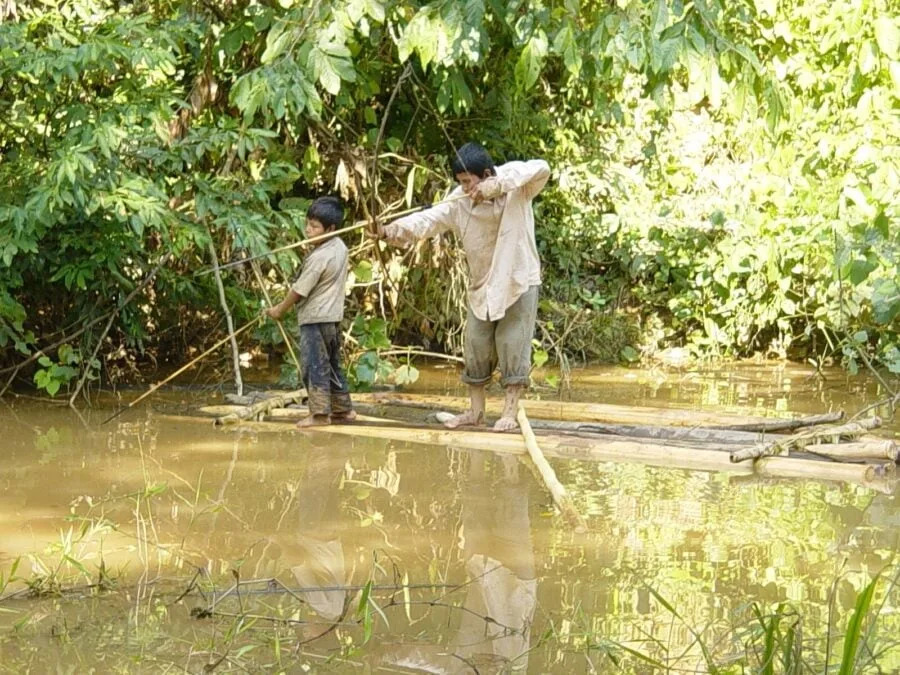
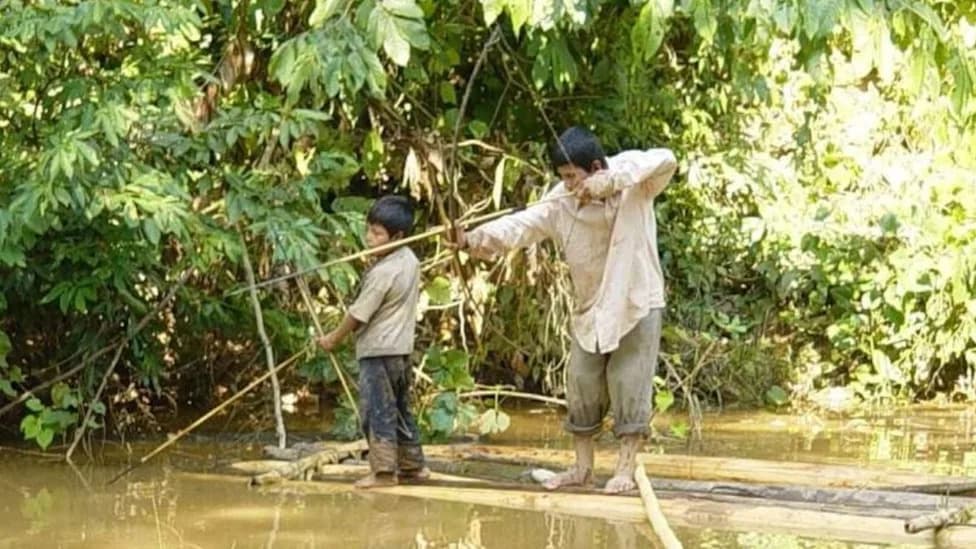
Tsimané people of lowland Bolivia have less food availability and must expend more effort to get it. (Michael Gurven/UC Santa Barbara)
Risk Factors and Survival
Older age and carrying the apolipoprotein E (APOE) ε4 allele were the strongest predictors of new dementia cases in these populations — the same biological risk factors commonly observed in industrialized nations. However, people diagnosed with dementia in these communities faced much higher mortality: dementia was associated with a more-than-sixfold increase in death risk, and average survival after diagnosis was two to three times shorter than reported in the US. Shorter survival helps explain part of the low prevalence but does not fully account for it.
Type of Dementia Observed
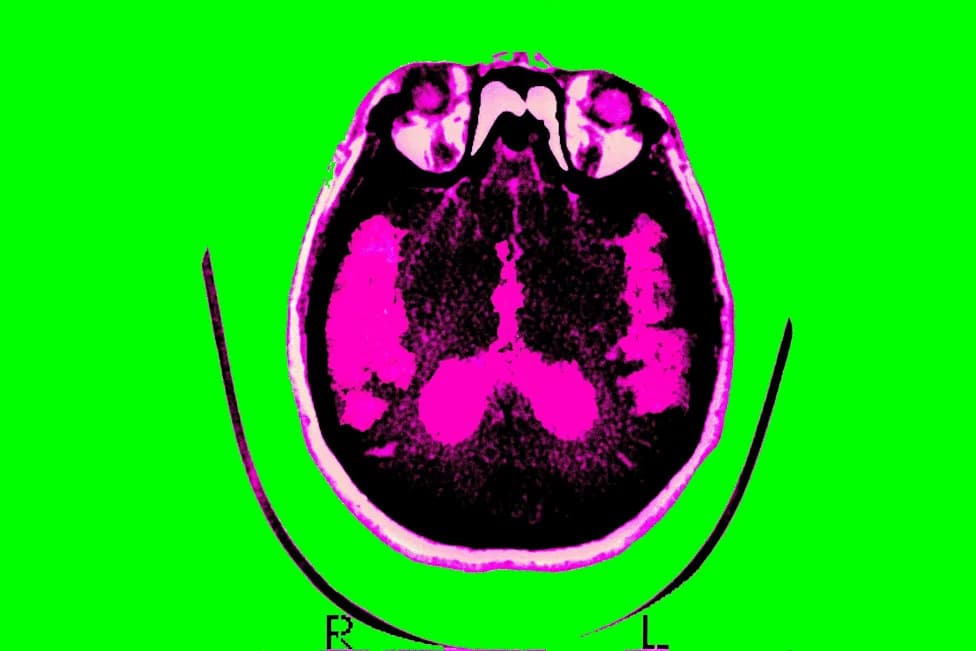
Clinicians noted that many dementia cases did not show the classical Alzheimer’s pattern. Instead, a substantial share displayed parkinsonian signs and features consistent with vascular disease or prior strokes. Preliminary blood biomarker analyses indicated neurodegeneration and neuroinflammation among affected participants, findings the authors suggest could reflect vascular brain injury; these biomarker results are provisional and require further follow-up.
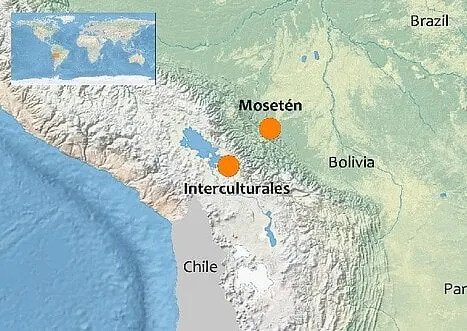
Location of the Mosetén population in Bolivia. (Max Planck Institute)
Possible Protective and Risk Factors
The researchers hypothesize that aspects of a subsistence lifestyle may be protective: high physical activity, diets high in fiber and low in sugar and saturated fat, and lower prevalence of metabolic risk factors such as obesity, hypertension, and diabetes. Yet earlier work in these groups has not consistently linked better metabolic health with reduced dementia risk, suggesting additional factors are involved.
Complicating the picture, Tsimané and Mosetén communities experience high exposure to pathogens, limited antibiotic access and minimal vaccination coverage—conditions that could increase rather than decrease dementia risk. The mix of protective lifestyle factors and adverse immune exposures makes causal interpretation challenging.
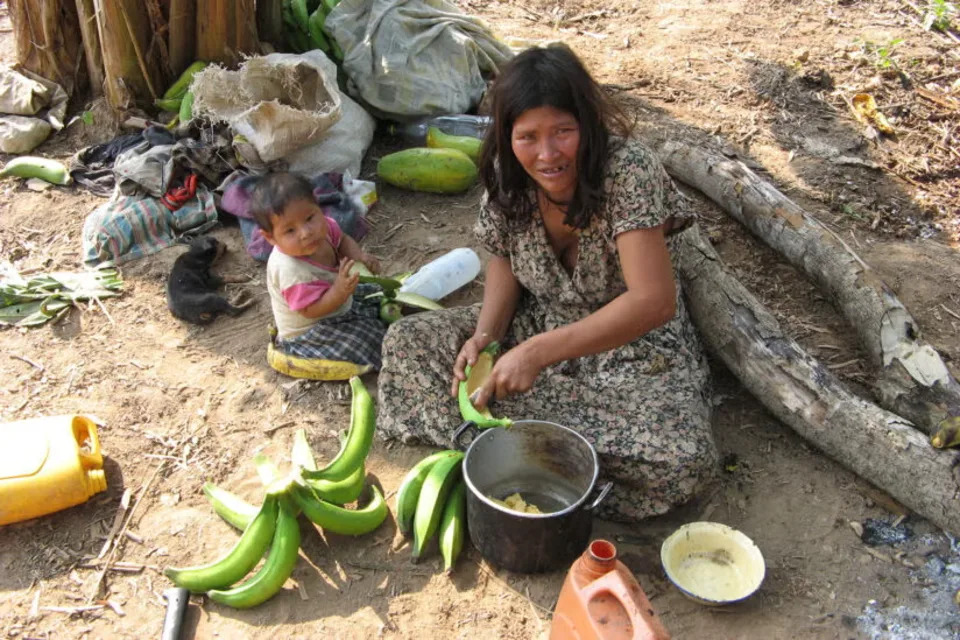
The Tsimané live much as they have for generations, offering researchers insights about the health benefits of a hunter-forager-farmer lifestyle. (Courtesy of Tsimané Health and Life History Project Team)
Implications and Next Steps
The authors plan further research to disentangle the relative contributions of genetics, lifestyle, diet, social engagement, physical activity and immune exposure to dementia risk in these populations. Understanding the mechanisms behind low dementia prevalence in the Bolivian Amazon could inform new prevention strategies in other settings.
Publication: The study appears in the journal Alzheimer's & Dementia.
'If we can identify the factors protecting people in the Bolivian Amazon and understand the biological mechanisms behind them, we may be able to turn those insights into new ways of preventing dementia here at home,' says Ben Trumble, evolutionary anthropologist and human biologist.
Help us improve.