The national 988 hotline has been an important step—taking over 23 million contacts since July 2022—but a complete crisis system needs three parts: someone to call, teams that respond, and safe places to go. The U.S. faces major gaps: 137 million Americans live in mental health professional shortage areas and many rural counties have no psychiatrist. Crisis walk-in centers—open 24/7 with a "no wrong door" policy—are proven to reduce emergency stays and inpatient admissions and cost less than hospital care. Families should learn warning signs, ask directly about suicide, call 988 together if needed, and use brief safety plans with follow-up.
988 Was Only the Beginning — We Need Safe, 24/7 Crisis Walk-In Centers
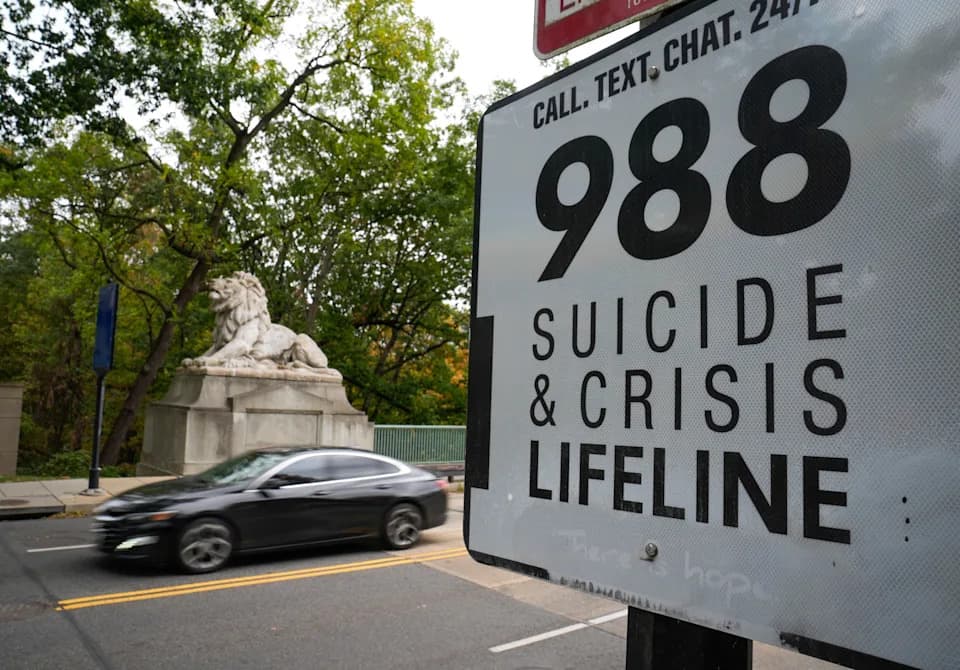
Suicide prevention measures are seen on a bridge in Washington, DC, on Oct. 14, 2025.
Trigger warning: This column discusses suicide. If you or someone you know may be struggling with suicidal thoughts, you can call 988 any time, day or night, or chat online. Crisis Text Line also provides free, 24/7 confidential support via text at 741741.
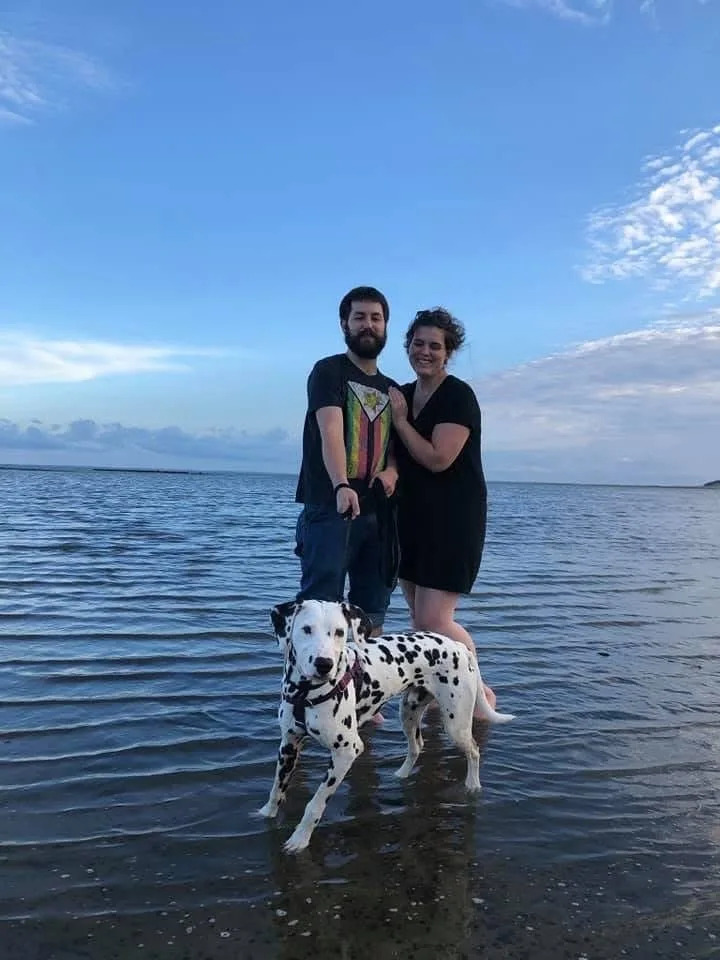
Peter Tripp and Chelsea Van Thof often joked that their dog had so many health issues that only two veterinarians could have adopted him.(Chelsea Van Thof)
In eastern Democratic Republic of Congo, I worked in a province of more than 6 million people served by a single public psychiatric hospital. More than 16% of that population had attempted suicide. When I share that experience with American audiences, it is often met with sympathy—and distance, as if that level of crisis belongs somewhere else.
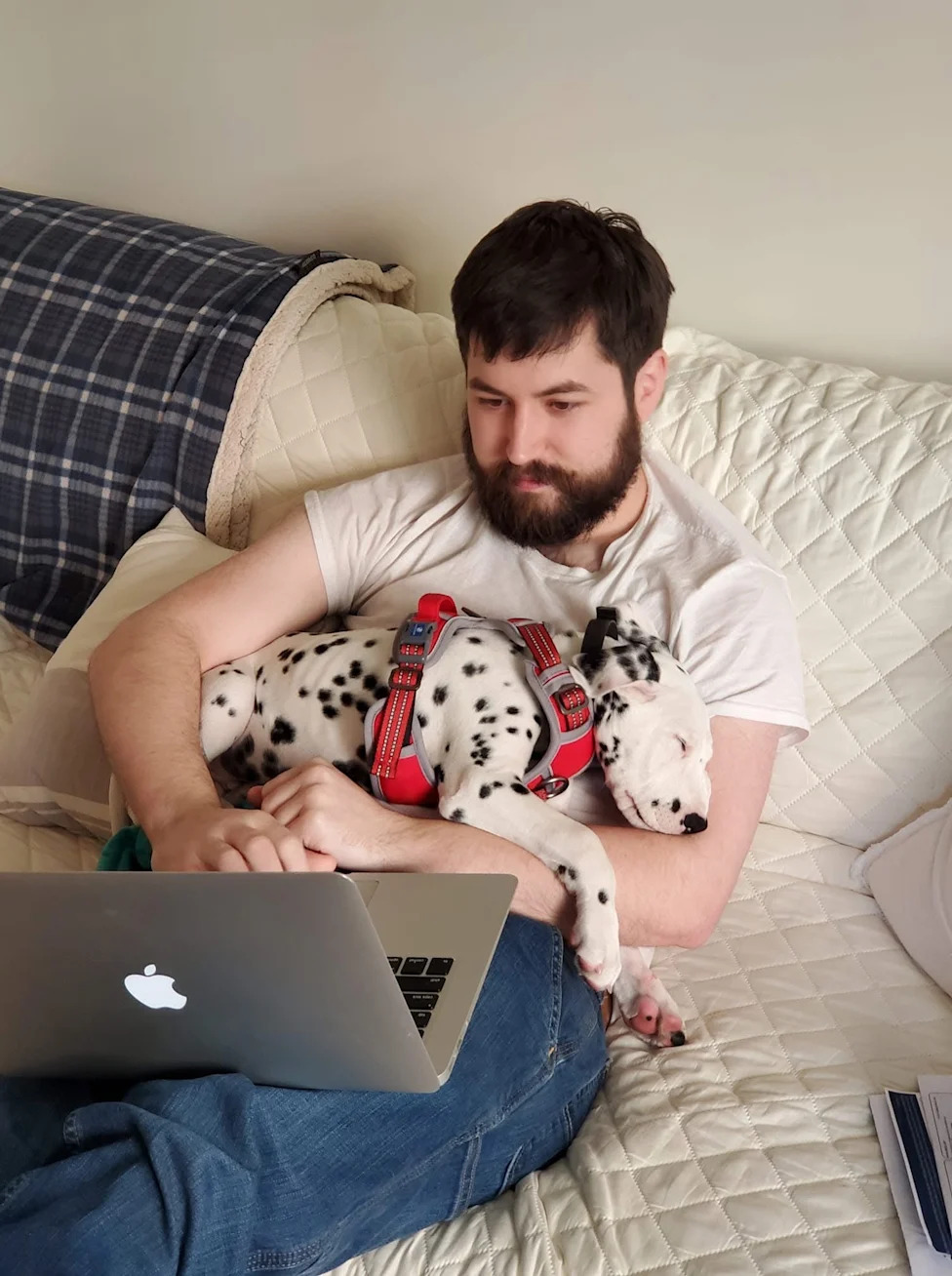
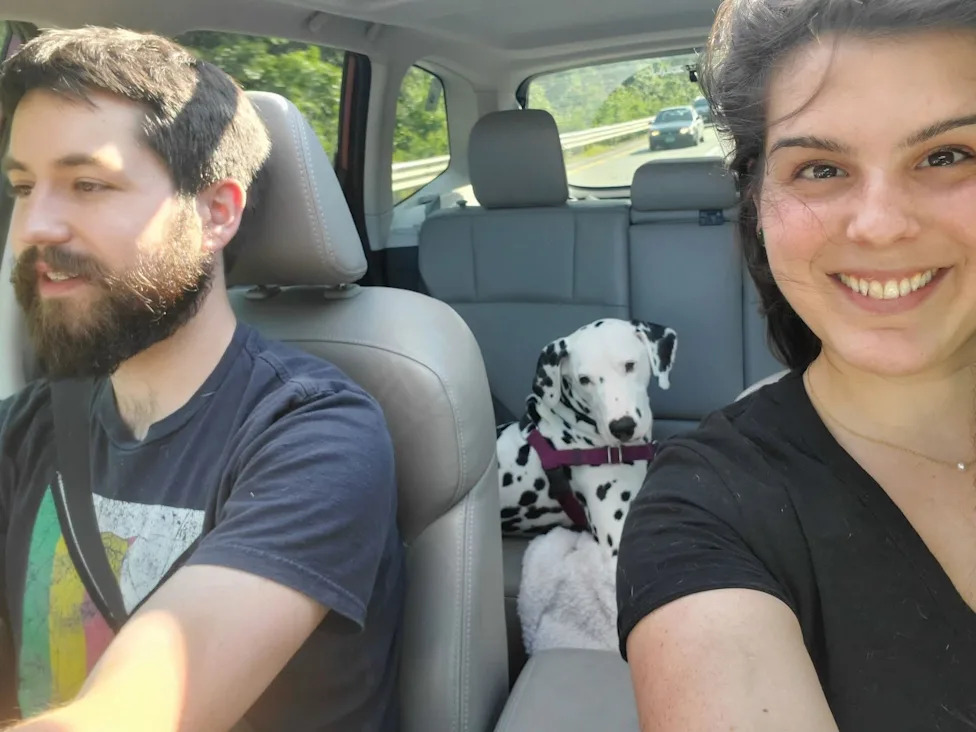
As a veterinarian, Peter Tripp often worked on the weekends to answer questions from pet owners. His Dalmatian Hugo often tried to help.(Chelsea Van Thof)
But the reality in the United States is alarming in its own way. About 137 million Americans live in federally designated mental health professional shortage areas, and nationwide we meet only 27% of the need. As of the last national count in 2019, 70% of rural counties had no psychiatrist at all. We are not lacking clinicians in absolute terms; we have built a system in which many clinicians are not where people in crisis live.
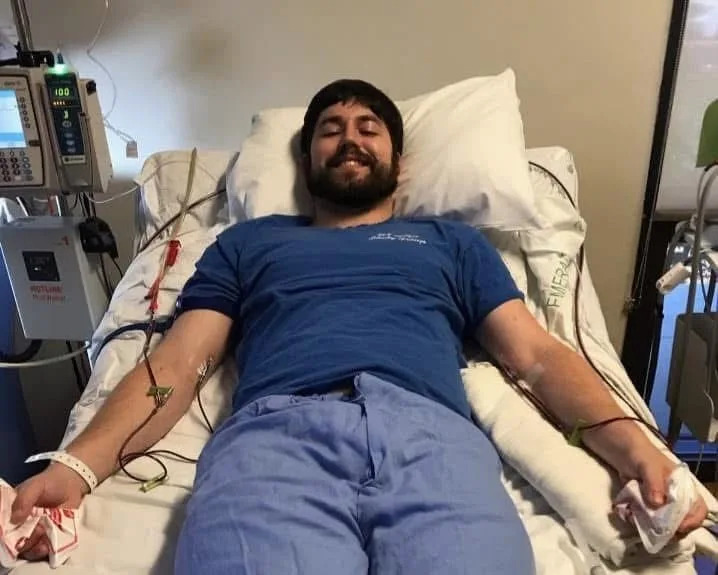
Peter Tripp donated platelets every three weeks. He also was a bone marrow donor.(Chelsea Van Thof)
The national 988 hotline is an important step forward. Since its July 2022 launch, it has taken more than 23 million contacts by call, text, chat and videophone—roughly 8 million of those in 2025 alone. That uptake shows both need and promise.
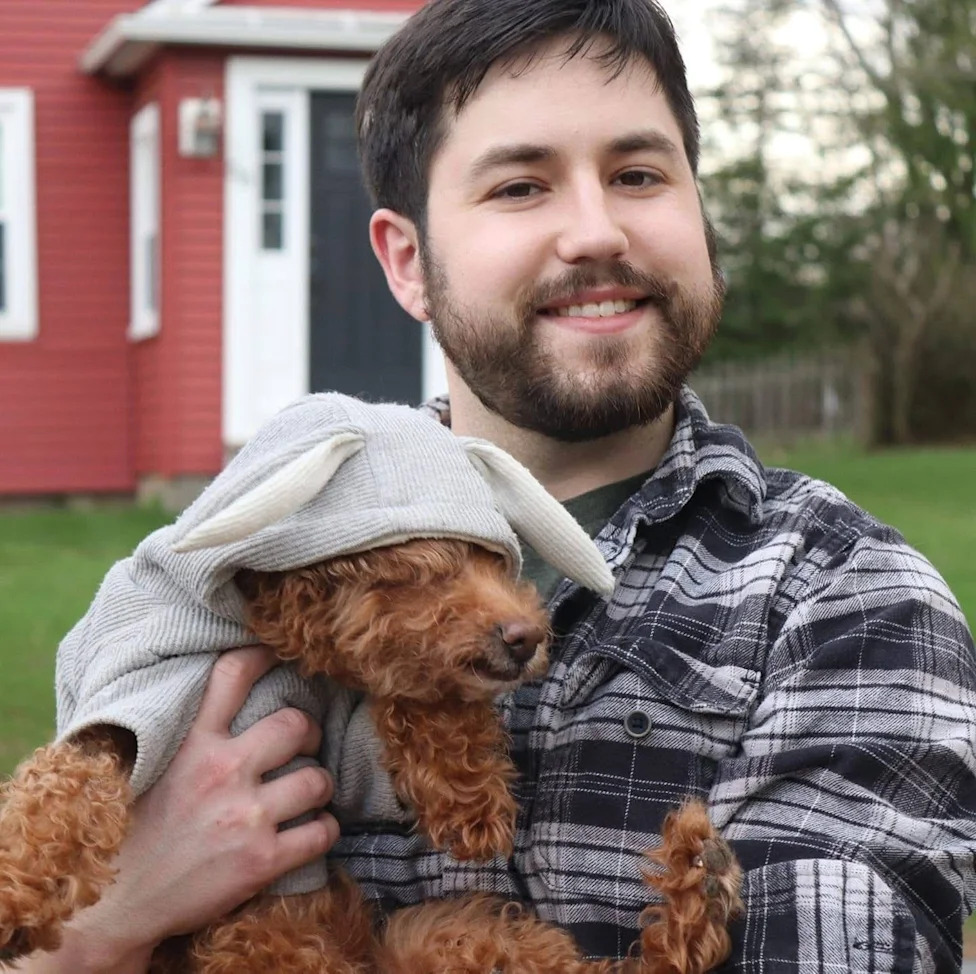
Peter Tripp and his rescue poodle, Annie. Tripp died by suicide in 2022.(Chelsea Van Thof)
A complete crisis response has three parts: someone to call, someone to respond, and somewhere to go.
We have built the first. The second—mobile, clinician-led response teams—exists only in pieces. Congress created a Medicaid funding mechanism for mobile crisis teams in 2021, but most states have not fully deployed it, and more than half of existing teams cannot cover 24/7 service.

Peter Tripp at a late night feeding of the lambs at the Cummings School of Veterinary Medicine at Tufts University.(Chelsea Van Thof)
Why a Place To Go Matters
When there is nowhere appropriate to take a person in crisis, the emergency department becomes the default. Emergency departments are generally ill-suited to behavioral crises: they tend to think in binary terms (admit or discharge) and lack the calming, therapeutic environment someone in crisis needs.
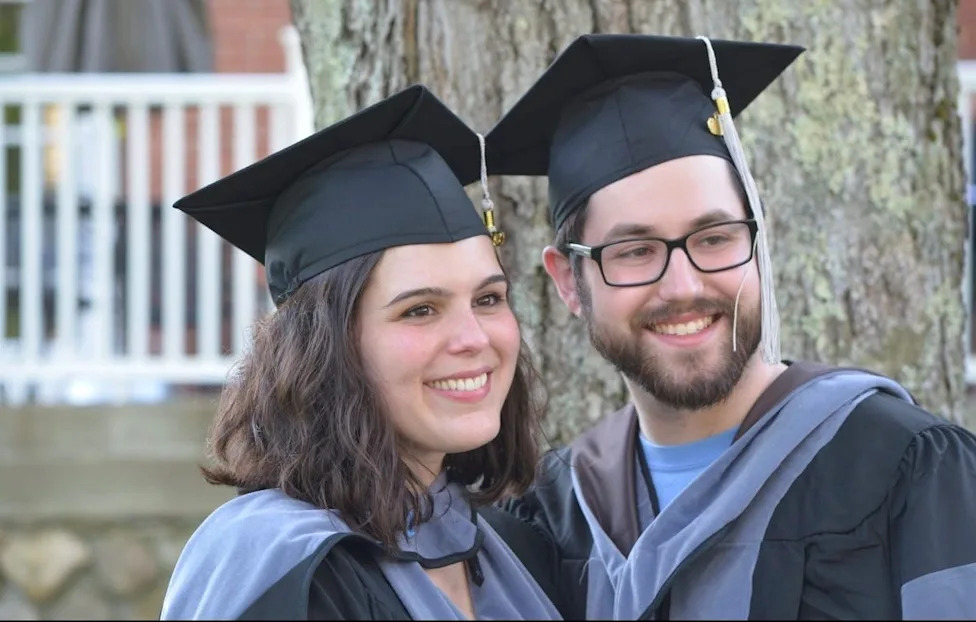
Chelsea Van Thof and Peter Tripp graduated from the Cummings Veterinary School at Tufts University in 2019. Tripp died by suicide in 2022.(Chelsea Van Thof)
That leads to two harmful outcomes. First, more people are admitted than need inpatient care, and when beds are scarce patients "board" in noisy, bright ED spaces or locked observation rooms for hours or days—often without personal belongings. Second, law enforcement can become the de facto responder, and county jails can end up as the largest psychiatric facilities in some regions.
Chelsea Van Thof has advocated for a barrier on the William Howard Taft Bridge in Washington, DC, after her boyfriend Peter Tripp died by suicide there in 2022.(Chelsea Van Thof)
The Solution: Crisis Walk-In Centers
The missing piece in many communities is a behavioral health crisis walk-in center or mental health urgent-care site. The design is straightforward:

Peter Tripp on a hike at the Oregon Coast.(Chelsea Van Thof)
- Open 24/7 with a "no wrong door" policy;
- Accepts walk-ins and drop-offs from police, fire, and EMS;
- No appointment, referral, or insurance required at entry;
- Most people stabilize within a day and discharge with medication, a safety plan, and follow-up, not a hospital bill or criminal charge.
Where these centers exist, evidence shows clear benefits. Hospital-based crisis centers can reduce emergency stays by up to 70% and inpatient admissions by more than 50%. Freestanding centers report similar outcomes, and both models generally cost less than inpatient care—an important consideration for policymakers and budget writers.
How Families Can Help
You cannot always tell when someone is close to suicide, but sometimes there are warning signs. Watch for talk of wanting to die or feeling like a burden, statements of hopelessness framed as fact, withdrawing from others, giving away prized possessions, putting affairs in order, or sudden farewell behavior. Also look for a sharp rise in alcohol or drug use, major changes in sleep, increased agitation, or a sudden calm after prolonged despair. These signs often follow a loss, breakup, job termination, legal trouble, or public humiliation.
Then ask directly—use the word "suicide". Research shows no evidence that asking increases suicidal thoughts; on the contrary, speaking directly can reduce risk. If someone says they are thinking about suicide, do not leave them alone. Listen without arguing, call or text 988 together, and work with clinicians to reduce access to means in the home. A brief written safety plan with follow-up calls was associated with 45% fewer suicidal behaviors over six months compared with usual care. Check in again the next day and the day after.
Call to Action
If the national answer to suicidal crisis is going to be treatment rather than waiting, we need to scale up mental health urgent-care and behavioral health walk-in centers across the country, fund mobile crisis teams so they can operate 24/7, and invest in public awareness so people know to call 988 when they need help.
About the author: Tyler B. Evans, MD, MPH, DTM&H, is cofounder and CEO of Wellness Equity Alliance and the author of "Pandemics, Poverty, and Politics: Decoding the Sociopolitical Determinants of Pandemic." He served as the first Chief Medical Officer for New York City's COVID-19 response and has worked in global health across dozens of countries for nearly three decades.
This article originally appeared on USA TODAY: "988 is a start. Now we need a place for people in crisis to go | Opinion."
Help us improve.