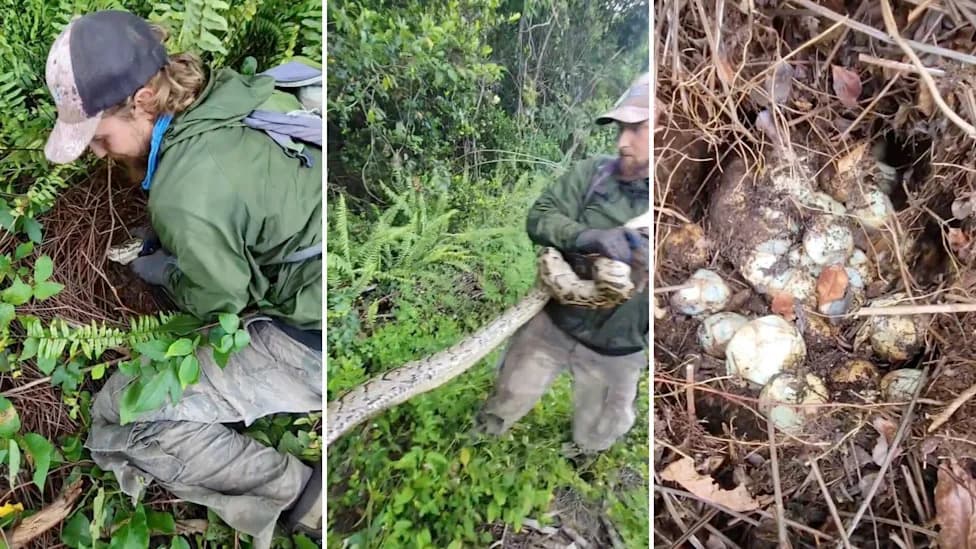
Wild Florida in Kenansville discovered 19 albino alligator eggs on June 7 and moved them to a temperature-controlled incubator for an expected ~60-day incubation. The eggs are believed to be from Snowflake (25) and Blizzard (14), both blind due to albinism. If the clutch hatches, it could be the first documented captive-born albino alligators and would provide important insights for caretakers and veterinarians. Staff will monitor the eggs closely throughout incubation.
Florida Park Finds 19 Albino Alligator Eggs — Potential First Captive Hatchlings
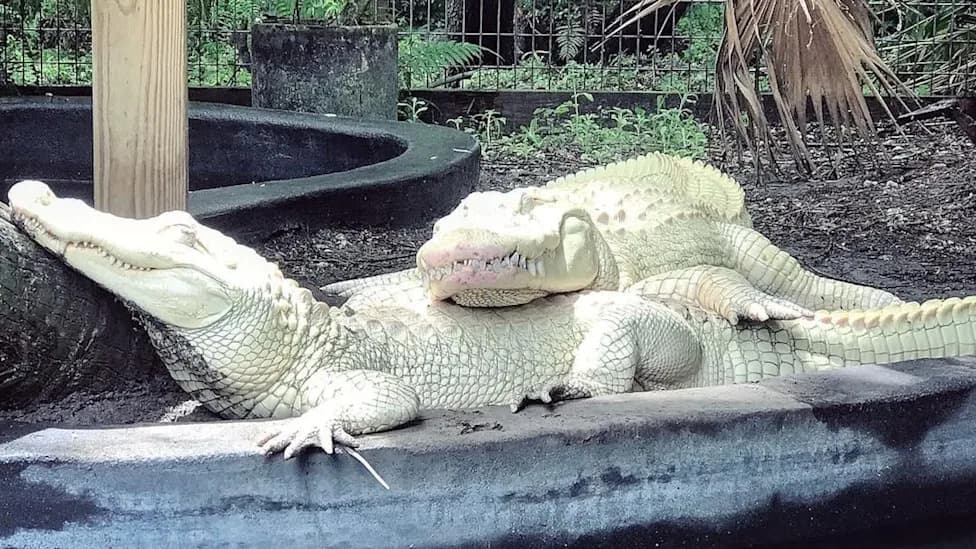
Photo Credit: Wild Florida
Wild Florida, an alligator park in Kenansville, Florida, discovered 19 albino alligator eggs in its albino exhibit on June 7. Staff removed the eggs from the enclosure and transferred them to a secure, temperature-controlled environment to improve the embryos' chances during an incubation period expected to last about 60 days.
Why This Matters
Albino alligators are exceptionally rare. Their lack of pigmentation increases sensitivity to light and other health challenges, so each successful reproductive step in managed care can provide valuable information for veterinarians, zookeepers and wildlife educators. If these eggs hatch, they could represent the first documented clutch of albino alligators successfully laid and incubated in captivity, anywhere.
About the Parents
The clutch is believed to have come from Snowflake, a 25-year-old female, and Blizzard, a 14-year-old male. Both animals are blind due to albinism, which is caused by reduced pigmentation and can affect vision and light sensitivity.
Care and Incubation
Wild Florida followed standard husbandry procedures by moving the eggs to a steady, monitored environment. Egg development is highly sensitive to temperature and humidity, so close veterinary oversight and controlled conditions are critical during the roughly 60-day incubation window. Staff will monitor the eggs closely and respond to any complications to give the embryos the best possible chance of hatching.
Potential Impact: Healthy hatchlings would allow caretakers to study the needs of albino alligators from the earliest life stages—informing protocols for light exposure, feeding and medical care tailored to animals with albinism.
The outcome depends on the coming weeks of incubation and veterinary monitoring. If successful, the hatchlings would not only be a rare sight for the public but also a valuable resource for improving care practices for these unusual reptiles.
Help us improve.