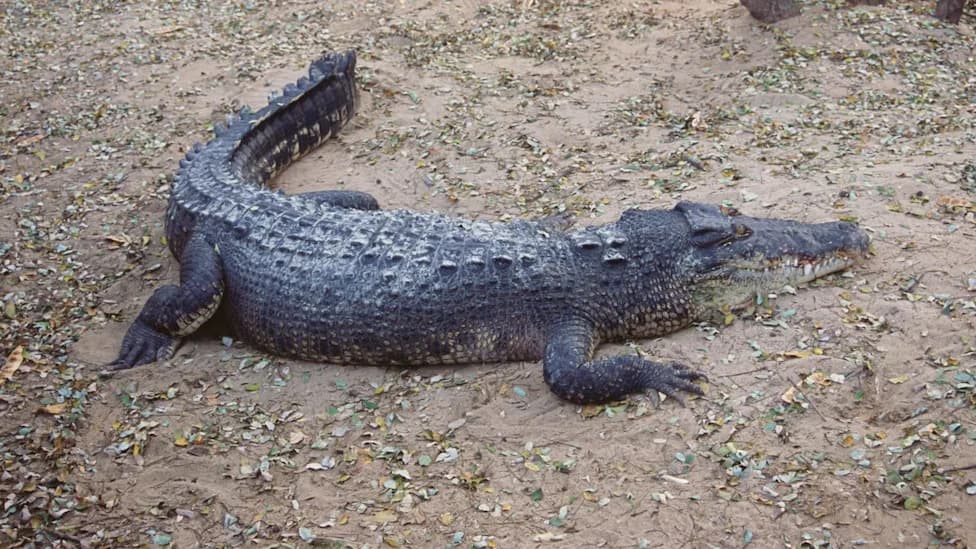
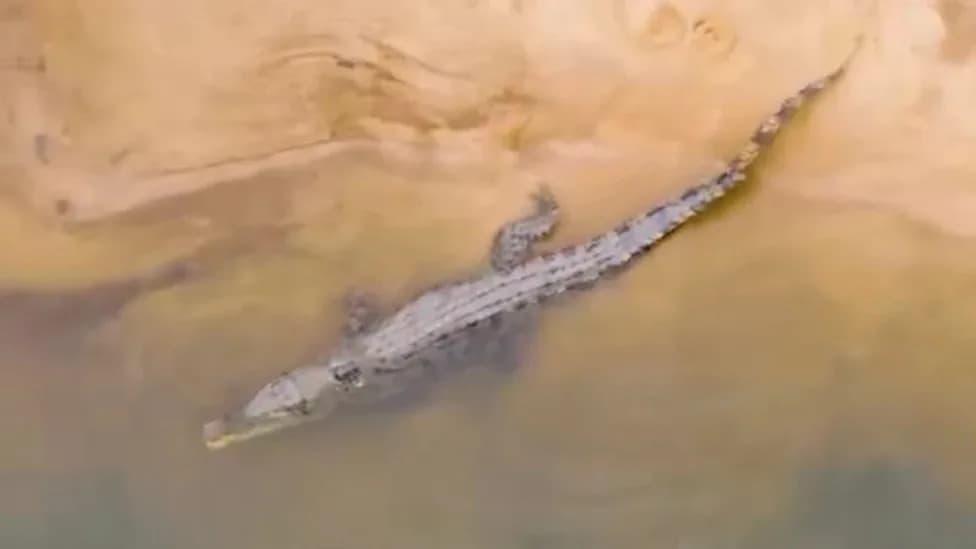
Gori, an albino saltwater crocodile at Bhitarkanika, Odisha, has turned 51; she was hatched from a wild-collected egg in 1975 and has lived at the Dangmal Crocodile Research Centre. The conservation programme launched in 1975 helped increase local crocodile numbers from 96 in 1974 to about 1,826 by January 2025. While this rebound is a major success, rising crocodile numbers create new challenges such as human–crocodile coexistence and ongoing habitat management.
India’s Albino Crocodile Gori Turns 51 — A Symbol Of Long-Term Conservation Success
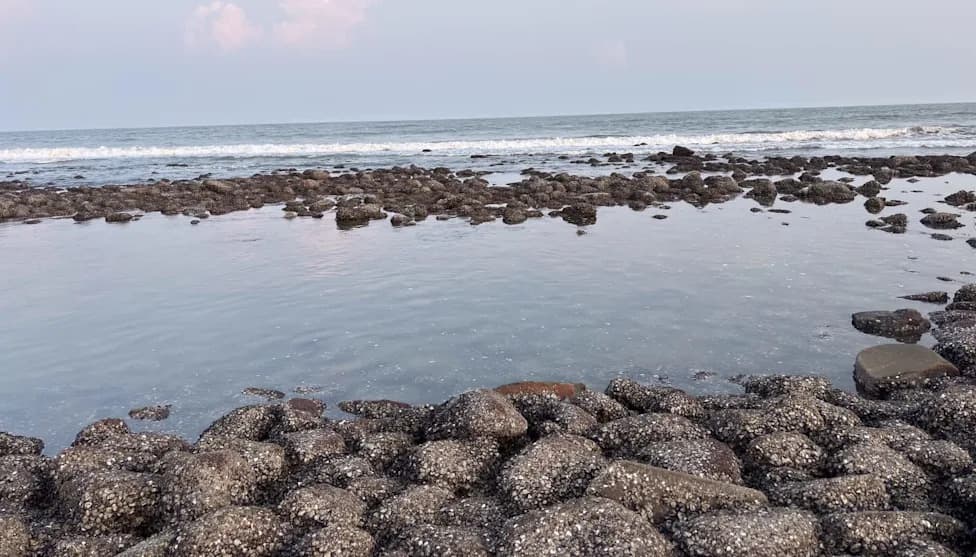
Photo Credit: iStock
Gori, an albino saltwater crocodile at Bhitarkanika in Odisha, has reached her 51st year — a milestone that highlights decades of focused conservation work to save saltwater crocodiles in India.
Gori: A Rare Survivor
Hatched from an egg collected in the wild in 1975, Gori has lived her entire life under human care at the Dangmal Crocodile Research Centre. According to Moneycontrol, she is recognised as India’s first recorded albino crocodile and remains one of the most famous inhabitants of Bhitarkanika.
Decades Of Recovery
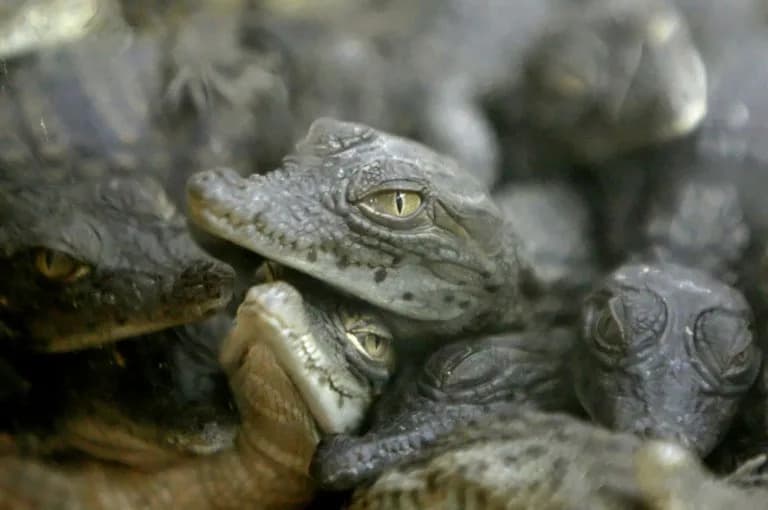
The formal conservation programme that began in 1975 has coincided with a remarkable recovery in local saltwater crocodile numbers. The population rose from just 96 animals in 1974 to roughly 1,826 by January 2025 — a rebound driven by captive breeding, habitat protection and coordinated management efforts.
Why Bhitarkanika Matters
Bhitarkanika’s mangrove forests, rivers and tidal creeks form one of India’s most important habitats for saltwater crocodiles. The ecosystem’s mix of tidal creeks and sheltering mangroves provides ideal nesting, feeding and juvenile-rearing areas that supported the species’ recovery when protections were put in place.
New Challenges As Numbers Recover
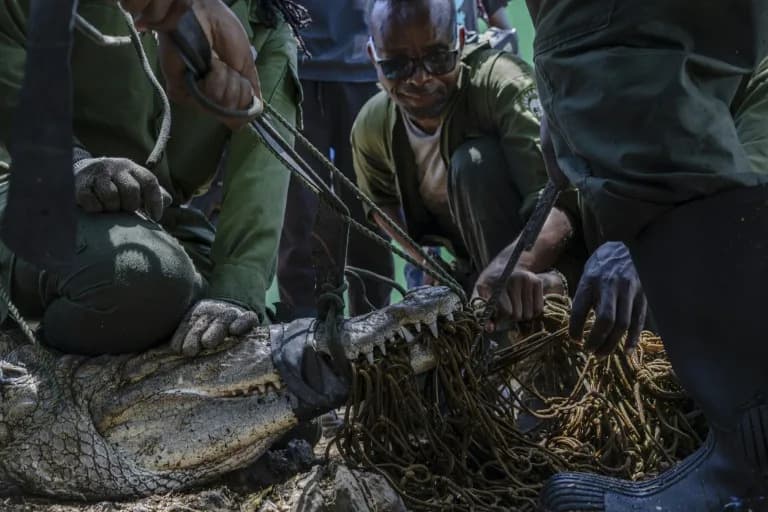
As crocodile numbers grow, managers now face fresh challenges. Beyond continued habitat monitoring and protection, authorities must increasingly focus on mitigating human–crocodile encounters, improving community outreach, and developing coexistence strategies that protect both people and reptiles.
Global Context
Gori’s story is part of a wider pattern: long-term, targeted conservation can produce dramatic recoveries. Examples from other regions include:
- Cambodia: Several rare reptile species are showing signs of recovery after targeted protection.
- Western Australia: Management of food sources has helped crocodiles avoid toxic invasive prey such as cane toads.
- Mozambique: Translocation programmes are helping rebuild black rhino populations.
Takeaway: Gori is both a living symbol of past conservation success and a reminder that recovery brings new responsibilities — continued protection, scientific monitoring and community-focused solutions are essential to sustain gains.
Help us improve.