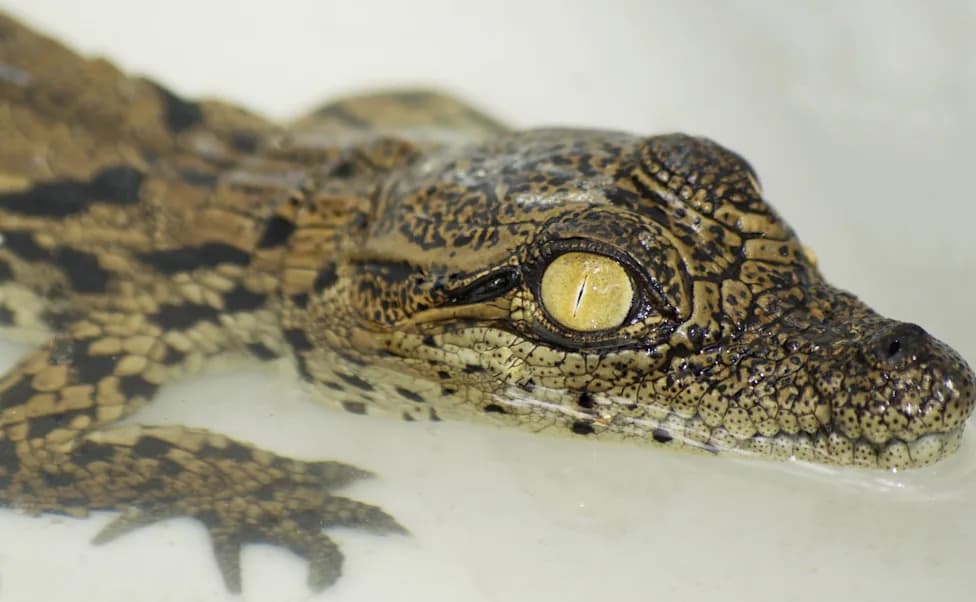
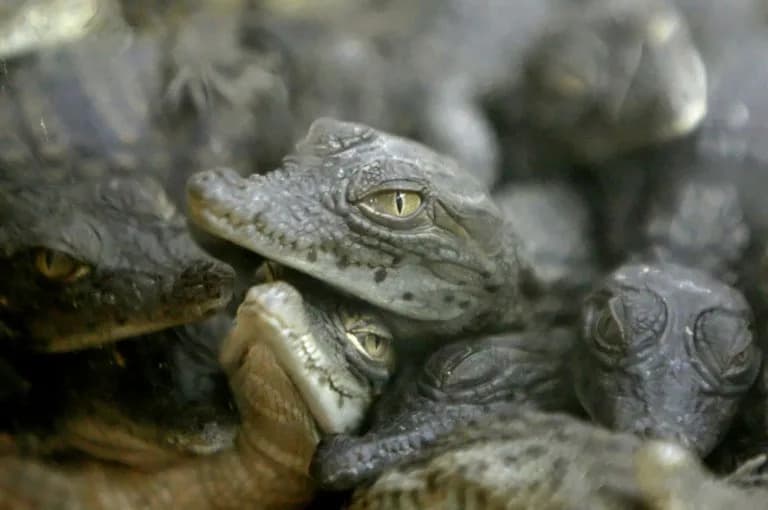
A recent European heat wave produced an uncommon milestone at La Ferme aux Crocodiles in Pierrelatte, southeastern France: 10 Nile crocodiles hatched entirely under natural conditions without human intervention.
Visitors spotted the hatchlings emerging from their nest and alerted staff. Reserve director Samuel Martin told Agence France-Presse (via Phys.org) that the juveniles completed their development in situ, a first for the park.
Why this is notable: In captive-breeding programs, Nile crocodile eggs are usually removed and placed in incubators so technicians can precisely control temperature and humidity. In the wild, eggs develop buried in nests warmed by surrounding soil and ambient heat. This event occurred because unusually high temperatures in France mimicked those natural incubation conditions.
"For the first time, we had an incubation that took place entirely under natural conditions," Samuel Martin said.
La Ferme aux Crocodiles — described by AFP as Europe’s largest reptile-focused wildlife park — did not need to intervene during this incubation. The episode highlights both a biological curiosity and a warning: extreme heat, a prominent effect of climate change, can alter animal life cycles and force wildlife facilities to rethink management practices.
Broader Implications
Heat waves carry direct consequences for people and infrastructure — increasing heat-related illness, stressing hospitals and power grids, damaging crops, and raising energy demand for cooling. For wildlife and animal care professionals, hotter and more erratic weather can:
- Change breeding success and sex ratios in temperature-dependent species,
- Require revised monitoring and enclosure designs to reduce heat stress, and
- Prompt new protocols for nesting sites and captive incubation decisions.
Adapting to these shifts means combining local preparedness (heat-action plans, cooling refuges, climate-aware building and enclosure design) with broader efforts to reduce greenhouse gas emissions that drive warming.
Related Examples
- Conservationists in Cambodia recently celebrated landmark Siamese crocodile births, signaling the species' return in parts of its former range.
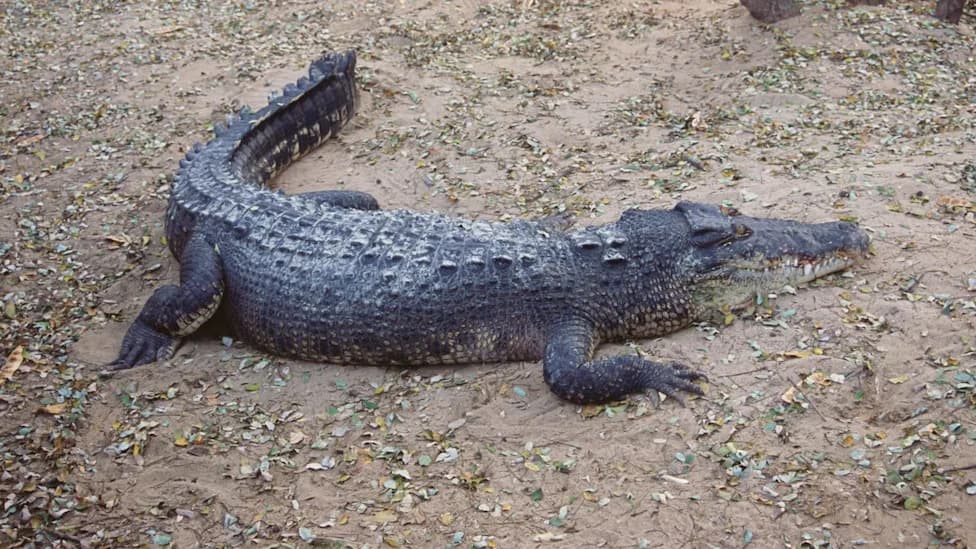
- In Florida, shifting patterns of American crocodiles in urban areas have raised concerns about human-wildlife coexistence.
- Across Africa, climate threats are altering migration routes for many species.
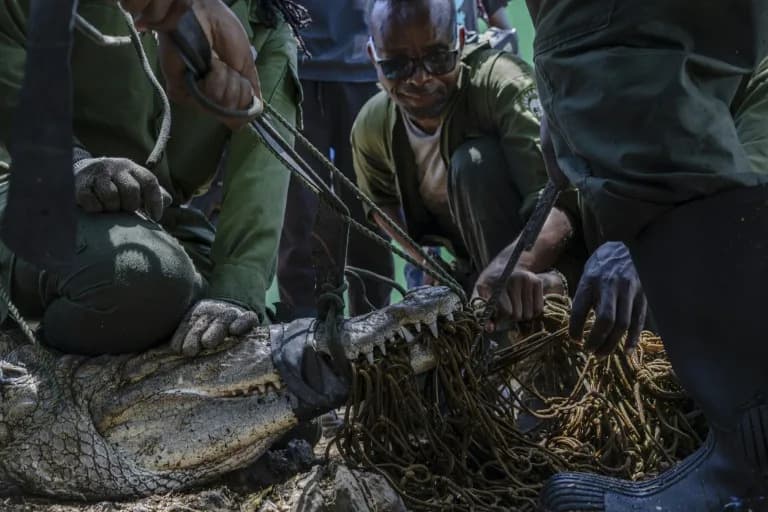
- Australia’s Daly River region has faced catastrophic floods that prompted evacuations and elevated crocodile risk warnings.
As climate-driven extremes become more frequent, events like the Pierrelatte hatchlings underscore the need for vigilant monitoring, adaptive management, and science-led policies to protect both animals and people.
Source: Agence France-Presse via Phys.org. Reporting by La Ferme aux Crocodiles and reserve director Samuel Martin.