The study from Brazil's Federal University of Minas Gerais finds human-driven warming could compress about 3 million years of tropical vegetation change into a few decades. Using satellite data, paleoclimate records and machine learning across 11 time intervals, researchers show that a warm period ~3.2 million years ago drastically reduced forest cover, and similar-scale changes could reoccur by 2050 under high emissions. About 22% of tropical areas have been long-term climatic refuges and are at special risk if change accelerates. Rapid shifts would threaten biodiversity, water, agriculture and the climate services tropical ecosystems provide.
Warming Could Compress 3 Million Years Of Tropical Change Into Decades, Study Warns
Photo Credit: iStock
New research shows human-driven warming could trigger tropical vegetation shifts equivalent to roughly three million years of change — but compressed into a few decades. Scientists warn that such rapid reorganization of forests, savannas and other ecosystems would threaten biodiversity, water supplies, agriculture and the climate services tropical landscapes provide.
What The Study Did
Researchers at the Federal University of Minas Gerais Remote Sensing Center in Brazil reconstructed how tropical vegetation varied over the past 3.3 million years and compared that long-term record with climate model projections for 2050. The team combined satellite observations, paleoclimate evidence and machine-learning techniques to map forests, savannas and deserts across 11 broad time intervals.
Key Findings
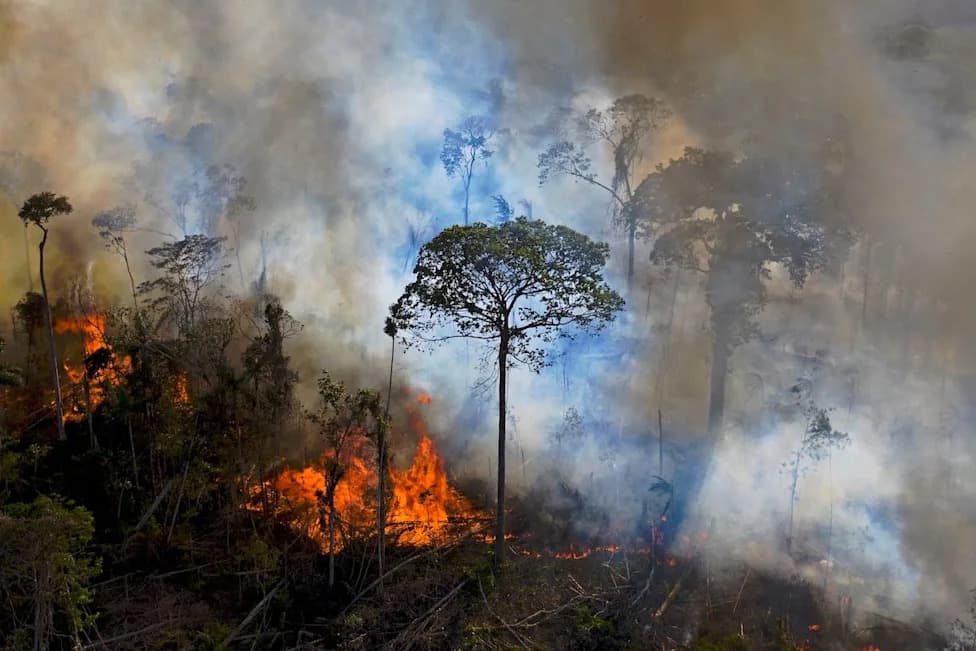
The study, published in the Journal of Biogeography, found that tropical forests were most restricted about 3.2 million years ago, when global temperatures were roughly 7.2°F (4°C) warmer than today. At that time the Amazon covered less than half of its current extent, and the Atlantic Forest contracted to under 5% of its potential area.
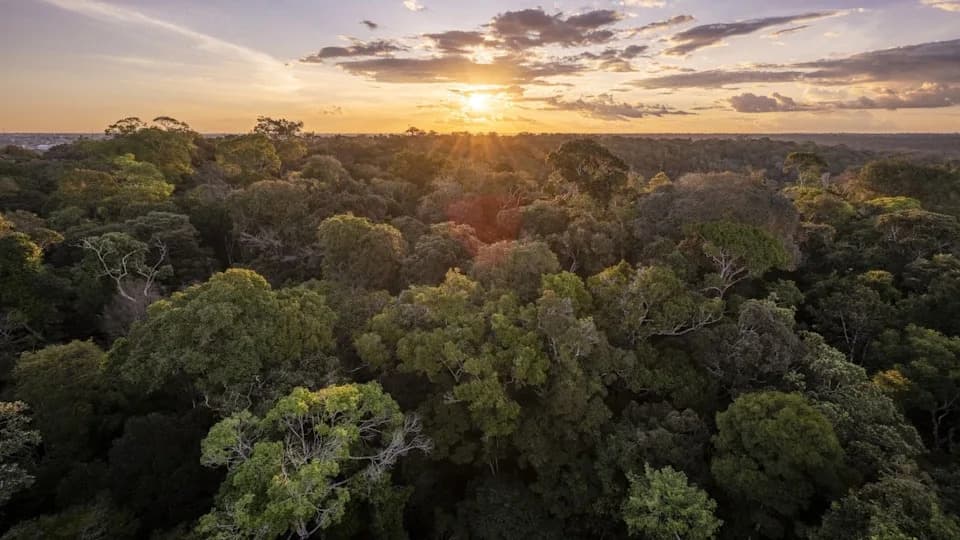
About 22% of tropical regions remained climatically and ecologically stable throughout the entire 3.3-million-year span, acting as long-term refuges where biodiversity built up over millions of years. Under the highest-emissions scenario, the study projects tropical temperatures could rise by 3.6–7.2°F (2–4°C) by 2050, with the Amazon warming by up to 7.2°F (4°C).
Why Speed Matters
Past shifts in tropical biomes unfolded over millennia, giving species time to migrate or adapt. The alarming implication of this study is that similar-scale transformations could now take place within a single human lifetime. Where ecosystems have been stable for millions of years — such as parts of the Malay Archipelago — many species may be particularly vulnerable because they evolved under long-term climatic constancy.
Broader Consequences
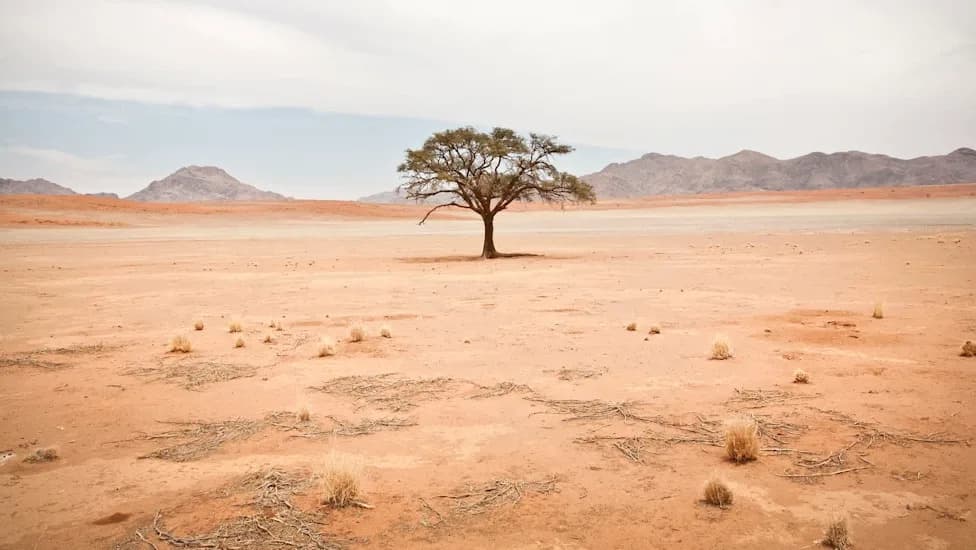
Tropical ecosystems regulate rainfall, store vast amounts of carbon and support communities that rely on forests and predictable weather for food, water and livelihoods. If forests convert to more open vegetation, the effects would extend beyond biodiversity loss: agriculture and local water supplies could be undermined, and global impacts could include higher food prices, supply-chain disruptions and more severe weather.
By integrating remote sensing, long-term climate records and machine learning, the researchers produced maps and projections that identify which tropical areas were historically most stable and which are now most exposed to abrupt transformation. These tools can help governments, conservation planners and local communities prioritize protection and adapt management strategies where risks are highest.
"Transformations that took millions of years may now occur within decades," the researchers write. "The stability that protected them may become their vulnerability."
What Can Be Done
Reducing carbon emissions remains the primary, large-scale solution. The study's most severe outcomes correspond to the highest-emissions pathway, so policy choices this decade will strongly influence how much change unfolds by midcentury.
Help us improve.