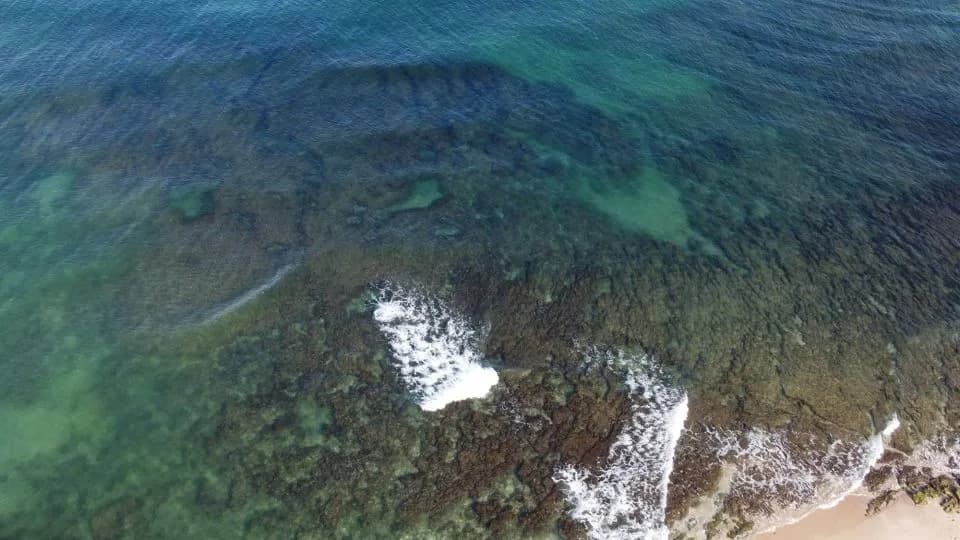
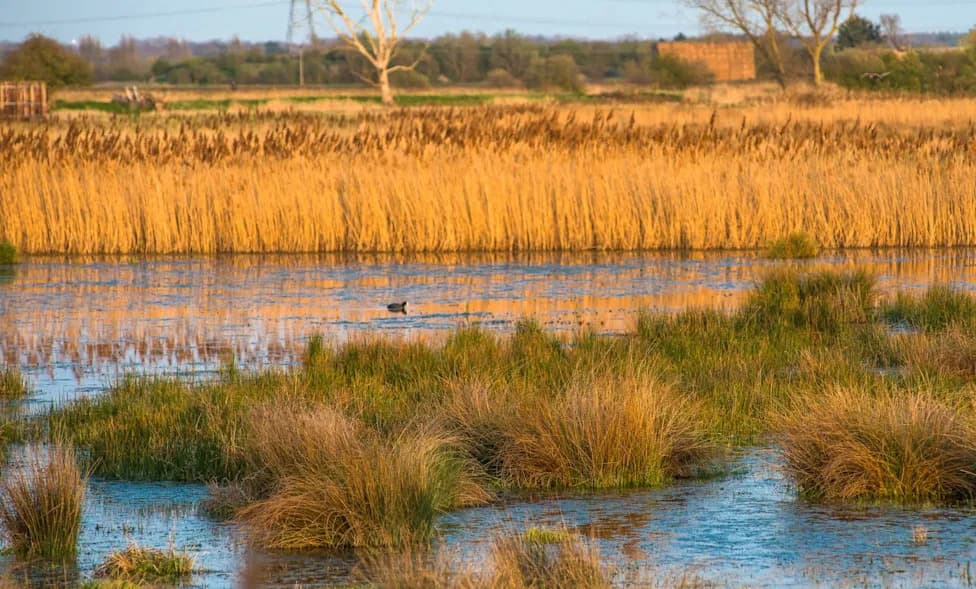
Researchers at the University of Lincoln found that exposing soils to low-level saline irrigation can encourage native soil microbes to adapt, helping crops continue to grow under increased salinity. Led by Prof Matthew Goddard, trials simulated future east-of-England conditions and showed adapted microbiomes maintained soil function and crop yields. The team will now study how salinity interacts with fertilisers and crop pathogens, with early signs that some blights may be reduced.
Training Soil Microbes to Help Crops Thrive in Saltier Soils
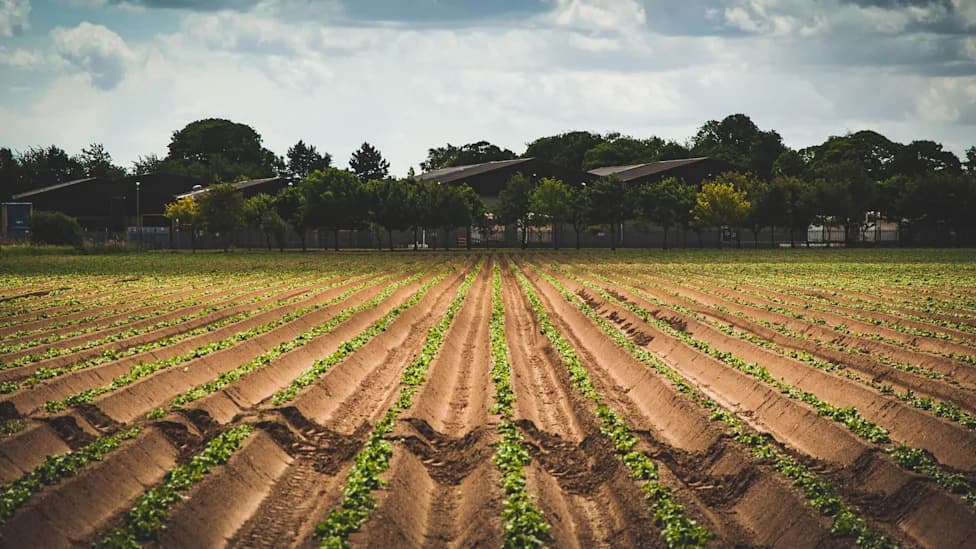
Using small amounts of seawater in irrigation could help farmers continue to grow crops despite the impact of climate change [Stephen Granville/Getty Images]
Researchers at the University of Lincoln report that naturally occurring soil microbes can be 'trained' to tolerate higher salinity, offering a practical way to protect crops as soils become saltier because of climate change. The project, led by Prof Matthew Goddard, used small, controlled additions of seawater together with simulated rainfall patterns to test how soil microbiomes respond to gradual salinisation.
What the Study Did
The team "emulated the east of England 20 years from now" by combining present rainfall regimes with measured saline inputs to irrigation. Their goal was to find out whether exposing soils to low-level saline irrigation would encourage naturally occurring microbial communities to adapt so they can continue supporting crop growth under higher salinity.
Key Findings
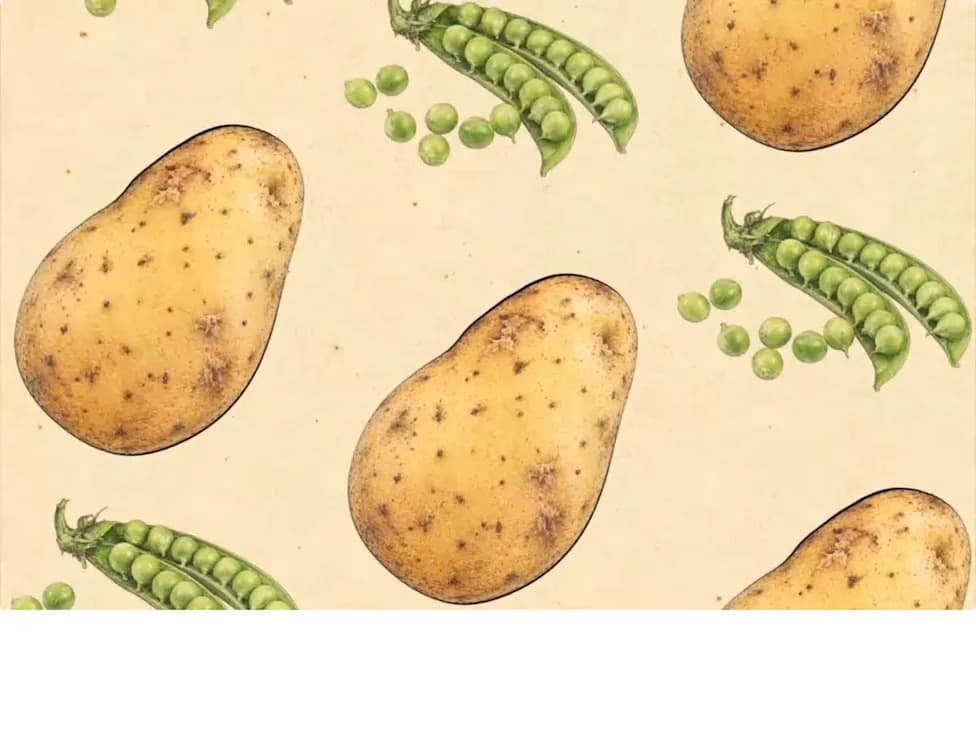
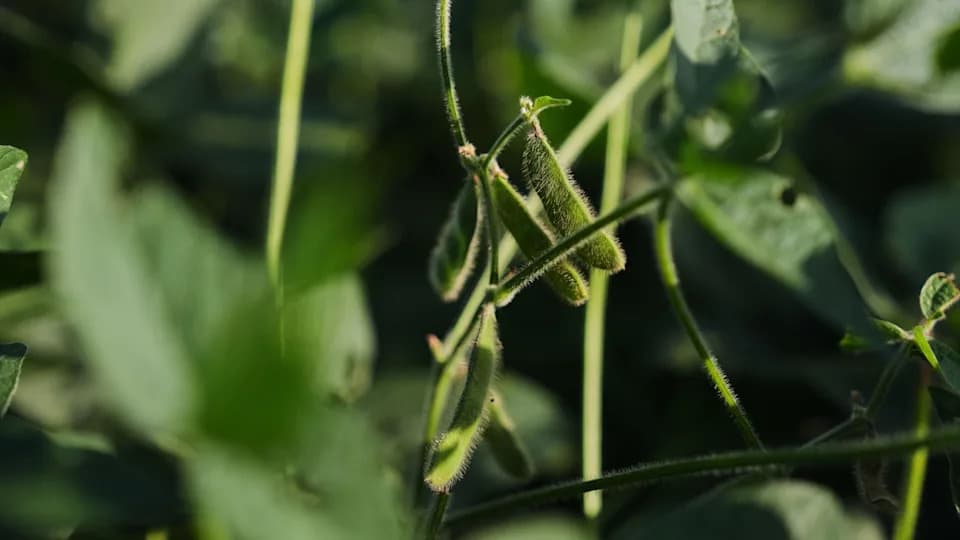
According to Goddard, soils exposed to modest amounts of seawater showed shifts in microbial community composition and function. Those adapted communities were better able to maintain soil biological activity and helped established crops keep growing and maintain yields where, under higher salinity, plants would normally suffer.
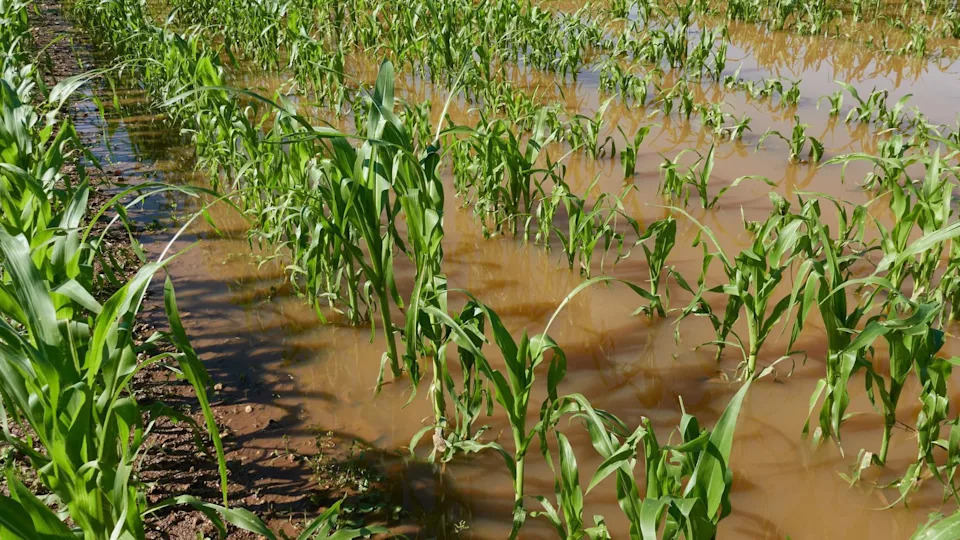
Low-lying areas of Lincolnshire farmland is susceptible to tidal surges [Getty Images]
Prof Matthew Goddard: "We can engineer natural agricultural microbiomes to support food production under climate change by preparing soils in advance for the conditions we expect."
Why This Matters
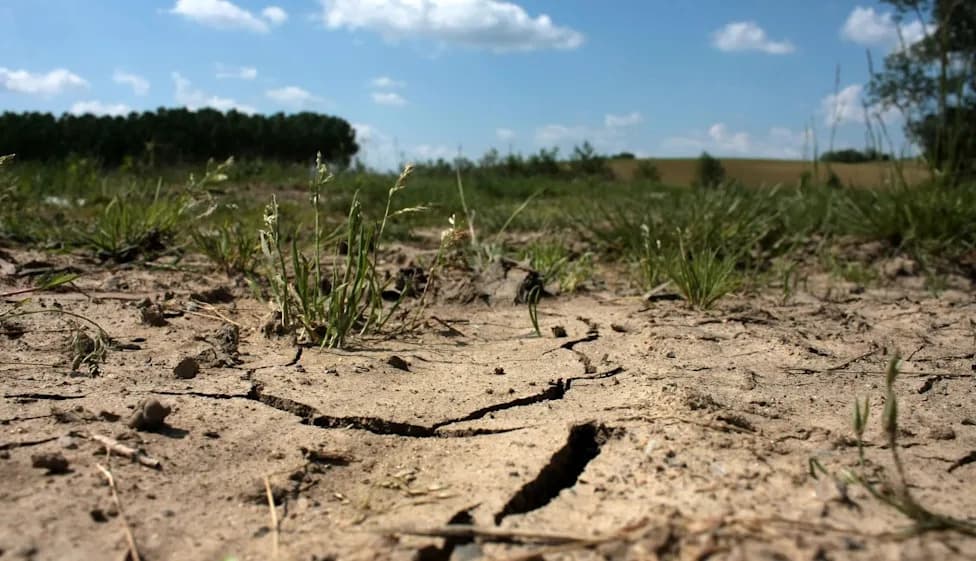
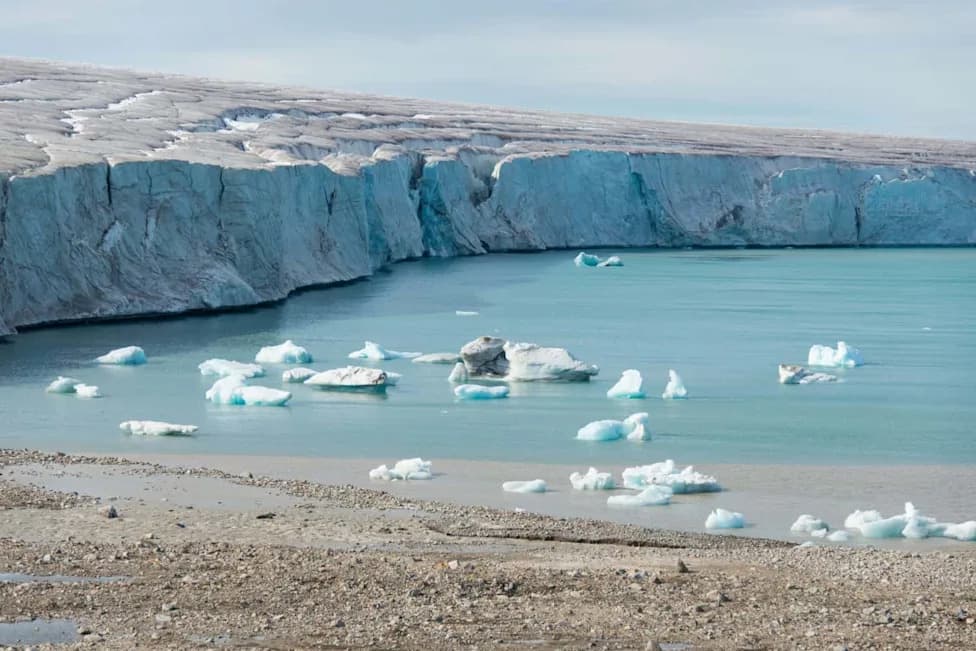
Soil salinity is rising in many farming regions because of sea level rise, altered rainfall patterns and increasing temperatures. In low-lying areas such as parts of Lincolnshire, farmers face a 'double whammy' from tidal surges and seawater intruding into irrigation channels. Approaches that harness the soil's native microbiome could be combined with other management practices as a sustainable, low-input way to protect yields.
Next Steps
The researchers will next investigate how increased salinity interacts with fertilisers and with crop pathogens. Early results indicate that some modest increases in salt may reduce the risk of certain blights, but further trials are needed to confirm risks and benefits across different crops and soil types.
Implication: If replicated at scale, microbial 'training' could become a practical tool to help secure food systems under future climate conditions, particularly for vulnerable coastal and low-lying farmland.
Help us improve.