Summary: Jordan B. Peterson argues that climate alarmism has become politicized and often serves broader ideological aims, shaping public policy and large-scale spending. He highlights satellite evidence of global greening and rising crop yields, critiques failed catastrophic predictions, and questions whether current expenditures—over $2tn annually—are the most effective way to help the world’s poor while cutting emissions. He urges greater consideration of high‑capacity, low‑carbon options such as nuclear power and a transparent weighing of trade‑offs.
Climate Alarmism as a Political Weapon: Greening Earth, Failed Predictions, and the Case for Nuclear Alternatives

We must reject the apocalyptic CO2 narrative and its call for a green revolution - Guy Corbishley/Alamy Live News
Heatwaves, political pronouncements and tough-sounding net-zero rules have turned an intensely private decision—what temperature to keep one’s home or office—into a public moral issue. This article examines how charismatic media, partisan incentives and policy choices have shaped the modern climate debate, reviews the empirical record on vegetation and crop productivity, and considers alternatives for affordable, low‑carbon energy.
From Moral Panic to Policy
Across Western countries this summer, discussion about air conditioning has at times sounded more like moral censure than practical guidance. Reports have surfaced of Brits being told to remove installed air conditioning under net‑zero rules. France’s climate minister publicly questioned the value of indoor cooling, asking,
In Germany, a public broadcaster quipped: “Air conditioners: what cools us down, heats up the Earth.”“Do you think that's going to prevent forest fires? Do you think that's going to prevent a crop from dying?”
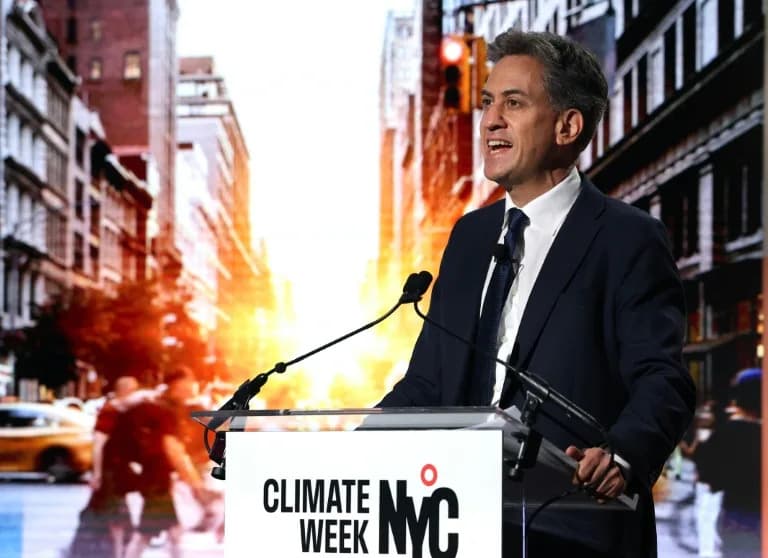
At the European Commission headquarters, employees on lower floors reportedly had cooling reduced during a June heatwave while senior officials on upper floors kept conditioned air—an episode that underscored perceptions of unequal burdens. In New York, Mayor Zohran Mamdani urged residents to set thermostats to 78°F (26°C) to reduce grid strain while official warnings simultaneously advised those at health risk to use air conditioning. The city also passed a “Cool Homes for All” law requiring landlords to provide AC to tenants.

New York mayor Zohran Mamdani urged residents to set their air conditioning units to 78F to reduce strain on the power grid - Anna Connors/The New York Times via AP
How the Debate Was Shaped
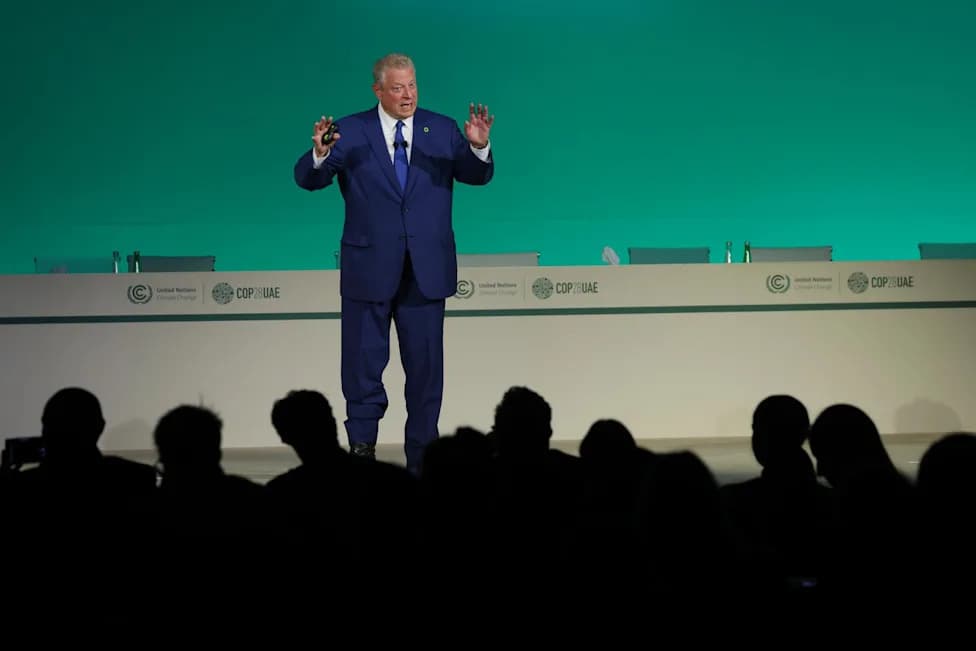
The political salience of climate emerged long before recent headlines. Influential works from Rachel Carson’s Silent Spring to Paul Ehrlich’s The Population Bomb and the Club of Rome’s Limits to Growth gave early urgency to environmental limits. Al Gore’s 2006 documentary An Inconvenient Truth played a particularly formative role in translating climate models into dramatic narratives of imminent catastrophe, helping popularize an emotionally charged framing that linked industrial CO2 to global disaster and elevated calls for emergency policy responses.
That messaging contributed to a growing polarization. Recent polling (Gallup, 2026) shows climate concern splitting sharply along partisan lines: a large majority of Democrats list it as a top issue while Republicans are far less likely to do so. This divide has shaped how scientific findings are received and how policy priorities are set.
What the Data Show
Most mainstream scientific bodies, including the IPCC, estimate global mean surface temperature has risen roughly 1.1–1.5°C since an 1850–1900 baseline tied to the start of reliable instrumental records. Critics note that using that baseline (which follows the Little Ice Age) can exaggerate the apparent magnitude of warming relative to other historical baselines; disentangling anthropogenic and natural variability requires careful modelling and acknowledgement of uncertainties.

Human technological and industrial activity has been framed as driving a dangerous increase in global temperature - Jordan Lye/Moment RF
At the same time, remote sensing and agricultural statistics have revealed large, tangible changes on land. A NASA‑led analysis of satellite data from 1982 to 2015 found substantial global greening: up to half of the planet's vegetated land surface showed increases in leaf area, the study estimated. The authors attributed roughly 70% of that greening to rising atmospheric CO2, which can increase photosynthetic rates and water‑use efficiency. Much of the greening has been especially visible in drier regions.
On agriculture, staple crop yields for rice, wheat and soy have generally risen by roughly 10–25% in recent decades, driven mostly by improved crop varieties, better agronomic practices and technology; elevated CO2 has likely contributed in many contexts by increasing water-use efficiency and, in some cases, photosynthetic productivity.
Policy, Spending and Opportunity Cost
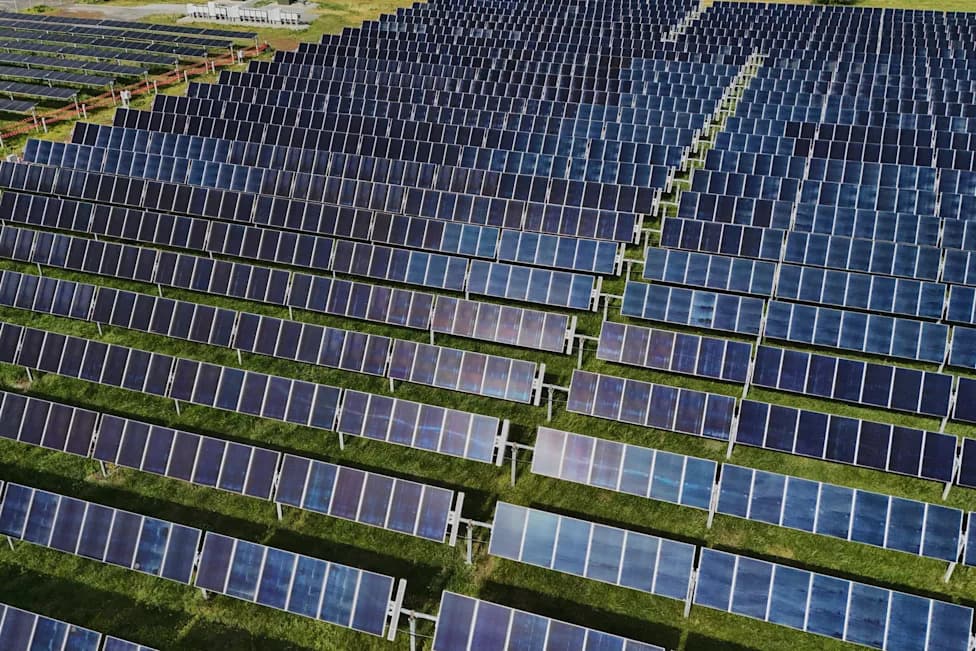
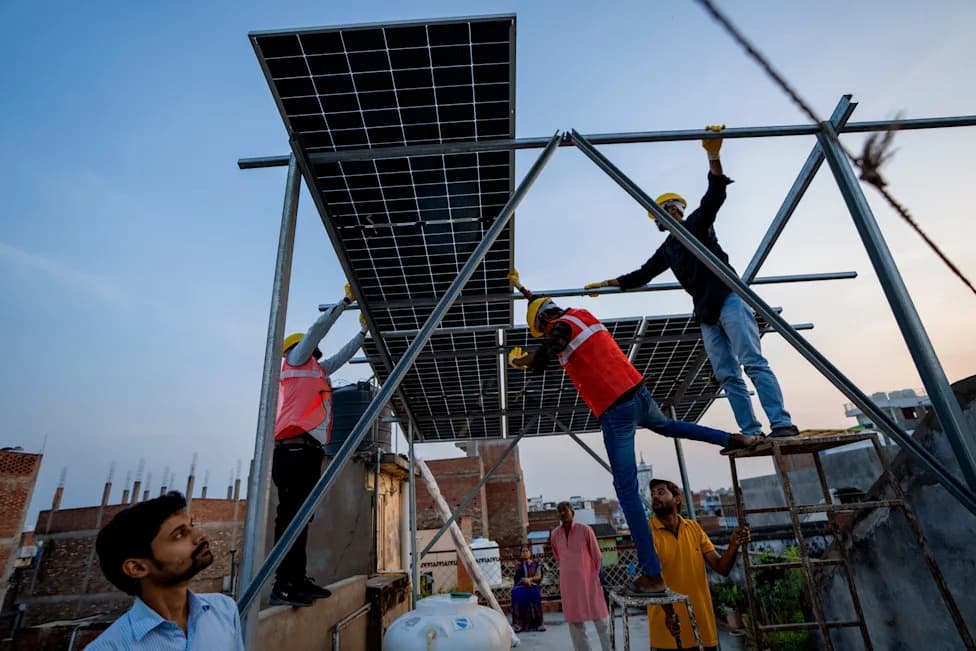
Public and private investment in low‑carbon energy has grown dramatically. Annual global spending aimed at the energy transition now exceeds $2 trillion and cumulative investment since the mid‑2000s is often estimated in the $10–15 trillion range. International agencies such as the IEA argue for still larger spending pathways to reach ambitious net‑zero targets by mid‑century.

Elevated CO2 levels have boosted global rice production - Moment RF
Those sums yield real trade-offs: every dollar spent on one priority is unavailable for others. Critics argue that some non‑CO2 environmental problems (overfishing, sanitation, infectious disease, malnutrition) have received far less attention and funding than their human costs warrant. Analysts such as Bjørn Lomborg and the Copenhagen Consensus emphasize that relatively modest sums could make outsized humanitarian gains compared with some climate expenditures.
Energy Realities: Renewables, Storage and Nuclear
Renewable electricity from wind and solar has expanded rapidly and driven large reductions in emissions intensity where deployed. But intermittency remains a challenge: capacity factors for wind and solar tend to be lower than for nuclear or fossil‑fuel generators, and utility-scale batteries currently provide limited long-duration or seasonal storage. That means many systems still require flexible backup or overbuild, which raises costs.
Critics question policy choices that limit nuclear power—an abundant, low‑CO2, high‑capacity‑factor option—and constrict domestic fossil fuels while large emerging economies continue to add generation from coal and gas. They argue that a different mix of investments—particularly major scaled deployment of proven low‑carbon technologies—could deliver cheaper, more reliable power and greater humanitarian benefits.

George Orwell argued that many middle-class socialists were driven more by envy of the rich than concern for the truly oppressed - ullstein bild/Getty Images
Ideology, Incentives and Public Messaging
The politicization of climate science has sometimes blurred the line between empirical inference and ideological argument. Framing CO2 emissions as moral proof of systemic economic failure can advance a political program favoring centralized planning, degrowth or large-scale redistribution. That alignment has led critics to suspect that some messaging emphasizes catastrophe because it fits preexisting political goals rather than reflecting balanced scientific judgment.
Whether motivated by genuine concern, political conviction or status‑driven signaling, climate advocacy has at times combined moral zeal with policy prescriptions that redistribute costs widely. That combination—a potent mix of moral authority and high spending—has important consequences for democratic debate and for how resources are allocated.
Alternatives and Trade‑offs
Critics urge a reorientation of priorities toward interventions that deliver direct human benefits while cutting emissions effectively. One prominent proposal is a major expansion of nuclear power: proponents argue that tens of trillions directed to large‑scale nuclear deployment could supply abundant low‑CO2 electricity, lower costs, power desalination and industrial decarbonization, and increase resilience. Estimates and projections vary widely; cost declines with scaled production (so‑called learning curves) are plausible but not guaranteed.
Other suggested priorities include investing in frontier storage and grid technologies, targeted carbon management where cost‑effective, and allocating more resources to urgent global health, water, sanitation and food security programs that have immediate human impact.
Conclusion
The climate debate combines robust scientific findings, substantial uncertainties, political projects and very large economic choices. The empirical record—planetary greening and rising crop yields among it—complicates simple narratives of unmitigated ecological collapse while confirming that human activity affects the climate system. Policy choices should weigh trade‑offs transparently, prioritize durable technological solutions that deliver both emissions reductions and human development, and preserve space for open scientific debate.
Author: Jordan B. Peterson is professor emeritus at the University of Toronto and the author of Maps of Meaning, 12 Rules for Life, Beyond Order and We Who Wrestle With God: Perceptions of the Divine.
Help us improve.