Campaigners say net-zero–related reductions in livestock and limits on traditional land management have increased the build-up of bracken, heather and coarse grasses, raising wildfire risk in British uplands. Recent fires in Suffolk, Derbyshire, North Wales and the Highlands have intensified concern. The Climate Change Committee recommended a 27% livestock reduction by 2040 to cut methane, while rewilding advocates argue reforesting and rewetting peatlands offers a safer alternative. The government says it is investing in peatland restoration and cross-government wildfire resilience measures.
Net-Zero Farming Push Tied to Higher Wildfire Risk in British Uplands
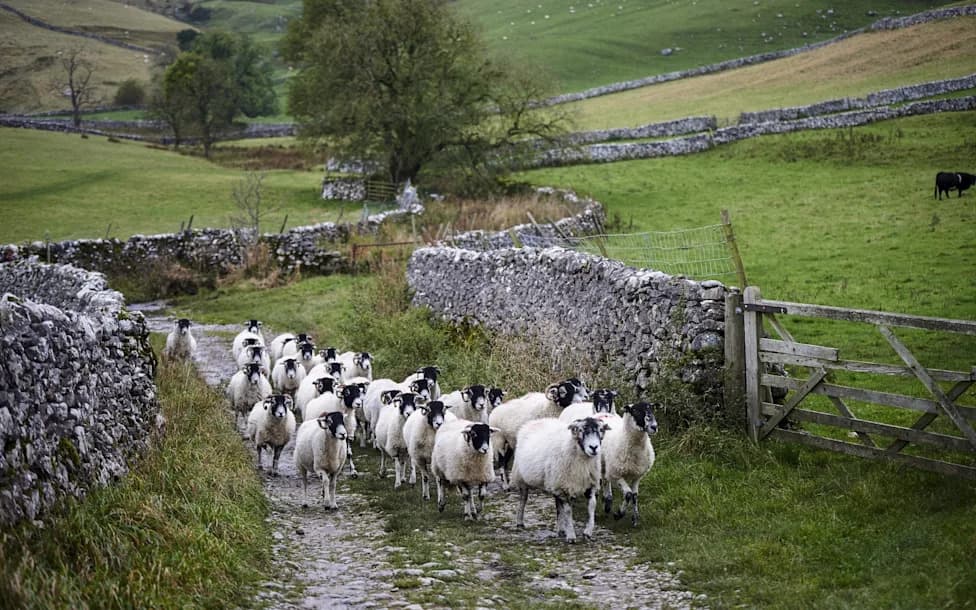
The Climate Change Committee previously called for livestock numbers to be cut by 27pc by 2040 - Bloomberg
Campaign groups warn that policies linked to the drive for net-zero agriculture have contributed to an increased wildfire risk across Britain’s uplands by reducing grazing and other traditional land management practices.
Why Campaigners Are Concerned
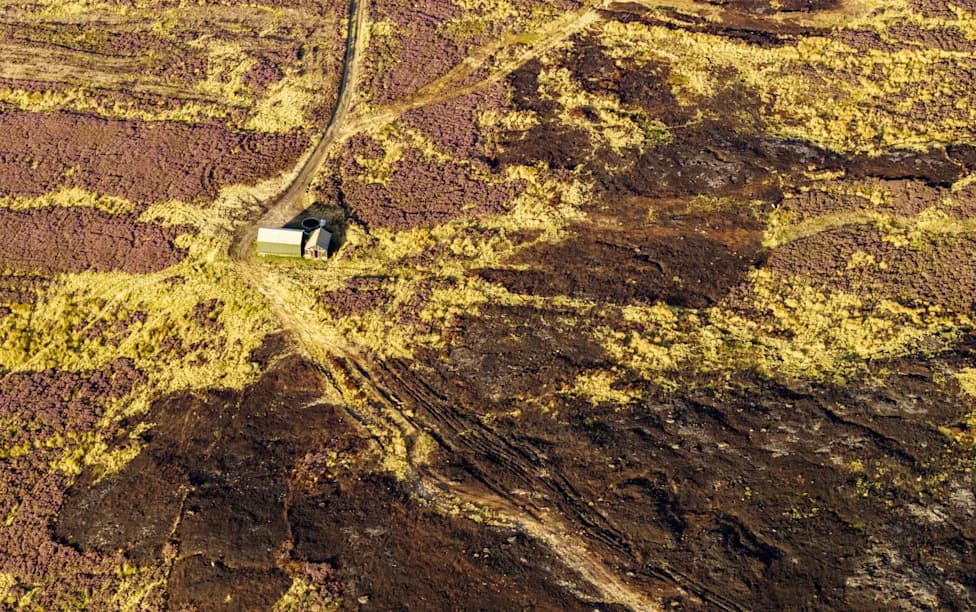
Andrew Gilruth, chief executive of the Moorland Association, says incentives and regulations that encourage destocking have allowed bracken, heather and coarse grasses to build up, creating larger fuel loads for seasonal blazes.
"The key to managing wildfires is to reduce fuel load. Grazing is an essential part of that. Putting that into perspective, if you leave a sheep out on the hill all year, it would consume a tonne of vegetation. Two thousand sheep would consume 2,000 tonnes of potential fuel load," Gilruth said.
Recent Fires And Concerns
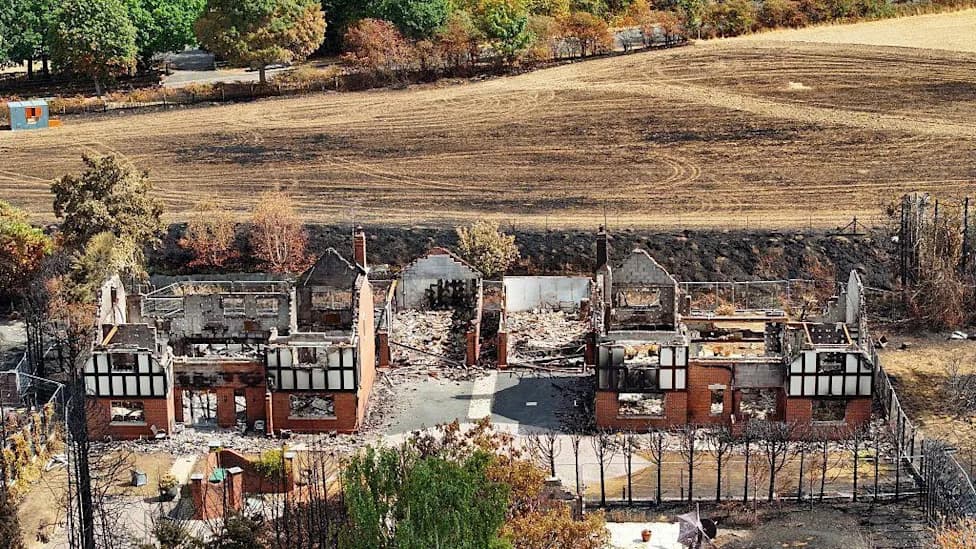
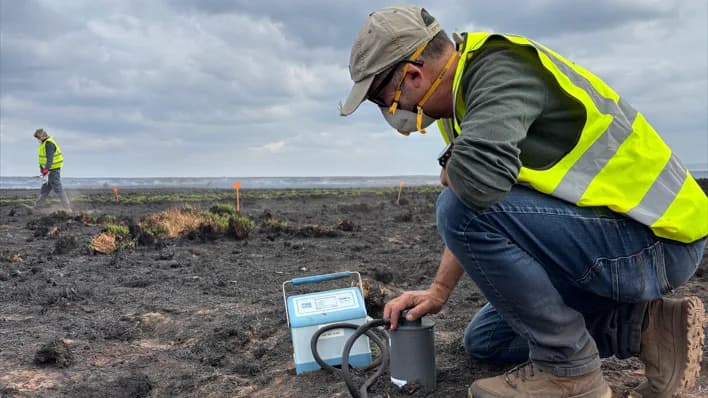
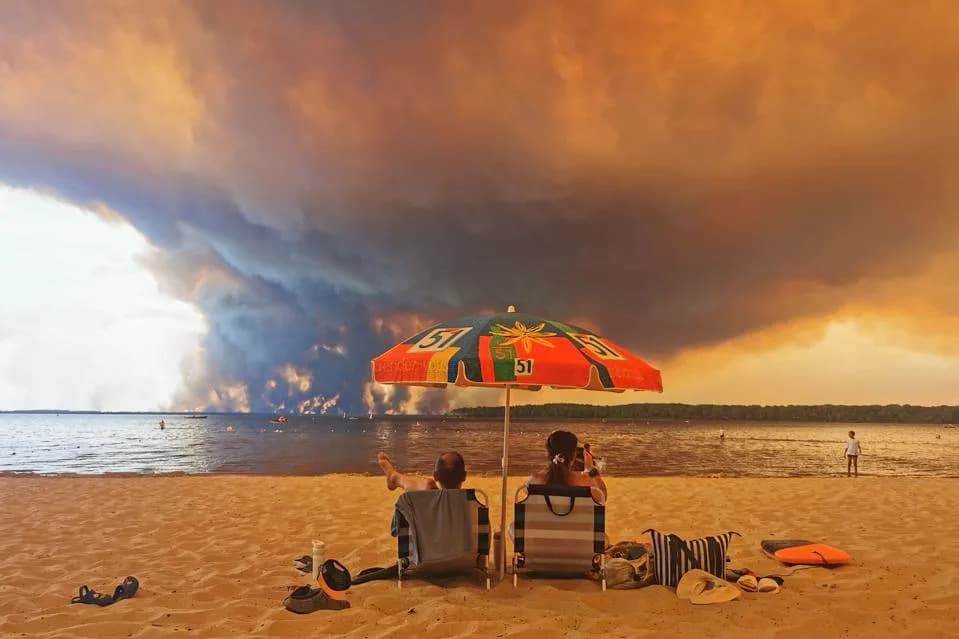
Wildfires have burned in Suffolk this week, and recent blazes have affected parts of Derbyshire, North Wales and the Scottish Highlands. Large fires in Spain and France this summer have heightened fears of a similar prolonged fire season in the UK.
Views From Officials And Industry
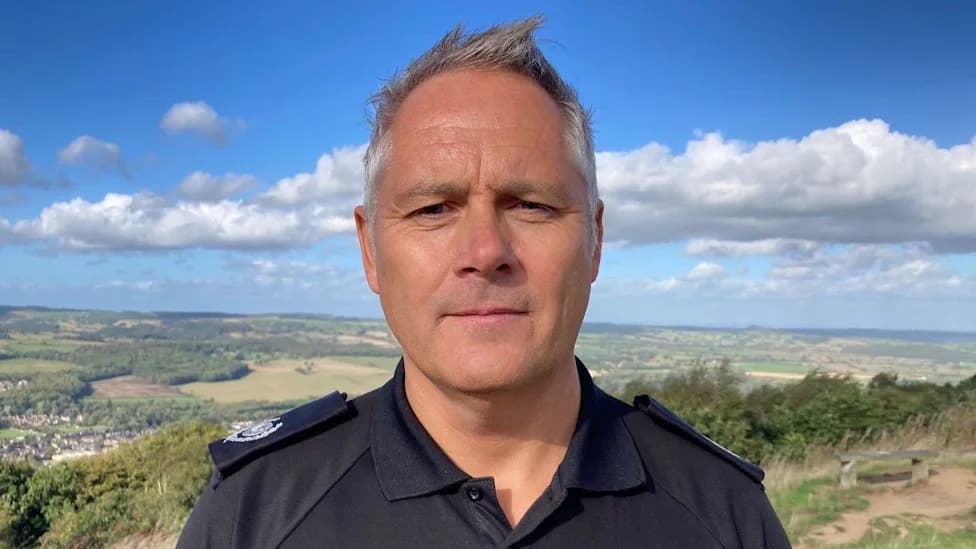
Alistair Carmichael, chairman of the Environment, Food and Rural Affairs Select Committee, argued that reduced livestock grazing is increasing fire risk. Phil Stocker, chief executive of the National Sheep Association, also links fewer grazing animals to net-zero recommendations aimed at cutting methane.
The Climate Change Committee advised a reduction in livestock numbers—recommending a 27% cut by 2040—as part of measures to lower methane emissions. Separately, some rural areas have seen sheep numbers fall by around 50% over the past two decades amid rewilding projects.
Rewilding And Alternative Approaches
Rewilding advocates reject the claim that destocking necessarily increases wildfire risk. Environmental campaigner Ben Goldsmith argues that removing non-native sheep and restoring native trees and wet peatlands will produce a landscape that is less prone to burning.
"We've drained our uplands to open up the land for millions of sheep. We need more native trees in our uplands. We really need a transition away from non-native sheep and to make our uplands wet again by rewetting peat bogs and blocking up drainage ditches," Goldsmith said.
Other Factors
Alongside reduced grazing, traditional controlled heather burning—used by gamekeepers and shepherds to manage vegetation—has been restricted in recent years because of pollution and habitat concerns, which campaigners say can also increase fire risk if alternative management is not implemented.
Government Response
A government spokesman said: "Wildfires can cause significant damage to natural habitats and protected species. The Government continues to strengthen our approach to wildfire resilience, including improving cross-government coordination across the full wildfire cycle."
He added that the government is investing in resilience measures and biodiversity recovery, citing peatland restoration, landscape-scale habitat recovery and stronger protections for upland peat.
Context: The debate highlights a tension between climate-driven policy goals and traditional land management practices. Effective wildfire resilience is likely to require a mix of targeted grazing, habitat restoration (including peatland rewetting), and careful use of controlled burning where appropriate.
Help us improve.