France’s parliament approved a bill allowing Anses to grant targeted exemptions for acetamiprid and flupyradifurone, overturning national bans while remaining consistent with EU permissions. The measure—approved by the Senate 214 to 111—would permit restricted use against aphid-borne diseases on crops such as sugar beet, apples and hazelnuts. Beekeepers, scientists and environmental groups warn the chemicals threaten pollinators and biodiversity and plan to challenge the law at the Constitutional Council. The decision sparked political fallout, including an offered resignation by the environment minister.
France Allows Exemptions For Two Pesticides, Sparking Beekeeper Outrage
Photo Credit: iStock
France has moved to permit limited use of two pesticides that many scientists, beekeepers and environmental groups say threaten pollinators and biodiversity, reigniting a long-standing national debate over agricultural chemicals.
What Changed
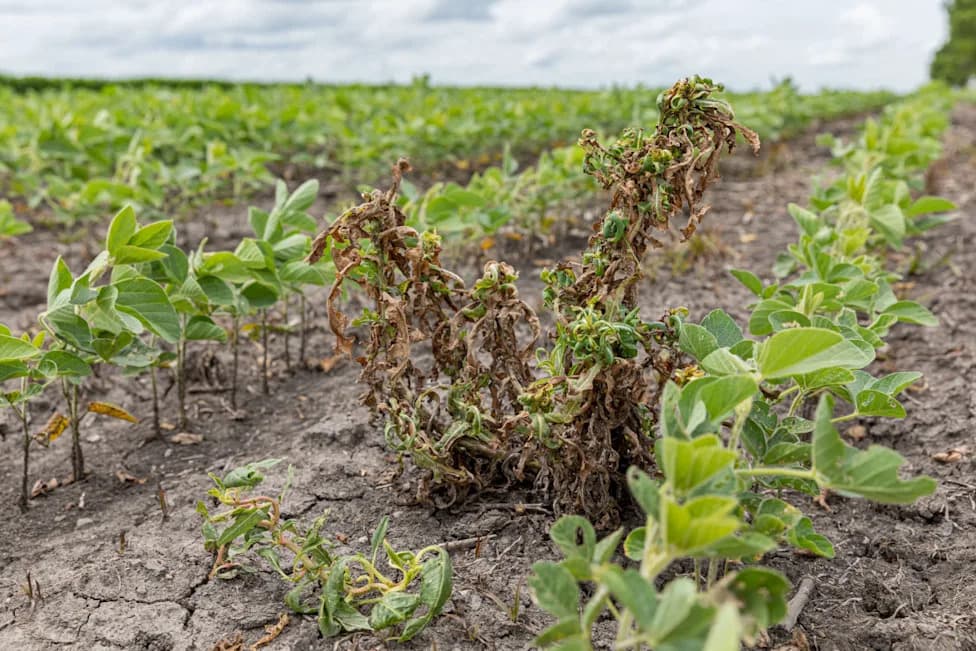
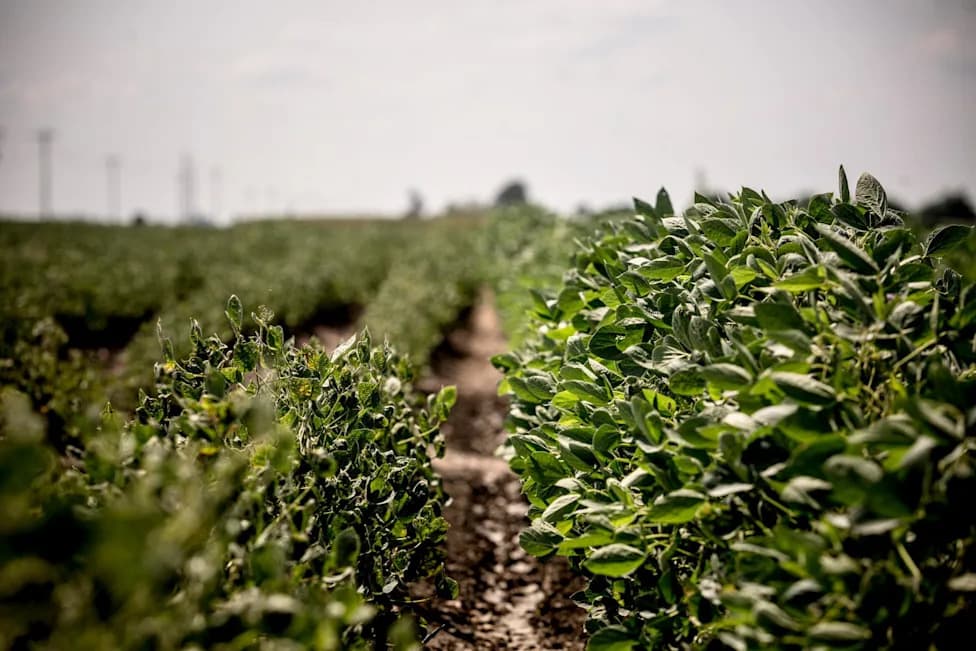
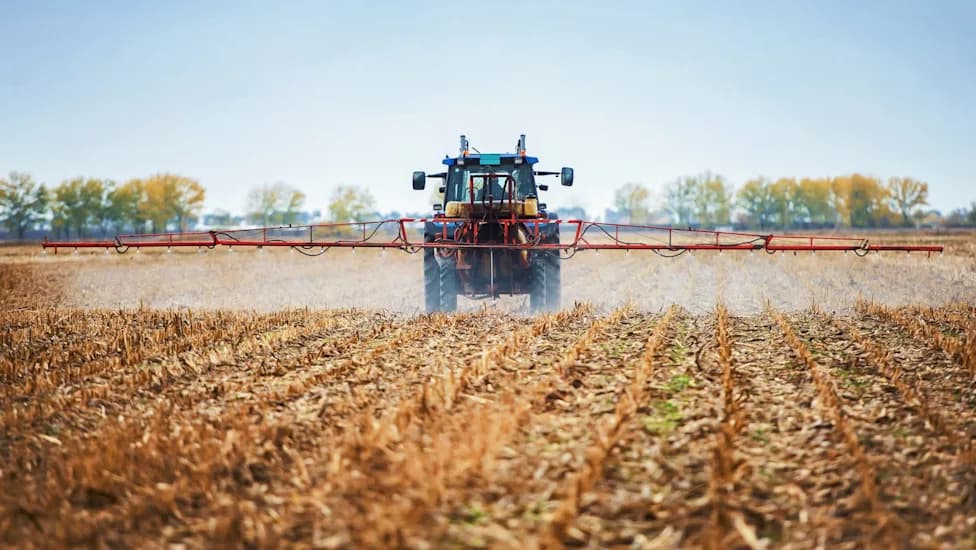
Parliament passed a bill authorizing Anses, France’s food and environmental safety agency, to grant targeted exemptions for acetamiprid and flupyradifurone. Both substances had been banned at the national level despite remaining permitted under European Union rules. Supporters say the measure is limited to specific situations—primarily to combat aphid-borne diseases on crops including sugar beet, apples, hazelnuts and cherries.
Vote And Political Reaction
The measure cleared the Senate by a vote of 214 to 111 after passing the lower house. Backers — including the FNSEA, France’s largest farmers’ union — argue growers need the tools to remain competitive with producers in other European countries. Agriculture Minister Annie Genevard called the change a way to provide "real and tangible solutions," saying authorizations would be restricted to cases with "no impact on human health or the environment."
Beekeeper And Environmental Concerns
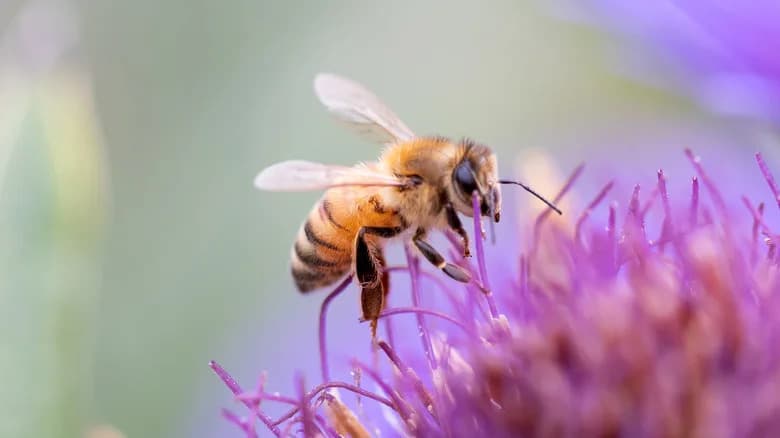
Beekeepers and environmental campaigners responded with strong criticism. "There are no words to describe the frustration," said Carolyn Bouguet, a beekeeper in Essonne outside Paris, citing pressures from climate change, parasites and habitat loss. Henri Clément, spokesperson for the French beekeeping association UNAF, described the move as "an absolute disaster for our sector, and for biodiversity as a whole."
"Bees are the canary in the environmental coalmine," Bouguet said. "Protecting bees means protecting life. Protecting life means protecting our future."
Scientific Evidence And Economic Context
Research has linked acetamiprid — a neonicotinoid — to bee poisoning and to impairments in memory and foraging. A 2024 study suggested flupyradifurone can be lethal to some honeybees. Official agriculture ministry data also show a long-term decline in French honey output: production fell by roughly half between the mid-1990s and the mid-2010s, a period that overlapped with the spread of neonicotinoid insecticides.
Advocates for pollinators stress that healthy insect populations support resilient farms, local livelihoods and broader biodiversity, and warn that pesticide exemptions risk raising mortality rates in pollinators and reducing harvests for some crops.
Next Steps: Legal And Political Fallout
Opponents — including UNAF, environmental groups and left-leaning lawmakers — said they will appeal to France’s Constitutional Council, arguing the law fails to protect human health and the environment. They noted a prior attempt to reauthorize acetamiprid was annulled by the council for violating the country’s environmental charter.
After the parliamentary vote, Environment Minister Monique Barbut offered her resignation, calling the decision "one environmental setback too many," though she remained in office after meeting President Emmanuel Macron. Greenpeace France condemned the legislation as "trampling on science, health, the environment and the clear will of the people."
Wider Implications
The dispute over these exemptions is likely to continue through courts, regulatory reviews and public pressure as France and other countries weigh how to balance crop protection, trade competitiveness and long-term ecosystem health. The outcome could influence future pesticide policy and shape what kind of food system France seeks to build.
Help us improve.