California’s A.B. 1603, aimed at limiting PFAS in pesticides, was substantially weakened after heavy industry lobbying, lawmakers and advocates say. The original proposal would have banned new PFAS pesticides from 2028 and halted sales of 23 products by 2030; the final measure removes most of those restrictions. Reporting shows nearly $900,000 in lobbying and gifts tied to the effort, while studies document widespread PFAS contamination in produce and drinking water. Though diluted, the bill could still improve oversight by requiring regulators to track PFAS pesticide use.
California PFAS Pesticide Bill Dramatically Weakened After Industry Lobbying; Lawmaker Calls It “A Shell”
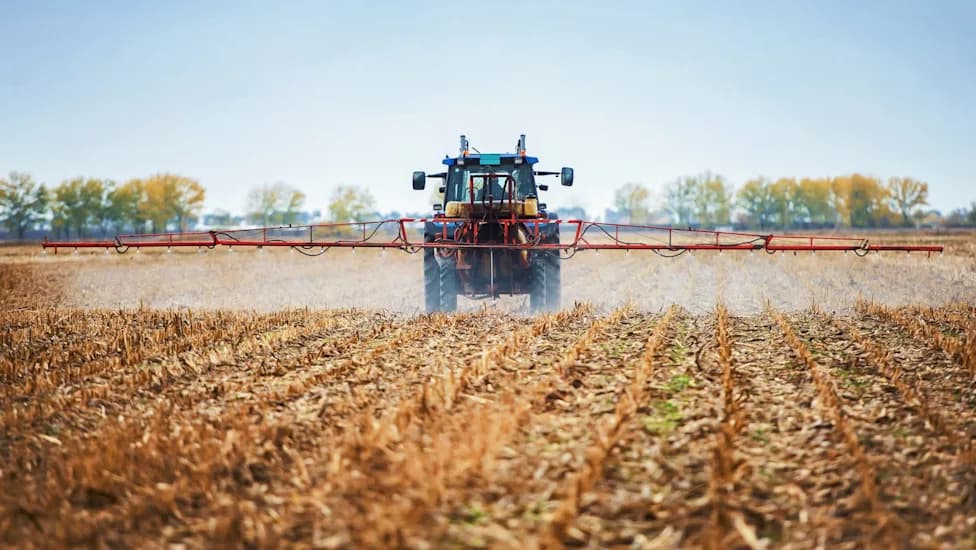
Photo Credit: iStock
California's effort to curb 'forever chemicals' in agriculture lost its teeth after intense industry lobbying, critics say. A.B. 1603 — a bill intended to limit the use of PFAS in pesticides and improve transparency — reached Governor Gavin Newsom in a much narrower form than its authors originally proposed, according to reporting from Inside Climate News.
Background
Earlier drafts of A.B. 1603 proposed broad restrictions: banning new PFAS-containing pesticides beginning in 2028 and prohibiting sales by 2030 of 23 PFAS pesticide products already banned in Denmark. PFAS (per- and polyfluoroalkyl substances) are widely described as "forever chemicals" because they persist in the environment and resist breakdown.
Lobbying and Political Pressure
Assemblymember Nick Schultz of Burbank said the final bill that reached the governor was "a shell of what we set out to do," lamenting a missed opportunity for California to lead on the issue. Inside Climate News reported that industry groups spent nearly $900,000 lobbying California officials on A.B. 1603 and related matters between January and June. Disclosure records cited by the outlet also show lobbyists provided more than $1,000 in food gifts (pistachios, strawberries and fruit boxes) to legislators and covered a steak dinner that cost roughly $300 per person.
Health and Environmental Concerns
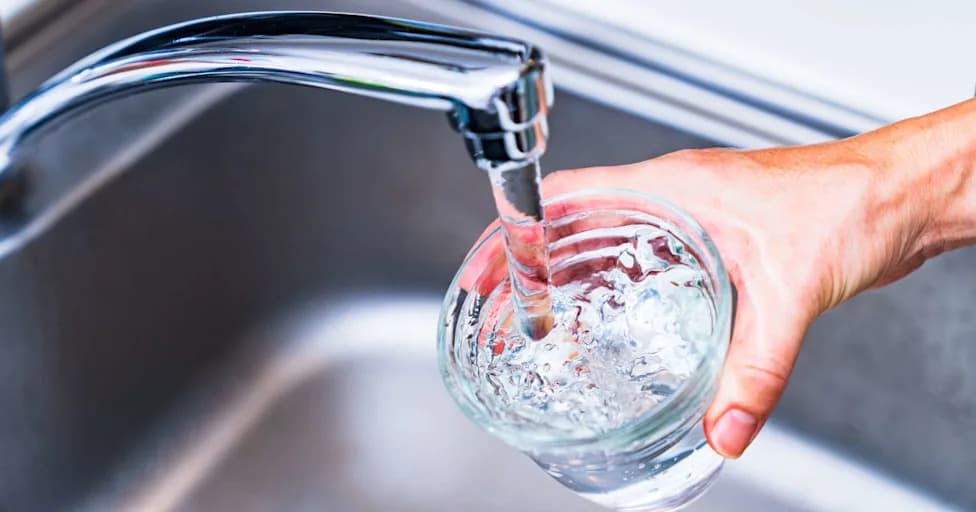
Exposure to PFAS has been associated with a range of health harms, including cancer, immune suppression, hormone disruption, reduced fertility, obesity and neurodevelopmental problems. Studies have linked PFAS-contaminated drinking water to higher rates of several cancers. Inside Climate News reported that 79% of 150 California public water systems sampled in 2022 had detectable PFAS contamination.
Scale of Use in California
California growers applied more than 14.2 million pounds of PFAS-containing pesticide products to crops between 2018 and 2023—an average of over 2.3 million pounds per year. Another 1.9 million pounds were applied in non-agricultural settings such as roadside green strips and golf courses. In California's $2.7 billion almond industry alone growers used more than 734,000 pounds of PFAS pesticides, including bifenthrin and oxyfluorfen, which the U.S. Environmental Protection Agency classifies as possible human carcinogens.
What Remains of the Bill
Although much of the original language was pared back, the surviving measure could still improve transparency. Susan Little, legislative director for the Environmental Working Group in California, told Inside Climate News the bill is "an important first step" because it would require regulators to track PFAS pesticide use and provide growers, local officials and the public with better information about what is being sprayed.
Industry groups framed their opposition around product-level, risk-based evaluation. Erich Shea of the American Chemistry Council said the council "supports risk-based approaches that evaluate pesticides individually and makes regulatory decisions based on scientific evidence and actual product data." Amanda Russell of the Almond Alliance expressed concern about imposing broad restrictions through legislation instead of allowing California's Department of Pesticide Regulation to assess products based on "science, exposure, risk and actual use."
Broader Context
Schultz pointed to Maine and Minnesota as states that have already taken steps to restrict PFAS in pesticides. California's debate is part of a wider international movement to address PFAS contamination, limit harmful agricultural chemicals and reduce everyday exposure. Related debates include municipal and state actions on contaminated water, proposed bans on certain pesticides in other countries, and efforts to restrict PFAS in biosolid fertilizers.
Bottom line: The final A.B. 1603 is substantially weaker than its initial drafts, but it could still increase transparency and lay groundwork for stronger action if regulators and advocates use the tracking data to inform future restrictions.
Help us improve.