Researchers studying 20 solar farms in Southern France found that flowers beneath panels received 76%–86% fewer visits from bees and butterflies compared with plants away from arrays. Persistent shade and cooler microclimates under panels, reduced pollen and nectar production, physical barriers to butterfly movement, and altered soil moisture likely drive the decline. The study calls for species-level behavioral research to guide evidence-based management so expanding solar parks do not cause a net loss in pollinator biodiversity.
Solar Farms in Southern France Dramatically Reduce Bee and Butterfly Visits, Study Finds
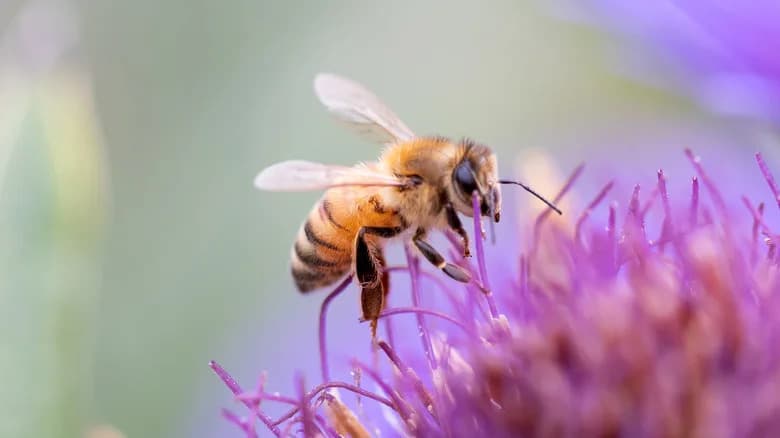
Emilynorton/Getty Images
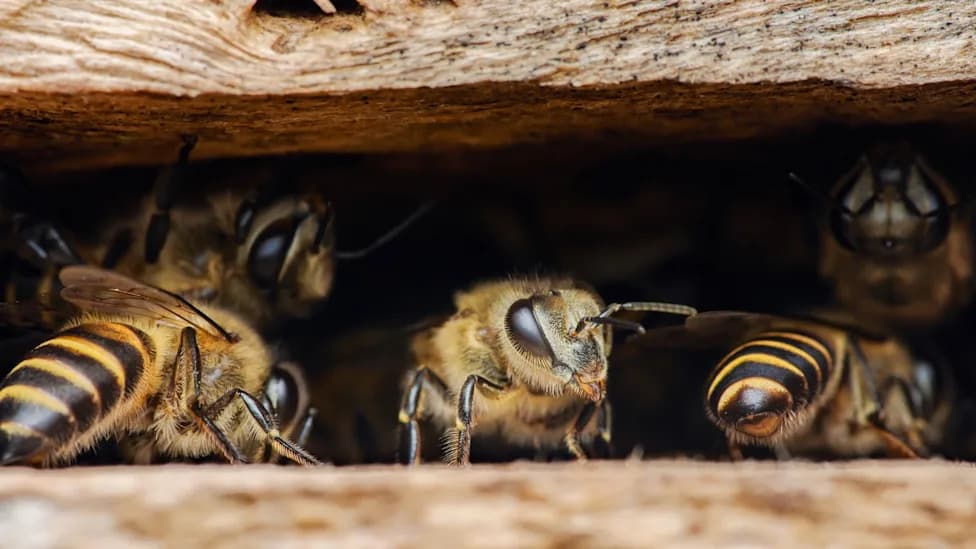
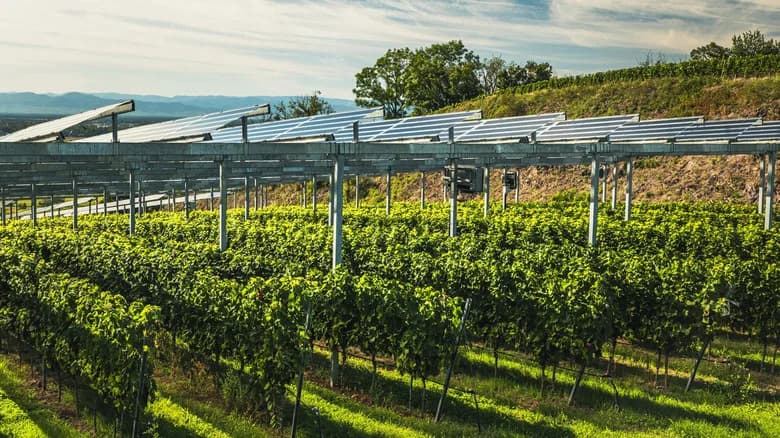
Solar farms provide clean, reliable energy—and they also reshape the landscapes that host them. A 2025 study published in Biological Conservation examined how solar arrays affect pollinators and flowering plants at 20 solar farms in Southern France and revealed a steep decline in pollinator visits beneath panels.
The researchers found that plants growing directly under panels received 76%–86% fewer pollinator visits than comparable plants away from the arrays. Visits to flowers in the inter-row spaces between panels were reduced as well, but less dramatically.
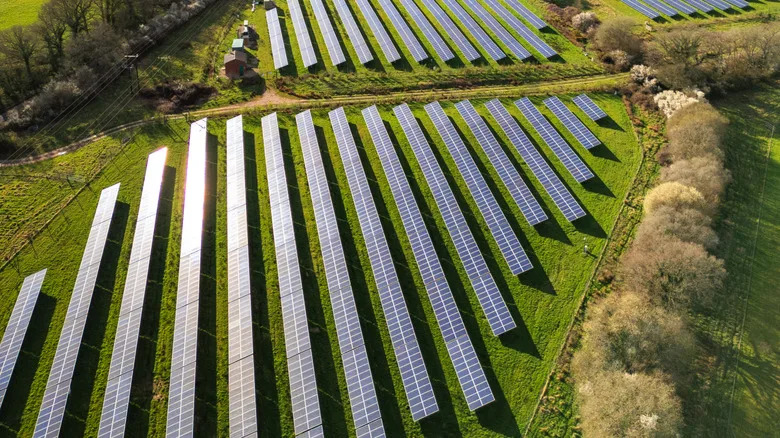
Coldsnowstorm/Getty Images
Why Visits Fall Under Panels
Several intertwined mechanisms appear to explain the pattern.
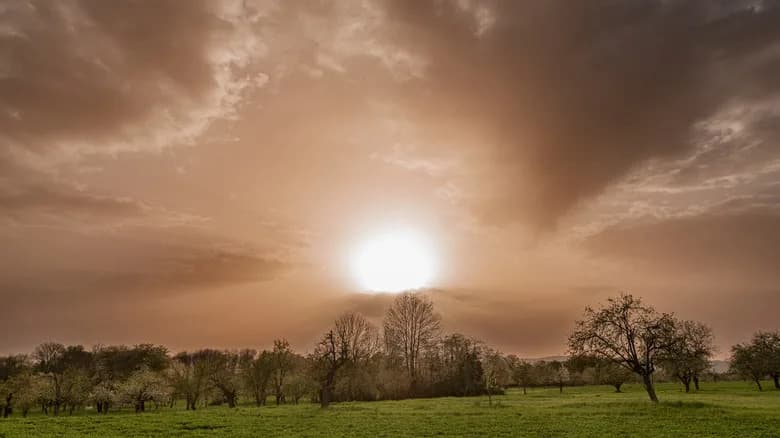
- Shade and Cooler Microclimates: Panels cast persistent shade and lower ground-level temperatures, and many pollinators avoid shadier, cooler microhabitats.
- Weaker Floral Rewards: Plants in prolonged shade often produce less pollen and nectar, making them less attractive to bees and butterflies.
- Movement Barriers: Arrays can function as partial physical barriers, especially for butterflies that are sensitive to structural changes in the landscape.
- Soil Moisture Changes: Altered moisture regimes under arrays may reduce plant vigor and reproductive resources, further lowering floral appeal.
Importantly, the authors note that while interactions between pollinators and flowers beneath panels dropped sharply, the overall regional abundance of pollinating insects did not decline by the same magnitude—suggesting pollinators were present but avoiding the shaded microhabitats.
Sally Hunter/Shutterstock
Surprising Management Findings
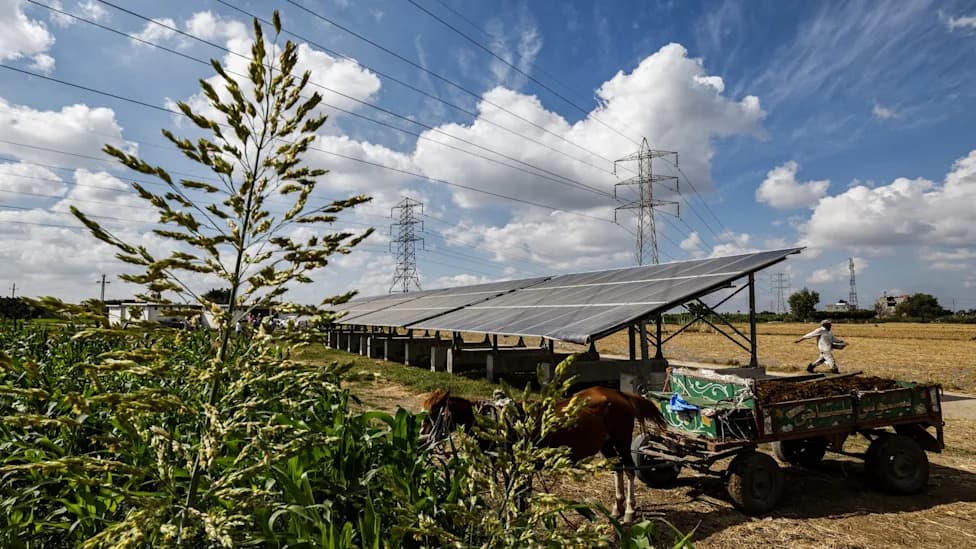
Some results ran counter to expectations. For example, using grazing animals to manage vegetation under panels reduced pollinator abundance more than mechanical mowing did. That outcome highlights how even well-meaning management choices can have unexpected ecological consequences.
"Without species-level behavioral data, we risk adopting mitigation practices that don’t help—or that make things worse," the researchers caution.
What Comes Next
The team calls for detailed, species-specific studies of pollinator movement and foraging behavior around solar installations. Such data would help designers and land managers test evidence-based mitigation measures—like adjusting panel spacing and height, creating sunny flower-rich corridors, timing vegetation management, and monitoring floral rewards—so solar parks can produce energy without unintentionally harming pollination services.
With Europe planning continued solar expansion, the study warns that new parks could diminish pollinator activity locally unless planners and operators build pollinator-friendly design and management into projects from the start.
Note: These findings are site-specific and focused on Southern France; outcomes may vary with climate, vegetation type, panel design, and management practices.
Help us improve.