As AI data centers expand, experts warn the growth could aggravate the global e‑waste crisis unless those who handle discarded electronics are included in solutions. United Nations University researchers estimate AI infrastructure turnover could generate about 2.5 million metric tons of waste annually, while overall e‑waste may reach 82 million metric tons by 2030. Tech firms are exploring circularity, but advocates like Solomon Njoroge say a just transition must protect and formalize the rights of waste pickers.
Kenyan Waste Picker Warns AI Data Center Boom Could Deepen E‑Waste Crisis, Calls For 'Just Transition'
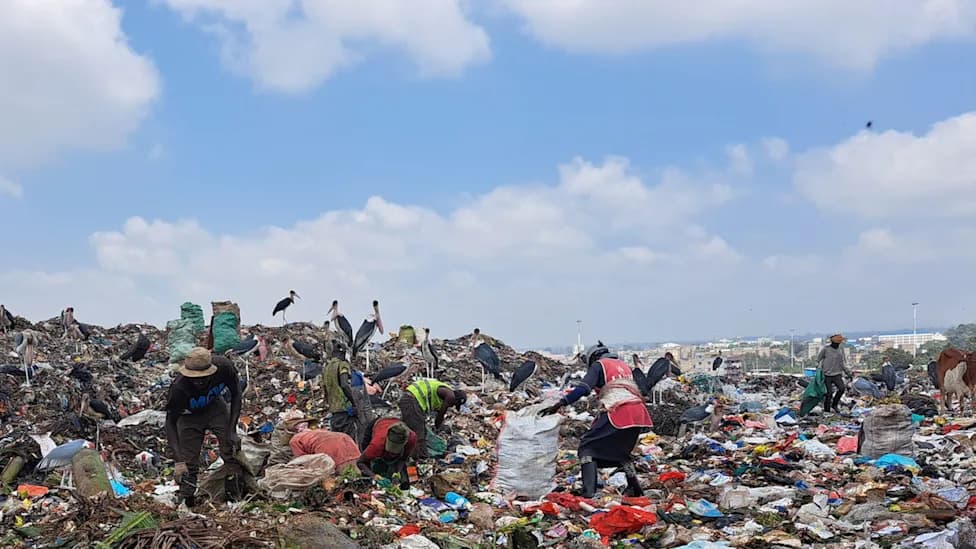
Photo Credit: iStock
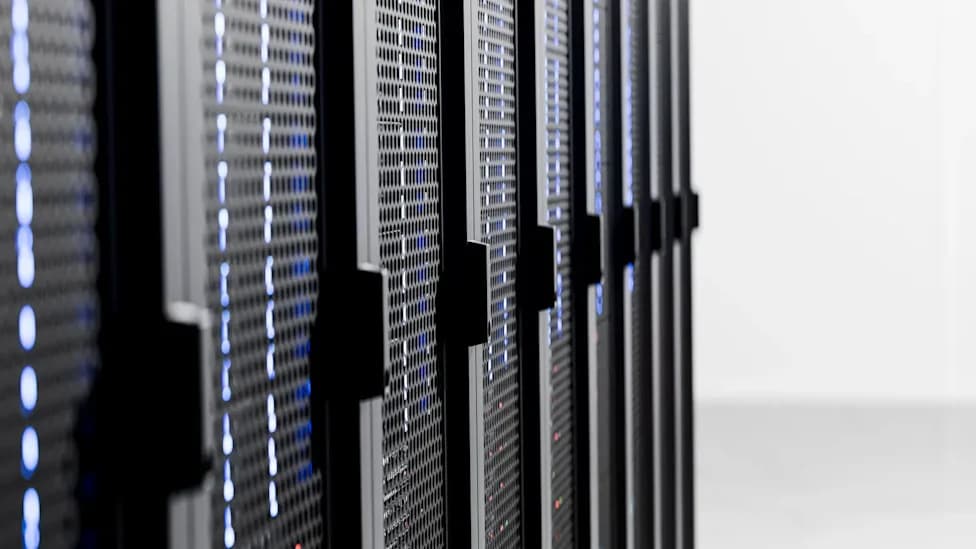
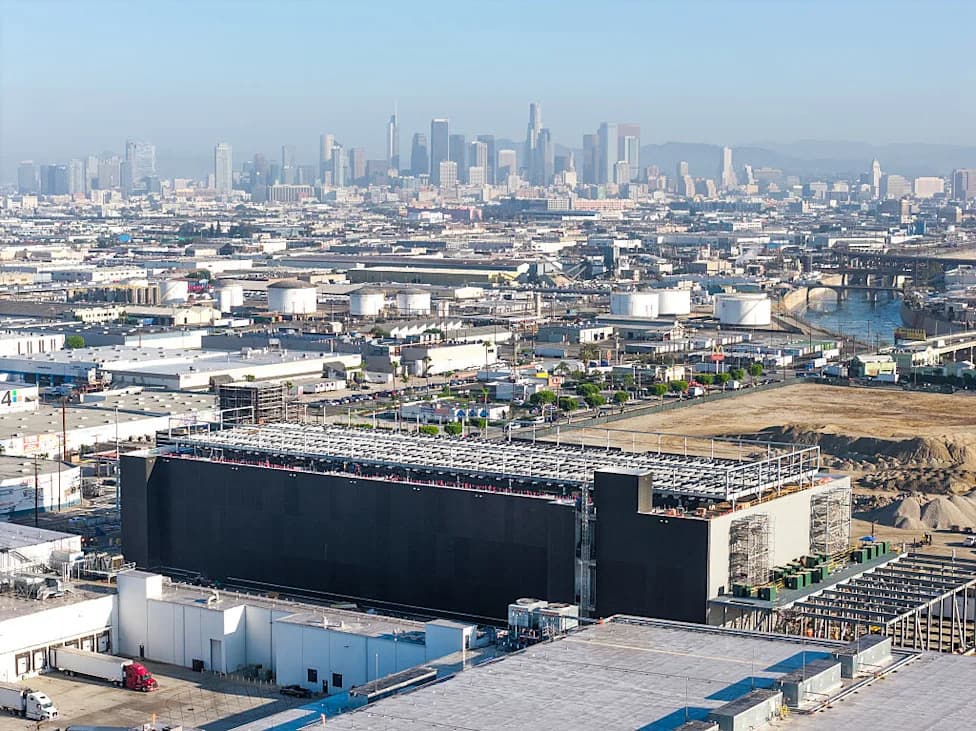
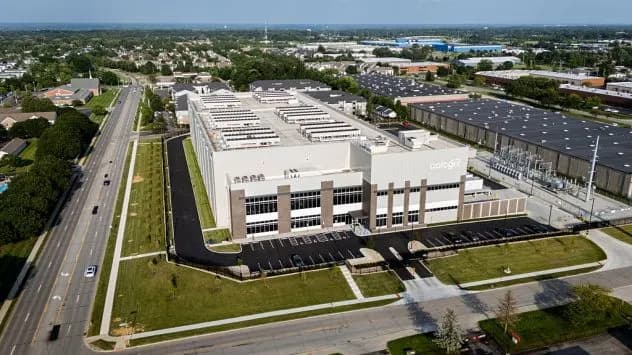
The rapid buildout of artificial intelligence data centers is often framed as a story of innovation and economic growth. For communities living amid the world's discarded electronics, however, the surge looks more like a warning — one that risks amplifying a growing toxic waste problem unless people on the front lines are included in solutions.
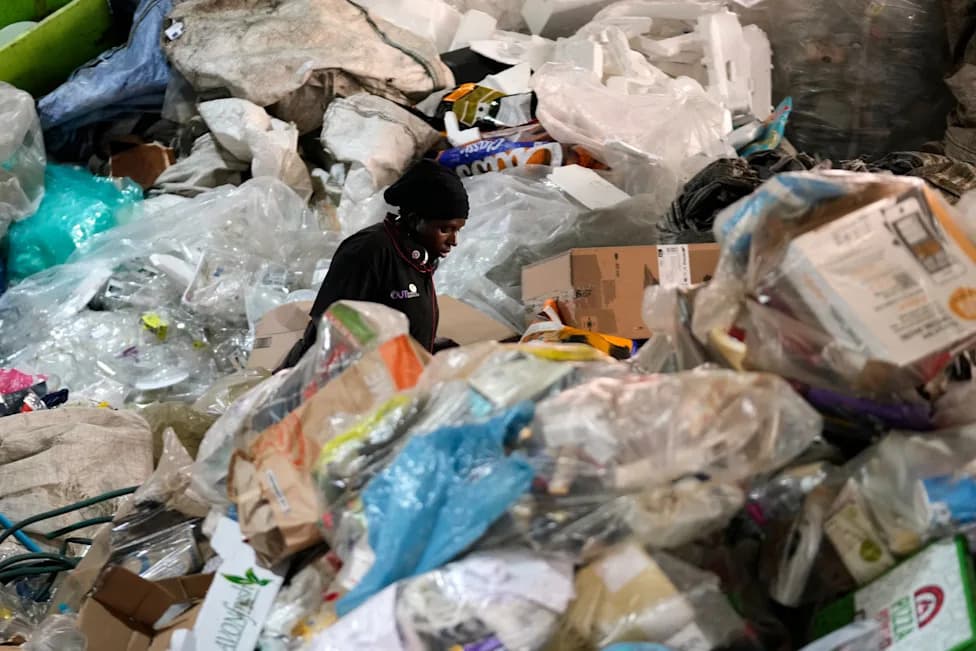
Solomon Njoroge, a former waste picker who grew up working at Nairobi's Dandora dumpsite, says the people who handle e‑waste should have a voice as global tech infrastructure expands. He and other residents report serious health harms linked to improper handling of discarded electronics, including asthma, miscarriages and cancers.
How Big Is the Problem?
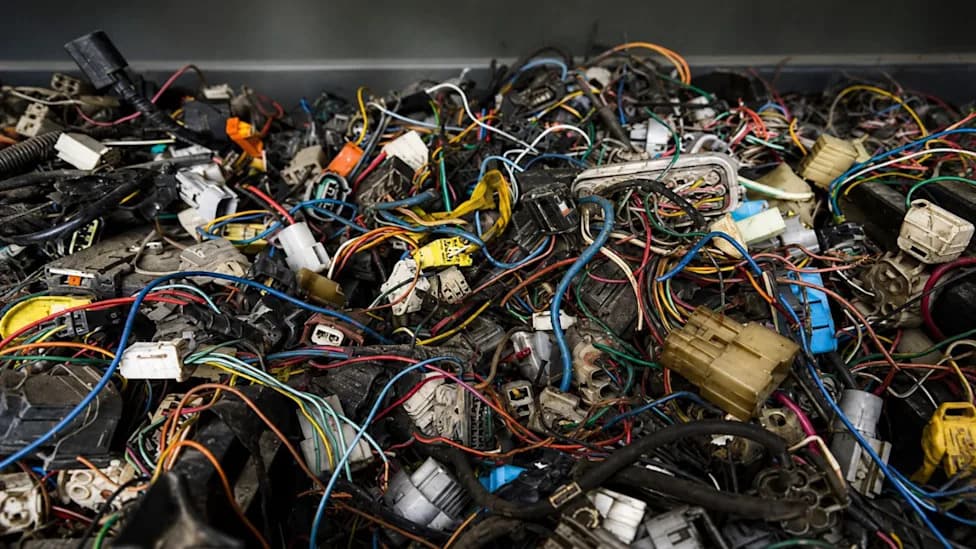
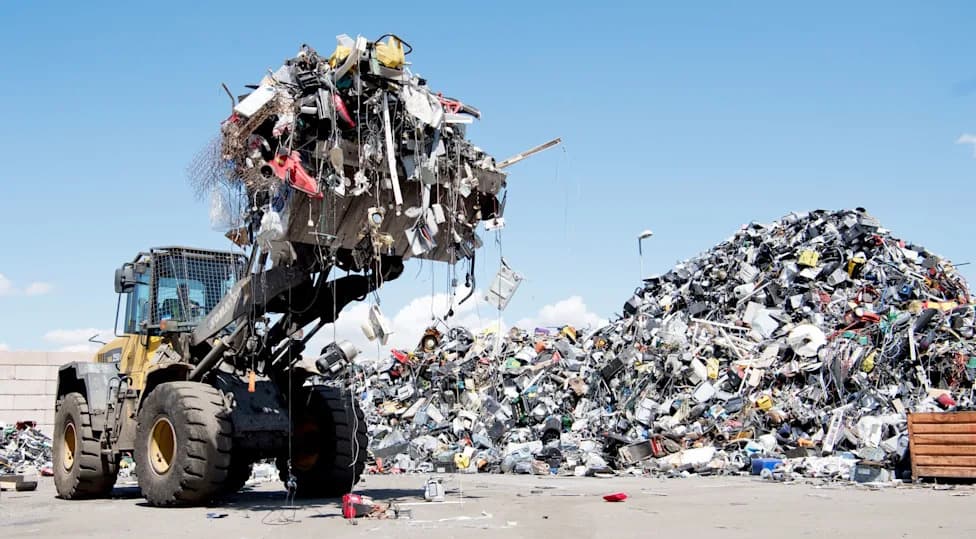
E‑waste is the fastest‑growing waste stream globally, with annual volumes projected to reach about 82 million metric tons (90.4 million tons) by 2030. A June estimate from United Nations University researchers found that replacing AI hardware — chips, servers, storage devices, cables and networking equipment — could produce roughly 2.5 million metric tons (2.8 million tons) of waste each year — roughly the volume of 250 Eiffel Towers of equipment.
Health and Environmental Risks
Improperly discarded electronics can release hazardous substances such as arsenic, lead, cadmium and mercury. When devices are dumped, burned, shredded or left to decay, those toxins can contaminate soil, waterways and the air, entering ecosystems and food chains with long‑term consequences for human and environmental health.
“Inasmuch as we are working for development or greatness to change the world… [hyperscalers] should also consider that there are people somewhere, suffering from what they are calling greatness,”
— Solomon Njoroge, former waste picker at Dandora
Policy Responses and Industry Moves
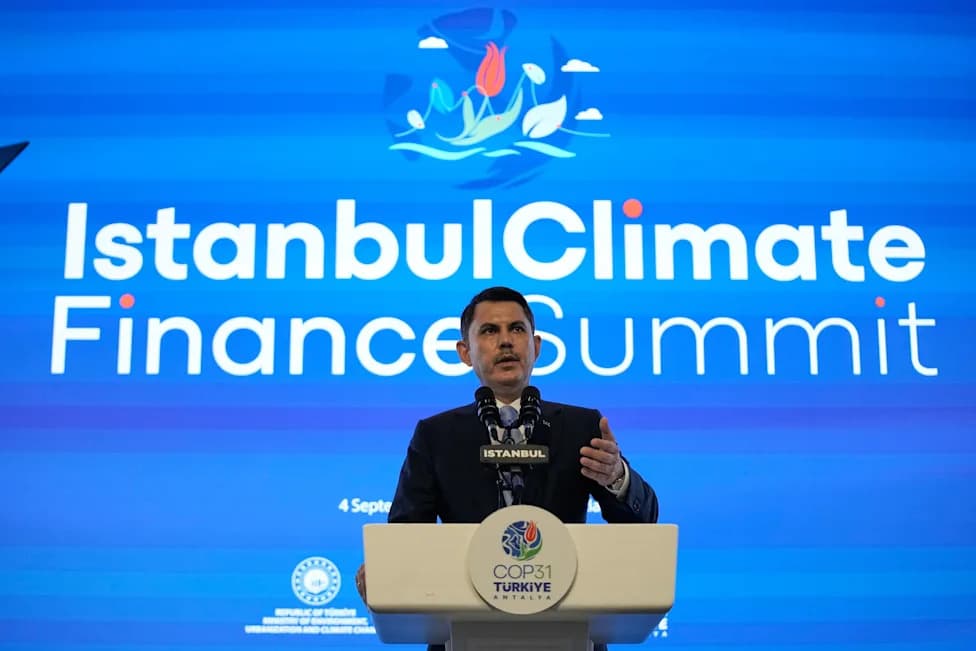
Golestan (Sally) Radwan, chief digital officer at the U.N. Environment Programme, says current AI development incentives — scale, speed and rapid turnover — are increasing hardware churn and environmental risk. In December, the United Nations adopted a resolution originally proposed by Kenya urging sustainable AI development and the sharing of environmental data to better assess these impacts.
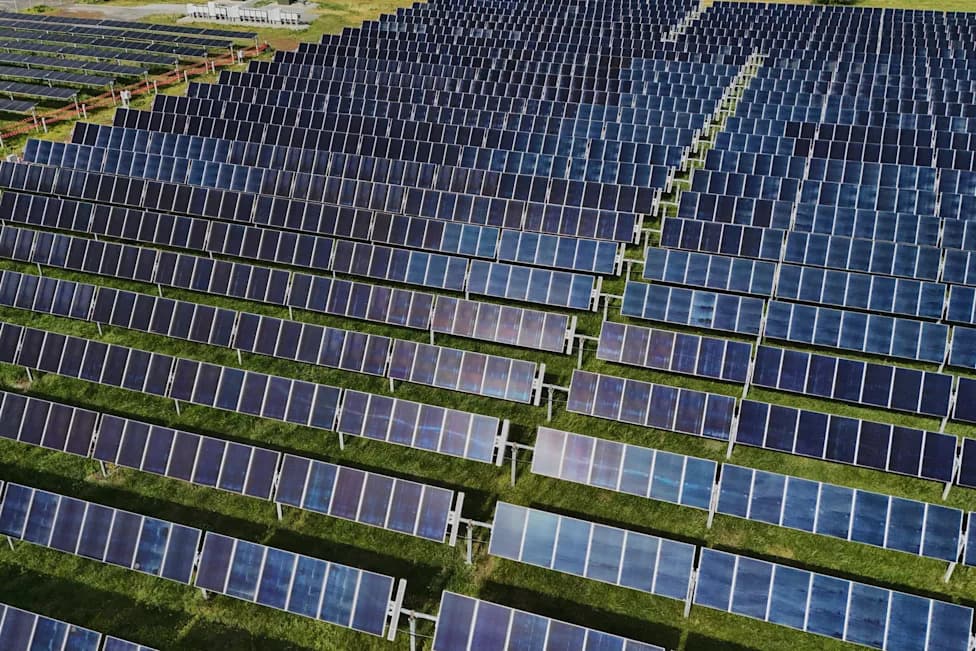
Some companies are embracing circularity — extending the life of hardware through repair, refurbishment, resale and recycling. Microsoft has established Circular Centers to manage decommissioned equipment, and Google reported recovering about 8.8 million hardware components in 2024 for reuse or resale. New startups are also designing safer disassembly tools and processes to recover valuable materials while reducing exposure to hazardous conditions.
Why Inclusion Matters
Experts emphasize that recovering materials from e‑waste is valuable environmental work. “Waste pickers are recovering precious materials that otherwise we'd have to go and mine fresh out of the ground,” said Richard Neitzel, professor of environmental health sciences and global public health at the University of Michigan.
Njoroge and other advocates argue that policies focused on AI's environmental footprint must include the people who currently bear its toxic consequences. Their call is for a just transition: formal recognition, safer workplaces, training, fair wages and participation in policymaking so the benefits of circularity and AI growth are shared equitably.
The debate around AI and e‑waste underscores a broader challenge: decoupling technological progress from environmental and social harm. Without inclusive policy and industry practices that prioritize circular design and worker protection, the AI era risks deepening existing environmental injustices.
Help us improve.