Several U.S. states are legalizing plug-in or "balcony" solar systems that let compact arrays feed power through a standard home outlet. Utah led the way last year and 10 more states have passed similar laws recently, creating momentum for a lower-cost clean-energy option for renters and others without rooftop access. Key hurdles remain—UL testing, differing electrical standards, and National Electrical Code limits—but companies adapting European systems and potential 2029 code changes could expand access and lower costs.
Plug-In (Balcony) Solar Gains Momentum: Utah Led the Way, 10 More States Follow
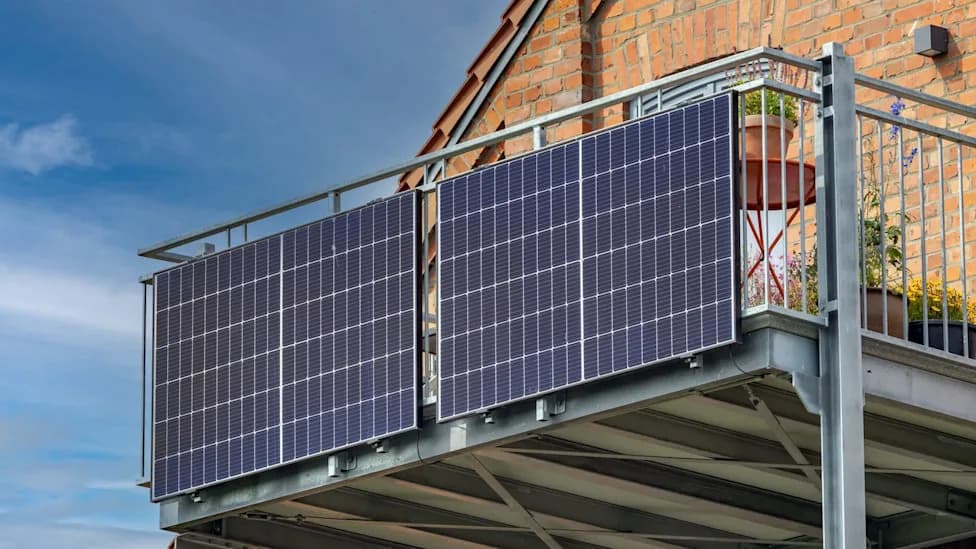
Photo Credit: iStock
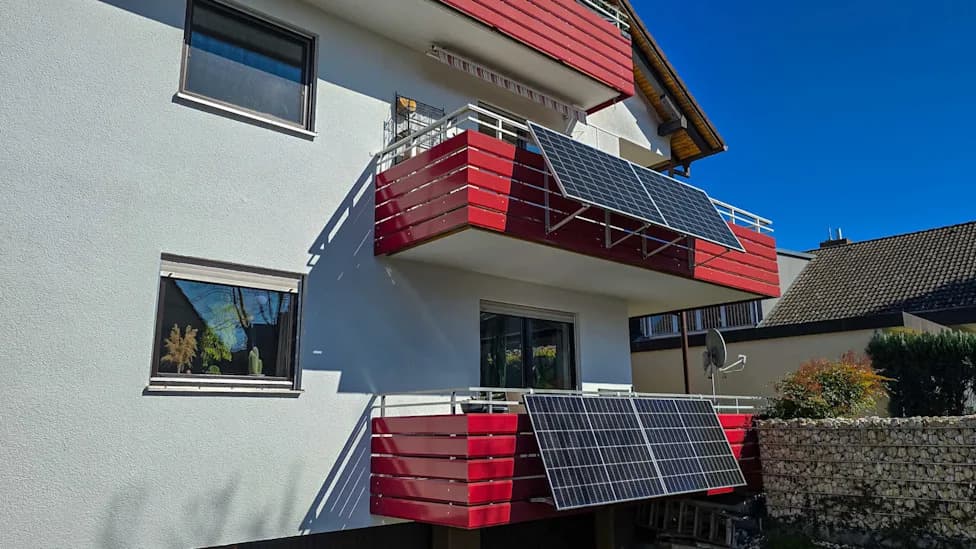
State lawmakers across the U.S. are opening a new path to small-scale solar by legalizing so-called plug-in or "balcony" systems that feed power through a standard household outlet. These compact arrays give renters, apartment dwellers and budget-conscious households a lower-cost way to cut utility bills without waiting for a rooftop installation.
How Plug-In Solar Works
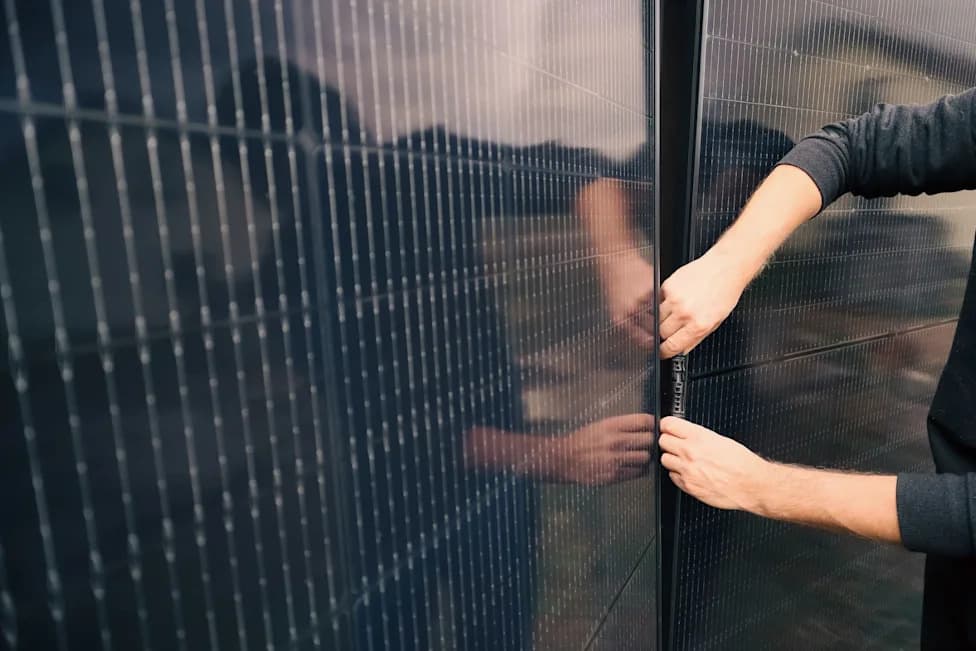
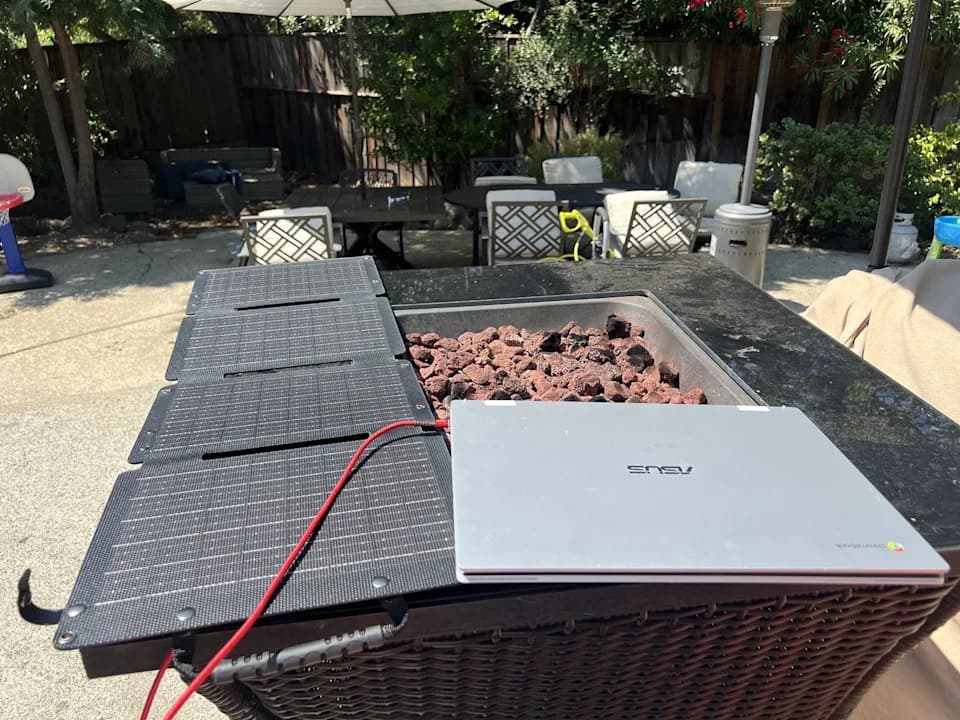
Plug-in solar typically consists of a handful of compact panels placed in direct sun that send their output into a home through an ordinary outlet. The systems are designed to offset some household electricity use rather than fully replace a rooftop array. Because they are simple to deploy, they can expand access to clean energy for people who otherwise lack options.
Policy Momentum
Utah was the first state to change rules last year, and reporting from Canary Media shows 10 additional states have passed similar laws recently. Those state-level changes, combined with evolving product approvals, could make plug-in solar a realistic choice for many more U.S. households.
“We unfortunately can't take one of those systems from Germany and bring them here and plug it into the wall, because we just have a different electrical system,”
—Cora Stryker, co-founder, Bright Saver
Large numbers of comparable systems are already in use overseas—especially in Germany, where installations number in the millions—but U.S. adoption has been limited by differing electrical standards and product approvals. Companies that understand the European market are modifying products to meet U.S. grid rules, which may accelerate adoption.
Product And Code Hurdles
There are still regulatory and technical barriers. UL Solutions only began evaluating complete plug-in systems in January, and as of the latest reporting no finished systems had earned full certification. Meanwhile, revisions to the National Electrical Code expected in the 2029 update could broaden access nationwide.
Some installations require an electrician to add a separate circuit. For systems that remain on standard household circuits, manufacturers offer power meters or throttling devices that reduce solar output when other loads are detected to help keep setups within code limits.
Costs, Competition, And Additional Benefits
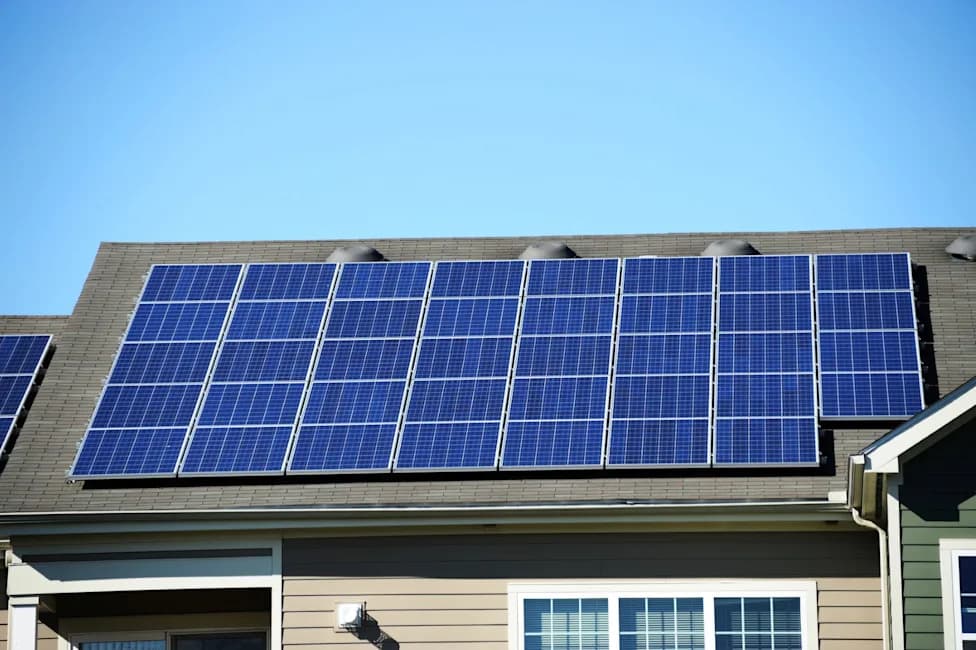
For homeowners who can install traditional rooftop panels, rooftop systems typically remain the most cost-effective long-term option. Independent marketplaces and tools can help buyers compare quotes and estimate savings—some resources suggest typical buyers may save substantially (with savings varying by location and system size).
Adding battery storage to any solar setup increases resilience during outages and can improve overall savings. Greater competition from large European manufacturers entering the U.S. market could help bring prices down over time.
As states update rules and product certification moves forward, plug-in solar could become a practical, lower-cost entry point to clean energy for many Americans who today have limited access.
Help us improve.