Most U.S. community solar growth in Q2 2026 was concentrated in a few states with strong programs rather than spread nationwide. New Jersey, New York, and Oregon each exceeded 1% quarter-over-quarter capacity growth for three straight quarters; New York added 202 MW (7%) in Q2 and accelerated growth. Roughly 91% of community solar capacity sits in 10 states, and only 18 states plus D.C. currently allow programs. Interconnection delays, regulatory uncertainty, and weak bill-credit designs are key barriers to broader expansion.
New York Leads as U.S. Community Solar Growth Remains Concentrated in States With Strong Rules
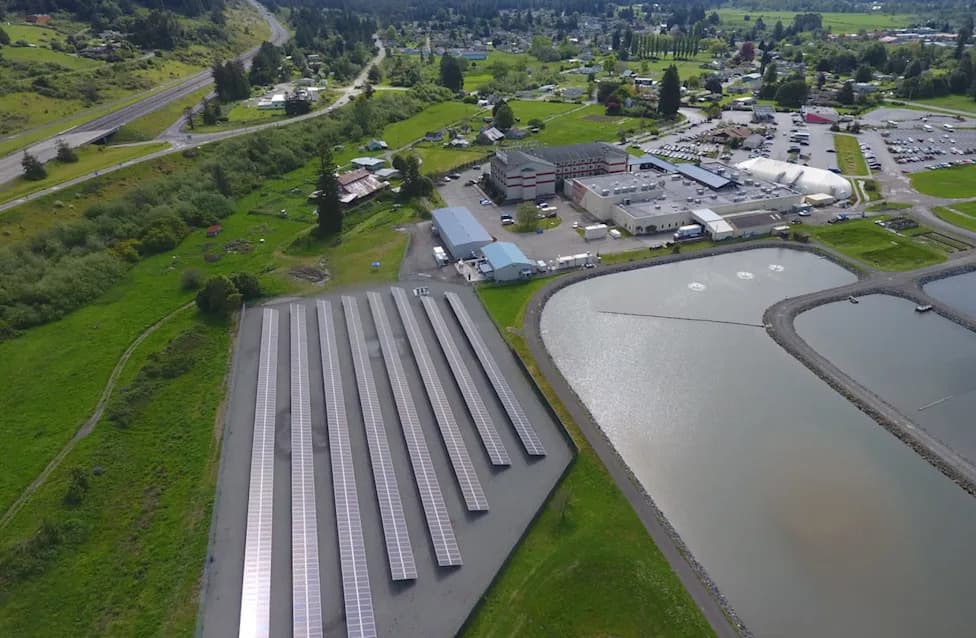
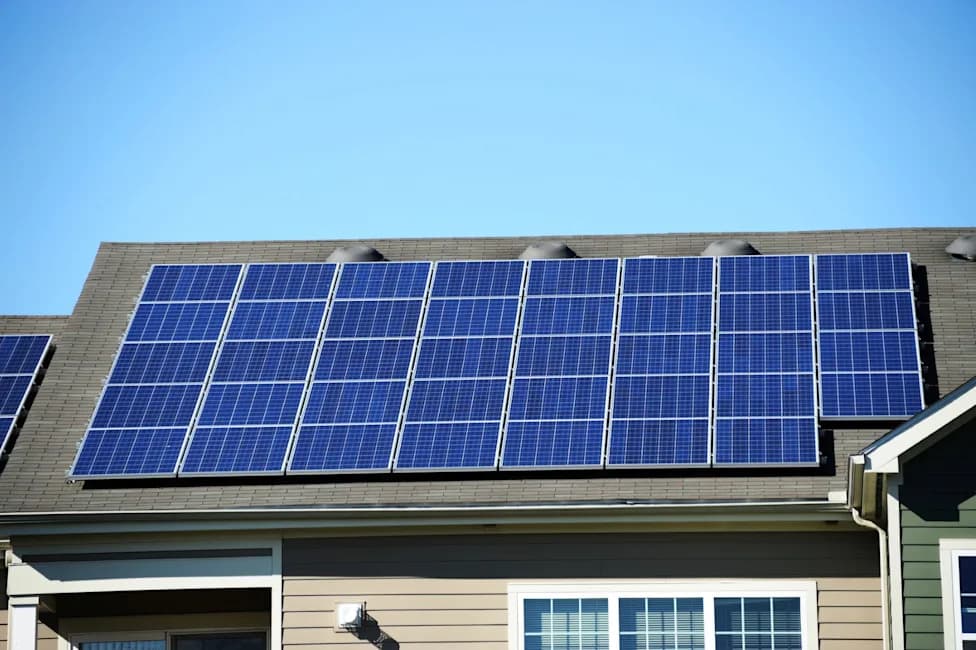
Photo Credit: REC Solar
Community solar is growing in the United States, but most of that momentum is concentrated in a small group of states with supportive policies and clear program rules.
Community solar lets households subscribe to a shared photovoltaic project and receive bill credits, making it a valuable option for renters and for homeowners whose roofs are shaded or otherwise unsuitable for rooftop panels. For homeowners who can install panels, rooftop systems remain an effective way to reduce energy costs; for many others, community solar is the best practical alternative.
Where Growth Is Happening
A recent snapshot of the non-utility community solar market shows that second-quarter 2026 growth was not evenly distributed. Only New Jersey, New York, and Oregon posted quarter-over-quarter capacity increases above 1% for three consecutive quarters. New York was the clear outlier, adding 202 megawatts of community solar capacity in Q2 2026 — a 7% increase — and the only state that accelerated growth compared with Q1.
Data from the National Renewable Energy Laboratory suggest that about 91% of U.S. community solar capacity is concentrated in just 10 states, and the Institute for Local Self-Reliance reports that only 18 states plus Washington, D.C., currently authorize community solar programs. That concentration means many households nationwide still lack practical access to community solar savings.
Barriers And Policy Drivers
Where community solar has lagged, development is often constrained by several recurring issues:
- Interconnection queues: Backlogs and technical requirements delay project hookups to the grid.
- Regulatory delays: Slow rulemaking or inconsistent policies create uncertainty for developers.
- Weak bill-credit structures: Poorly designed compensation can limit savings for subscribers.
Strong, stable program rules and clear pipelines for projects help states expand access to lower-cost clean energy. When policies are weak or unreliable, renters and low-income families are most likely to miss out on benefits.
Who Benefits And Tools To Compare Options
In the states that support community solar, many households can subscribe and reduce their power bills; others may still find rooftop solar or a combined rooftop-plus-battery approach more economical. EnergySage and similar services offer free tools, including state-by-state solar maps and installation estimates, to help homeowners compare options and incentives. These tools note potential installation savings (commonly cited up to about $10,000 depending on system size and local incentives) and provide information on battery backups that can increase resilience and long-term savings.
As expansion concentrates in a subset of states, policy design, permitting practices, and project pipelines will determine how broadly cheaper clean electricity is shared across communities.
Related reporting explores how states are speeding home solar approvals, how leading solar states are reshaping energy markets, and how rapid deployment can test grid capacity in places like Florida. Those stories illustrate why program design matters for making solar savings equitable and widespread.
Help us improve.