A BTG Pactual‑commissioned Nexus poll published July 27 shows President Luiz Inácio Lula da Silva leading Senator Flávio Bolsonaro 47% to 43% in a simulated October runoff. In a first‑round scenario Lula is on 42% to Bolsonaro’s 33%, with Ronaldo Caiado, Renan Santos and Romeu Zema trailing. The survey of 2,004 voters was conducted July 24–26 and carries a margin of error of ±2 percentage points. The small change from a July 13 poll and the margin of error indicate the race remains competitive.
Lula Holds Slim Lead Over Flavio Bolsonaro in BTG/Nexus Poll Ahead of October Runoff
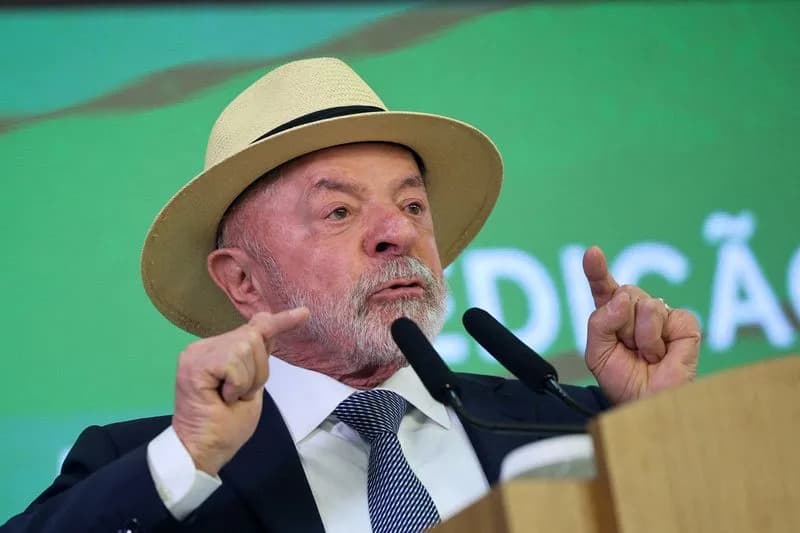
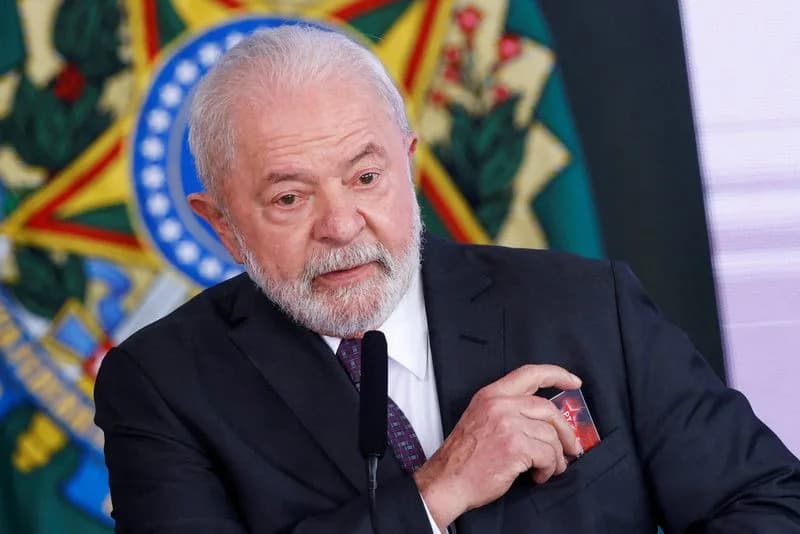
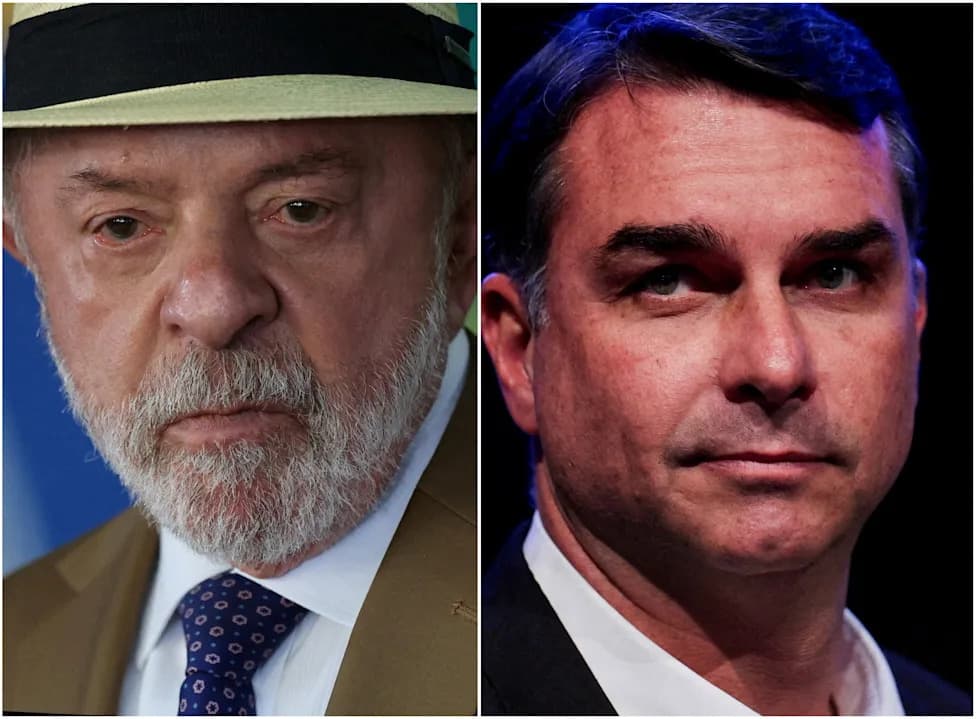
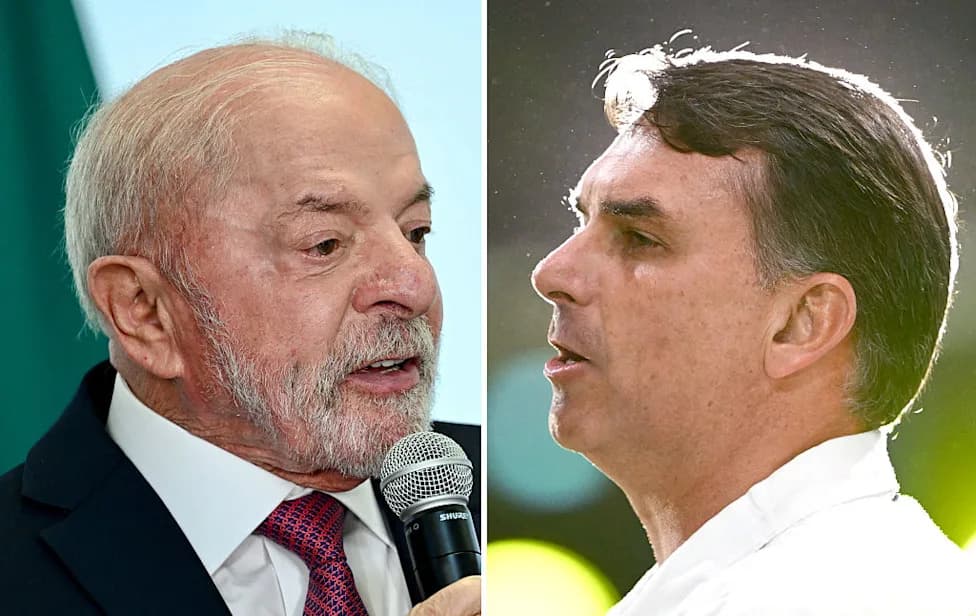
Brazil's President Luiz Inacio Lula da Silva speaks during a ceremony at the Planalto Palace in Brasilia, Brazil, July 22, 2026. REUTERS/Adriano Machado
A BTG Pactual–commissioned Nexus poll published on July 27 shows President Luiz Inácio Lula da Silva leading Senator Flávio Bolsonaro 47% to 43% in a simulated second‑round runoff for October’s presidential election.
The result is little changed from a July 13 poll, which put Lula ahead 47% to 44% — a gap that remains within the poll's margin of error and suggests a competitive contest rather than a decisive advantage.
First‑Round Simulation
In a hypothetical first round, Lula leads with 42% of voter intention, followed by Flávio Bolsonaro at 33%. Governors Ronaldo Caiado, Renan Santos and Romeu Zema register 6%, 5% and 3%, respectively.
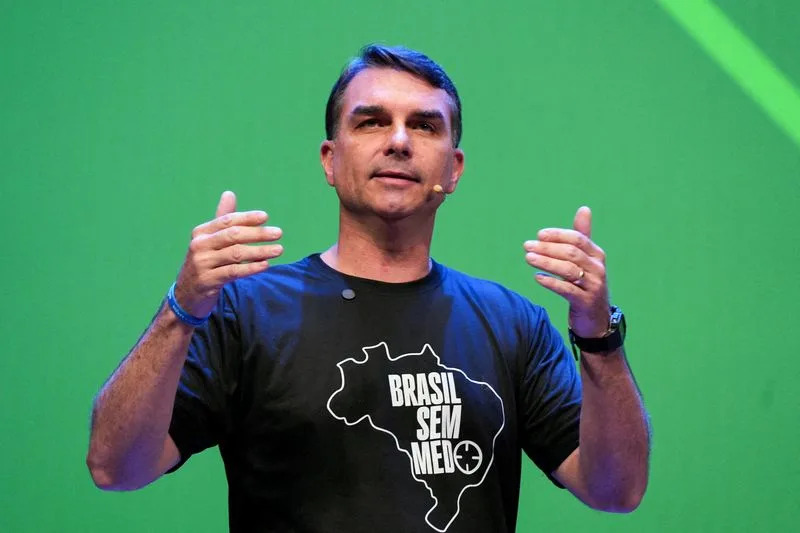
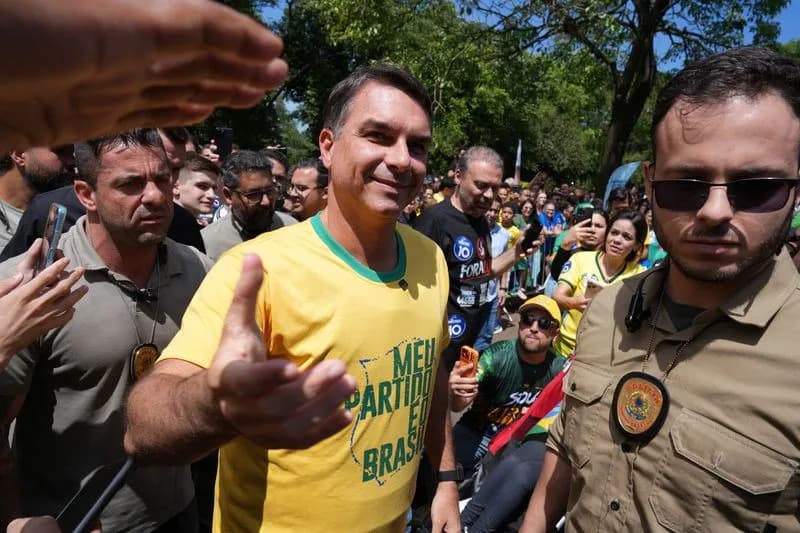
FILE PHOTO: Brazilian Senator Flavio Bolsonaro speaks during an event in Sao Paulo, Brazil, June 18, 2026. REUTERS/Alexandre Meneghini/File Photo
Methodology And Context
Nexus interviewed 2,004 respondents between July 24 and 26. The poll’s margin of error is ±2 percentage points. Under Brazil’s electoral rules, if no candidate wins more than 50% of valid votes in the first round, the top two vote‑getters advance to a runoff.
Because the reported runoff gap (4 points) falls within or near the margin of error, the race should be treated as closely contested: small shifts in turnout or voter preference could change the outcome.
Reporting: Michael Susin in Barcelona; Writing: Gabriel Araujo; Editing: Alex Richardson.
Help us improve.