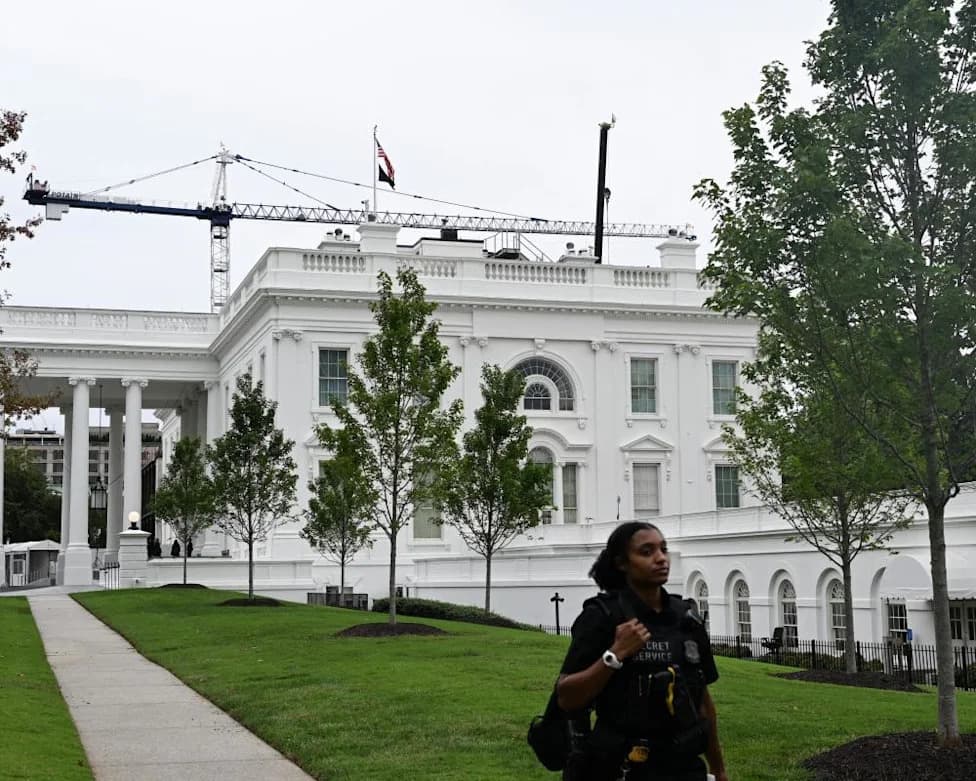
The Iran war has driven fuel prices higher and rippled across global economies, hitting households and small businesses from Manila to Rome. Rising energy costs mean higher operating expenses, slower services and increased financial anxiety, while the UN warns a prolonged energy shock could lift 45 million more people into poverty. These seven vignettes show how distant conflict can quickly reshape daily life.
Days Disrupted: How the Iran War’s Fuel Shock Is Reshaping Daily Life Around the World
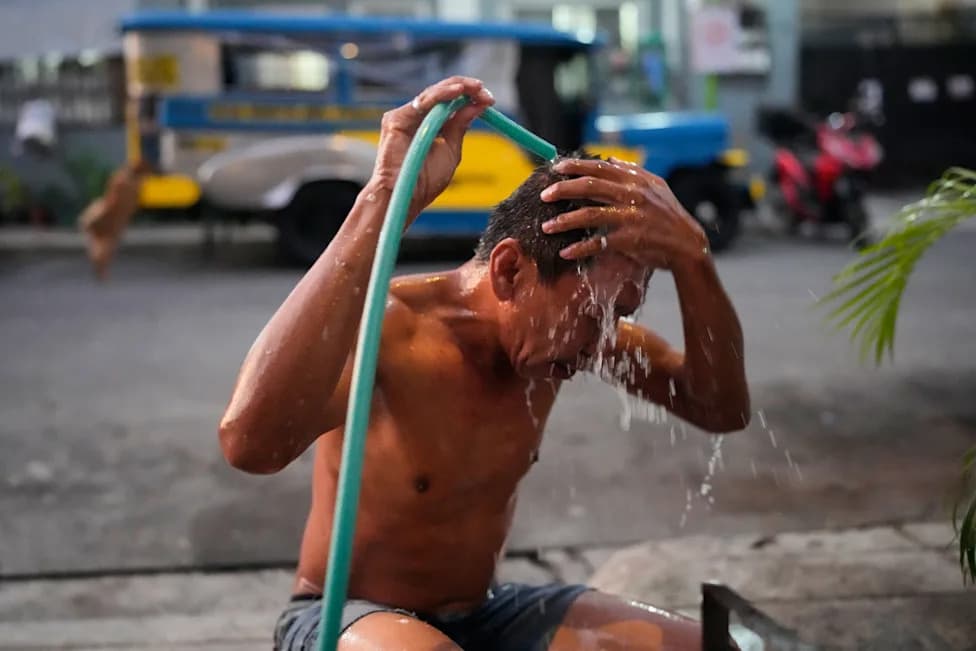
Jeepney driver Edgar Funelas bathes outside along a street near the jeepney where he and his 10-year-old daughter live in Quezon City, Philippines, on Friday April 10, 2026. (AP Photo/Aaron Favila)(AP Photo/Aaron Favila)
HANOI — The conflict in Iran, though distant from most of the people it affects, has rippled through global energy markets and into the routines of ordinary households and small businesses. What began as turbulence in oil markets pushed fuel costs higher and sent shock waves into farms, factories and family budgets. The United Nations Development Programme warns a severe energy shock could push an additional 45 million people into poverty.
For many far from the fighting, the war arrives not as explosions but as the erosion of everyday life: stalled businesses, anxious goodbyes and incomes stretched to the breaking point. Below are seven snapshots from seven countries that show how international conflict can translate into local hardship.
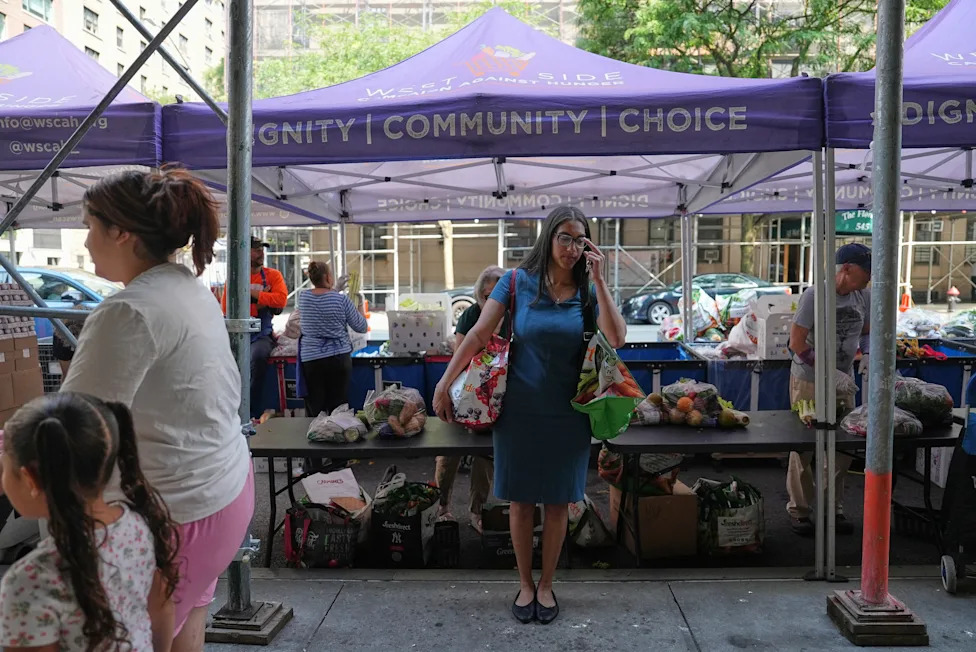
Marlyn Garcia collects food from the West Side Campaign Against Hunger's food distribution center in New York on Tuesday, June 30. (AP Photo/Mary Conlon)(AP Photo/Mary Conlon)
WHO/WHERE: Edgar Funelas, Manila
DAY OF DISRUPTION: April 10
Before dawn, Funelas washes beside his parked jeepney, pouring water from a green pipe while his 10-year-old daughter sleeps inside the minibus that became their home after a fire destroyed their house. Once he could earn about $8 a day driving; now diesel price spikes make running his vehicle unaffordable and he often goes days without income. He stretches resources — using cheaper, harsher soap, sharing the scant food with his daughter and hoping for work as a dispatcher at a nearby terminal.

Oluwatosin Awodunmila, co-owner of a printing business, stands in her dark shop during a brownout in Lagos, Nigeria, on Friday, June 5, 2026. (AP Photo/Sunday Alamba)(AP Photo/Sunday Alamba)
WHO/WHERE: Marlyn Garcia, New York
DAY OF DISRUPTION: June 30
Garcia, 25, leaves a food pantry with staples to feed her family for the week. Higher gasoline prices traceable to global oil disruptions have tightened their budget: her partner lost steady work in March and now takes rideshare shifts, and their shared car is indispensable. Every trip requires planning as fuel costs and long searches for parking eat into time and money. She picks up extra shifts, still hoping to pursue graduate school while keeping two small children fed and cared for.
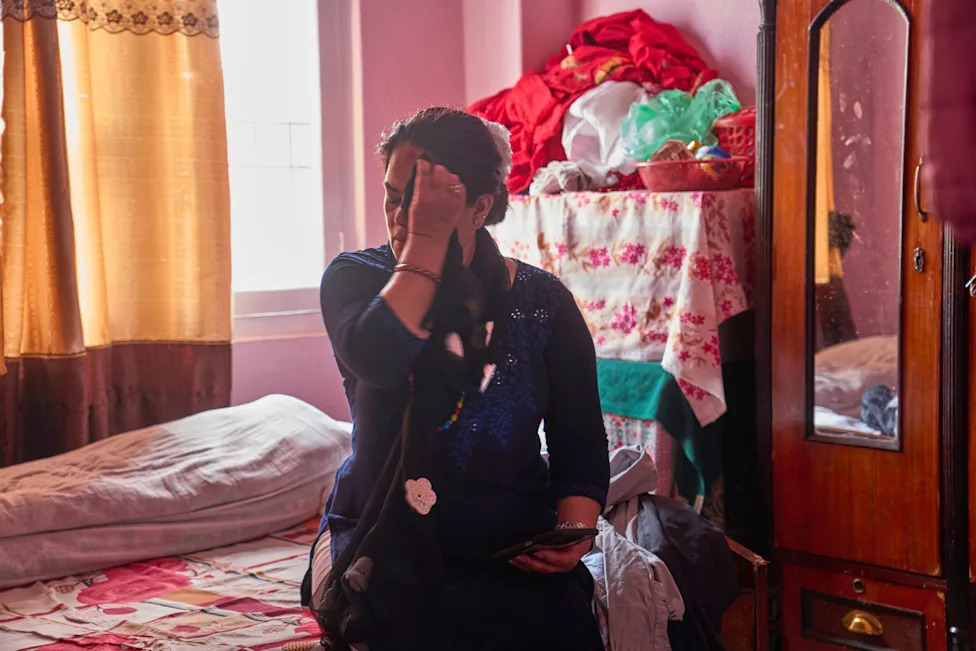
Ganga checks her phone at home in Kathmandu, Nepal, on Tuesday, May 19, 2026, before calling her son to find out whether he has arrived safely in Abu Dhabi, as she sits on his bed. (AP Photo/Niranjan Shrestha)(AP Photo/Niranjan Shrestha)
WHO/WHERE: Oluwatosin Awodunmila, Lagos
DAY OF DISRUPTION: June 5
Awodunmila and her husband run a small printing shop in Somolu. Frequent power outages force them to rely on a generator, but since the war began fuel jumped from roughly 800 naira to 1,400 naira per liter, nearly doubling costs. Running the generator erodes profit margins, so they delay jobs, extend delivery times and try not to raise prices. On days with prolonged outages, generator fuel can consume more than half a day’s expected revenue.
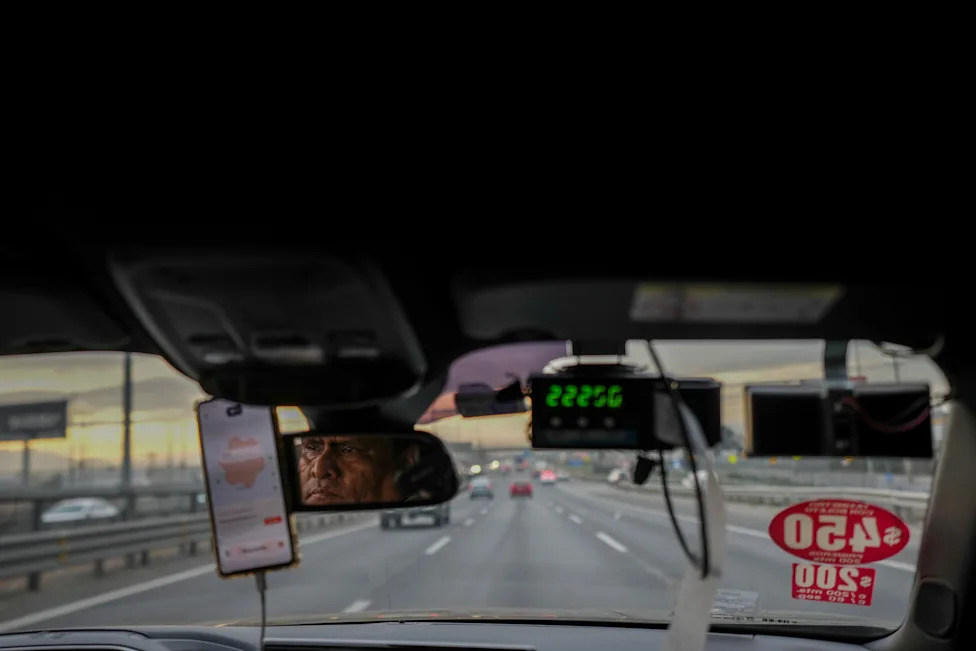
Taxi driver Felipe Molina drives along a street in Santiago, Chile, on Friday, July 10, 2026. (AP Photo/Esteban Felix)(AP Photo/Esteban Felix)
WHO/WHERE: 54-year-old mother, Kathmandu
DAY OF DISRUPTION: May 19
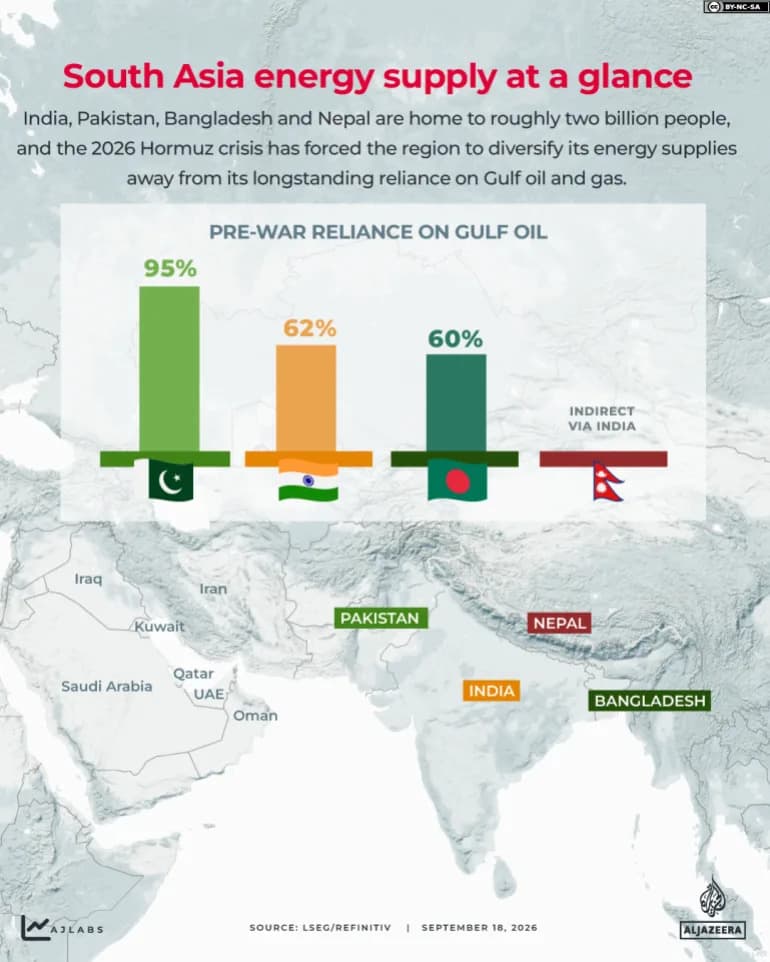
A 54-year-old cleaner in Kathmandu watched her son depart for Abu Dhabi with renewed fear after images of missiles and reports of casualties circulated in the news. Remittances from Gulf countries make up about 10% of Nepal’s GDP, so many families depend on migrant wages. The war has amplified anxiety about safety and earnings for families whose futures rely on work abroad.

Turkish carpet merchant Ali Osman Aykul stands at the entrance of his shop as he waits for clients in Istanbul, Turkey, on Wednesday, June 17, 2026. (AP Photo/Francisco Seco)(AP Photo/Francisco Seco)
WHO/WHERE: Felipe Molina, Santiago
DAY OF DISRUPTION: July 10
Molina, a 50-year-old taxi driver originally from Peru, faces a stark calculation: keep driving and burn costly diesel, or pull off the road and hope for passengers. Chile raised fuel prices sharply in response to global oil movements, and Molina now spends roughly 70% more to fill his tank. Ride-hailing apps undercut traditional taxis with lower fares, and regulated taxi rates limit his ability to raise prices. Government subsidies and support programs have helped some drivers but haven’t erased daily shortfalls.
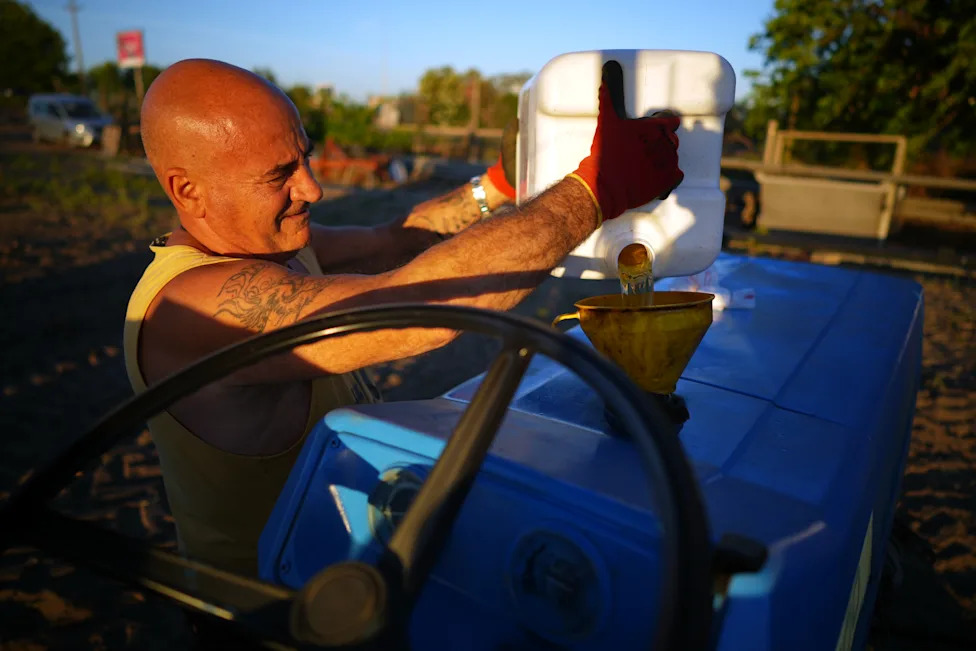
Enzo Garbaglia refuels his tractor while harvesting potatoes on his farm in Fiumicino, Italy, on Friday, June 12, 2026. (AP Photo/Andrew Medichini)(AP Photo/Andrew Medichini)
WHO/WHERE: Ali Osman Aykul, Istanbul
DAY OF DISRUPTION: June 24
Aykul’s carpet shop, once frequented by wealthy collectors — many from the Gulf — went silent almost overnight as airports closed and international buyers stopped coming. Sales plunged by as much as 90% in a matter of days. He has cut personal expenses, sleeps and cooks in the shop, and now waits on visas and travel plans in the hope he can reach customers if they cannot reach him.
WHO/WHERE: Enzo Garbaglia, Fiumicino (Rome)
DAY OF DISRUPTION: June 12
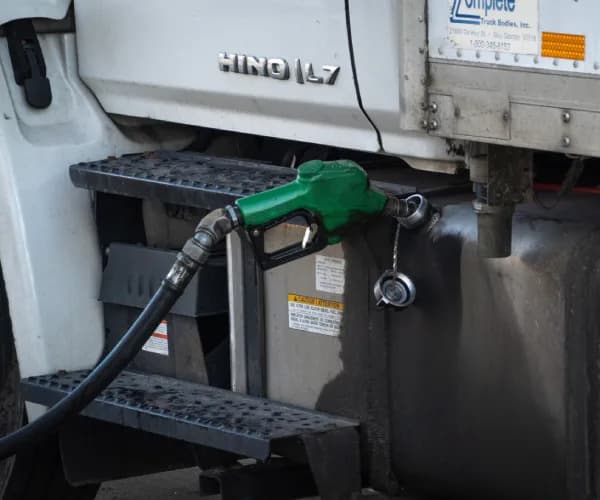
On a 105-year-old family farm outside Rome, Garbaglia buys fuel in much smaller quantities than before. Rising diesel, irrigation and fertilizer costs have narrowed margins, and many customers are buying less. Aging harvest machinery goes unreplaced and his children have opted not to continue the farm. He tends the land out of pride and loyalty, but admits the family business may end with him.
The stories above illustrate how a distant conflict can translate into local economic strain: higher operating costs, disrupted services, falling sales and emotional stress for families reliant on remittances. Policymakers face the dual challenge of stabilizing energy markets while protecting vulnerable households from shocks that can push millions into poverty.
The Associated Press’ climate and environmental reporting receives financial support from multiple private foundations. The AP is solely responsible for all content.
Help us improve.