National Grid and Eversource are piloting vehicle-to-grid (V2G) programs in New England that pay EV owners to let utilities draw power from parked, plugged-in cars during peak demand. Enrollment is currently limited—about 45 vehicles—with applications open through Sept. 30, and typical participants could earn roughly $1,250 per year. Hardware compatibility remains the main barrier, but successful pilots and wider automaker support could reduce reliance on costly peaker plants and lower overall EV ownership costs.
New England Utilities Will Pay EV Owners to Use Parked Cars as Backup Power
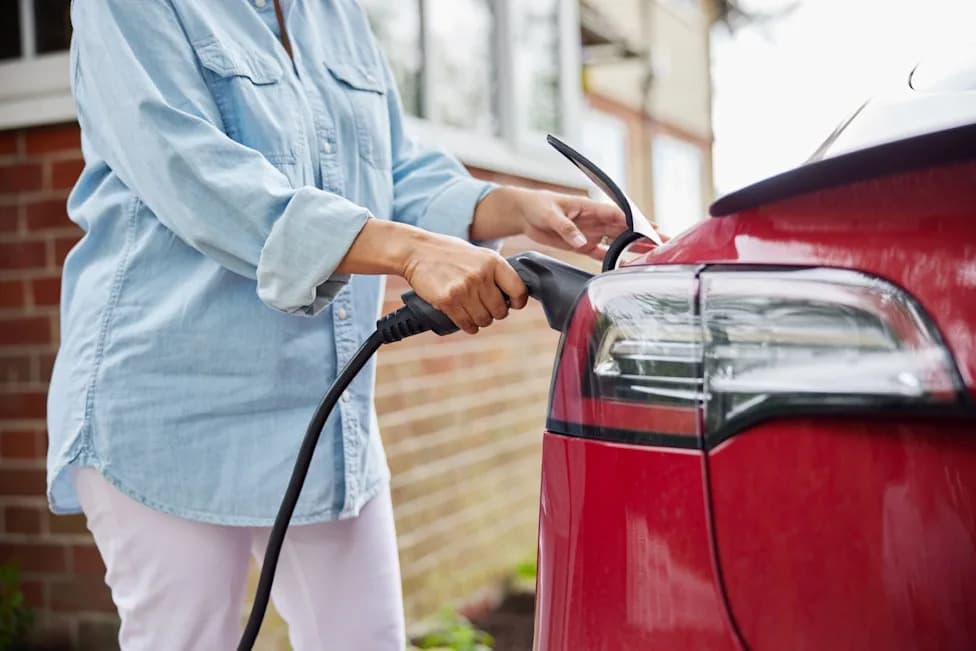
Photo Credit: iStock
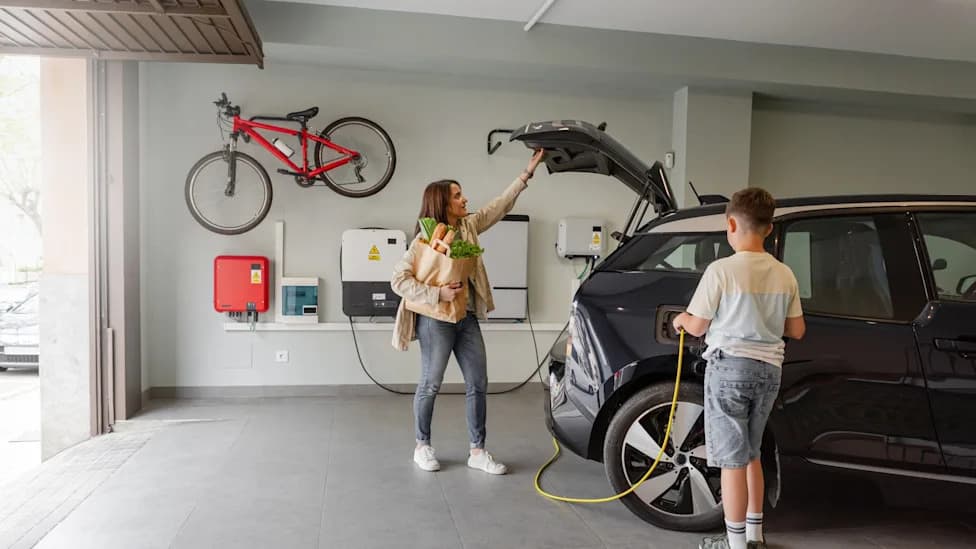
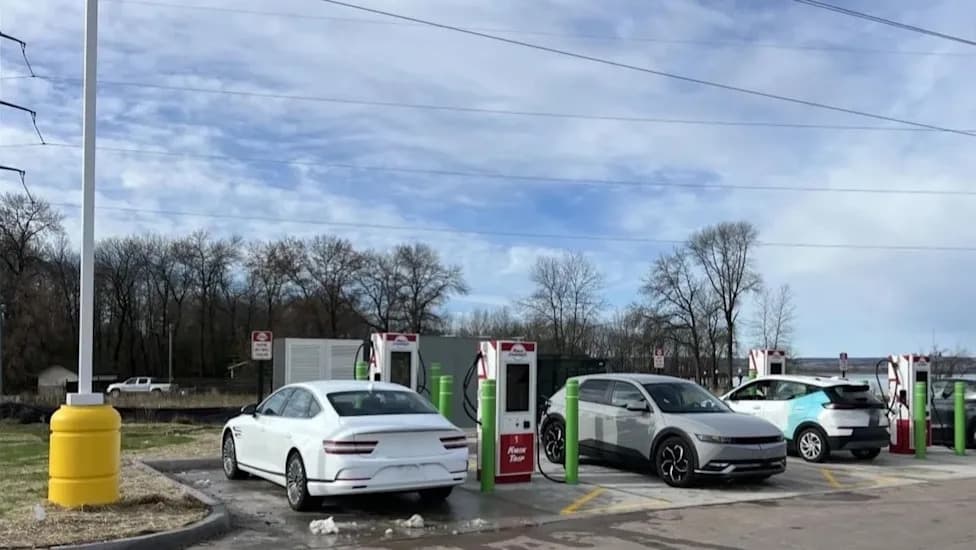
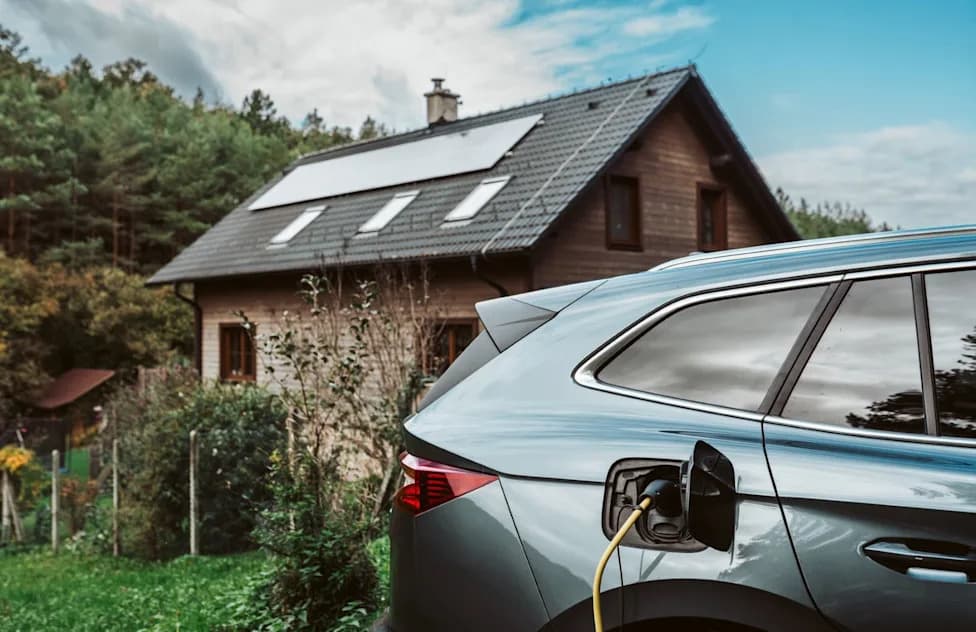
Electric vehicle owners in New England may soon earn money by allowing utilities to draw power from parked, plugged-in cars during periods of high demand. Pilot programs from National Grid and Eversource are testing vehicle-to-grid (V2G) systems that tap a portion of an EV's stored energy and recharge the battery later, with participants receiving financial incentives.
How V2G Works
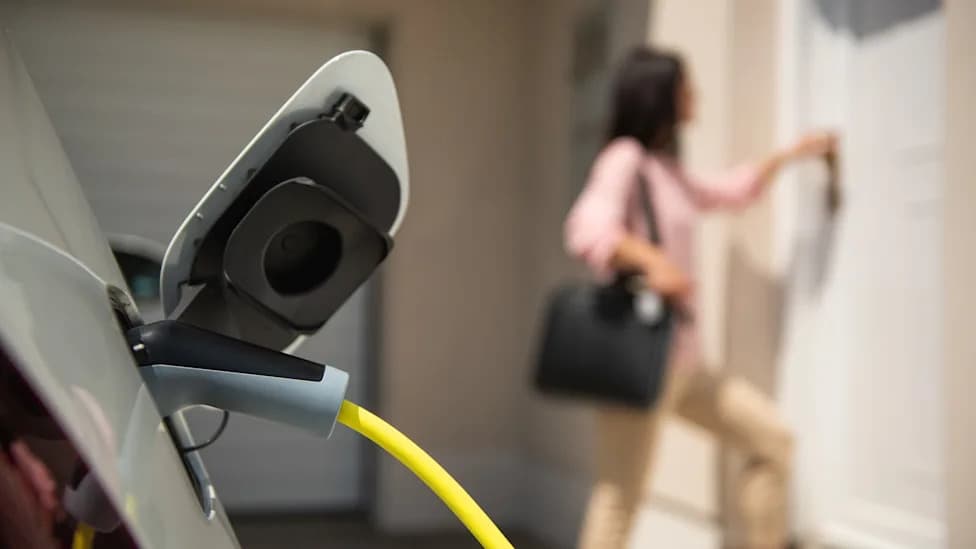
V2G uses bidirectional chargers to transfer electricity both to and from an EV battery. During peak demand—such as heat waves—utilities can pull power from enrolled vehicles to reduce strain on the grid, then recharge those vehicles when demand and prices fall.
Pilot Details
According to The Boston Globe, the New England pilots are small but notable: roughly 45 vehicles are enrolled and the application window is open through Sept. 30. National Grid estimates a typical participant could earn about $1,250 per year, a figure that may be the primary incentive for many households. Russell Vare, vice president of vehicle grid integration for The Mobility House, said similar programs in Europe deliver “hundreds of dollars per year, maybe even thousands.”
Which Vehicles Qualify
Hardware compatibility is the main limitation today because only vehicles with bidirectional charging capability can participate. Consumer models reported to qualify include the Nissan Leaf, Kia EV9, Volvo EX90, Polestar 3 (Model 3 variant with bidirectional support), and the Ford F-150 Lightning.
Benefits For The Grid And Drivers
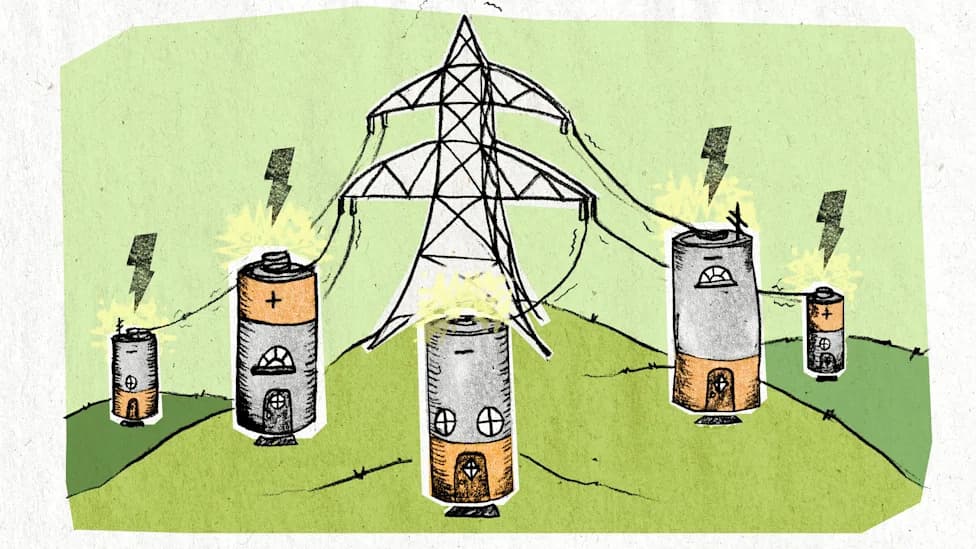
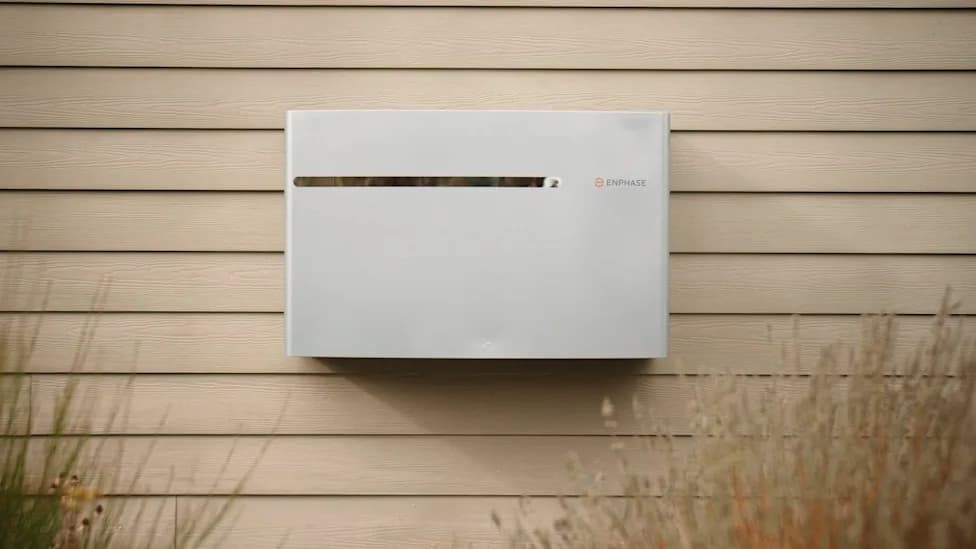
Using parked EVs as distributed storage can reduce reliance on expensive, high-emission peaker plants that utilities often fire up during demand spikes. Because EV batteries typically hold far more energy than most home battery systems, even a modest pool of participating cars could meaningfully support grid stability and lower overall system costs. For drivers, V2G incentives can help offset EV ownership costs.
Local Momentum And Real-World Examples
Massachusetts already has more than 150,000 EVs on the road, and state-supported projects are advancing V2G infrastructure. The Massachusetts Electric Vehicle Infrastructure Coordinating Council has funded two-way chargers for electric school buses; one electric bus in Beverly reportedly generated over $23,000 in two years by selling power back to National Grid.
“These demonstrations are going to help us answer those questions and give us confidence that when we scale V2G, we can do so in a way that delivers reliable value for both the customers and the grid,” said Kevin Boughan, manager of strategy and business development for Eversource.
As pilots expand and automakers add bidirectional charging to more models, V2G could become a practical way for EV owners to earn income while helping create a cleaner, more resilient grid.
Help us improve.