An Oklahoma homeowner in Tulsa says PSO denied their request to join a discounted overnight EV charging rate after they installed about 14 kW of rooftop solar and 48 kWh of battery storage with a Sol-Ark inverter. Commenters reported similar limits in California and with PSE in Washington, where solar-plus-battery systems can disqualify customers from time-of-use or EV-specific plans. Such exclusions can undercut the financial benefits of installing storage and EVs and may slow broader adoption; consumers should verify utility eligibility and local rules before investing.
Oklahoma Homeowner Says Utility Blocked Overnight EV Discount After 14 kW Solar And 48 kWh Batteries
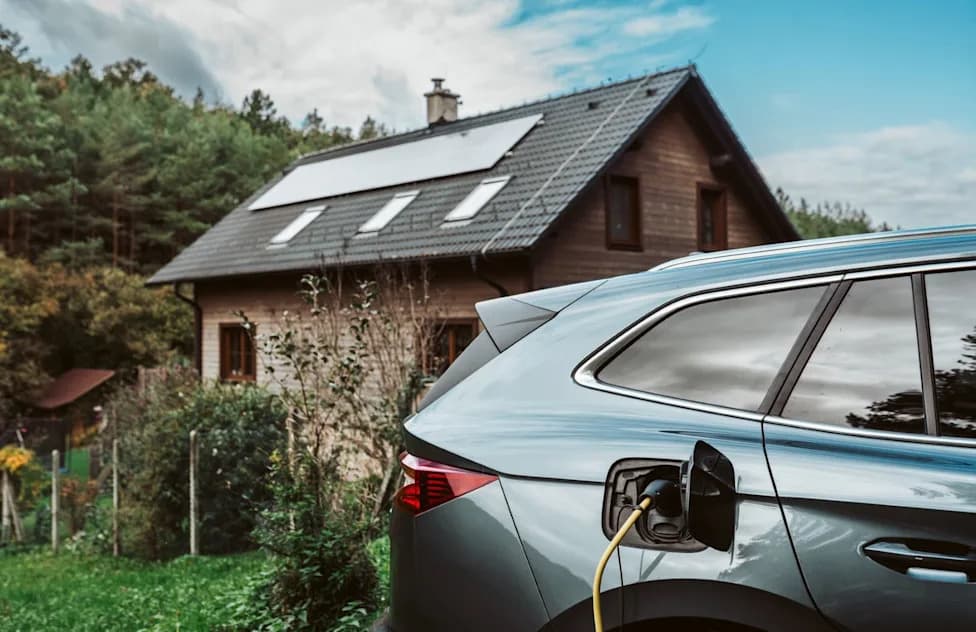
Photo Credit: iStock
An Oklahoma homeowner says Public Service Company of Oklahoma (PSO) denied their request to join a discounted overnight EV charging rate after they installed rooftop solar and home batteries. The report came from a Reddit post by a Tulsa resident who said they have about 14 kW of solar, 48 kWh of battery storage and a Sol-Ark inverter.
What the Homeowner Reported
The original poster wrote that when they applied for PSO's EV pricing plan they were told they were ineligible because their home includes a renewable energy source. "I can't get the sweet EV power rate between 11:00 p.m. and 6:00 a.m.," the OP wrote, adding, "I feel like I'm being penalized for doing the right thing."
Responses From Other Regions
Replies to the Reddit thread suggested this type of restriction isn't unique to PSO. Commenters reported similar limits in other states: one person said California utilities restrict EV-specific plans after solar installation, and another said Puget Sound Energy (PSE) in Washington prevents customers with both solar and batteries from using certain time-of-use (TOU) rates.
"The TOU rate gives you the price signal to set your battery in a way that lowers the burden on the grid and saves you money. It's supposed to be a win/win," one commenter observed.
Why This Matters
Time-of-use and EV-specific rates are designed to shift charging and other electricity use away from peak hours, lowering costs for customers and reducing stress on the grid. For many solar households, batteries exist precisely to store daytime solar energy for use in the evening or overnight—so TOU and overnight EV rates are a key part of the financial case for installing batteries.
Policies that block homes with on-site renewables or storage from these rate plans can blunt those benefits, reduce projected savings, and discourage adoption of clean technologies. That can slow broader progress toward electrification and distributed clean-energy resources.
Practical Takeaways
If you are considering solar, batteries, or an EV charger, check utility tariff eligibility and local rules early in the planning process. Confirm whether your utility allows customers with rooftop solar and battery systems to enroll in TOU or EV-specific pricing. If you encounter a denial, ask the utility for a written explanation, appeal the decision if possible, and consider raising the issue with state regulators or consumer-advocacy groups.
Cases like this also highlight the importance of clear, consistent utility policies that align incentives for customers and the grid—allowing homeowners to invest in clean energy without losing access to the rate plans that make those investments pay off.
Help us improve.