Vermont has aggregated more than 5,500 household battery systems into a virtual power plant that can deliver about 110 MW, making it the state's largest single power source. Green Mountain Power offers two leased batteries for $55/month on a 10-year lease and says the program saves customers roughly $11 million annually. The VPP preserves home backup during outages while allowing the utility to dispatch stored energy to stabilize the grid; the utility aims to eliminate outages by 2030 and expand the VPP by 2034.
Vermont Turns 5,500 Home Batteries into a 110 MW Virtual Power Plant — the State's Biggest Power Source
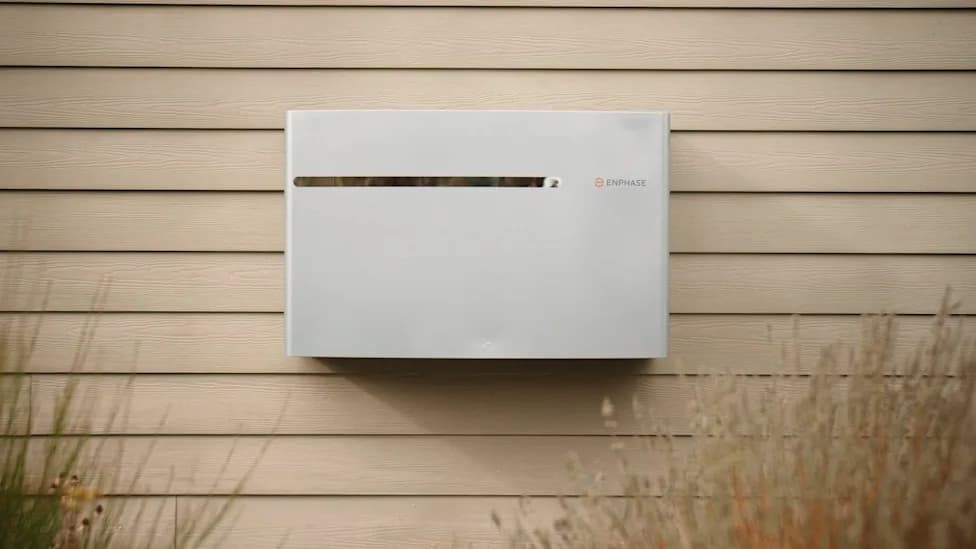
In Vermont, 5,500 leased home batteries became the state's biggest power source
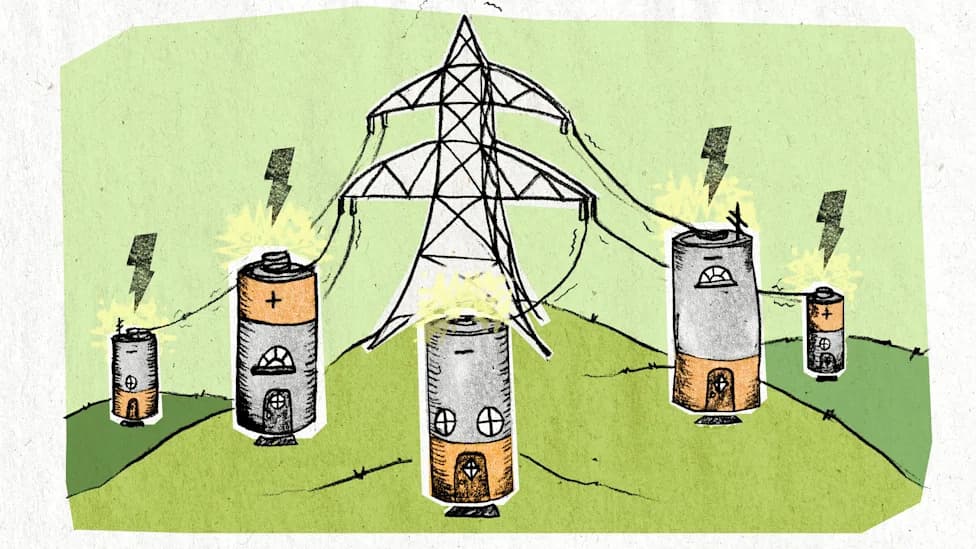
Across Vermont, more than 5,500 residential battery systems have been aggregated into a coordinated 'virtual power plant' (VPP) that can supply roughly 110 megawatts of capacity — making it the state's largest single power source and a major tool for outage resilience.
How the Program Works
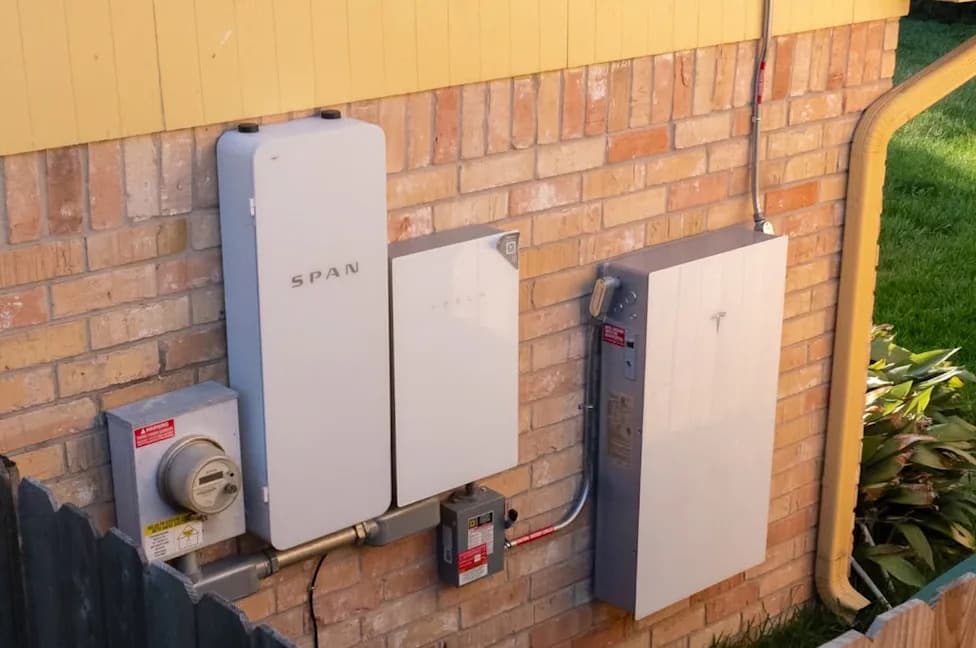
Green Mountain Power operates the statewide program. Participating households receive two home battery units installed for $55 per month on a 10-year lease, giving homeowners a lower-cost backup option than gasoline or diesel generators. When networked, the individual batteries can be dispatched together by the utility to support the grid or held in reserve so participating homes retain backup power during outages.
Why It Matters
The VPP is already delivering measurable benefits: Green Mountain Power says the program saves customers roughly $11 million a year. The utility began piloting the concept in 2017 and uses the VPP as an alternative to highly polluting peaker plants that typically run only during short, high-demand periods.
State officials note that Vermont's worsening storm patterns are increasing the need for resilient, distributed power: 'Climate change is fueling stronger, more persistent storms and the state's infrastructure is feeling the effects,' they say.
Green Mountain Power serves more than 75% of Vermont and reports nearly 300,000 customers in its service area. The utility has set an ambitious goal of eliminating outages by 2030 and plans to more than double the size of its VPP by 2034.
Context: VPPs at Scale
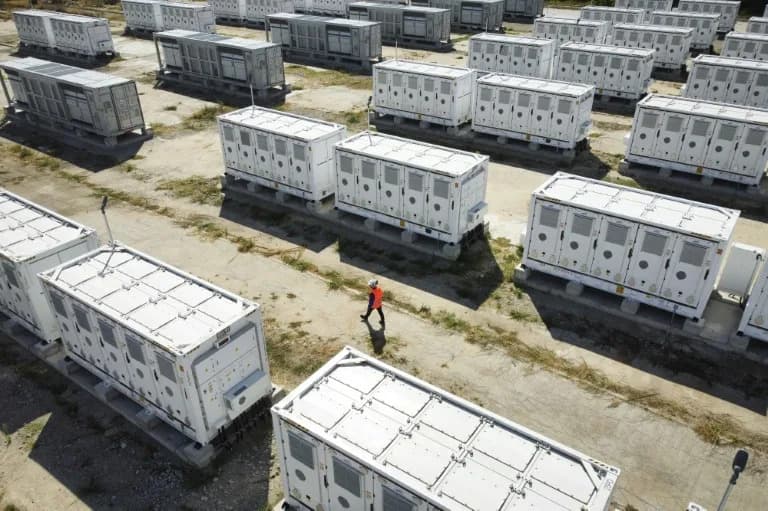
VPPs are expanding beyond Vermont. Citing an internal Wood Mackenzie analysis, the BBC reported that the United States already has more than 40 gigawatts of virtual power plant capacity. A 2025 U.S. Department of Energy report projected that capacity could grow to as much as 160 gigawatts by 2030 — roughly 20% of expected national peak demand. That growth reflects a broader shift toward distributed energy resources and battery storage as tools to stabilize the grid and reduce reliance on peaker plants.
Options for Homeowners
Home battery storage paired with rooftop solar can protect households during outages, reduce energy costs, and move homes toward partial off-grid capability. Services such as EnergySage can help homeowners compare options and obtain competitive installation estimates; partnerships with installers and electrification firms can further reduce costs. Lower-cost plug-and-play batteries from providers like Pila offer an entry point for homeowners who do not need a whole-home backup, while companies such as Sonnen are aggregating residential batteries at neighborhood scale to share backup energy.
Vermont's program is a practical example of how distributed batteries can provide resilience, lower emissions, and help modernize the grid as extreme weather increases. As utilities and communities weigh investments, VPPs present a way to combine homeowner benefits with broader system reliability.
Help us improve.