Summary: President Trump ordered a suspension of the $5 billion NEVI electric-vehicle charging program in January 2025, but several projects continued. Pennsylvania opened three NEVI-funded fast-charging stations on Feb. 26, 2025, while a coalition of states filed suit on Aug. 1, 2025 to restore funding. Staffing cuts and a nearly $1 billion reallocation of undisbursed NEVI funds under the Consolidated Appropriations Act, 2026, complicated implementation, yet states such as North Carolina and New York City continue new awards and plans to expand charging access.
Trump Paused $5B NEVI Charging Program — Pennsylvania Opens Stations As Multistate Lawsuit Seeks Restoration
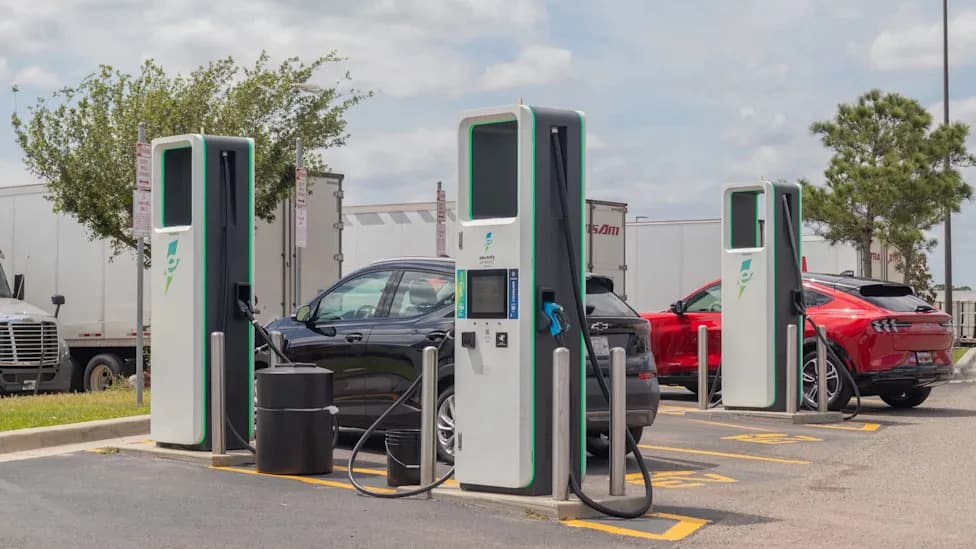
Photo Credit: iStock
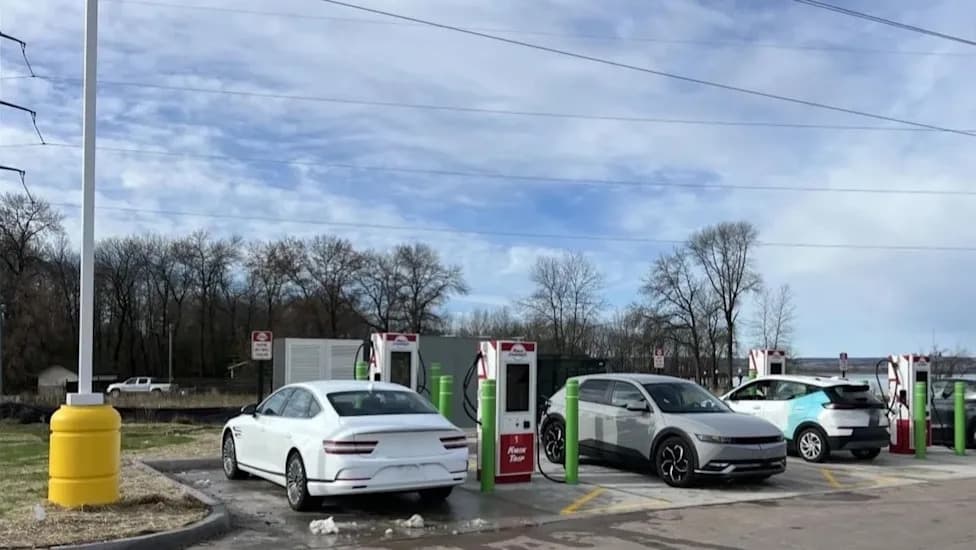
President Donald Trump's January 2025 directive to suspend the $5 billion National Electric Vehicle Infrastructure (NEVI) program did not stop all projects on the ground: Pennsylvania opened three publicly funded fast-charging stations on Feb. 26, 2025, even as a coalition of states sued the federal government to restore NEVI funding.
What NEVI Was Designed To Do
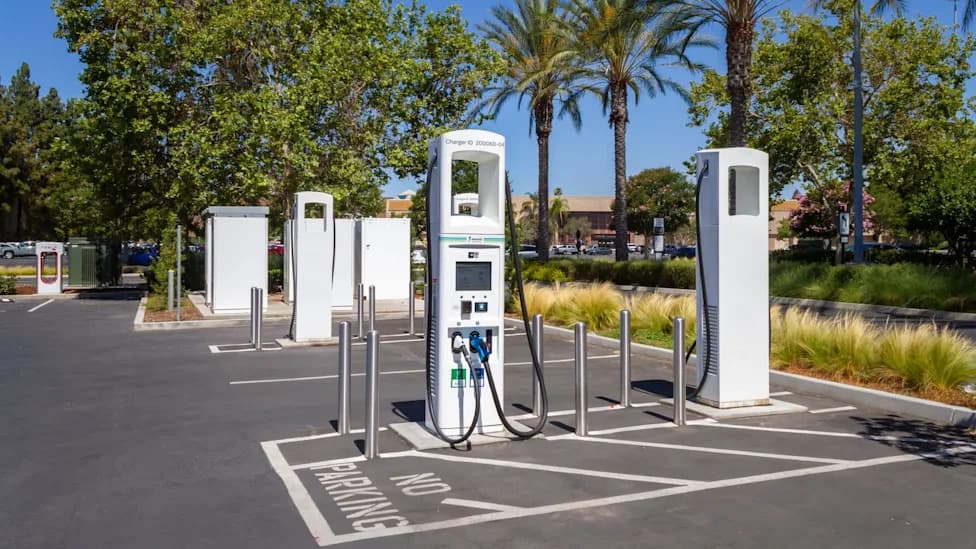
Created under the 2021 Bipartisan Infrastructure Law, NEVI aimed to accelerate installation of fast chargers along highways and key travel corridors to make longer electric-vehicle trips practical and to support a coordinated nationwide charging network. By July 2024 the program had reached 61 operating charging ports and roughly 2,500 additional ports were reported in development.
The Suspension And Its Immediate Effects
In January 2025 the President instructed the U.S. Department of Transportation to suspend NEVI, a move that created immediate uncertainty for states and localities that had planned projects around federal funding. Despite that pause, Pennsylvania moved forward with three NEVI-funded stations, bringing the state’s total to eight operational sites as of late February 2025.
The Lawsuit And Funding Changes
On Aug. 1, 2025, a group of states filed suit seeking to compel the administration to restore NEVI funding, naming Transportation Secretary Sean P. Duffy and Federal Highway Administration Administrator Gloria M. Shepherd as defendants. The complaint argued, in part, that the suspension undermines consumer choice for electric vehicles.
"President Trump has unleashed an attack on an increasingly popular consumer choice — the electric vehicle," the lawsuit states.
Complicating matters further, reporting cited by CleanTechnica and the legal news outlet Leg1 notes that staffing cuts at the Departments of Transportation and Energy slowed program administration. Under the Consolidated Appropriations Act, 2026, Secretary Duffy transferred nearly $1 billion in undisbursed NEVI and related funds to other highway programs, affecting projects that depended on those appropriated dollars.
Why Public Charging Matters
Public fast charging is essential for drivers who cannot install chargers at home, including renters, apartment residents and many rural drivers. Reliable charging also supports longer trips and can bring more travelers — and economic activity — to communities along major corridors. Halting a congressionally funded buildout can delay construction jobs, disrupt local planning, and slow adoption of lower-cost transportation options.
States Keep Pushing Ahead
Even amid uncertainty, some states continued to advance NEVI projects. On Sept. 14, North Carolina's Department of Transportation announced a new round of NEVI awards that added seven locations to five previously funded sites; the awards covered $14.4 million of the state's $109 million NEVI allocation and are expected to support a three-year buildout that extends charging beyond highways into rural communities.
New York City has likewise announced plans to expand curbside charging, aiming to add 600 chargers in addition to the 88 already installed. The curbside expansion is tied to a phased local rule requiring Taxi and Limousine Commission-licensed drivers to operate zero-emission or wheelchair-accessible vehicles.
Looking Ahead
The NEVI suspension and subsequent reallocation underscore how federal policy shifts and departmental staffing decisions can ripple through infrastructure projects. While litigation seeks to restore funding, states and cities are adopting a mix of strategies to continue electrification efforts. The outcome will shape where and how quickly public charging becomes available for a broad array of drivers.
Sources: CleanTechnica; Leg1; public announcements from Pennsylvania, North Carolina DOT, and New York City.
Help us improve.