EECA is piloting up to 100 two-way EV chargers in Auckland and other urban centres to let cars return stored power to homes or the grid. Households with rooftop solar could draw that energy at night to cut bills, and charged EVs could keep essential appliances running for up to three or four days during outages. The trial, run with Counties Energy/OpenLoop and building on a Queenstown test, will assess compatibility, performance and potential network savings to inform future policy.
New Zealand Trial Lets EVs Power Homes for Days — Could Cut Bills and Ease Grid Strain
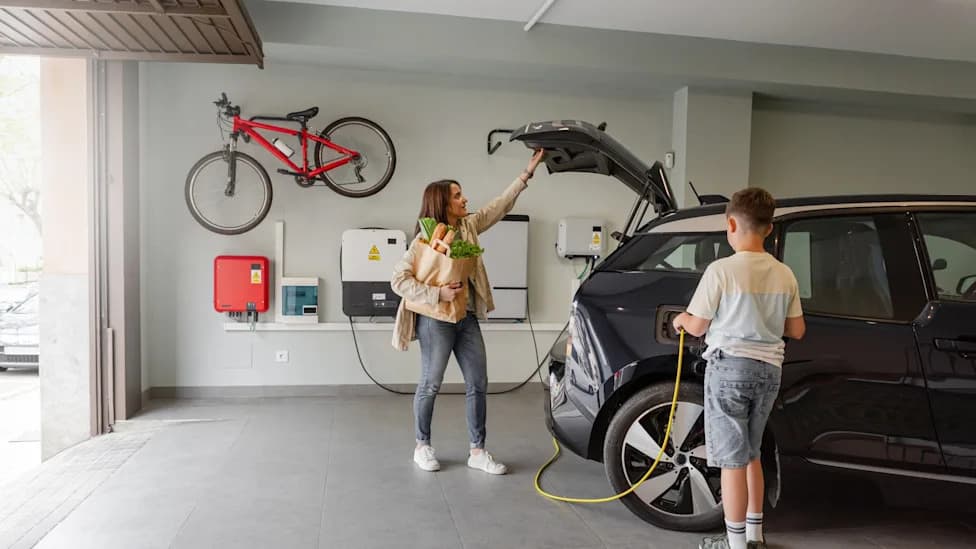
Photo Credit: iStock
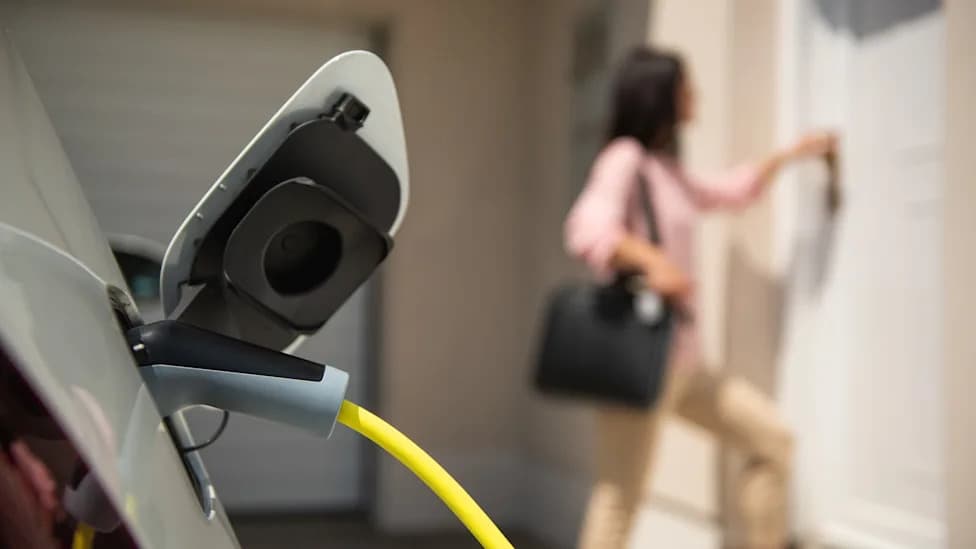
New Zealand is piloting a program that could turn electric vehicles (EVs) into mobile home batteries, helping households save on power bills and ride out outages. The Energy Efficiency and Conservation Authority (EECA) will install up to 100 two-way chargers at homes and businesses in Auckland and other urban centres as part of a trial reported by Radio New Zealand.
How Two-Way Charging Works
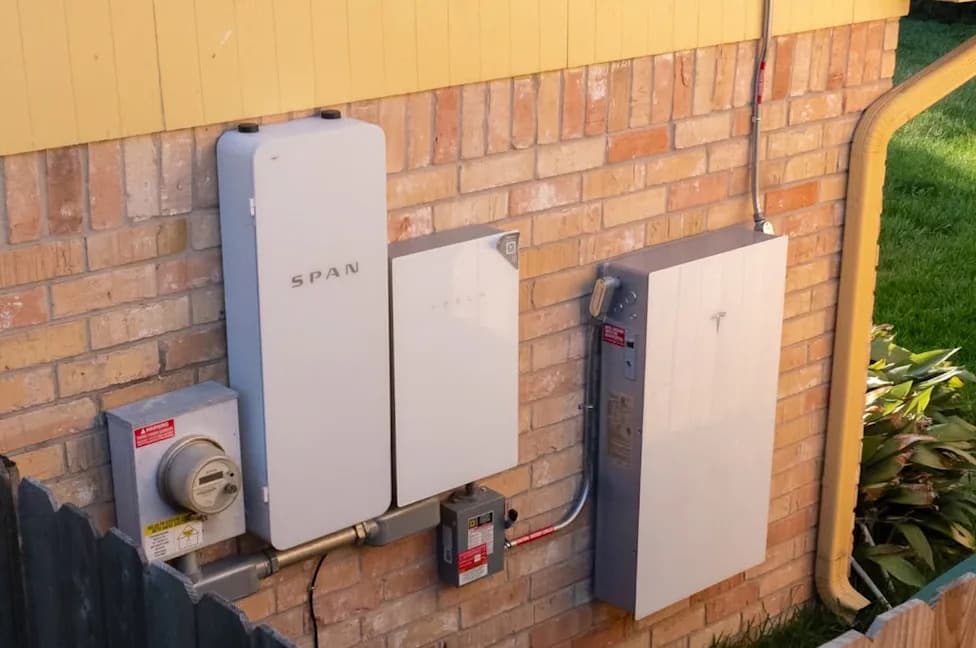
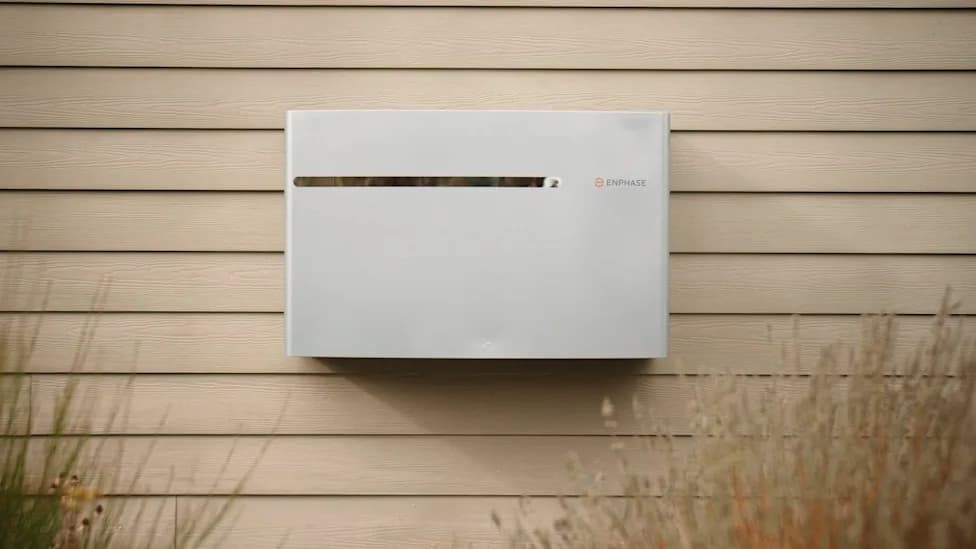
Two-way chargers enable energy to flow both into and out of an EV battery. Known as vehicle-to-home (V2H) or vehicle-to-grid (V2G) systems, they let an EV return stored electricity to a house or to the broader grid when demand is high or during outages. Households that already have rooftop solar could store daytime solar generation in their cars and draw it back at night, reducing grid purchases.
What The Trial Will Test
EECA's pilot — expanding on a smaller Queenstown trial — will evaluate real-world performance, compatibility between chargers and vehicles, user experience, and implications for the electricity network. Counties Energy, operator of the national EV charging service OpenLoop, is partnering on the project to study charger behaviour, including during blackouts, and to estimate potential long-term infrastructure savings.
Murray Bell, EECA policy and regulation manager, said that households with rooftop solar stand to benefit most and that modern EV batteries could support homes for extended periods during outages. He noted that “in some cases you can run your household for up to three or four days.”
Benefits and Broader Impact
Beyond lower bills and emergency backup, aggregated EV batteries could help flatten peak demand and delay or reduce the scale of costly grid upgrades such as new poles and wires. The Ministry for Business, Innovation and Employment (MBIE) projects New Zealand's electricity demand could rise 35–82% by 2050 as transport and industry electrify, increasing the value of flexible distributed resources.
Challenges and Considerations
Key barriers include limited compatibility between charger and vehicle models in New Zealand, concerns about battery longevity, safe home wiring and installation, and the need for clear regulatory and consumer protections. The trial aims to produce evidence to guide rules, standards and simple, reliable services for everyday drivers.
Moonis Vegdani, chief network and digital officer at Counties Energy, said the company will first work with interested automakers and then recruit owners of compatible vehicles. He noted BYD — second to Tesla in New Zealand EV sales — has already taken part in similar trials in Australia.
International Examples
- Hudiksvall, Sweden: Neighbourhoods use EVs to cut household costs and provide backup power.
- Australia: Researchers and utilities have trialled EVs providing grid support and outage resilience.
- Massachusetts, USA: Programs plan to compensate EV owners who feed electricity back to the grid.
- Academic Projects: Several teams are developing advanced smart‑charging systems and innovations that could ease grid strain as EV uptake grows.
The Auckland pilot will recruit in major centres with high EV ownership and is expected to deliver practical insights for regulators, utilities and automakers on how to scale two-way charging safely and affordably.
Help us improve.