Vermont has aggregated more than 5,500 home battery systems into a virtual power plant that now provides about 110 MW — the state's single largest electricity source — and has helped customers avoid outages. GMP's lease programme (two batteries for $55/month over a 10-year term) began as a 2017 pilot, expanded after a 2023 cap lift, and has saved customers roughly $11 million in one year. Experts say VPPs can replace costly, polluting peaker plants and could unlock up to 160 GW of US capacity by 2030, though market and incentive barriers remain.
Vermont's Hidden Power Plant: 5,500 Home Batteries Become the State's Largest Energy Source
(Credit: BBC/ Serenity Strull)
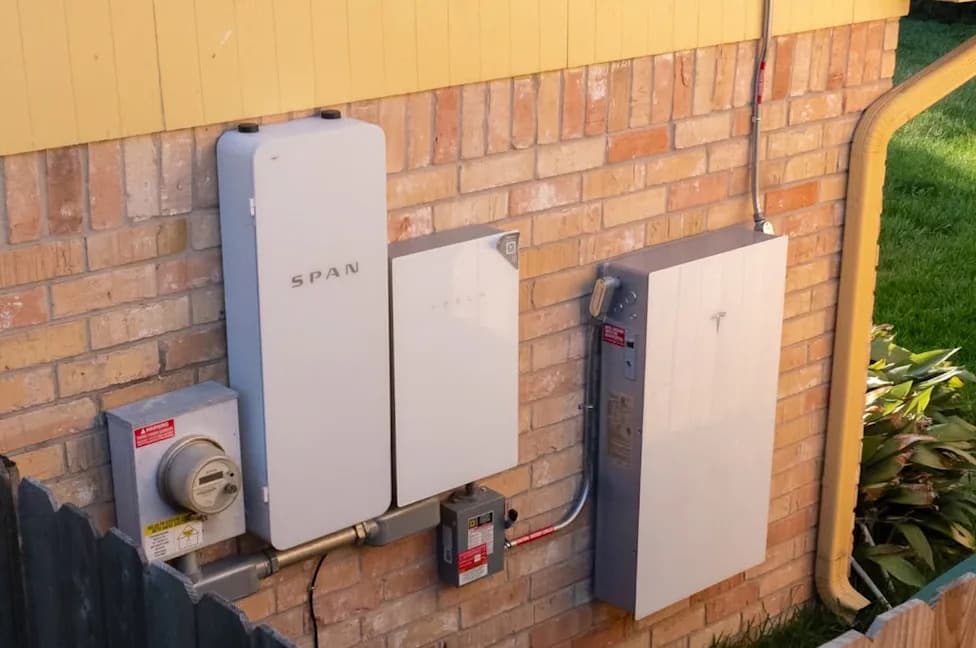
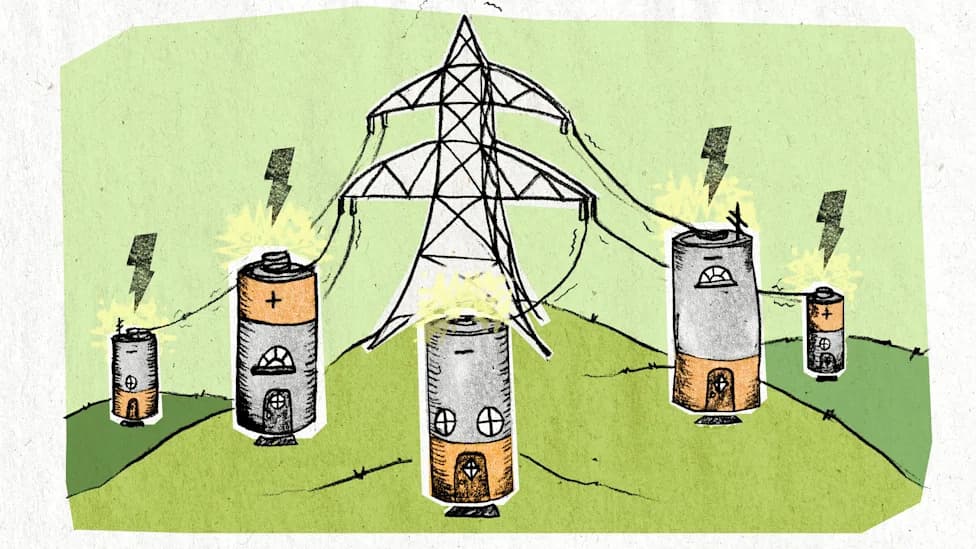
Spread across thousands of ordinary homes, a new kind of "power plant" built from home batteries has quietly become Vermont's single biggest electricity source. These installations give owners protection from outages while supplying cleaner, cheaper energy to the grid.
Vermont has faced more extreme weather in recent decades, including some of its worst storms on record. For Pollyanna Bladyka — who lives in the rural town of Springfield with her husband Andy and their dog — that used to mean losing power roughly a dozen times a year and often for several hours. In 2024 she was ready to buy a gas generator until an electrician told her about an alternative run by Green Mountain Power (GMP).
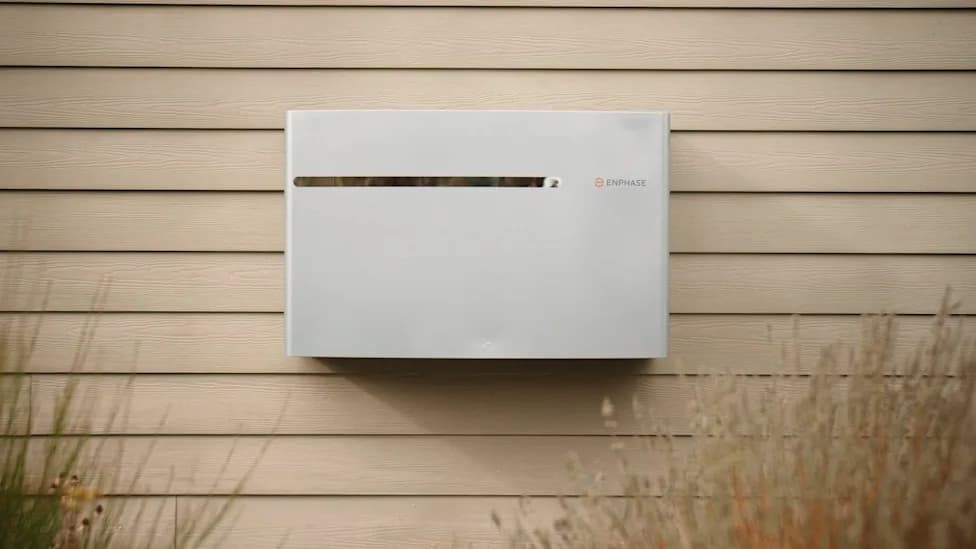
GMP installs two home batteries under a 10-year lease for $55 a month. After researching the option, Bladyka and her husband chose it over an estimated $12,000 generator. Since her system was installed in 2024, she says she has not lost power once.
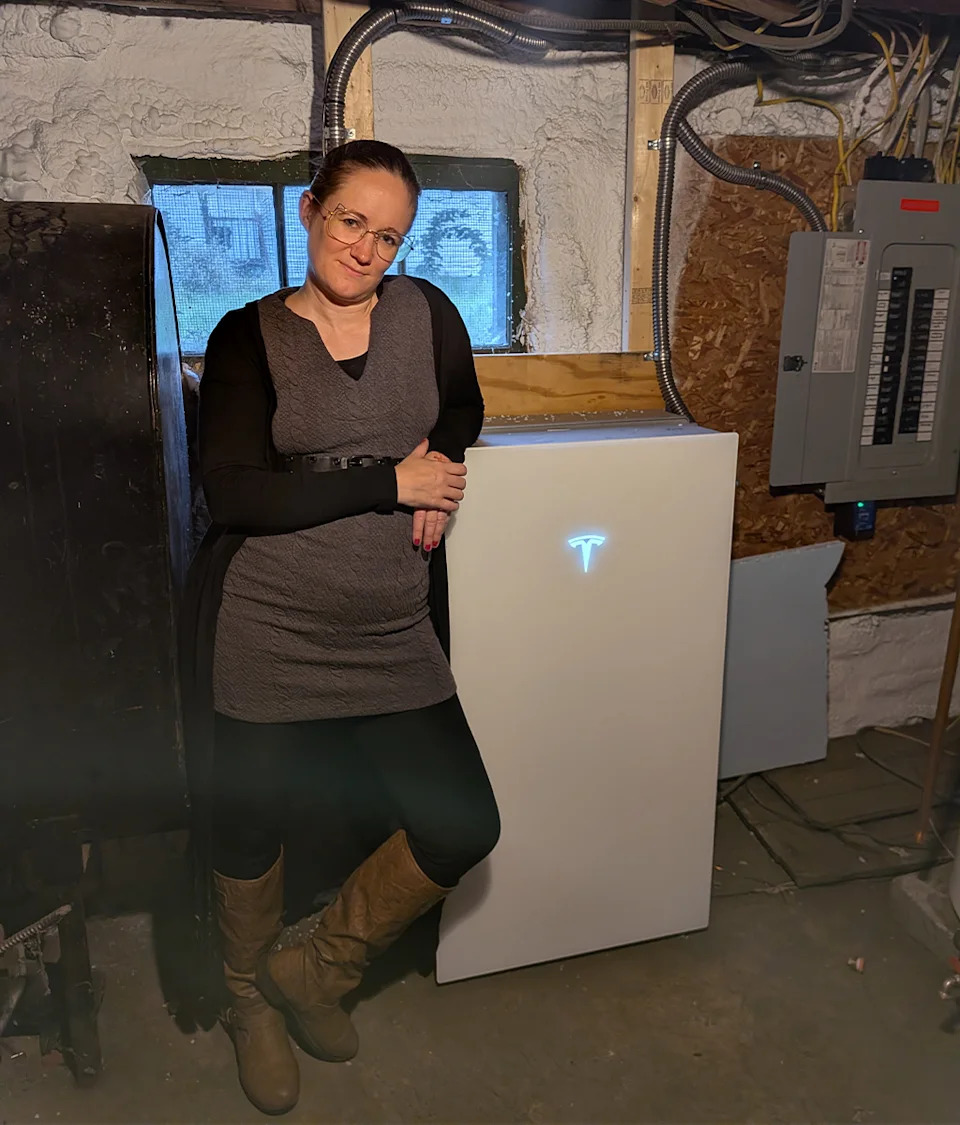
Megan Browning says she hasn't lost power since installing solar and two home batteries around a year ago (Credit: Megan Browning)
"I'd like to say I did it for the environment, but I did it for myself. But I don't mind helping," Bladyka told the author during a May 2026 visit.
What Is a Virtual Power Plant?
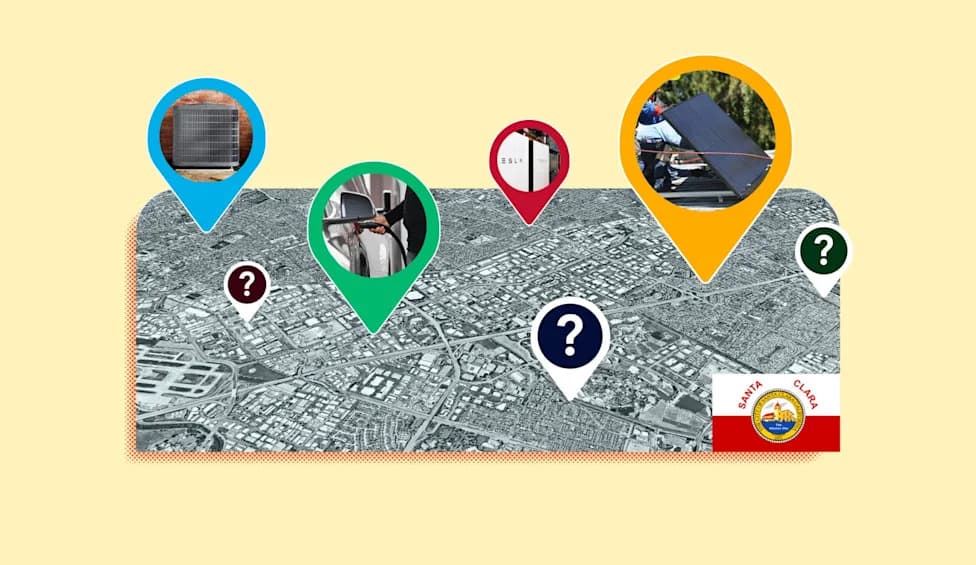
A virtual power plant (VPP) aggregates thousands (or even millions) of consumer and commercial devices — home batteries, rooftop solar, smart thermostats and electric vehicle (EV) batteries — into a coordinated system that behaves like a conventional generating facility. VPPs do not generate electricity themselves except where paired with solar; instead, software orchestrates charging and discharging to reduce demand on the grid and deliver capacity when it is most needed.
GMP's Program and Its Impact
More than 5,500 Vermont households now have GMP-installed batteries. Aggregated with other resources — EVs, commercial demand-response and utility-scale storage — the system provides about 110 MW of capacity, roughly the output of a small-to-average natural gas plant, and is currently the largest single electricity resource in Vermont. GMP reports the VPP saved customers approximately $11 million last year.
GMP began the battery lease pilot in 2017 and lifted an enrollment cap in 2023, prompting a surge of sign-ups. Since 2023, more than 2,500 customers have enrolled. The utility serves over 75% of Vermont, has set a target of eliminating all outages by 2030, and plans to offer storage to willing customers across its nearly 300,000-customer base while more than doubling the VPP by 2034.
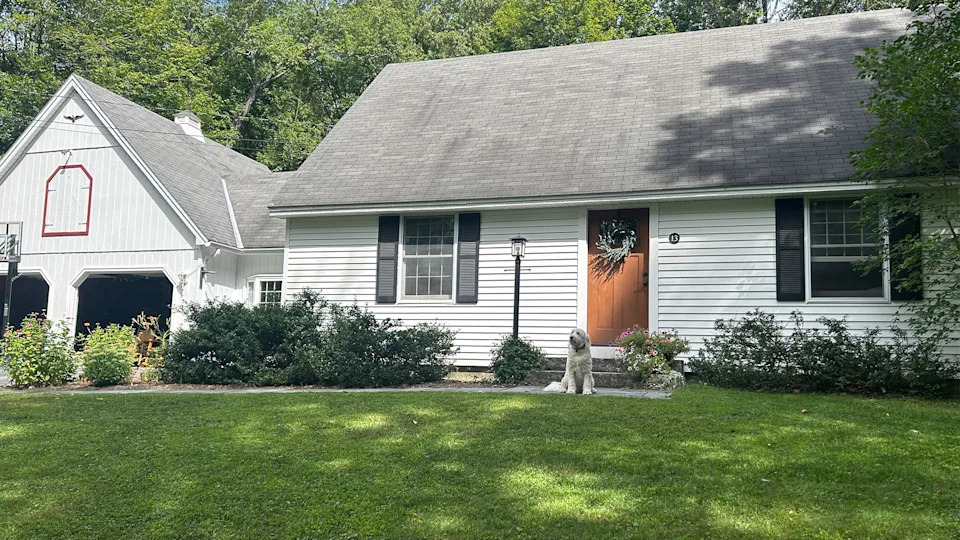
Pollyanna Bladyka and her husband decided to get a home battery after comparing the cost with a gas generator (Credit: Pollyanna Bladyka)
Broader Context and Potential
Industry analysis by Wood Mackenzie finds the US now has over 40 GW of VPP capacity. A 2025 US Department of Energy report estimates up to 160 GW of VPP capacity could be unlocked by 2030 — about 20% of projected peak demand — meaning VPPs could replace many fossil-fuel "peaker" plants and lower system costs.
Experts highlight barriers, including misaligned financial incentives that favor building new assets over tapping demand flexibility, customer acquisition costs, and challenges integrating VPPs into wholesale electricity markets. Still, policy changes in states such as Massachusetts, Illinois and New Jersey are encouraging utilities to procure capacity from VPPs.
Emerging Opportunities
GMP hopes to expand the resource base by tapping thousands of EV batteries for vehicle-to-grid services. While the total storage capacity in EV fleets is enormous, many experts caution that widespread, cost-effective aggregation of consumer EVs is not yet universal. Anecdotes, however, demonstrate potential: GMP's CEO Mari McClure says she powered her rural home for five days during an outage using the battery from her Ford F-150 Lightning.
As climate-driven storms and other extremes increase outages nationwide, Vermont's experiment illustrates how distributed battery storage can protect residents, lower costs and reshape grid planning and operations.
Help us improve.