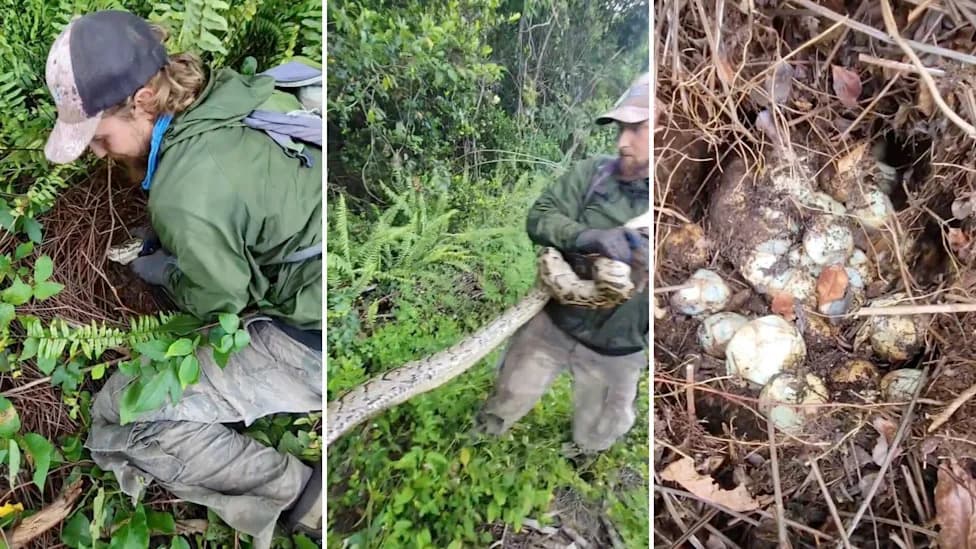
The Argentine black-and-white tegu has established populations in South Florida and is now present in the Everglades, where officials have observed the lizards raiding alligator nests and other native nests. Tegus can reach about five feet long, live roughly 20 years, and females may lay around 35 eggs a year, enabling rapid population growth. With few natural predators in Florida, wildlife managers urge residents to report sightings via the IveGot1 app to help track and manage the invasion.
Not Just Pythons: Argentine Tegus Invade the Everglades and Raid Alligator Nests
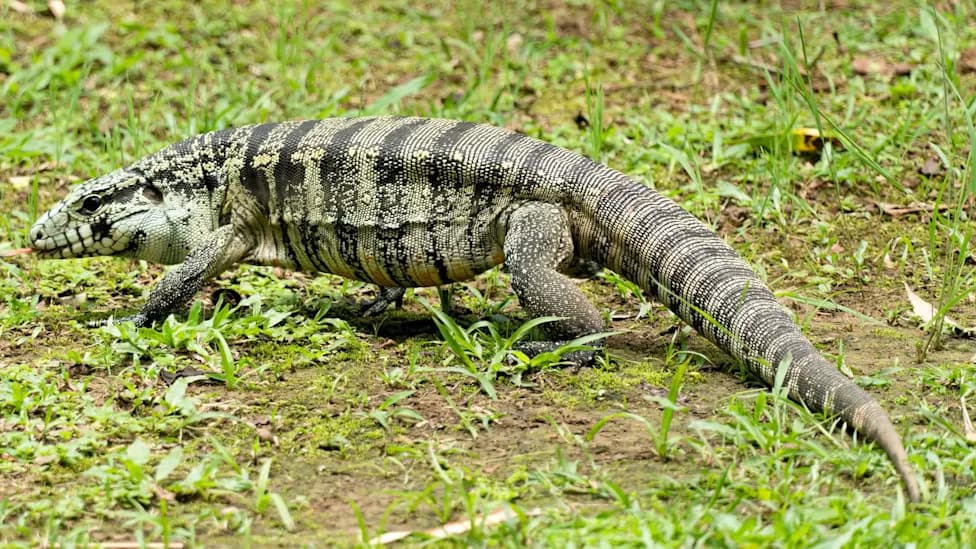
Photo Credit: iStock
Florida's invasive-species problem extends far beyond the well-known Burmese pythons. The Argentine black-and-white tegu, a large lizard introduced through the pet trade, has established breeding populations in parts of South Florida and is now present in the Everglades, where it has been observed raiding alligator nests and other native animal nests.
What Are Tegus?
The Argentine black-and-white tegu is a robust lizard native to South America. Tegus can grow to roughly five feet in length and may live for about 20 years, traits that help them persist and expand once established in a new area. They spend cooler months in burrows in a state called brumation (a hibernation-like condition for cold-blooded animals) and become active again in spring, when they breed.
Why They Matter
Wildlife officials have documented tegus preying on gopher tortoise hatchlings, alligator eggs and other nest-bound young. Because egg predators remove animals before they reach juvenile stages, tegus can have an outsized impact on future populations and disrupt fragile ecological balances.
Reproduction and Spread
Females may lay roughly 35 eggs in a year, allowing rapid population growth after establishment. With few natural predators in Florida, tegus can spread widely and maintain pressure on native wildlife for many seasons.
What Officials Are Doing—and How You Can Help
Florida Fish and Wildlife Conservation Commission and media outlets like NBC Miami urge residents to report tegu sightings. There is not yet a formal statewide population estimate, so community reports are valuable for mapping the lizards' spread. If you see a tegu, report it via the free IveGot1 mobile app or at IveGot1.org.
Because tegus arrived largely through the pet trade, their presence is also a reminder that releasing or abandoning exotic pets into the wild can cause long-term ecological harm.
Help us improve.