Citizen-contributed photos collected between 2007 and 2025 produced 408 observations documenting 44 shark and ray species along Mozambique’s coast — about one third of the country’s known elasmobranchs. Records cluster in southern regions (Inhambane and Maputo) and surged after 2019, reflecting increased participation and access rather than only biological shifts. Although 82% of observations reached research-grade verification, most sightings fell outside Marine Protected Areas and 71% of recorded species are IUCN-listed as threatened. The study shows citizen science is a valuable complement to formal surveys, but it must be validated and integrated into conservation planning.
Citizen Photos Reveal 44 Shark and Ray Species Along Mozambique’s Coast
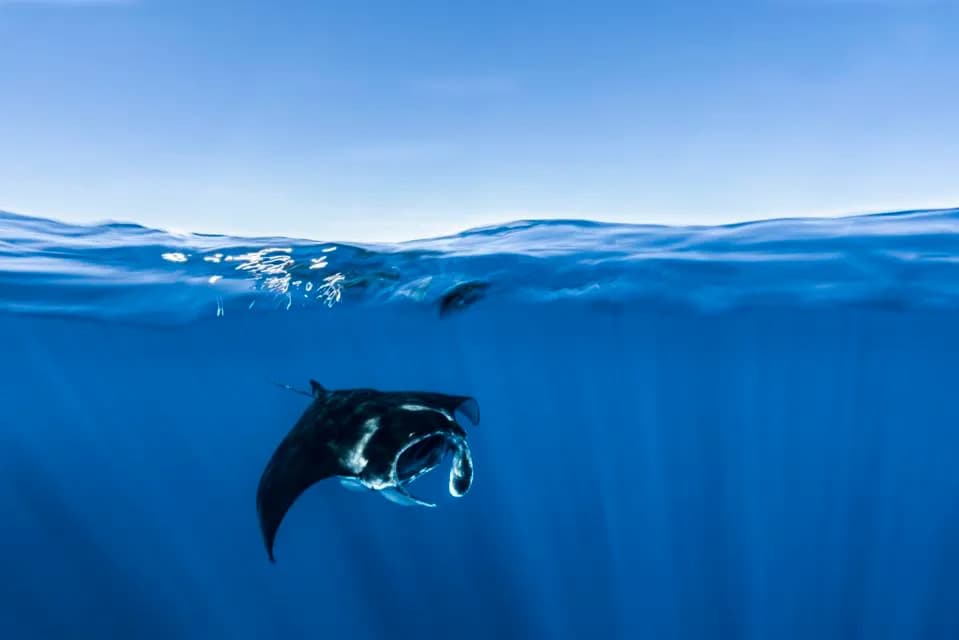
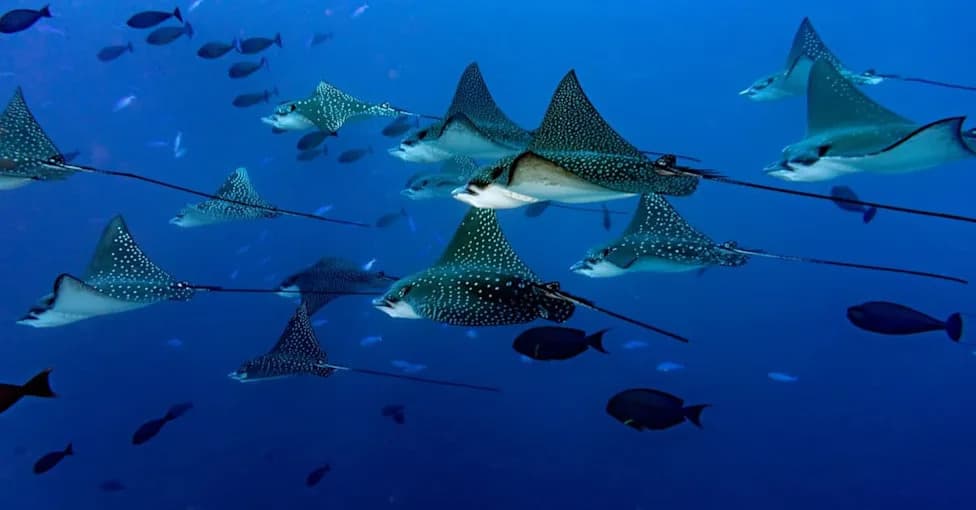
A manta reef ray (Mobula alfredi) swimming in the Indian Ocean. (Photo by Alexis Rosenfeld/Getty Images)Getty Images
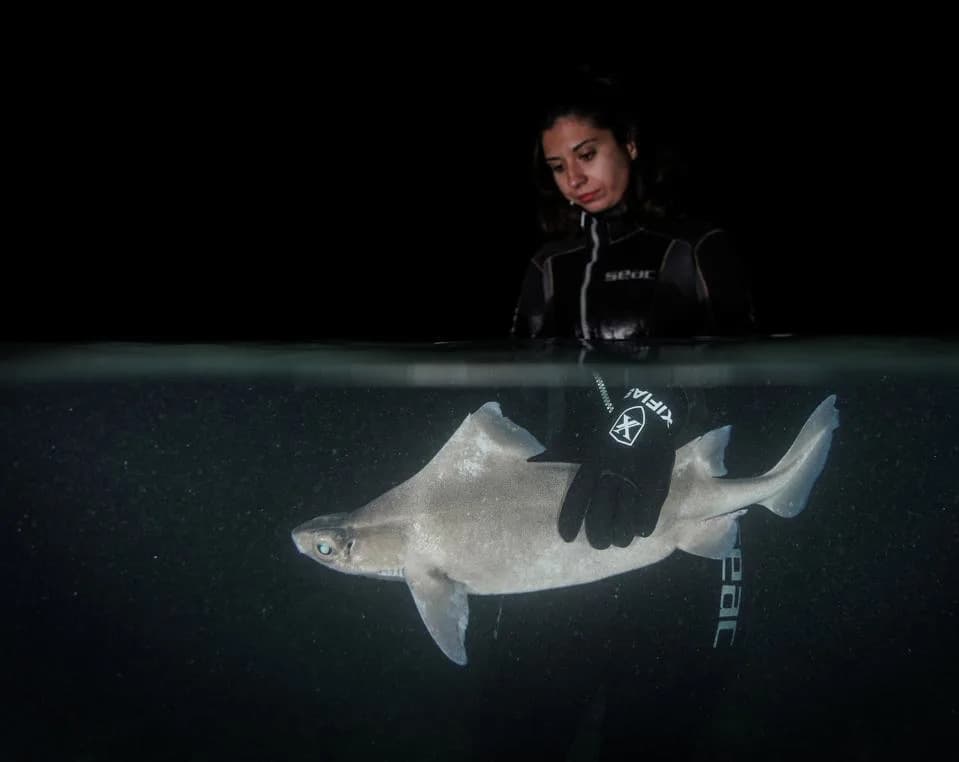
Everyday photographs shared by divers, fishers and coastal residents are doing more than capture memories — they are building a growing scientific record. A recent analysis of citizen-science uploads collected between 2007 and 2025 shows that 408 observations documented 44 species of sharks and rays along Mozambique’s coastline, roughly one third of the country’s known elasmobranch fauna.
How The Data Were Compiled
Researchers used community platforms such as iNaturalist to gather and verify sightings. Observations were vetted by the platform’s community and classified by quality, with 82% of entries reaching “research grade” status (meaning sufficient metadata and community agreement on identification).
What Was Found
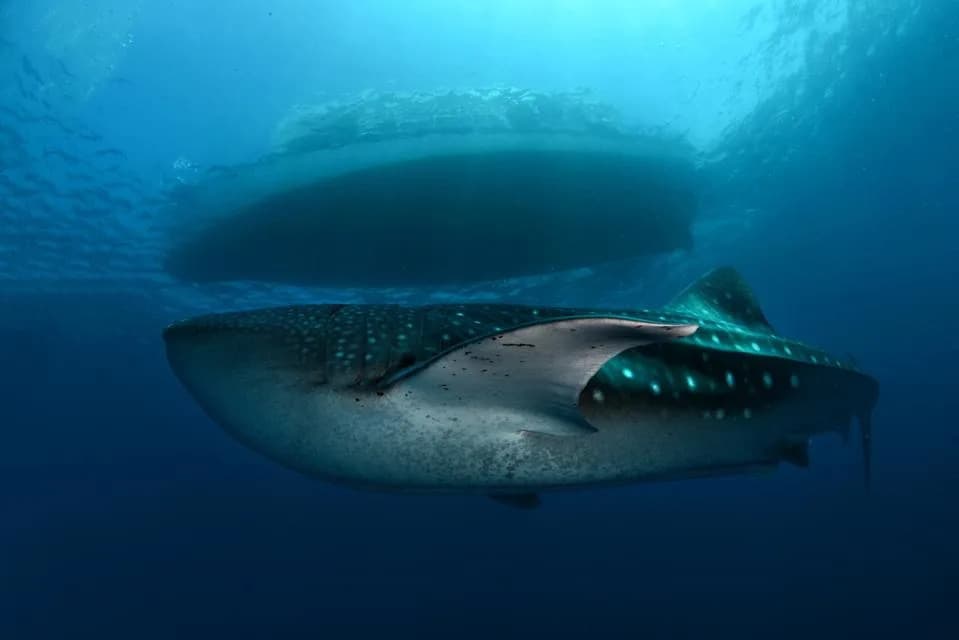
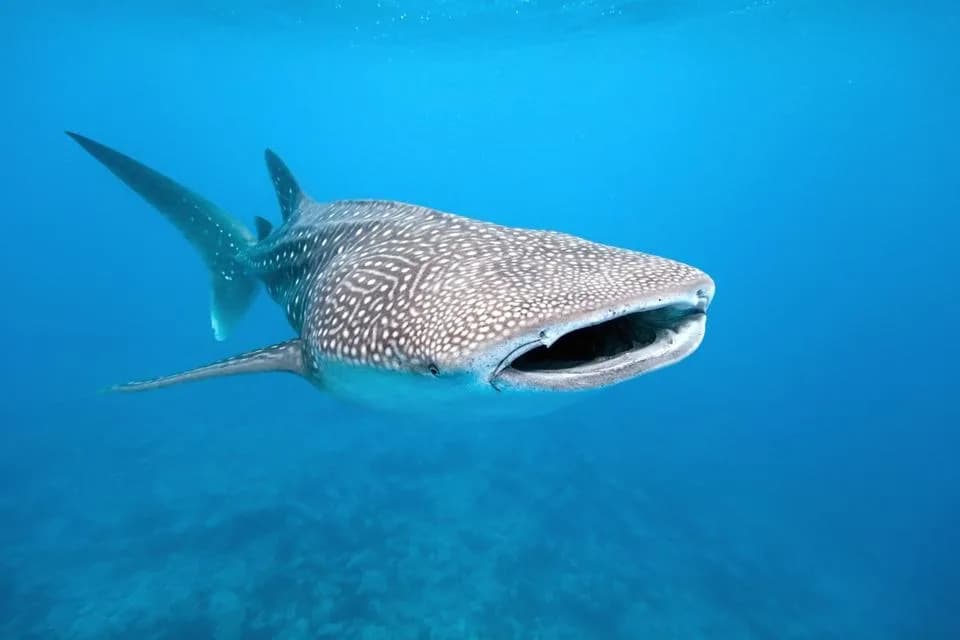
Rays dominated the dataset, particularly members of the families Dasyatidae (stingrays) and Mobulidae (manta and mobula rays). Sharks were mainly reported from families such as Carcharhinidae (requiem sharks) and Rhincodontidae (whale sharks). Some species—like whale sharks and several common stingrays—were recorded frequently and predictably, while others appeared only once or twice, offering rare but valuable records.
Spatial And Temporal Patterns
Records clustered strongly in southern Mozambique, especially around Inhambane and Maputo, while central and northern coasts remained comparatively quiet. Observation counts rose sharply after 2019, a trend that likely reflects increased smartphone use, tourism growth and greater participation on biodiversity platforms rather than only biological change.
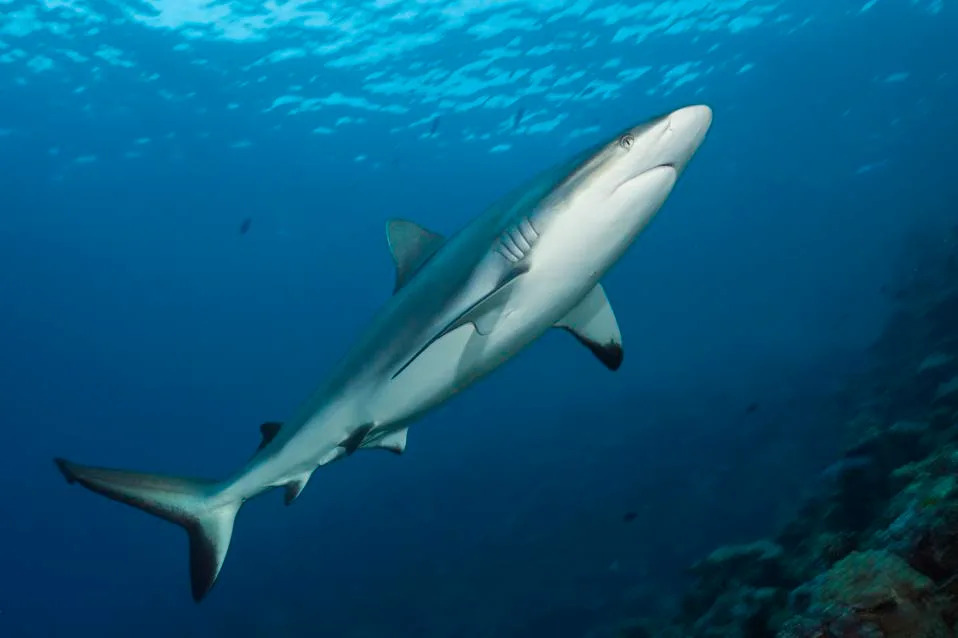
Grey Reef Shark, Carcharhinus amblyrhynchos. (Photo by Reinhard Dirscherl/ullstein bild via Getty Images)
Conservation Implications
Although citizen observations aligned closely with several designated Important Shark and Ray Areas, only a small proportion of sightings fell within existing Marine Protected Areas (MPAs). Worryingly, 71% of the species recorded are listed as threatened on the IUCN Red List (many as Endangered or Vulnerable). This combination—concentration of observations outside MPAs and a high share of threatened species—highlights gaps in legal protection and the value of citizen data to indicate priority areas for conservation.
Reliability And Limitations
Citizen-contributed records are not a replacement for targeted scientific surveys but a powerful complement. With 82% of records classified as research grade, the dataset is generally reliable, though misidentifications and uneven sampling effort remain issues. Spatial and temporal biases reflect where people dive, photograph and upload sightings, which complicates purely biological interpretation of the data.
Takeaway: Everyday photos are expanding the geographic and temporal reach of marine monitoring in data-poor regions like Mozambique—but they must be rigorously validated, interpreted with caution, and integrated with formal surveys to guide effective conservation.
Recommendations
To maximize the scientific and conservation value of citizen data the authors recommend: targeted surveys in under-sampled regions (central and northern Mozambique), better integration of citizen records with formal monitoring programs, improved outreach and training for contributors to reduce misidentification, and evaluation of MPA placement and coverage relative to observed elasmobranch occurrences.
Note: This analysis is based on observations uploaded to platforms such as iNaturalist and was originally reported on Forbes.com.
Help us improve.