The 2024 ROV seabed survey off Malta recorded an unprecedented aggregation of roughly 100–150 common eagle rays feeding beneath a single tuna pen. Researchers determined the rays were scavenging leftover baitfish (mackerel and sardines) used to feed farmed bluefin tuna—an unusual behavior for a species that generally eats benthic shellfish. Because the common eagle ray is listed as Critically Endangered (IUCN, 2021), predictable aggregations raise risks including targeted fishing, disease transmission, and altered foraging patterns. Continued monitoring is planned to determine whether the event repeats or signals a broader ecological shift.
Why 100–150 Endangered Eagle Rays Gathered Beneath a Malta Tuna Farm
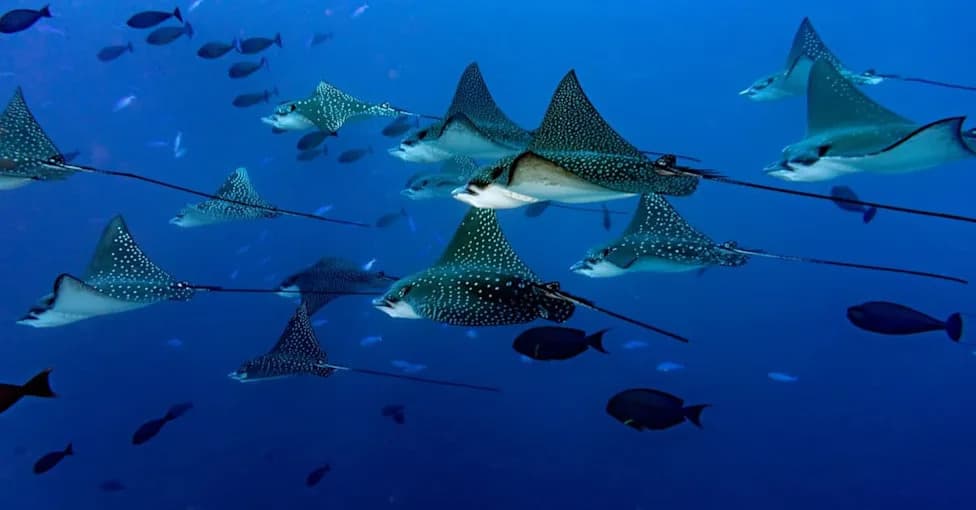
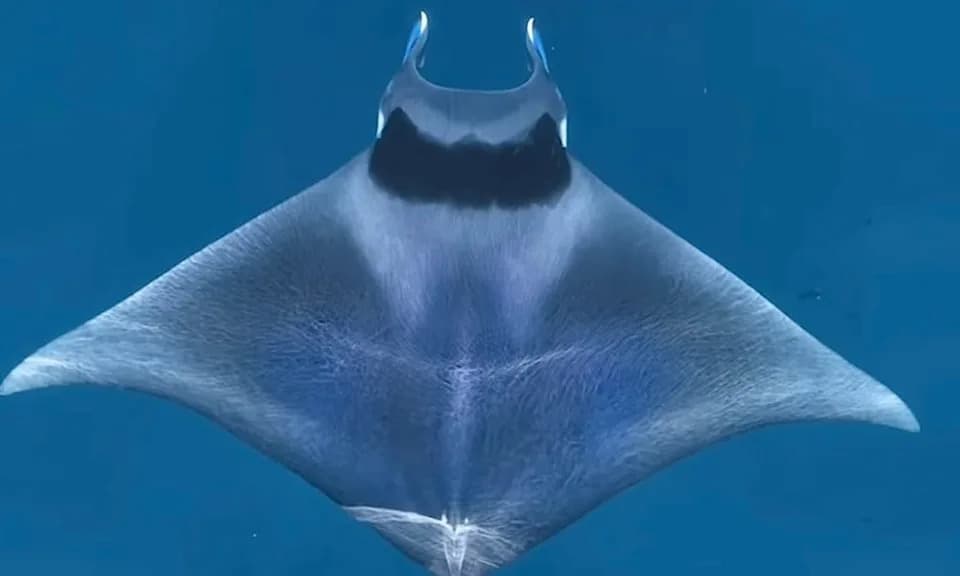
Largest stingrays - Eagle ray© Andrea Izzotti/Shutterstock.com
During a routine seabed survey in 2024 off Malta’s northeast coast, researchers documented an unusually large aggregation of common eagle rays clustered directly beneath a floating tuna farm. What began as standard environmental monitoring quickly revealed mass scavenging behaviour by a species already of conservation concern.
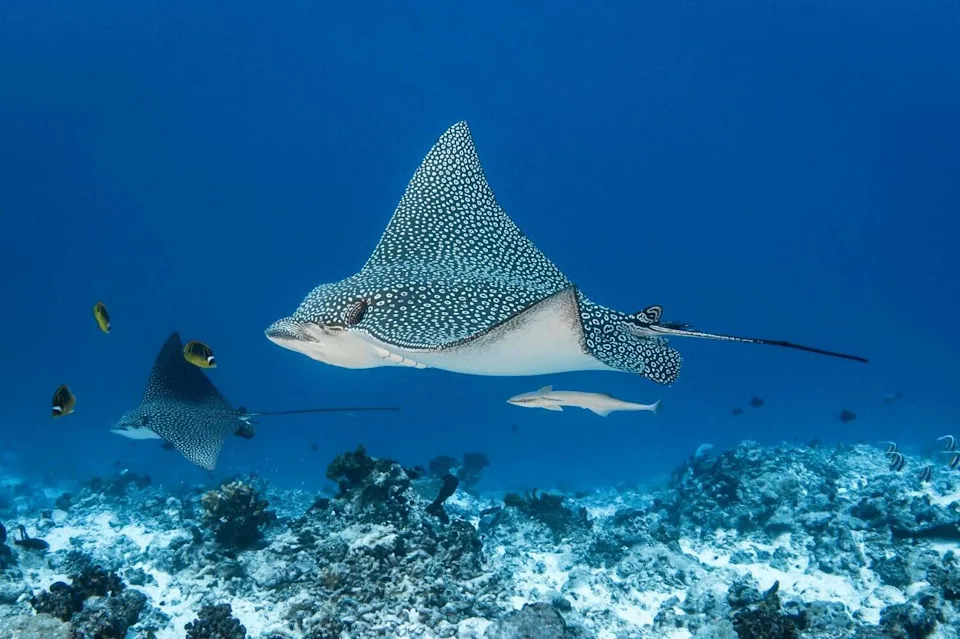
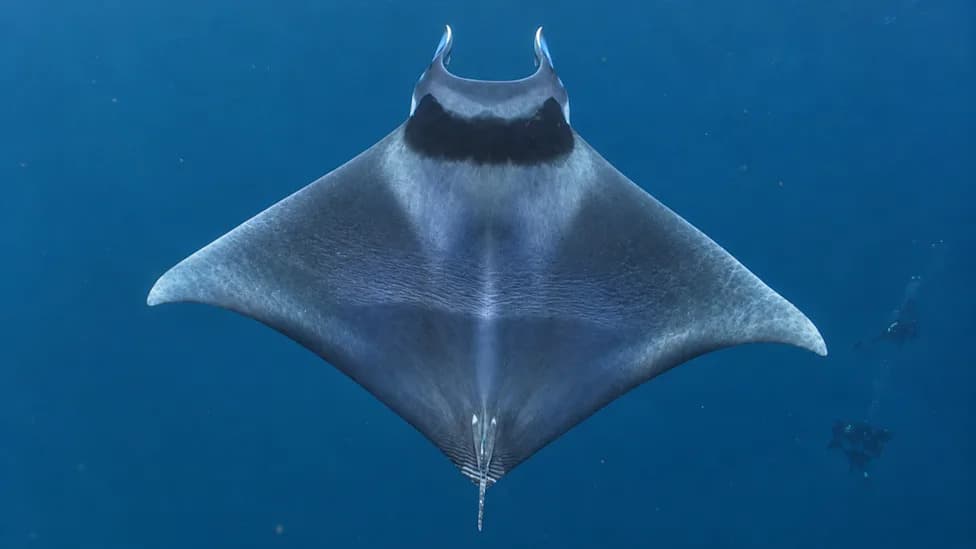
100 to 150 eagle rays were gathered in a small spot just above the seafloor.©Tropicalens/Shutterstock.com
Survey Details and Observations
The inspection was part of a twice-yearly monitoring program using a remotely operated vehicle (ROV). The team surveyed eight of the farm’s 24 pens and four reference sites away from the aquaculture operation. Under a single pen the ROV encountered an estimated 100–150 common eagle rays, with an additional 10–15 common stingrays nearby. So many rays appeared on the live feed that researchers relied on still frames to produce a reliable count. Individuals ranged from full-size adults to small juveniles.
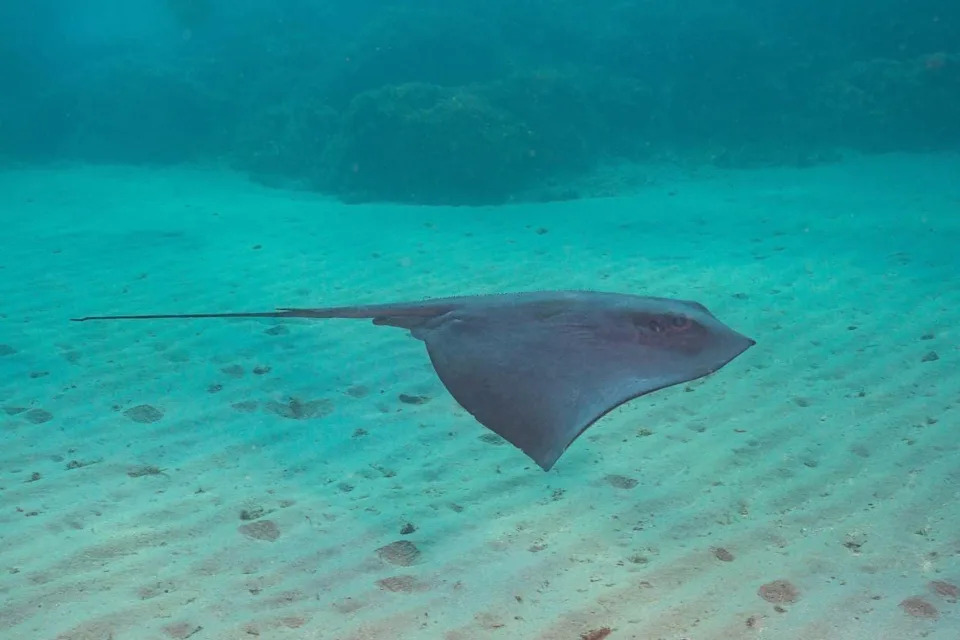
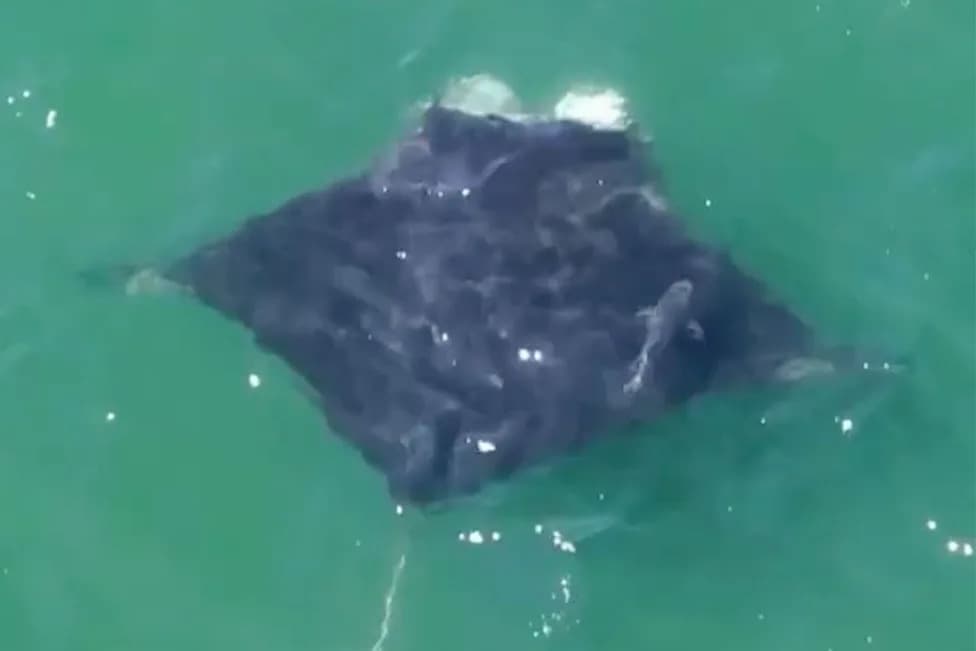
Several stingrays were also spotted nearby.©Jesus Cobaleda/Shutterstock.com
Why the Rays Were There
Investigators concluded the congregation was driven by food: leftover baitfish used to feed the captive bluefin tuna in the pens. Maltese tuna farms feed whole baitfish such as mackerel and sardines; uneaten bait sinks slowly and accumulates on the seabed beneath the cages. Rays were absent beneath pens where baitfish were not present and were not observed at any of the four reference sites, supporting the conclusion that discarded bait was the attractant.
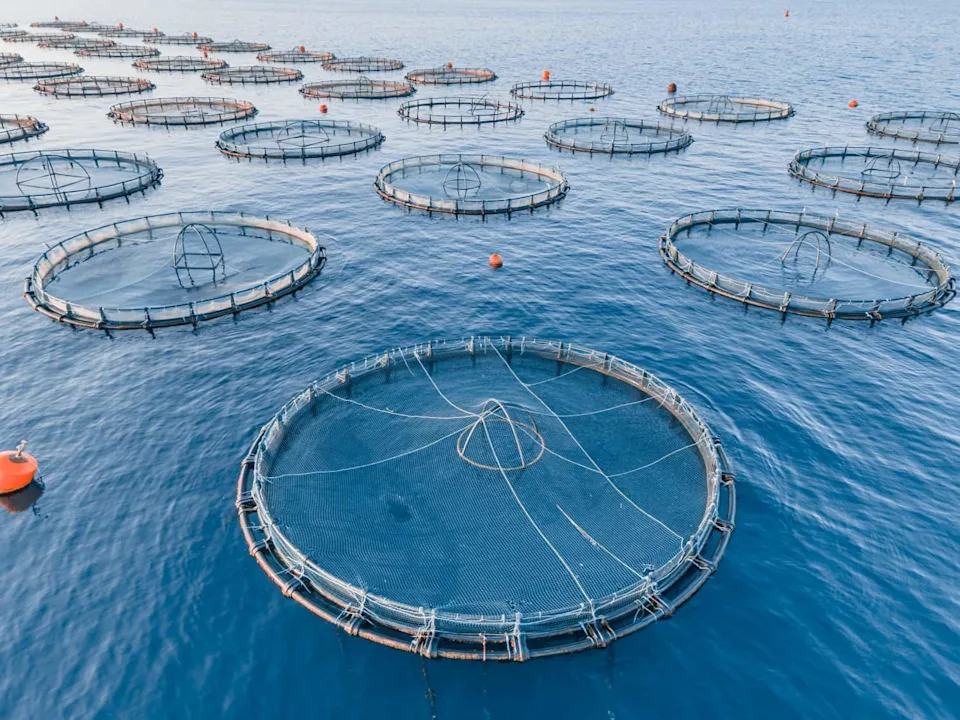
Commercial fish farms have a direct impact on marine wildlife.©Leonid Sorokin/Shutterstock.com
Behavioral Notes
The ROV footage showed rays diving to the bottom to scavenge and larger individuals contesting pieces of bait. This is notable because eagle rays typically feed on shellfish and other benthic invertebrates; scavenging on falling baitfish represents a shift from their usual foraging strategy.
Conservation Concerns
The observation is significant in light of the species’ status: the common eagle ray is listed as Critically Endangered on the IUCN Red List as of 2021 (with a Mediterranean-specific assessment in 2016 listing it as Vulnerable). Large, predictable aggregations of an endangered species can raise several risks: increased chances of targeted fishing (though there is currently no active ray fishery in Maltese waters), greater exposure to pathogens transmitted between wild and farmed fish, and altered natural foraging or migration patterns as animals learn to rely on farm-derived food.
Context and Rarity
Groups of this size are rare. Previous reports include roughly 20–30 rays off the Azores (2015), about 30 near Sicily’s Egadi Islands (2021), and groups of around 50 in the Adriatic Sea. An aggregation exceeding 100 individuals substantially exceeds those earlier records and warrants follow-up.
Next Steps
Researchers plan continued monitoring of the seabed under the pens to determine whether this was a one-off event, a seasonal pattern, or related to a nearby nursery area yet to be identified. For now, they expect the rays will disperse once the supplemental bait supply diminishes, but they will remain vigilant for repeat visits and any long-term behavioral changes.
While floating farms provide predictable food and shelter that can attract marine life, those same features can create conservation and health challenges for vulnerable species.
Help us improve.