The Al-Sultan Abdullah Royal Tiger Reserve in Pahang yielded several notable discoveries during its first multidisciplinary expedition: the Robinson's sticky frog (Kalophrynus robinsoni), last seen in 1922, and a stream toad currently being described as new to science. Teams also recorded an exceptionally rare freshwater fish. Findings were presented at a symposium attended by 74 researchers, officials and community members. Funding from a €1 million EU grant and conservation partners supported the initial work, and further surveys and taxonomic study are planned.
Malaysia Tiger Reserve Yields Frog Not Seen Since 1922 — And A Stream Toad New To Science
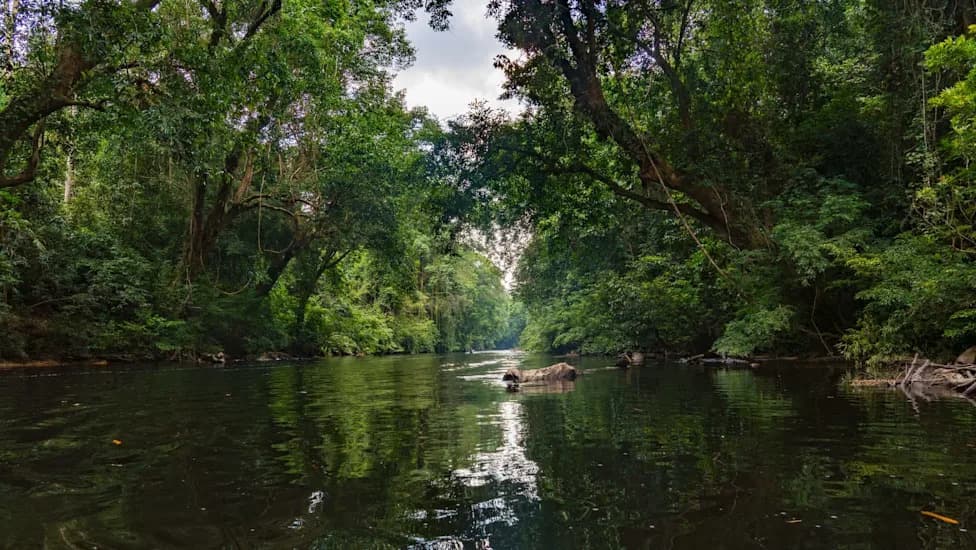
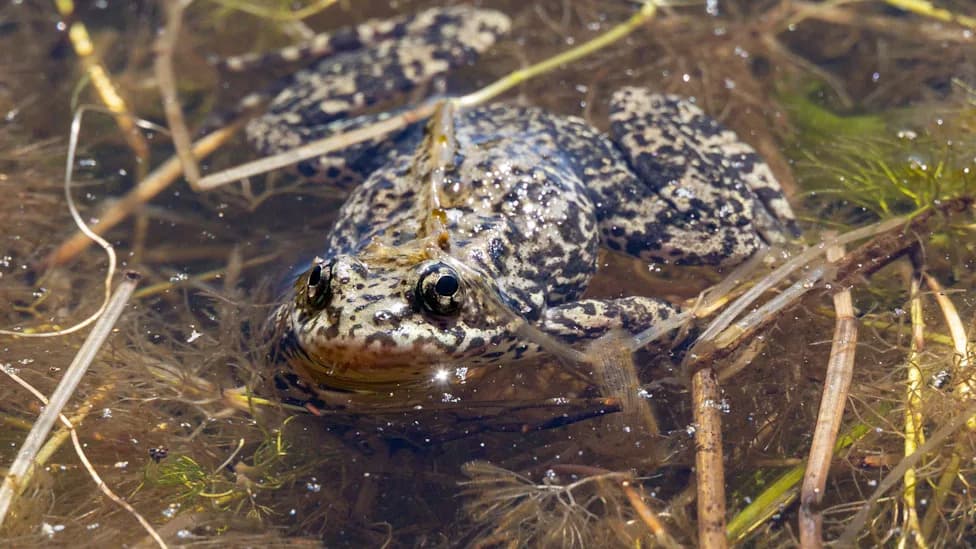
Photo Credit: iStock
A newly established forest reserve in Pahang, Malaysia, is already delivering important conservation and scientific breakthroughs. During its first multidisciplinary expedition, researchers recorded a frog not seen in more than a century and identified a stream toad that appears to be new to science.
Key Discoveries
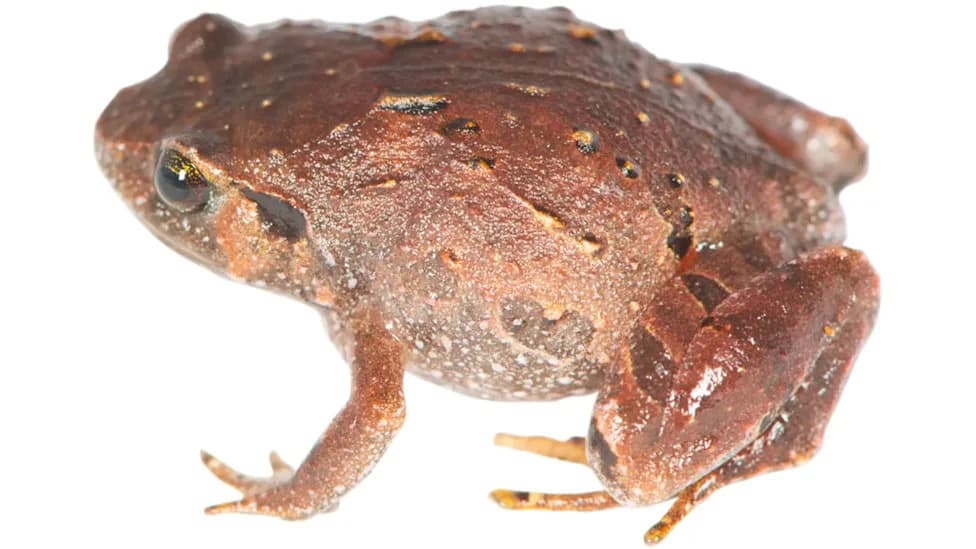
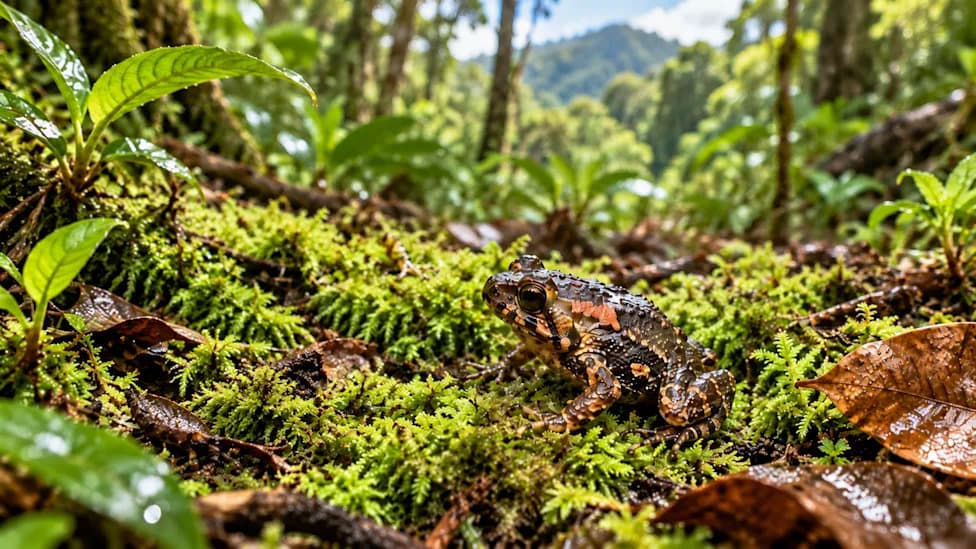
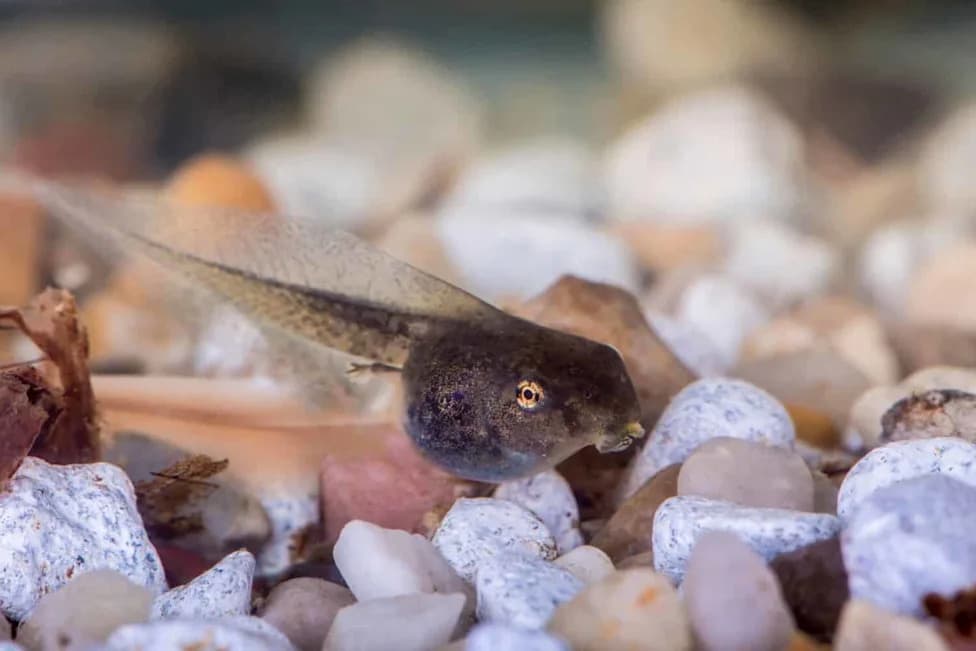
Field teams working in the Al-Sultan Abdullah Royal Tiger Reserve confirmed the presence of Robinson's sticky frog (Kalophrynus robinsoni), a species last recorded in 1922. The expedition also documented an exceptionally rare freshwater fish and encountered a stream toad now undergoing formal taxonomic description.
Scientific Review and Collaboration
Those findings were presented at a scientific symposium organized after the reserve's inaugural expedition. In Kuala Lumpur, 74 attendees from research institutions, conservation organizations, government agencies and local communities gathered to review the results. The lead researcher from Universiti Sains Malaysia, Mohd Abdul Muin Md Akil, identified both the sticky frog and the as-yet-undescribed toad species.
"To record that sighting and discover a new river toad species at the same time was truly remarkable," Mohd Abdul Muin said in a statement issued by the reserve.
Conservation Significance
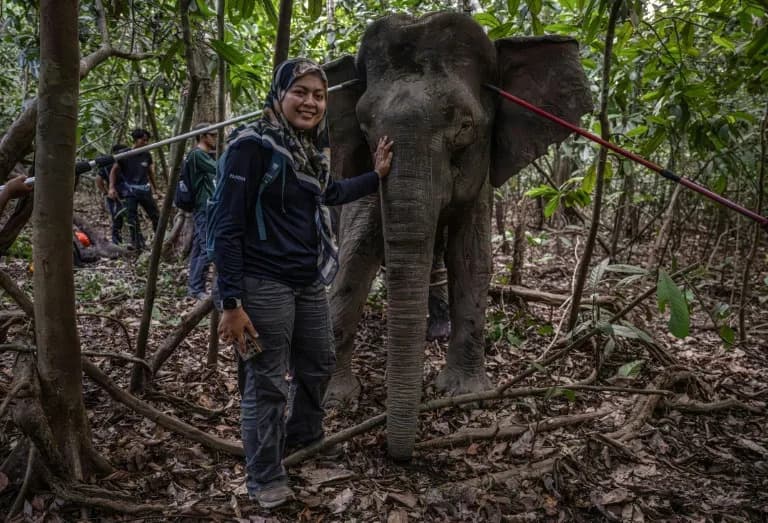
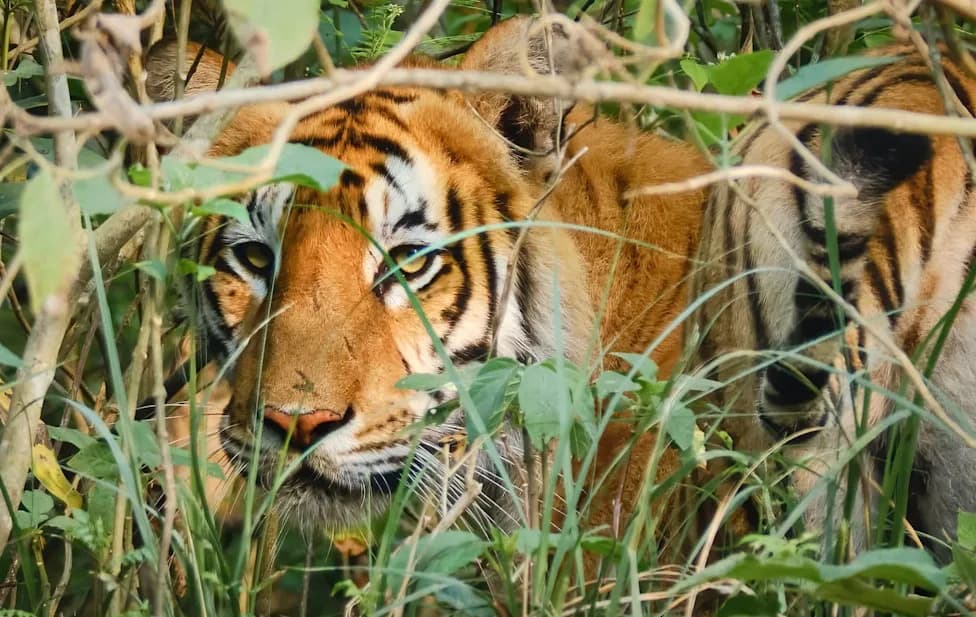
The reserve was established to protect critical habitat for the critically endangered Malayan tiger and also shelters Asian elephants, Malayan gaurs, multiple primate species and diverse birdlife. Large, contiguous forests such as this can still harbor species that are rarely encountered or not yet documented—underscoring the importance of intact habitat for biodiversity, clean water, and ecosystem resilience.
Funding, Partners and Next Steps
The first expedition and early operational work were supported by a €1 million grant (about $1.14 million) from the European Union, with additional contributions from partners including the Mohamed Bin Zayed Conservation Fund. Enggang Management Services organized the symposium with backing from the conservation fund.
Organizers say the next phase will continue biological surveys, complete the formal description of the new stream toad, and use scientific findings to guide protection and management of the reserve while supporting local communities in Hulu Tembeling.
Why this matters: Rediscoveries and new species discoveries demonstrate that intact forests remain vital for biodiversity and for research that can inform conservation, education, and sustainable local development.
Help us improve.