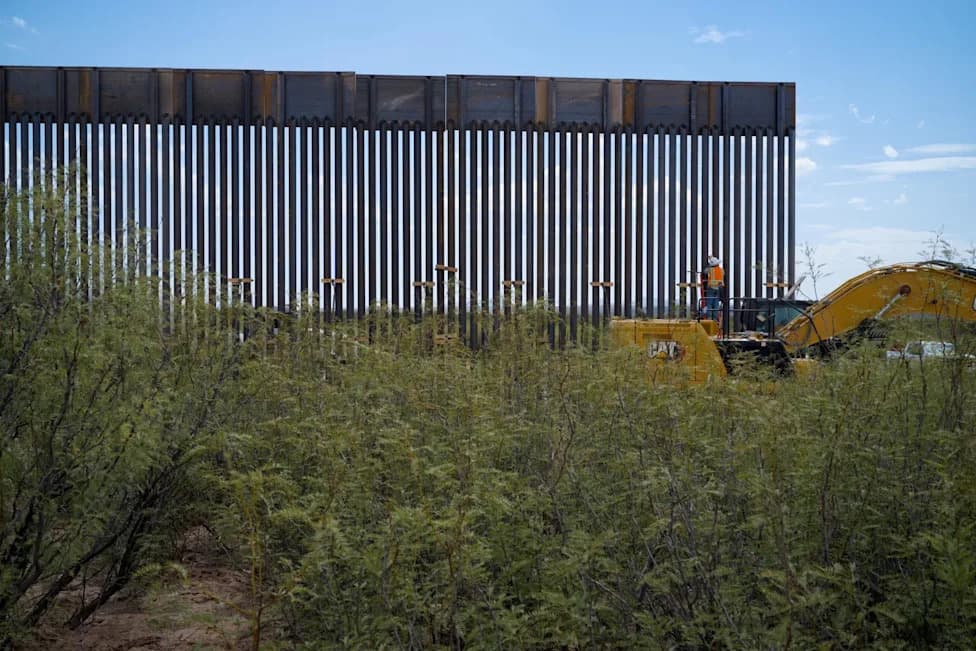
Quitobaquito Springs (A'al Vaipia), a sacred Arizona oasis and the only U.S. home for the Sonoyta mud turtle and other endemic species, faces imminent threat from plans to build a second 30-foot border fence nearby. Construction risks damaging the pond, mesquite critical habitat and the aquifer that feeds the spring, potentially imperiling pupfish, springsnails and turtles. Scientists, Indigenous leaders and conservation groups warn that legal waivers under the Real ID Act have reduced oversight and are urging immediate protective measures and transparent consultation.
Quitobaquito Springs at Risk: Planned Second 30-Foot Border Wall Threatens Sacred Oasis and Unique Wildlife
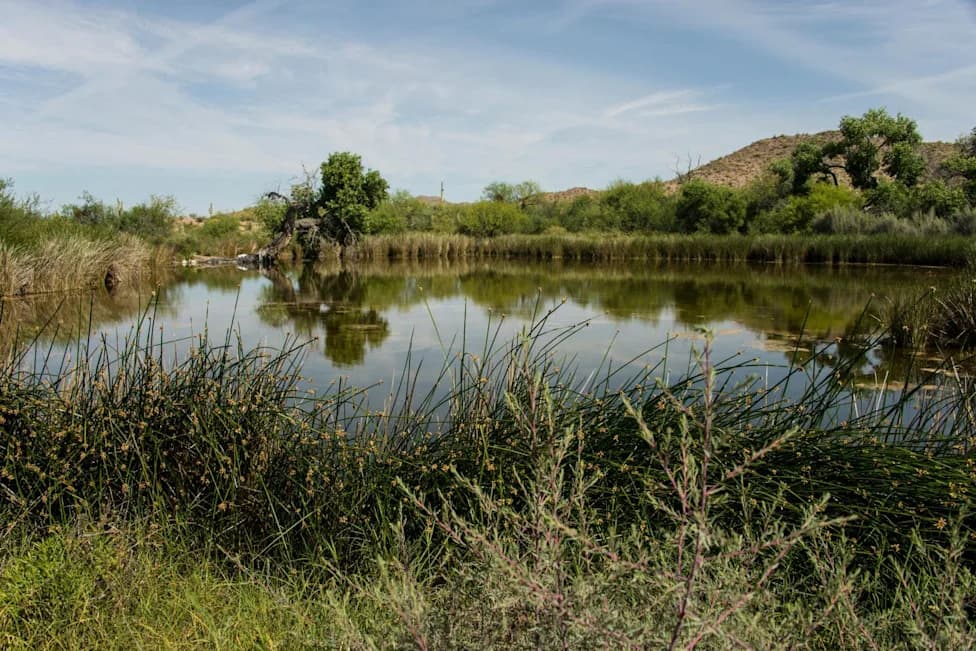
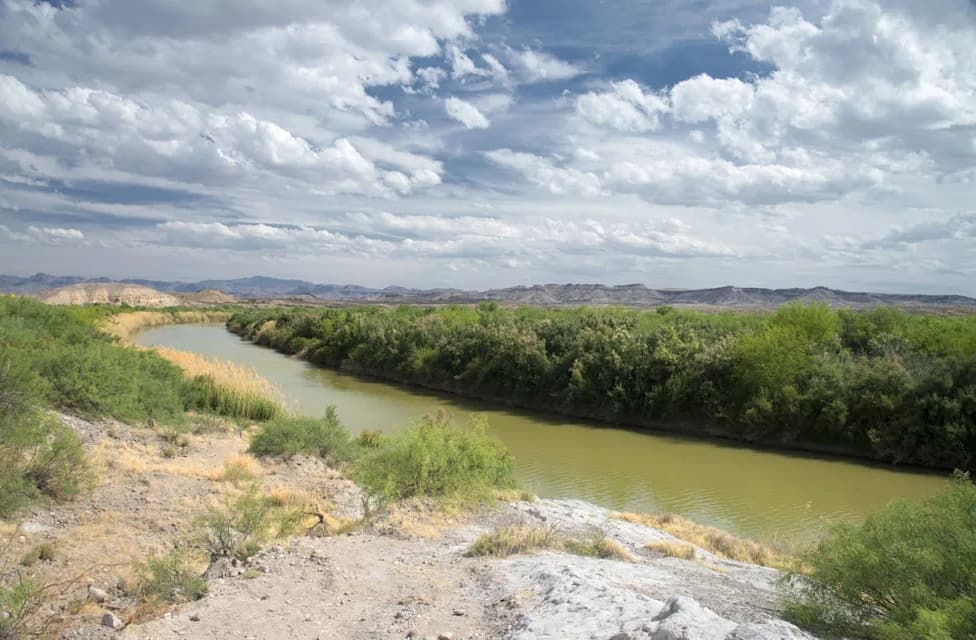
Quitobaquito Springs, in Organ Pipe Cactus national monument, provides one of the only standing bodies of water for hundreds of miles.Photograph: Mark Newman/Getty Images
Quitobaquito Springs (A'al Vaipia) is a tiny but extraordinary oasis in Arizona's Sonoran Desert. Sacred to the O'odham people and located inside Organ Pipe Cactus National Monument, the spring feeds a single small pond and a short concrete channel that together support species found nowhere else on Earth.
What Makes Quitobaquito Exceptional
The pond is the only wild home for Sonoyta pupfish — small, silvery fish — and the channel hosts minute springsnails. Quitobaquito is also the only U.S. habitat for the Sonoyta mud turtle, a domed-shelled reptile adapted to extreme desert conditions. Because the spring provides one of the few reliable water sources within roughly 100 miles, it supports wildlife and Indigenous cultural practices that have persisted for millennia.
Planned Construction And Immediate Threats
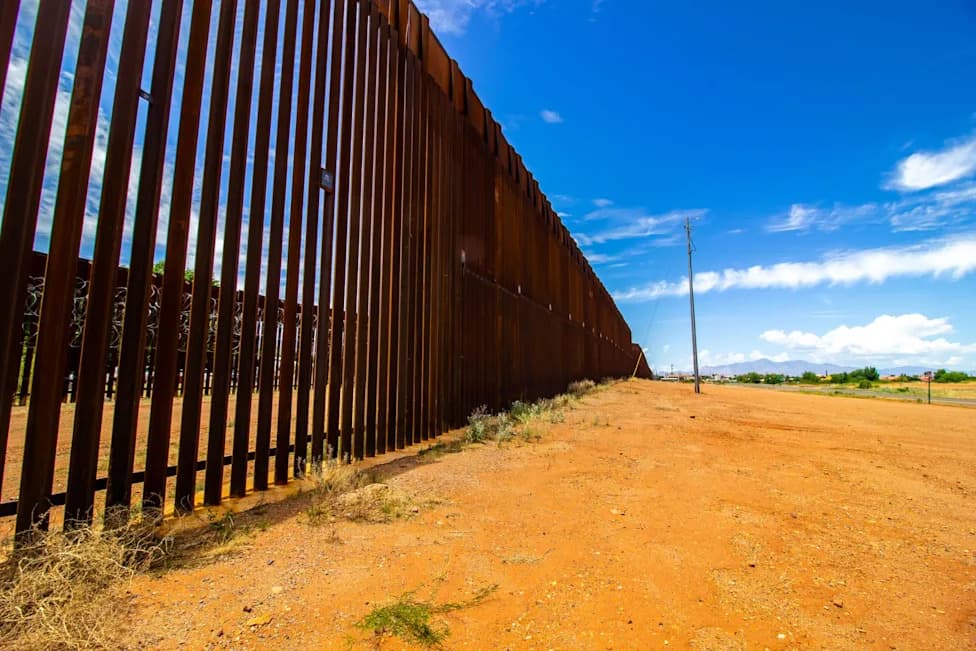
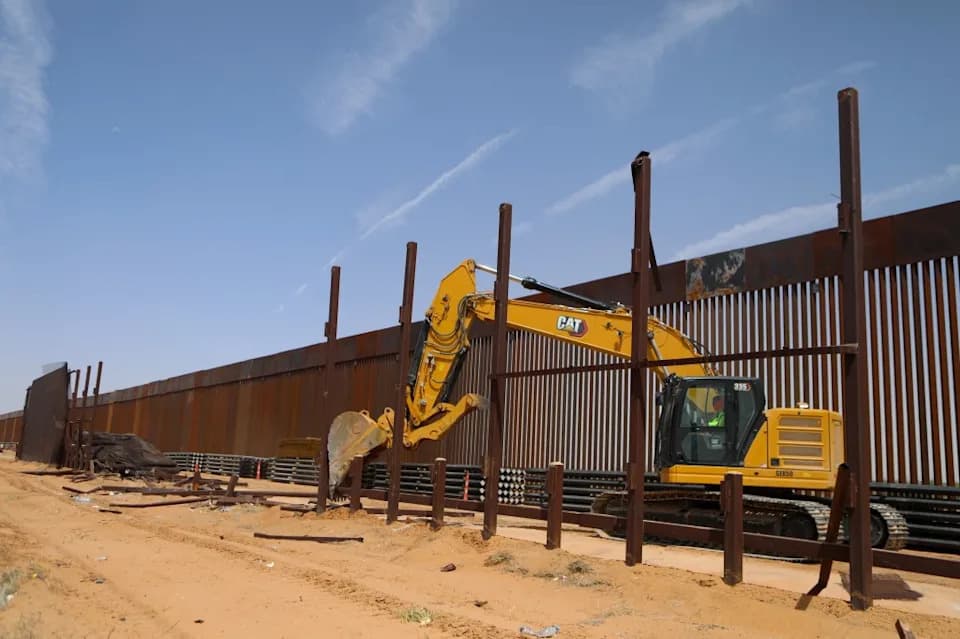
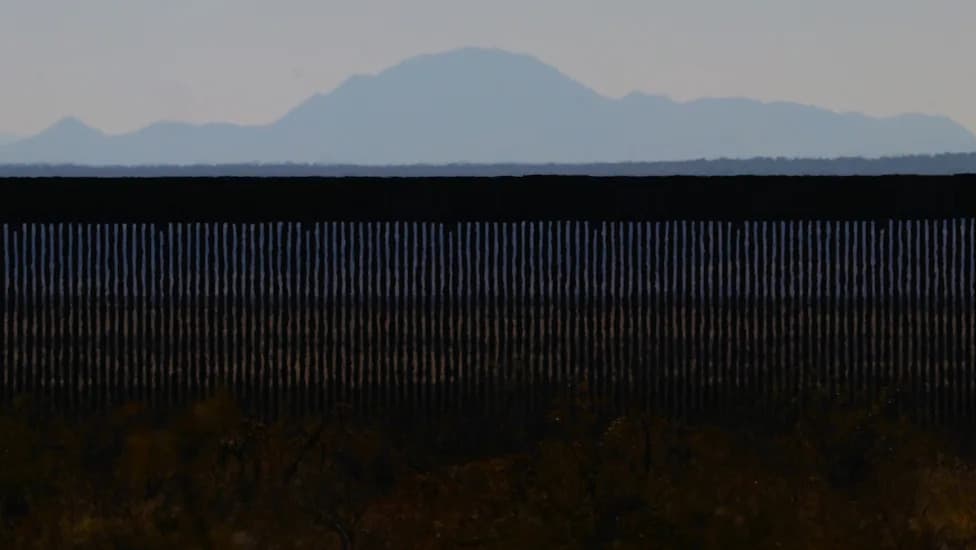
In 2020 a 30-foot (9 m) border barrier was completed nearby; during construction the spring’s flow fell to record lows and the pond partially dried after its lining cracked. Federal plans now call for a second 30-foot steel-beam (bollard) fence sited about 90–150 feet north of the existing wall. The southern edge of the pond lies roughly 190 feet from the international boundary, meaning heavy machinery and associated work could damage or eliminate portions of the pond and adjacent mesquite groves that are designated critical habitat for the mud turtle.
Water, Groundwater Use And The Aquifer
Concrete work and other construction use vast quantities of groundwater. CBP previously estimated that a mile of similar fencing used about 710,000 gallons for construction in 2008. Hydrologic research suggests Quitobaquito is fed by both ancient groundwater and flow from the Rio Sonoyta; groundwater pumping or dewatering during construction could lower the water table enough that the spring ceases to flow.
Legal Waivers And Oversight Concerns
Projects of this size normally require environmental reviews and consultations under laws such as the Endangered Species Act, the National Environmental Policy Act and the Native American Graves Protection and Repatriation Act. However, the 2005 Real ID Act grants the Department of Homeland Security authority to waive many such laws, allowing construction to proceed with reduced oversight. Community leaders and conservationists say they have seen minimal public outreach or transparent planning from CBP.
Impacts On Indigenous Sites And Access
O'odham leaders emphasize Quitobaquito's cultural and spiritual significance. Residents warn the secondary barrier could block Puerto Blanco Drive — the primary access road used for ceremonies — and may threaten graves and ancient cultural features. Locals report that contractors have already damaged an intaglio (a 1,000-year-old earthwork) nearby, underscoring fears for further harm to sacred sites.
Conservation Response And Emergency Planning
Researchers and institutions are racing to prepare emergency measures. The pond currently holds roughly 250 Sonoyta mud turtles; captive backup populations exist at the Arizona–Sonoran Desert Museum (20 turtles) and at the Phoenix Zoo, which also houses the only captive population of Quitobaquito springsnails. There are about five captive groups of Sonoyta pupfish. Scientists stress, however, that captive care is a temporary stopgap — long-term survival depends on preserving the spring and its aquifer.
"Putting up a second wall in this place could be catastrophic," said Tara Harris, director of conservation and science at the Phoenix Zoo.
Current Status
In late May the Department of Homeland Security awarded a contract to Sundt Construction for the Organ Pipe segment; ground work could begin imminently. CBP says it is coordinating with the U.S. Fish and Wildlife Service and the National Park Service and has pledged not to pump within five miles of the springs, but scientists say that buffer may be insufficient given distant groundwater connections. Local residents also report that illegal crossings have been minimal since 2025, raising questions about the necessity of further expansion in this particular location.
The proposed barrier presents intertwined ecological, cultural and legal challenges. Conservations, Indigenous leaders and scientists call for transparent consultation, independent environmental review and protections that prioritize the survival of this irreplaceable oasis.
Help us improve.