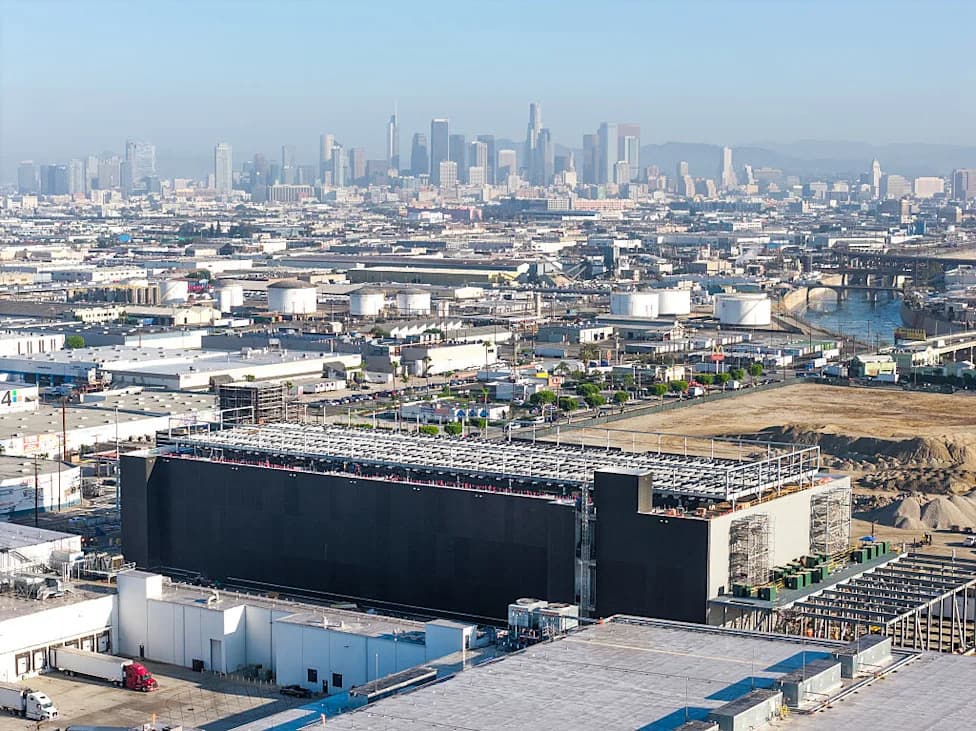
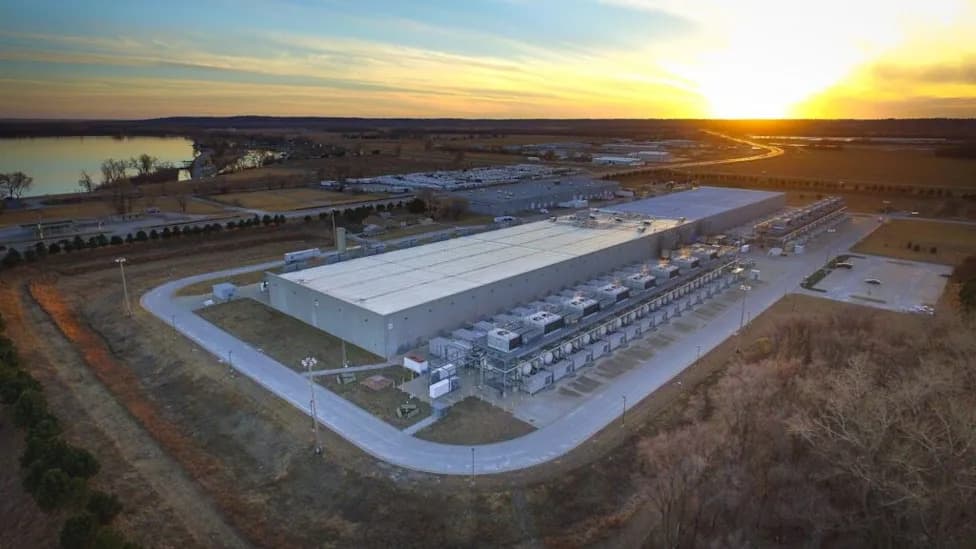
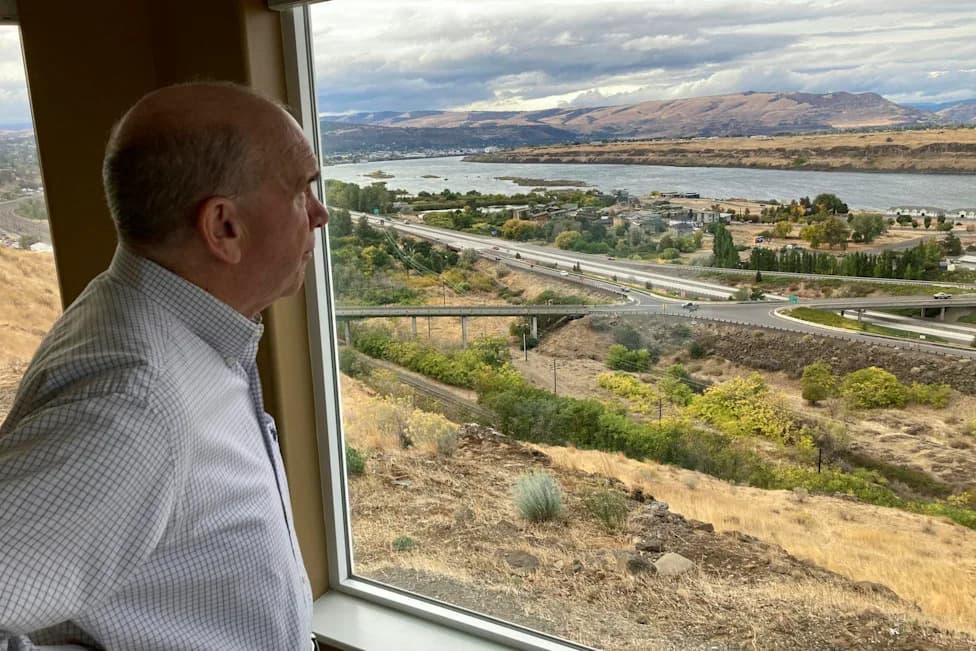
AI data centers face mounting pressure from heatwaves, community opposition and rising costs. A Gallup poll found 70% of Americans oppose new local facilities, while research indicates data-center clusters may raise local temperatures by roughly 3.6°F. The World Economic Forum warns operating costs could increase substantially by 2035 and 2065. Protests have already stalled projects and prompted policy moves such as New York’s one-year moratorium on hyperscale centers.
Heatwaves, Not Neighbors: Why AI Data Centers Face a Growing Crisis
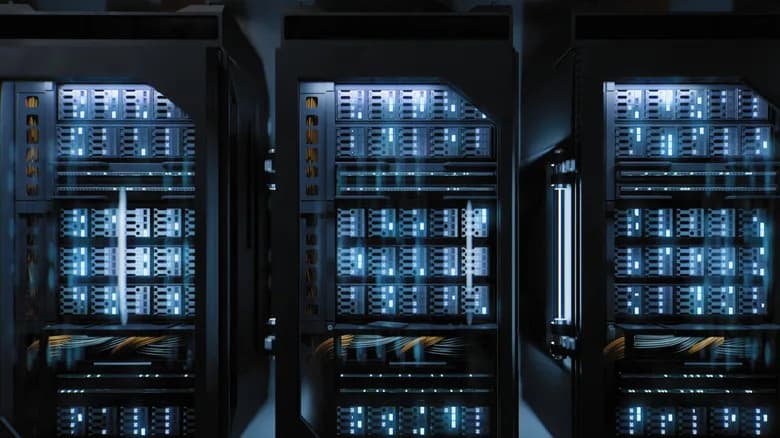
Luza Studios/Getty Images
AI data centers are at the center of a mounting conflict: they power much of the modern digital economy, yet they are increasingly seen as a strain on local resources and a contributor to climate stress. Heatwaves around the world have exposed vulnerabilities in how these facilities operate, fueling public opposition and prompting new policy responses.
Why Heatwaves Make Data Centers More Vulnerable
Data centers run hot by design and rely on large volumes of electricity and water to keep servers cool. When ambient temperatures rise during heatwaves, cooling systems must work harder, increasing energy draw and operational costs. According to the World Economic Forum (WEF), global running costs for data centers could rise by $81 billion by 2035 and $168 billion by 2065 if climate pressures continue to intensify.
Local Impacts: Water Use, Grid Strain, And Rising Temperatures
Communities are concerned about several tangible impacts. Amazon’s data centers reportedly used about 2.5 billion gallons of water in one year, raising questions about water allocation in drought-prone regions. During recent heatwaves, some facilities have tapped emergency power reserves during peak demand, adding strain to local electric grids.
Natalie Behring/Getty Images
Early, not-yet-peer-reviewed research suggests data-center clusters can raise local temperatures by roughly 3.6°F, a phenomenon described as a “data heat island” effect. Residents in places like Slough, England, have reported noticeably higher local heat, although attribution and long-term studies are still needed.
Public Backlash And Political Response
Public opposition is growing: a recent Gallup poll found that 70% of Americans oppose new local data-center construction, with nearly half strongly opposed. Grassroots actions have had measurable impact — Data Center Watch reports protests blocked approximately $130 billion in projects in Q1 2026.
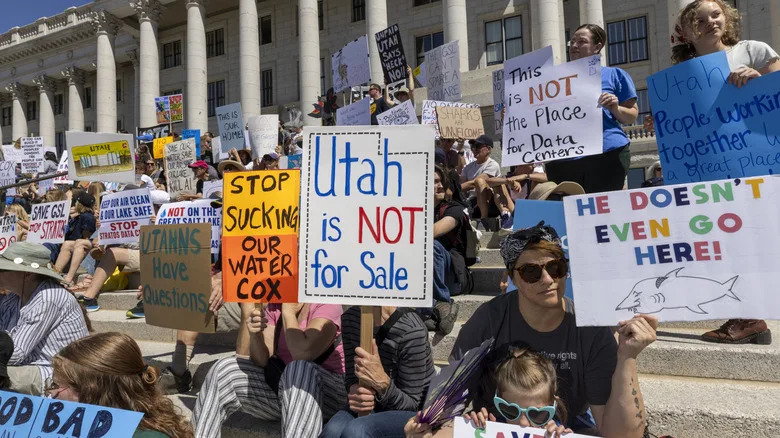
That public pressure is translating into policy. In 2026, New York State implemented a first-in-the-nation one-year moratorium on new hyperscale data centers (defined as those using 50 megawatts or more) while regulators develop protections for residents and the environment. In Utah, proposed projects have drawn protests amid drought conditions — Governor Spencer Cox declared a state of emergency in May 2026 over “extreme drought conditions.”
What Operators, Regulators, And Communities Need To Consider
Solutions require a mix of technological, regulatory and community approaches. Operators can invest in more efficient cooling, water recycling and on-site renewables; regulators can set siting, water and energy-use standards; and communities must be meaningfully involved in planning. However, improving efficiency alone does not resolve the broader paradox: large-scale computing both suffers from and contributes to climate change.
Bottom line: As heatwaves become more frequent and severe, the environmental, social and financial costs of hyperscale computing are becoming clearer. That reality is driving protests, stalled projects and new regulations — and forcing stakeholders to rethink how and where we build the digital infrastructure that modern life depends on.
Help us improve.