Local leaders and advocates in Gary, Indiana, warn that the fast growth of AI data centers may push costly electric infrastructure onto ordinary utility customers. Data shown at a July 15 forum indicate a typical 1,000 kWh household saw electric bills rise about $83 from 2023 to 2025, while gas bills rose roughly $36. The Citizens Action Coalition disputes NIPSCO's claims about ratepayer credits tied to an Amazon deal and is seeking refunds after meter errors overbilled more than 3,500 customers. State regulators have opened an investigation into utility 'trackers' as communities call for more transparency and possible moratoriums on new approvals.
Indiana’s AI Data Center Boom Could Raise Household Energy Bills, Gary Residents Warn
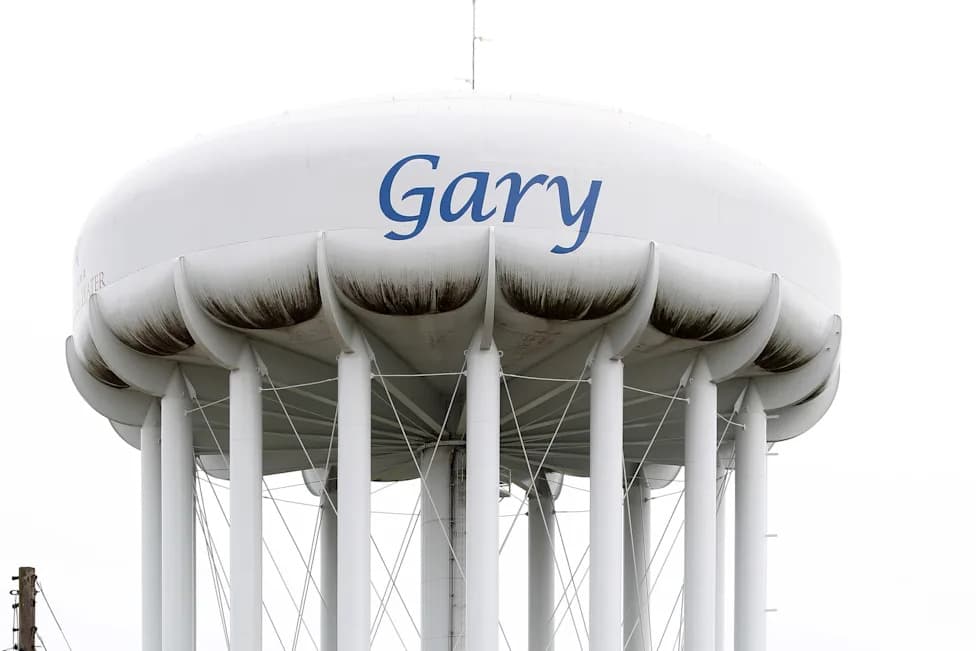
Photo Credit: Getty Images
Residents and local leaders in Gary, Indiana, are raising alarms that the rapid expansion of AI data centers across the state could shift costly electric infrastructure investments onto ordinary utility customers.
Concerns Raised at a Public Forum
At a July 15 public forum, community groups and local officials said customers already feel the strain of rising energy costs. Data presented at the meeting showed that between 2023 and 2025 a household using 1,000 kilowatt-hours per month saw its electric bill increase by about $83, while monthly natural gas charges rose by roughly $36.
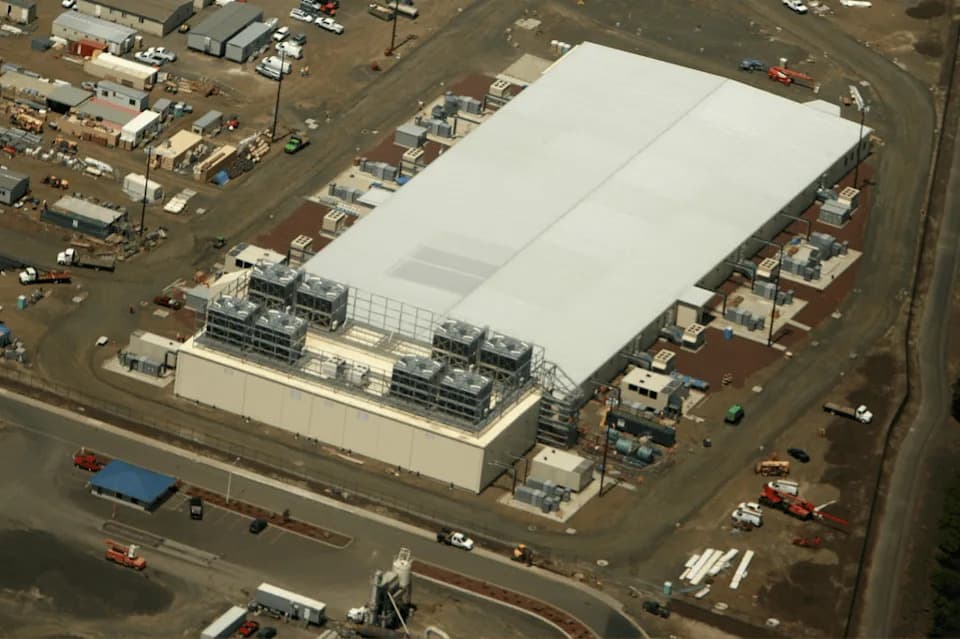
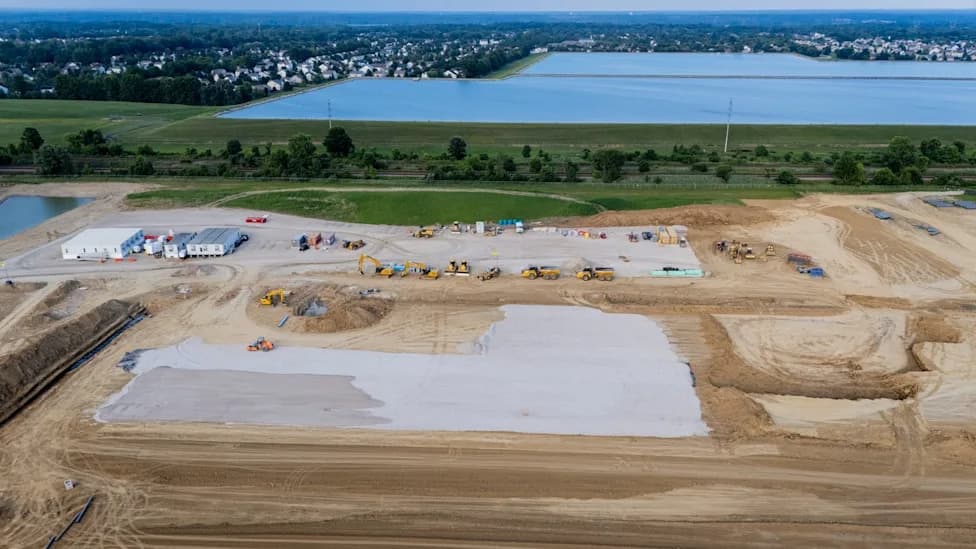
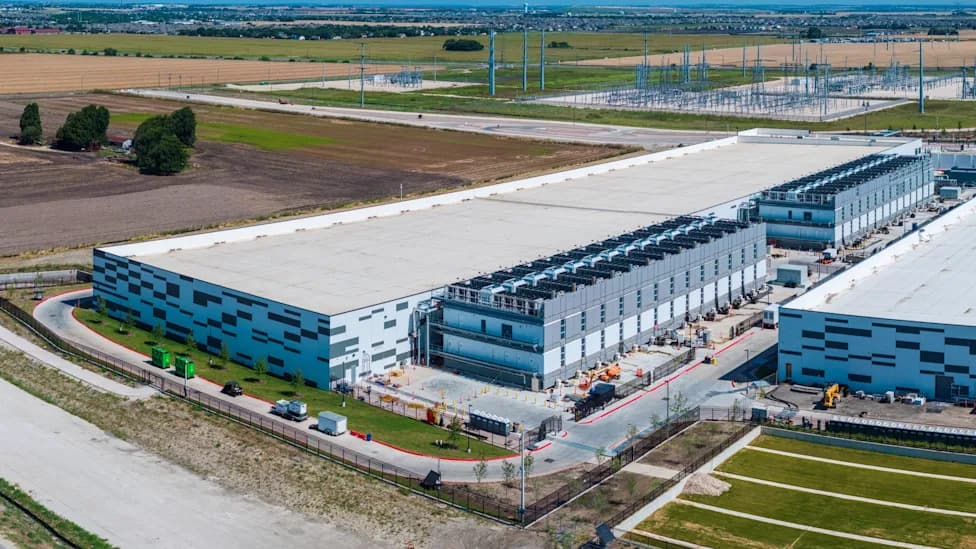
The Citizens Action Coalition criticized a NIPSCO agreement tied to Amazon's New Carlisle data center campus, a project expected to include more than 30 buildings. NIPSCO says the deal will return $1 billion in credits to ratepayers; the coalition contends the benefit would be closer to $3.5 billion if Amazon paid transmission rates comparable to other large industrial customers.
NIPSCO is also contending with fallout from gas meter errors that led to more than 3,500 customers being billed for about double their actual usage. The coalition is pursuing full refunds and described the utility's handling of the problem as egregious.
Why Data Centers Matter
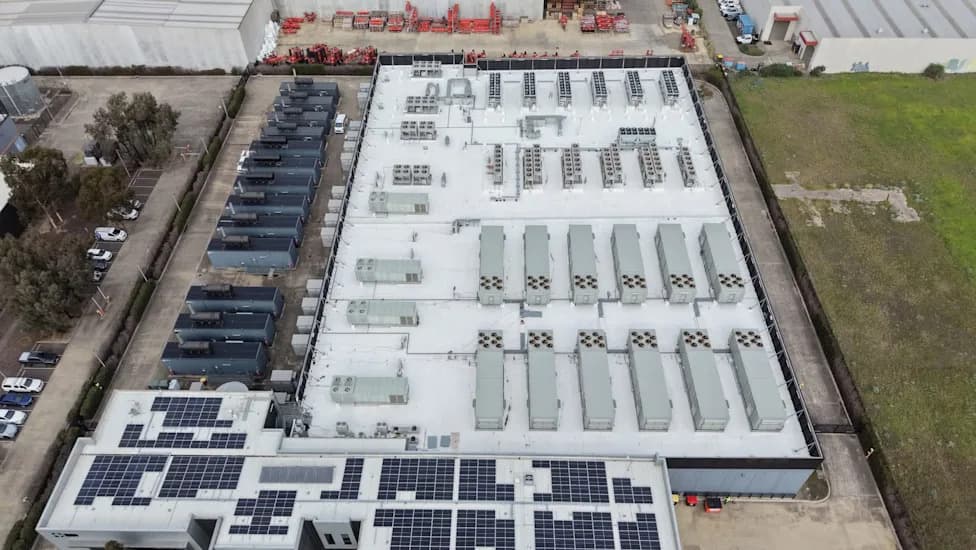
AI data centers require very large, continuous amounts of electricity to train and operate models. Supporters point to benefits such as improving agricultural practices, accelerating scientific discovery and automating time-consuming tasks. But those advantages come with trade-offs: heavy electricity and water use can strain local infrastructure and often affect nearby communities.
Carolyn McCrady, community organizer: 'It is striking how policies like Senate Bill 1 can put towns and working families in a position where they feel compelled to accept data centers that may undermine their fiscal health.'
Some local leaders are urging Gary to pause or slow additional data center approvals while impacts are assessed. Michaela Spangenberg of the Gary Education Coalition said a moratorium would buy time to develop protections for residents. Council Vice President Darren Washington warned that state policy could let utilities pass development costs — even for projects that never materialize — onto customers.
Darren Washington, Gary City Council Vice President: 'Are we really going to force low-income households, single parents, retirees and disabled veterans to pay project development costs for multinational companies with massive balance sheets?'
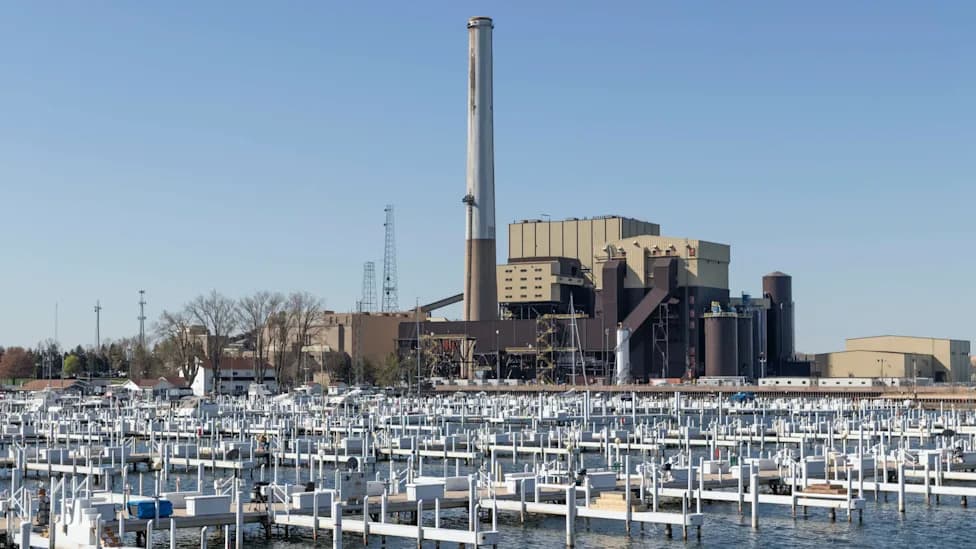
The Indiana Utility Regulatory Commission has opened a formal investigation into so-called "trackers," the charges utilities use to recover infrastructure and other costs outside standard rate cases. State regulators may scrutinize how the costs of new grid investments related to data centers are allocated among developers, utilities and ratepayers.
Local advocates are calling for full refunds for customers harmed by meter errors, greater transparency in utility-developer deals, and consideration of moratoriums or stronger conditions on future data center approvals until protections are in place.
Help us improve.