Governor Mike Braun has ordered a state probe into NIPSCO after severe storms left thousands in Northwest Indiana without power for nearly two weeks, accusing the utility of failing to prepare and restore service promptly. Federal data show U.S. customers averaged 11 hours without electricity in 2024, with weather-driven events accounting for most of the increase. A 2025 Nature Communications study estimated billions in household losses from extended outages and found many people would temporarily relocate during prolonged blackouts.
Indiana Demands Answers From NIPSCO After Nearly Two Weeks of Power Outages
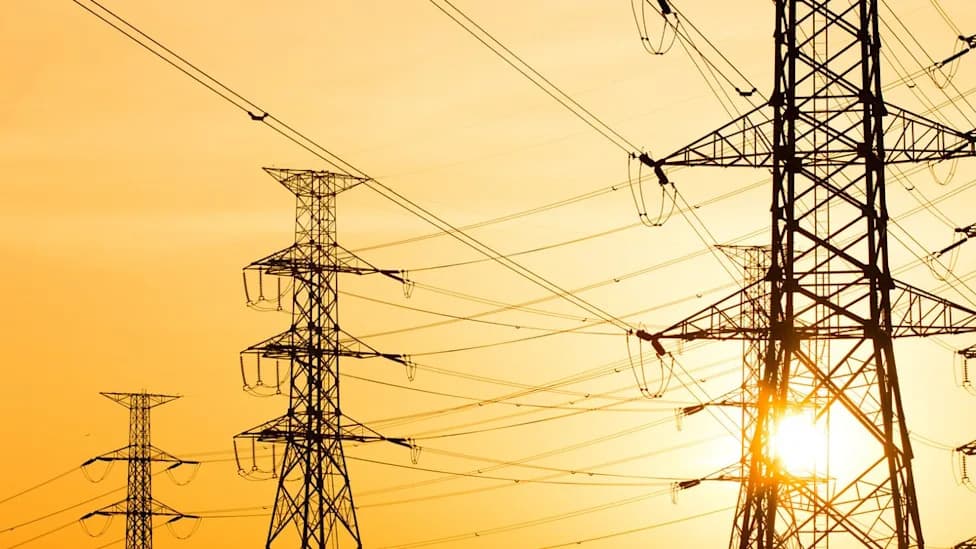
Photo Credit: iStock
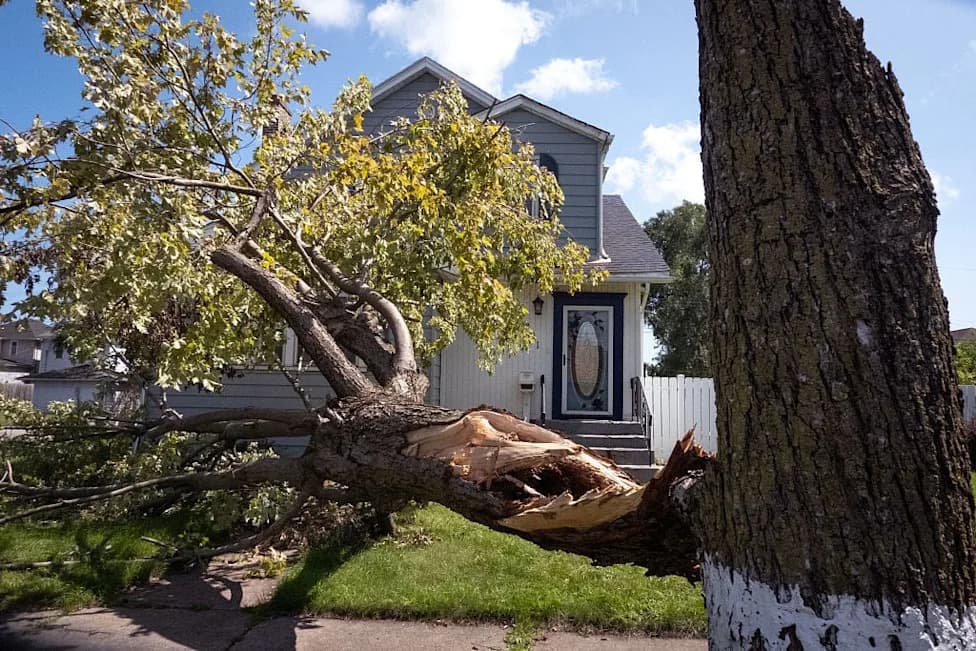
After severe storms swept through Northwest Indiana, thousands of homes and businesses remained without electricity for nearly two weeks, prompting Governor Mike Braun to demand a state investigation into the region's utility provider, NIPSCO.
With outages lingering across multiple communities, Braun said the state must determine whether NIPSCO had adequately prepared for the storms and deployed sufficient restoration resources, according to reporting by Realtor.com.
Governor's Accusation and Requested Probe
In a blunt statement, Braun accused the utility of falling short:
"NIPSCO is a monopoly utility that Hoosiers pay every month with the expectation that it will use its considerable resources to maintain its system, prepare for severe weather, and restore service as quickly as possible when disaster strikes. NIPSCO has failed to keep its end of the bargain."
Scope and Human Impact
In some communities the outages were extensive: regulators reported that in Gary nearly 22,000 NIPSCO customers lacked electricity following the storms. Separately, Ohio regulators were probing outages that affected more than 18,000 customers after an episode of unseasonable heat.
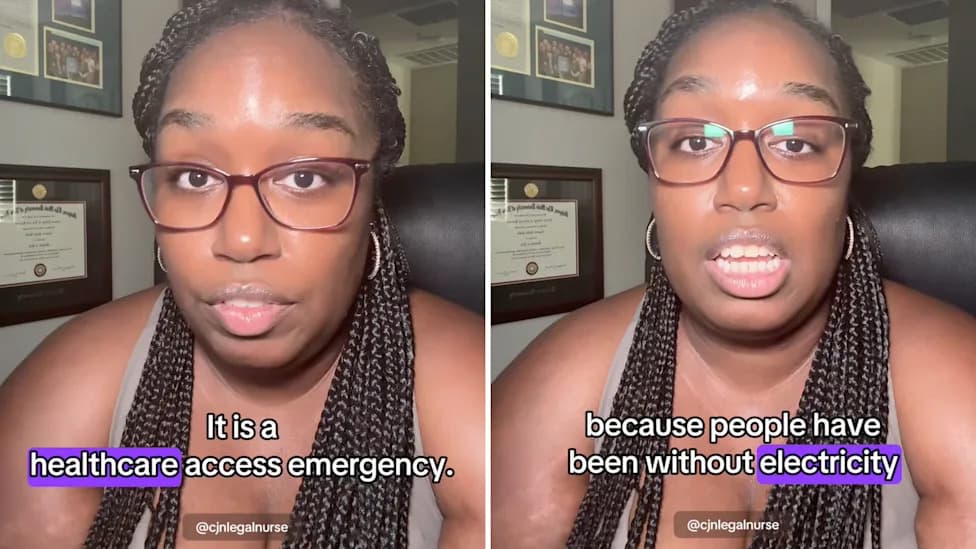
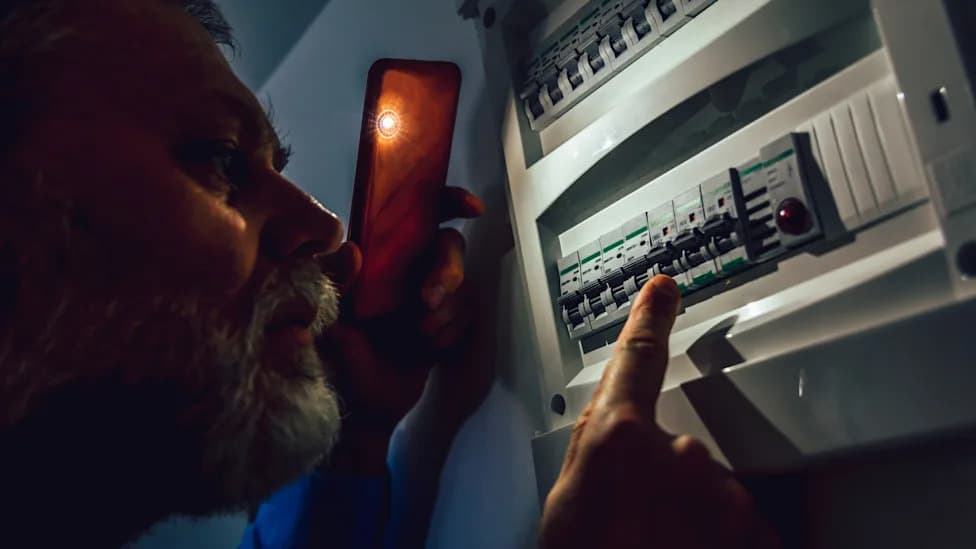
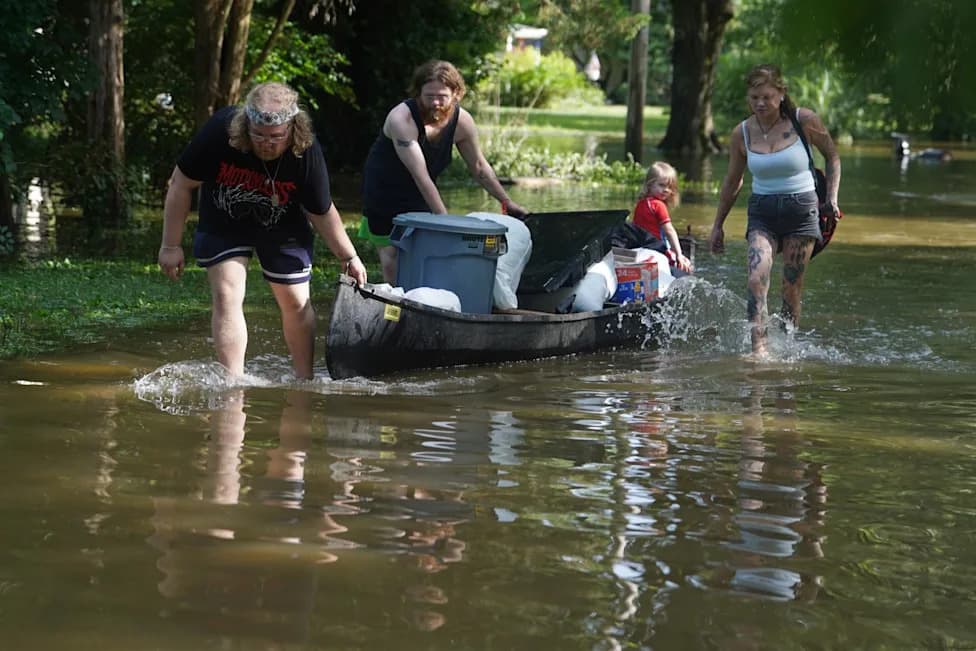
Extended outages have immediate consequences for households: food spoils, homes can become unsafe or uninhabitable, and families often face unexpected lodging, transportation, and meal expenses on top of rent or mortgage payments.
Broader Trend: Longer, Weather-Driven Outages
Federal data indicate this is part of a nationwide trend. The U.S. Energy Information Administration reported that customers averaged 11 hours without electricity in 2024—nearly double the decade-long average—largely driven by weather-related events. Hurricanes and other major storms accounted for almost nine outage hours per customer in 2024, up from just under four hours annually between 2014 and 2023.
Economic Costs and Behavior Changes
A 2025 study in Nature Communications found that 33% of residential customers said they would temporarily relocate during a one-day outage, while 83% said they would leave during a 14-day outage. The study estimated household losses of about $2.2 billion for a one-day outage and $6.9 billion for a 14-day outage, attributing much of those costs to lodging, transportation and meal expenses incurred while displaced.
Accountability and Housing Market Effects
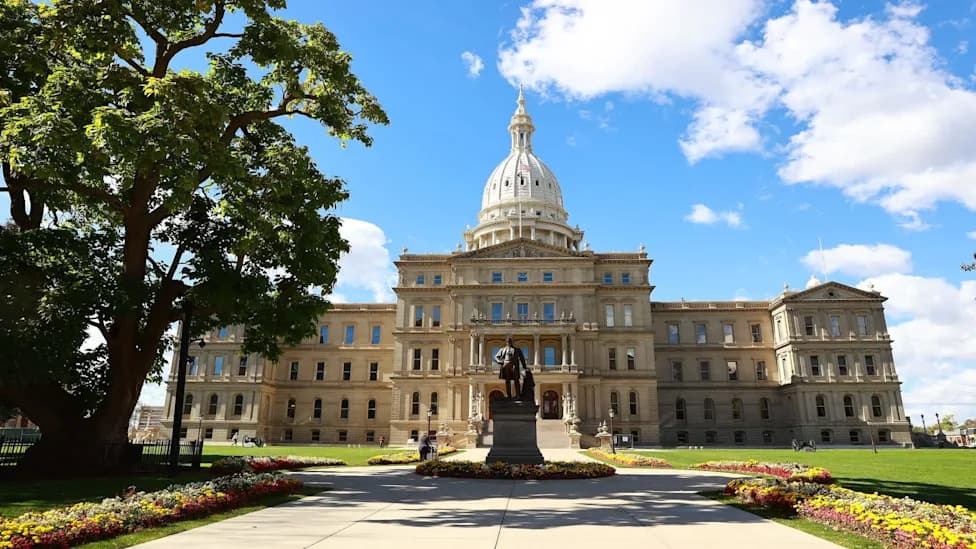
Braun's requested investigation would require NIPSCO to account for spending and planning on system maintenance, storm readiness and restoration resources. Public officials and local leaders have amplified scrutiny: Lakewood Mayor Meghan George told the Lakewood Observer that power failures are "life-and-death matters" that impose substantial costs on residents and businesses.
Homebuyers are also factoring blackout risk into decisions. Florida-based real estate agent Jim Chamberlin told Realtor.com that buyers increasingly want to know how neighborhoods function after storms—how long power, internet and nearby essentials typically take to return—so they can assess what living there really looks like beyond a sunny day.
For many households—particularly lower-income families—backup power remains unaffordable, making utility preparedness and accountability a critical complement to individual resilience efforts.
Help us improve.