The article explains how a Cascadia megathrust earthquake could abruptly displace the seafloor and generate massive tsunamis. The Cascadia Subduction Zone spans about 600 miles from Northern California to British Columbia; a full rupture could produce a magnitude‑9 quake (last in 1700). The USGS estimates a 10–15% chance of a full‑margin M9 in the next 50 years and roughly a 30% chance of an M8+ event in southern Cascadia. Oregon officials warn of 5–7 minutes of shaking, tsunami arrival in 10–20 minutes, modeled run‑ups of 30–55 feet at Siletz Bay and possible heights up to 100 feet in some locations.
Cascadia Megathrust Could Send 100‑Foot Tsunamis to West Coast — What Residents Need to Know
100-Foot Cascadia Megathrust Tsunami Threat Looms Off the West Coast (Video)
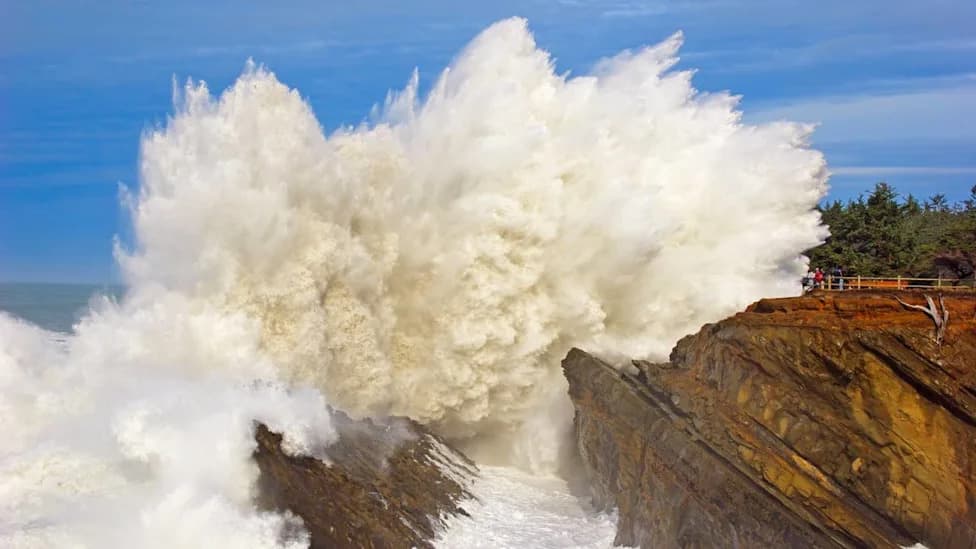
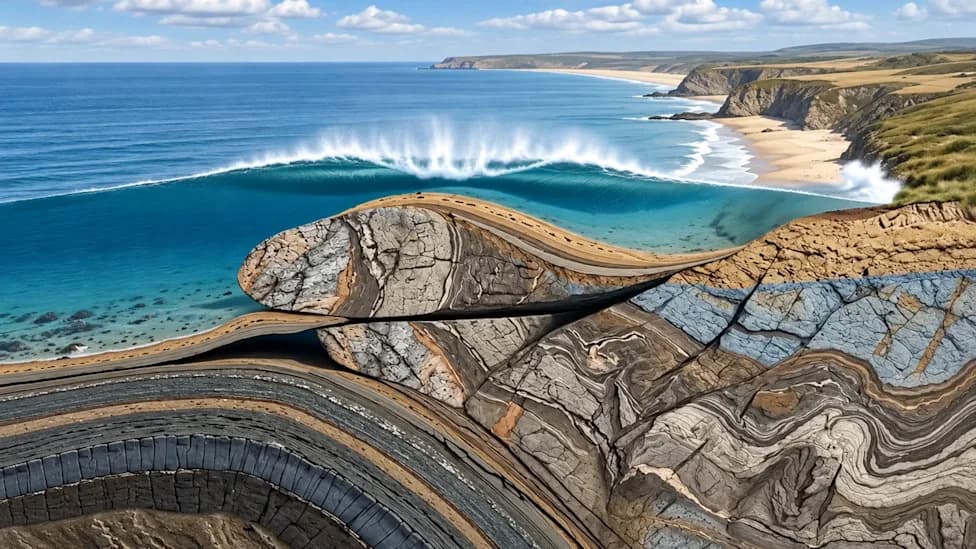
A dramatic simulation video illustrates a terrifying possibility: a megathrust earthquake off the U.S. Pacific Northwest suddenly displacing the seafloor and turning the ocean into a devastating weapon. While the clip is small-scale, the real event it represents could reshape coastlines and threaten thousands of lives.
How a Megathrust Tsunami Forms
The mechanism is simple but powerful. Two tectonic plates lock together while one plate is forced beneath the other. Over decades or centuries, stress builds until the fault ruptures. When the seafloor abruptly rises or falls, it displaces the overlying column of seawater and sends tsunami waves outward at high speed.
The Cascadia Threat
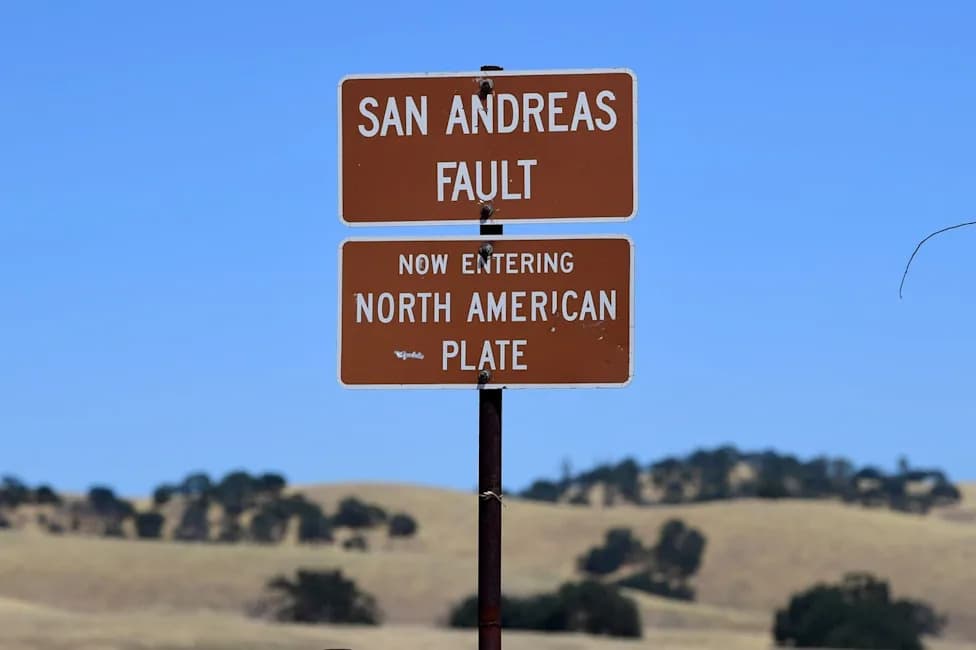
The Cascadia Subduction Zone stretches roughly 600 miles from Northern California to British Columbia, where the Juan de Fuca Plate slides beneath the North American Plate. A full-margin rupture could produce a magnitude‑9 earthquake; the last such event occurred on January 26, 1700, and generated a tsunami that crossed the Pacific and struck Japan.
Likelihood and Timing
Scientists agree Cascadia will rupture again, but they cannot predict exactly when. The latest U.S. Geological Survey (USGS) assessment places the probability of a full‑margin M9 earthquake at about 10–15% over the next 50 years. For southern Cascadia, the chance of an M8‑or‑larger event is roughly 30% in the next 50 years.
What Coastal Communities Could Face
Oregon officials warn that if a large rupture occurs, people on the coast will have very little time to respond. Strong shaking could last five to seven minutes, and tsunami waves could begin striking some shoreline areas in as little as 10 to 20 minutes after the quake. DOGAMI coastal geologist Laura Gabel emphasizes that knowing and practicing evacuation routes is critical for survival.
"Knowing and practicing evacuation routes is critical for keeping you and your loved ones safe." — Laura Gabel, DOGAMI coastal geologist
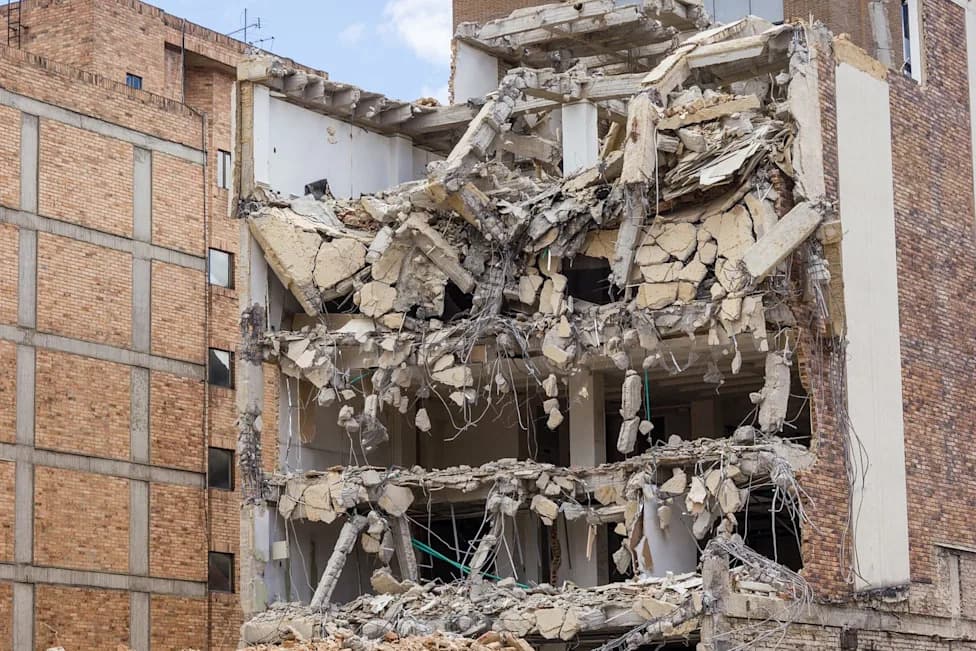
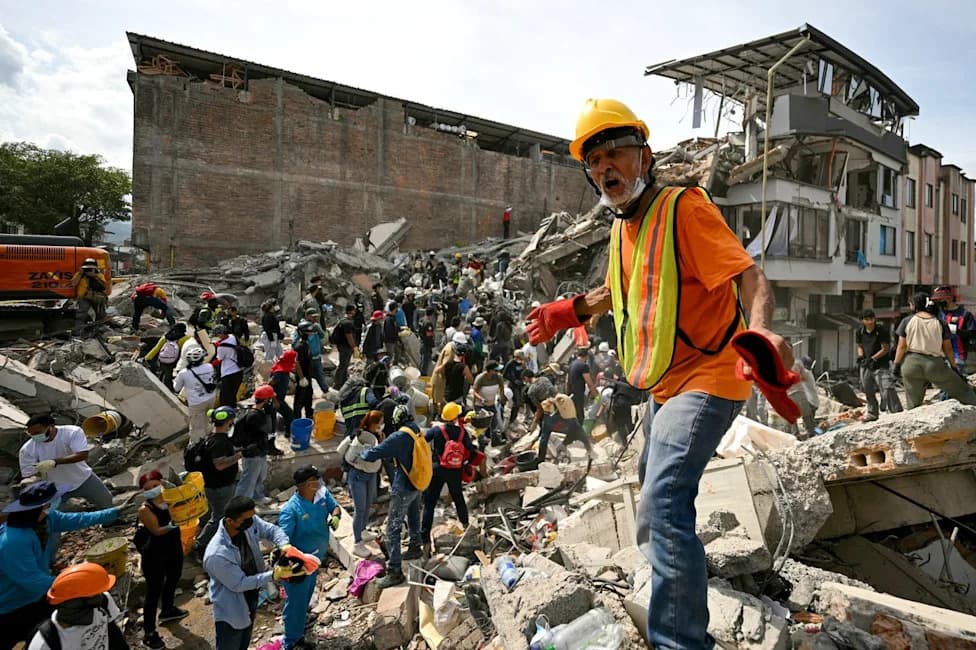
These would not be ordinary waves. Oregon emergency planners say a Cascadia tsunami could reach up to 100 feet in some locations and scenarios. Modeling for Siletz Bay shows open‑coast run‑up of about 30–35 feet in a likely scenario and roughly 50–55 feet in a worst case. State assessments estimate the combined earthquake and tsunami could cause more than 10,000 deaths and exceed $30 billion in losses in Oregon alone.
Practical Steps for Residents
If you live or visit the coast: know your evacuation routes and high ground, practice drills, prepare an emergency kit, and be prepared to move immediately after strong or prolonged shaking. Do not wait for official alerts—tsunami waves can arrive within minutes.
What looks small on a screen can be catastrophic in the real world. The Cascadia Subduction Zone remains one of the most consequential natural hazards facing the U.S. West Coast, and preparedness can save lives.
Help us improve.