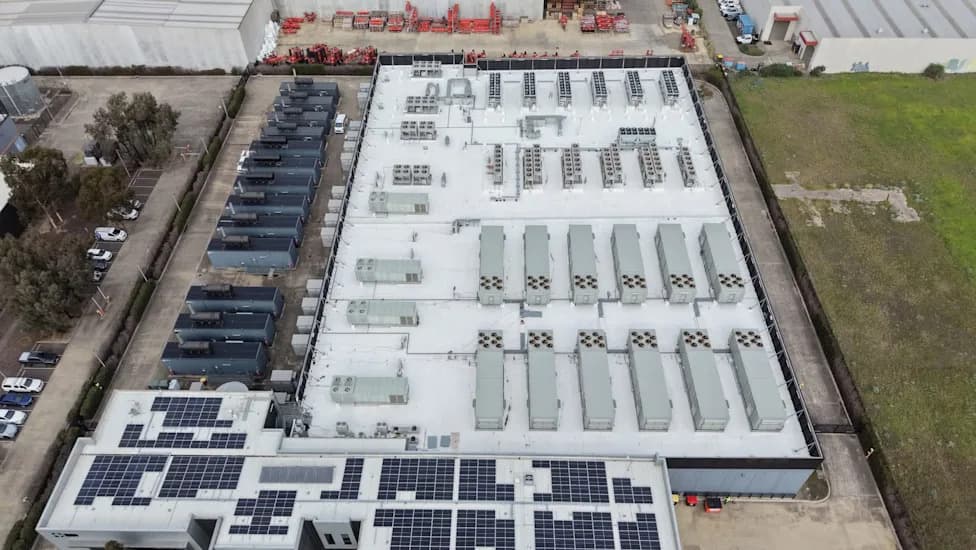
The rapid expansion of AI data centers is increasing pressure on the U.S. electric grid and fueling debates over who should pay for new infrastructure. The House passed the bipartisan Ratepayer Protection Act to encourage very large electricity users (100 MW+ at one site) to bear the costs of new generation and grid upgrades, while leaving adoption to state regulators. Several states—including Florida, Oregon, Virginia, Texas, Alabama, Nebraska and South Dakota—have adopted various rules to protect ratepayers; California is pursuing a study-first approach.
Who Should Pay for AI Data Centers’ Power? House Bill and State Rules Push Costs to Large Users
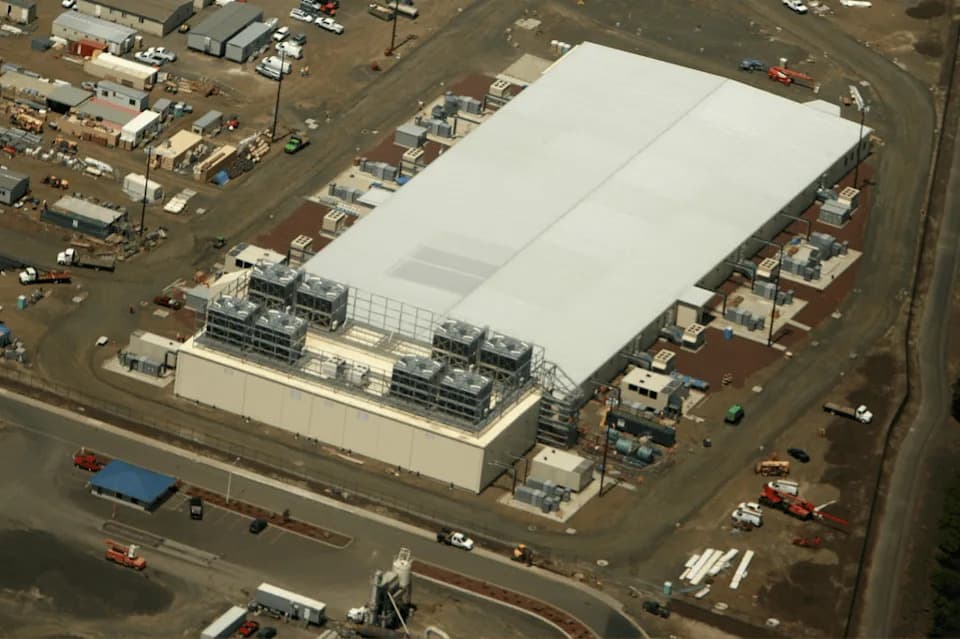
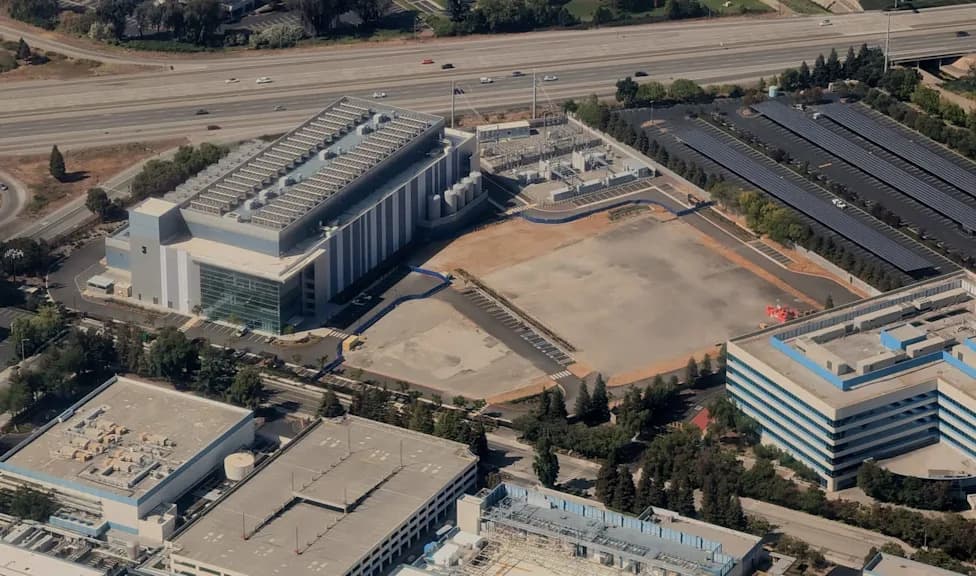
File photo: a Google data center is seen from above on June 15, 2006 in The Dalles, Oregon.
The explosive growth of AI data centers is straining the U.S. electric grid and prompting a debate over who should fund the new power plants, substations and transmission lines required to serve them. Lawmakers and utility regulators are increasingly asking whether the companies driving the AI boom should pay these costs or whether they should be shared by households and small businesses on the same grid.
Federal Action: The Ratepayer Protection Act
On September 16, the U.S. House passed the bipartisan Ratepayer Protection Act by a 417–3 vote. Introduced by Rep. Gabe Evans (R-Colo.) and Rep. Kathy Castor (D-Fla.), the bill would amend the Public Utility Regulatory Policies Act of 1978 (PURPA) to create a federal standard aimed at preventing ordinary ratepayers from effectively subsidizing infrastructure built for exceptionally large electricity users.
Under the proposed standard, any single business or organization drawing at least 100 megawatts (MW) at one location would be required to pay the full cost of new generation, transmission or grid upgrades built specifically to serve it. Utilities would also need financial guarantees from those large users before starting upgrades. The measure would require state utility regulators to review the standard and decide whether to adopt it, leaving implementation decisions to the states rather than automatically pre-empting existing rate-setting regimes.
Why This Matters
Data centers already consume a sizable and growing share of U.S. electricity. A 2024 report from the Department of Energy’s Lawrence Berkeley National Laboratory estimated that U.S. data centers used about 176 terawatt-hours (TWh) in 2023 — roughly 4.4% of total U.S. power — and projected consumption could rise to 325–580 TWh by 2028 (about 6.7%–12% of national demand). Meeting that demand may require utilities to spend millions or even billions on new infrastructure. Supporters of the Ratepayer Protection Act say the bill reduces the risk that those costs will be passed on to ordinary customers if projects are delayed, scaled back or use less power than projected.
State-Level Patchwork
Several states have already taken steps to ensure large electricity users bear more of the costs and risks:
Florida
Florida enacted one of the clearest statewide protections. The law applies to large users expected to draw at least 50 MW at a single site. Utility tariffs must "reasonably ensure" qualifying customers bear the full cost of service so costs are not shifted to other ratepayers. Utilities must file rate plans with the Florida Public Service Commission by October 1, 2026. Florida Power & Light’s proposed plan would require long-term contracts, financial guarantees, minimum power-purchase commitments and potential exit fees.
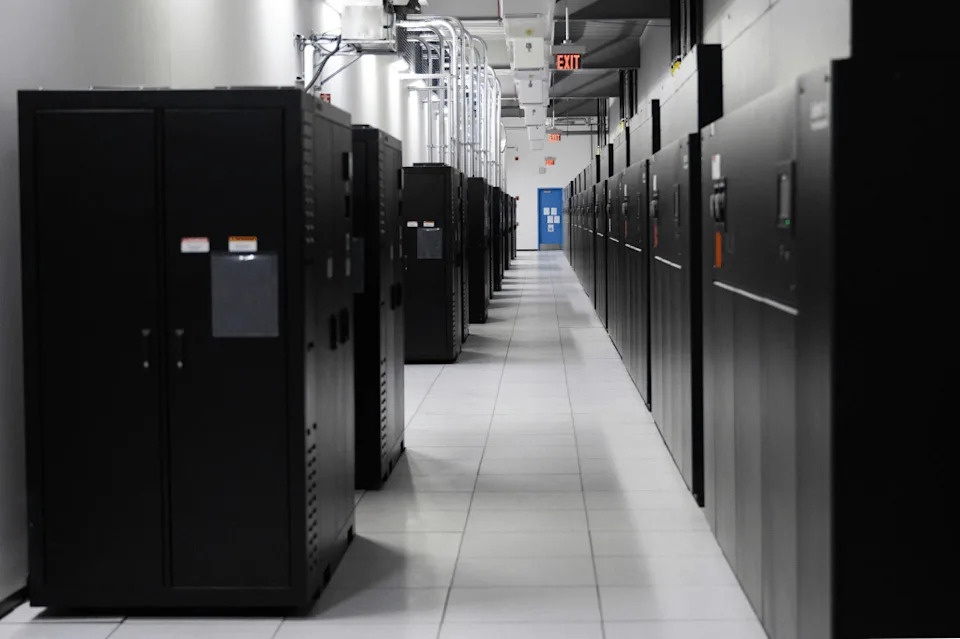
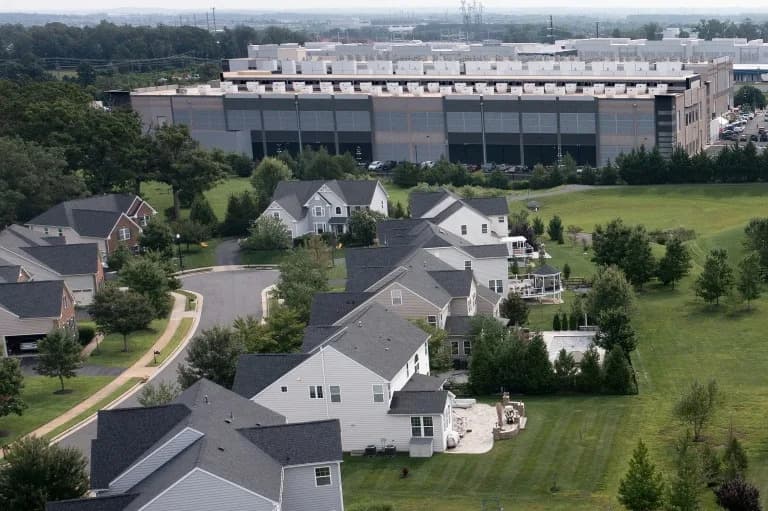
File photo: power banks and active servers are seen at a Digital Realty data center in Ashburn, Virginia, November 12, 2025.
Oregon
The 2025 Protecting Oregonians With Energy Responsibility (POWER) Act directs the Oregon PUC to manage costs and risks from rapid data-center growth. The law applies to facilities using at least 20 MW. In September 2026 the Oregon PUC approved Schedule 96 for large-load customers served by Portland General Electric (PGE), aligning charges with the specific costs of serving large users and directing an additional one cent per kilowatt-hour from customers using at least 100 MW to residential programs.
Virginia
Virginia took a regulatory route: in November 2025 the State Corporation Commission approved a new rate category for very large users (at least 25 MW) that takes effect January 1, 2027. Qualifying customers must pay for most infrastructure and reserved capacity even if they use less power than expected.
South Dakota
Legislation enacted in 2026 requires data centers with peak demand of at least 10 MW to accept separate service terms obligating them to reimburse utilities for costs fairly attributed to their demand, including protections against stranded investments.
Texas
Senate Bill 6 requires large-load users in the ERCOT region (generally those needing 75 MW or more) to help pay for grid connection costs. ERCOT reported around 205 gigawatts of large power projects seeking connections as of October 2025, with roughly 70% of that capacity requested by data centers.
Alabama and Nebraska
Alabama’s Senate Bill 270 (effective October 1, 2026) targets data centers expecting to use at least 150 MW across adjoining sites and uses contract-by-contract regulatory scrutiny to ensure they cover additional utility costs. Nebraska’s Large Load Customer Regulation Act covers new or expanded loads exceeding 20 MW, allowing public power suppliers to set interconnection standards, customer-specific rates and require financial commitments.
California
California took an information-first approach. Senate Bill 57 directs the California Public Utilities Commission to study how data-center growth affects the grid and whether costs are being shifted to other customers, rather than mandating developers pay those costs. Developers have requested roughly 18.7 GW of capacity, according to figures attributed to the California Energy Commission.
What This Patchwork Means
The emerging state-by-state framework shows that lawmakers recognize the financial risks created by very large electricity loads but have not settled on a single national solution. Some states (Florida, Oregon) have enacted direct cost-allocation rules; others (Virginia) have empowered regulators to act; and several more have adopted tailored safeguards. The core principle behind the House bill and many state actions is simple: if an AI data center necessitates billions of dollars in grid upgrades, ordinary customers should not automatically foot the bill.
Reporting note: Newsweek reporters and editors used an internal AI assistant to produce the original story. Newsweek contacted the Data Center Coalition and the Electric Power Research Institute (EPRI) for comment.
Help us improve.