The PRIVACY Act, introduced by Rep. Keith Self with Reps. Eli Crane and Andrew Clyde as cosponsors, would require federal agencies to obtain a warrant before querying data from state and local surveillance systems, including ALPR networks. Data accessed under warrant would generally be purged after 30 days unless kept as evidence or extended by a court. The bill leaves local police use intact but targets federal "backdoor" searches and signals bipartisan concern about AI-enhanced vehicle tracking that has outpaced current law.
Congress Proposes Warrant Requirement for Federal Access to License-Plate Camera Data
Congress Wants Federal Cops to Get a Warrant Before Touching Your License Plate Data
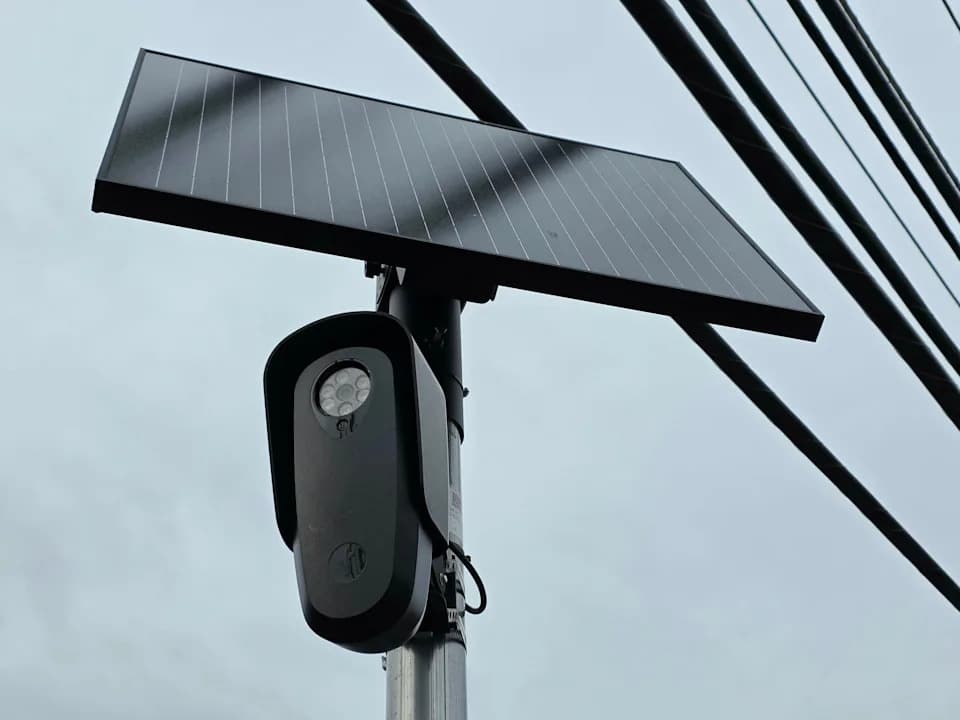
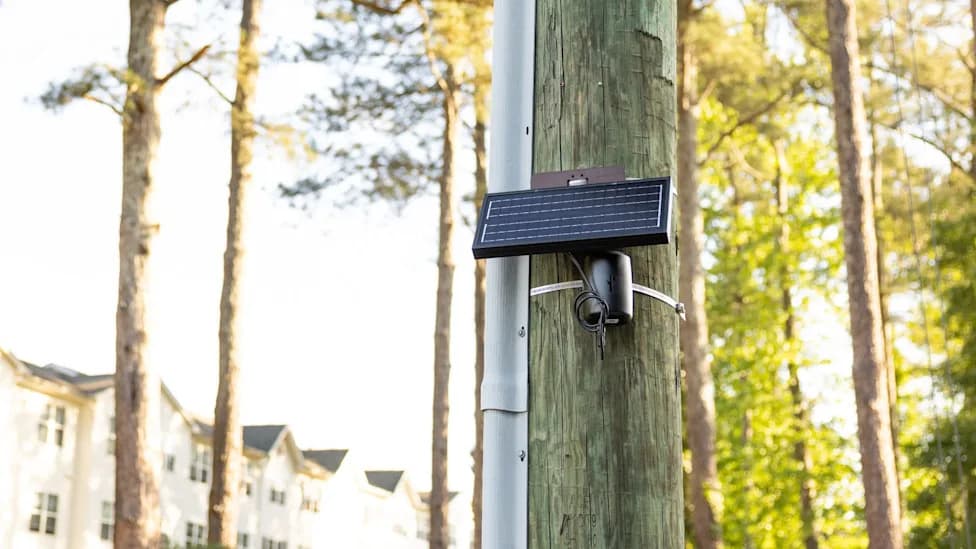
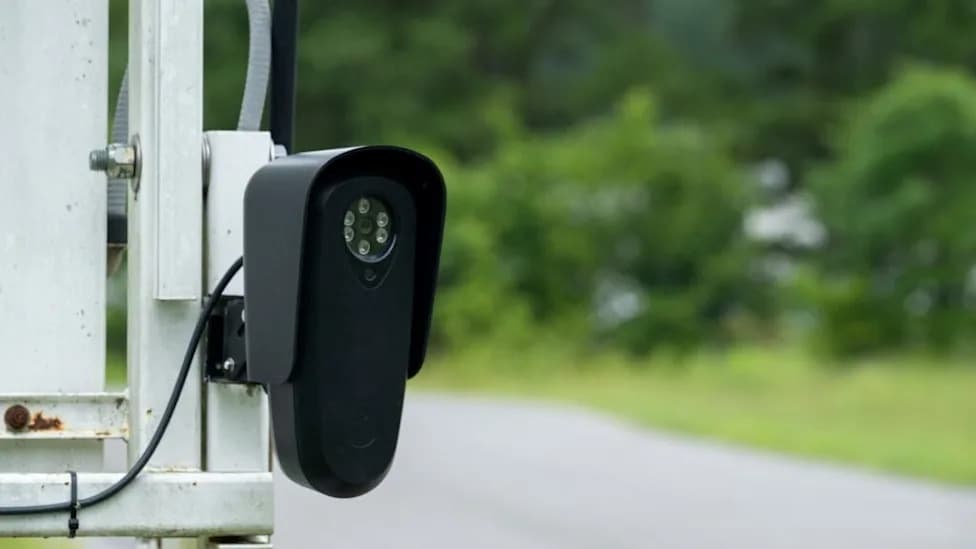
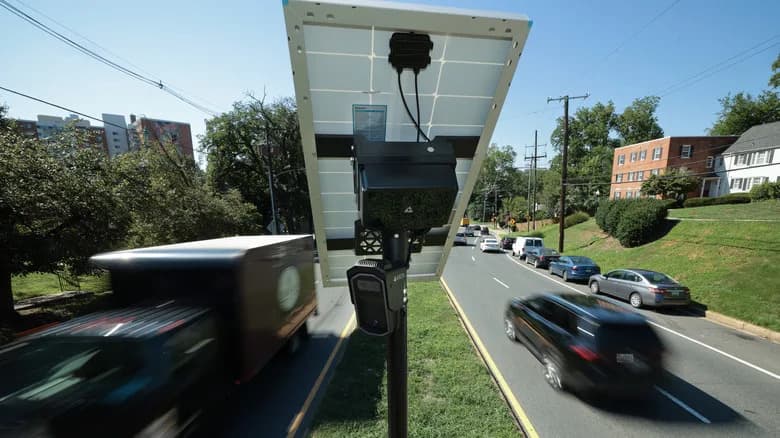
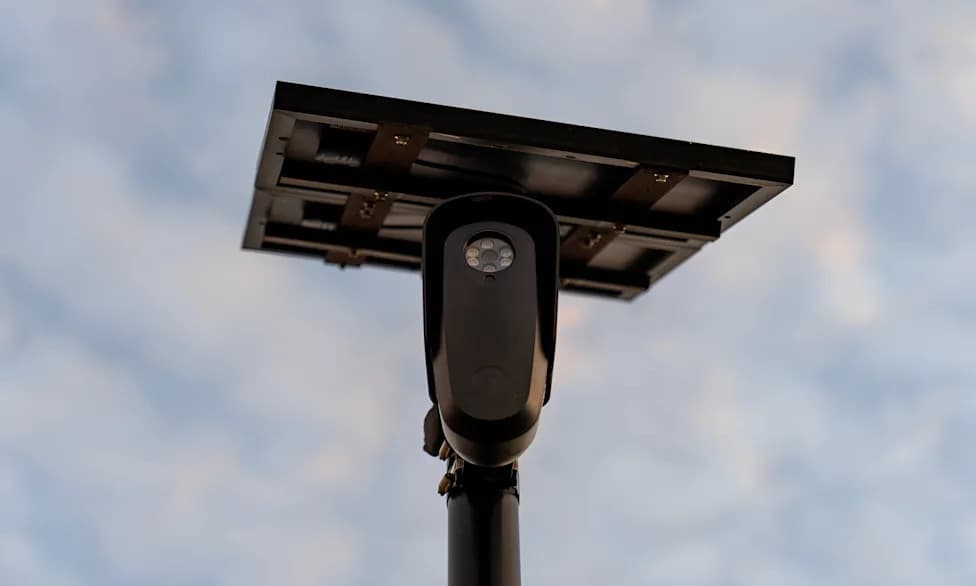
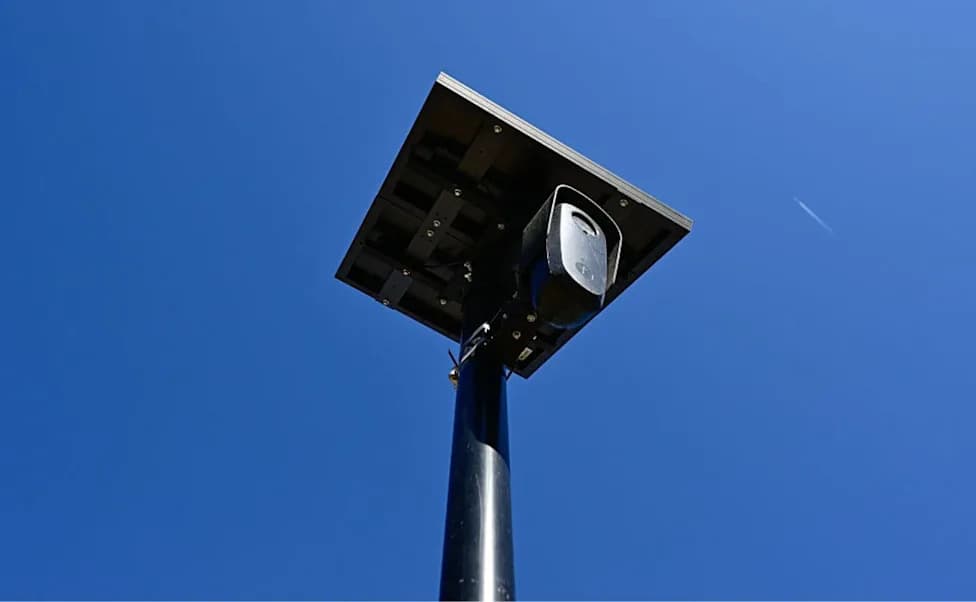
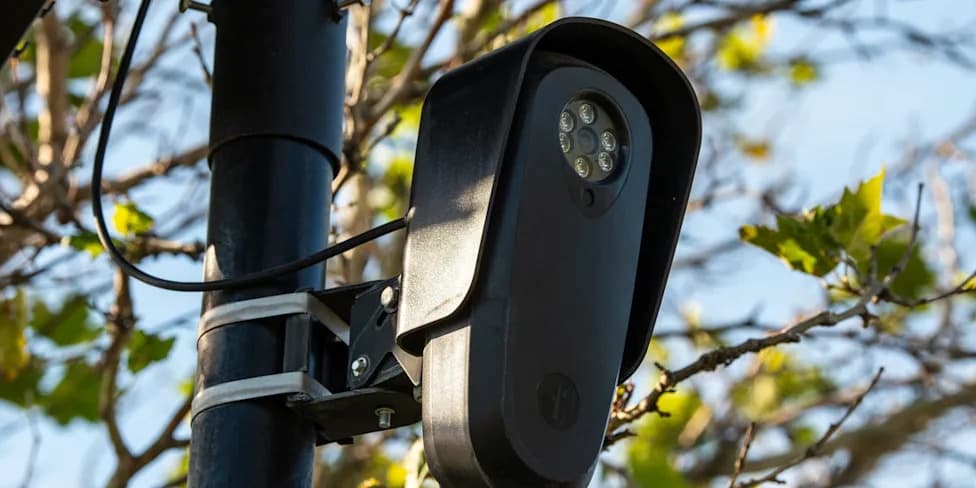
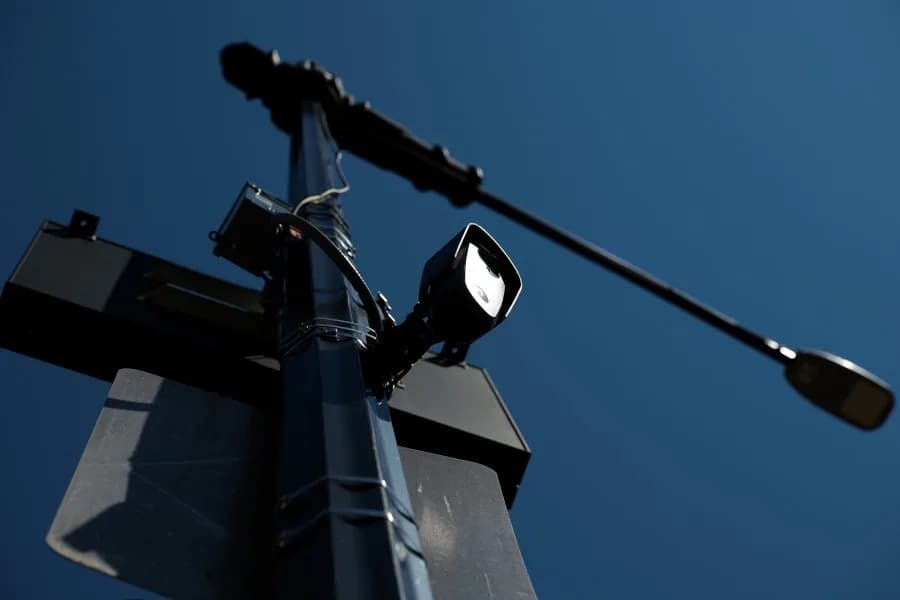
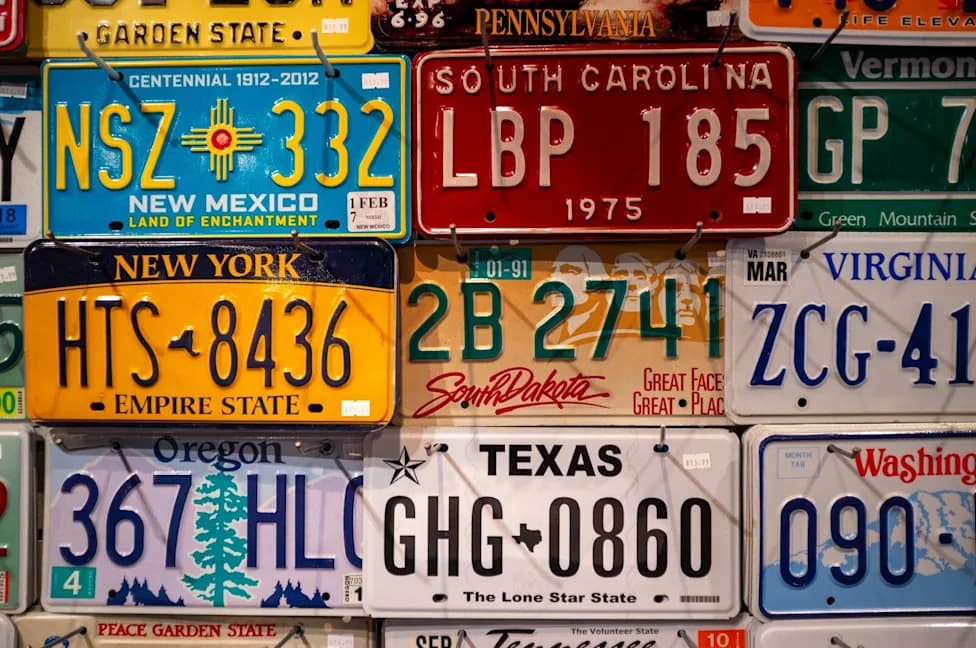
Every time you back out of your driveway, a pole-mounted camera along your route may record your license plate, vehicle color, and identifying details. Automated license plate reader (ALPR) networks in 2026 are widespread, and a congressman from North Texas argues the federal government’s practice of querying that data without a warrant has gone too far.
What the PRIVACY Act Would Do
U.S. Rep. Keith Self (R-TX-3) introduced the Protecting Rights in Video and Equipment Acquired Discovery Act — the PRIVACY Act — with Reps. Eli Crane (R-AZ-2) and Andrew Clyde (R-GA-9) as original cosponsors. The bill would require federal law enforcement agencies to obtain a warrant before accessing or querying data collected by state and local surveillance systems, an explicit category that includes ALPR systems sold by vendors such as Flock Safety and Axon. Data accessed under a warrant would generally have to be deleted after 30 days unless it becomes evidence in a prosecution or a court approves longer retention. The bill would also direct creation of a federal inventory of such surveillance technologies and bar most federal funds from being used to buy or install them, with limited exceptions.
What the Bill Does Not Do
The PRIVACY Act would not ban ALPR cameras or stop local police departments from operating their own networks. The warrant requirement applies only when a federal agency seeks to query locally held data. If a municipality operates its cameras independently and the FBI or another federal agency never requests the footage, the bill would not change that local surveillance practice.
Scope, Scale, and Why Supporters Are Worried
According to Self’s office, more than 6,000 communities across 49 states have installed upward of 120,000 cameras from vendors such as Flock and Axon, a network that the office estimates logs movements more than a billion times per day. The typical driver may be recorded six to eight times daily without ever being suspected of wrongdoing — a pattern critics describe as a rolling census of movements rather than a narrowly targeted investigative tool.
Legal Context
Backers of the bill point to recent Supreme Court decisions that strengthened privacy protections for location data, including rulings requiring warrants for bulk cellphone geofence data and for long-term cell-site location records (Carpenter v. United States). Their argument: the same logic should extend to ALPR systems that compile long-term, searchable histories of a vehicle’s movements.
Reported Abuses And Real-World Concerns
Complaints about misuse are not only theoretical. Reported incidents include unrestricted access to a live camera feed at a children’s facility, officers using plate queries to track ex-partners, and documented misuse by an officer in Milwaukee. Supporters say these cases illustrate how tools intended to find stolen vehicles can be repurposed for personal or non-criminal surveillance when oversight is weak.
Industry Response
Flock Safety, which operates one of the largest ALPR networks, says it supports federal guardrails. The company notes that more than 40 courts have considered ALPR use and that many have found warrantless use in public spaces does not always violate the Fourth Amendment. Flock also enforces a voluntary 30-day data purge policy; the PRIVACY Act would make a 30-day baseline a legal requirement for data federal agencies access and retain under warrant.
Local Backlash
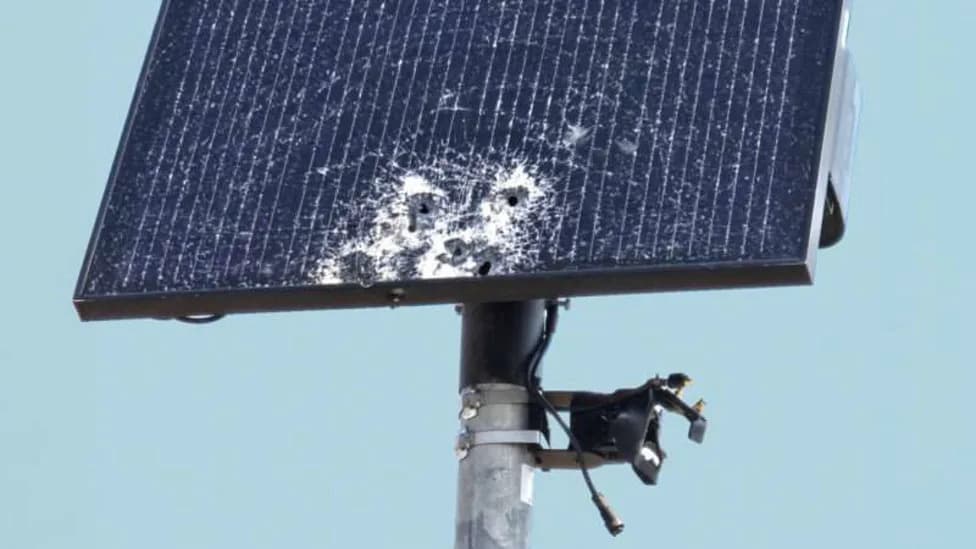
Patience with pole-mounted cameras is visibly fraying. Jurisdictions nationwide have seen vandalism directed at ALPR poles, several Texas communities have reported incidents, and some towns have canceled vendor contracts. Local objections often emphasize that residents did not vote for these systems and that installation sometimes precedes local debate or legislation.
How ALPRs Track More Than Plates
Modern ALPR systems do more than read a plate. The AI also builds a vehicle "fingerprint" — logging make, model, color, and distinguishing features such as roof racks, window tint, bumper damage, or aftermarket wheels — allowing a system to flag a car even when a plate is obscured or swapped. A unique or heavily modified car is therefore much easier to follow across a region’s camera network.
What Happens Next
The PRIVACY Act must pass committee, clear the House floor, find a Senate companion, and be signed by the president before its warrant and funding limits take effect. Similar bills have stalled in committee in prior sessions. Even if the bill fails, its introduction signals bipartisan concern that AI-enhanced tracking of ordinary drivers has outpaced the legal framework created before these technologies existed.
Bottom line: The PRIVACY Act targets federal access to locally held ALPR data and aims to force warrants and tighter retention rules; it leaves local police authority intact but could curb federal "backdoor" searches of municipal databases.
Help us improve.