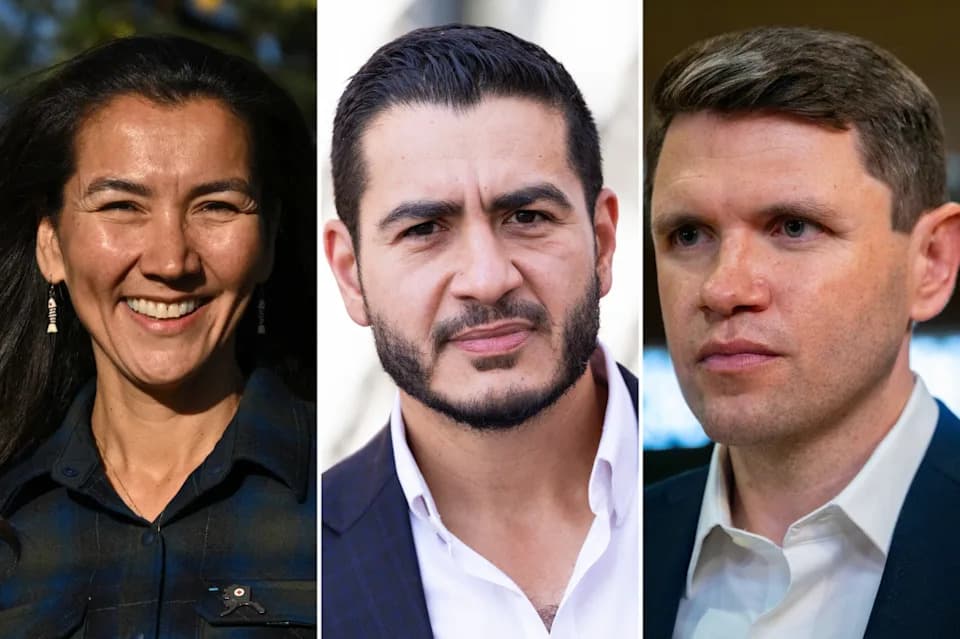
With about three months until Election Day, chaotic primaries and candidate scandals have derailed both parties' midterm strategies. Republicans face Trump-driven turbulence — including a new confrontation with Iran and a reshaped Senate map — while Democrats are split between moderates and progressives, producing upsets in key states. High-profile contests in Wisconsin, Maine, Michigan and Texas show how these fractures could decide control of Congress and influence the parties' paths into 2028.
Chaotic Primaries Put Midterm Outlook In Flux For Both Parties
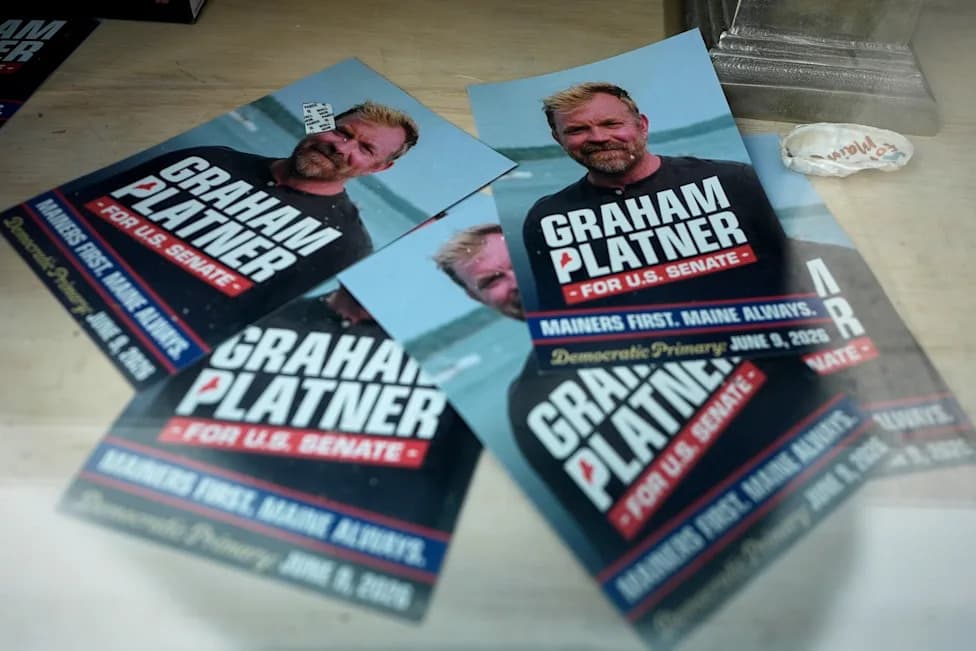
Campaign flyers for former Democratic candidate for U.S. Senate Graham Platner are seen at his headquarters Thursday, July 9, 2026, in Ellsworth, Maine. (AP Photo/Robert F. Bukaty)(AP Photo/Robert F. Bukaty)
With roughly three months remaining before the midterm elections, chaotic primaries and high-profile missteps have upended both parties' plans and injected widespread uncertainty into closely contested races.
Republican Turmoil
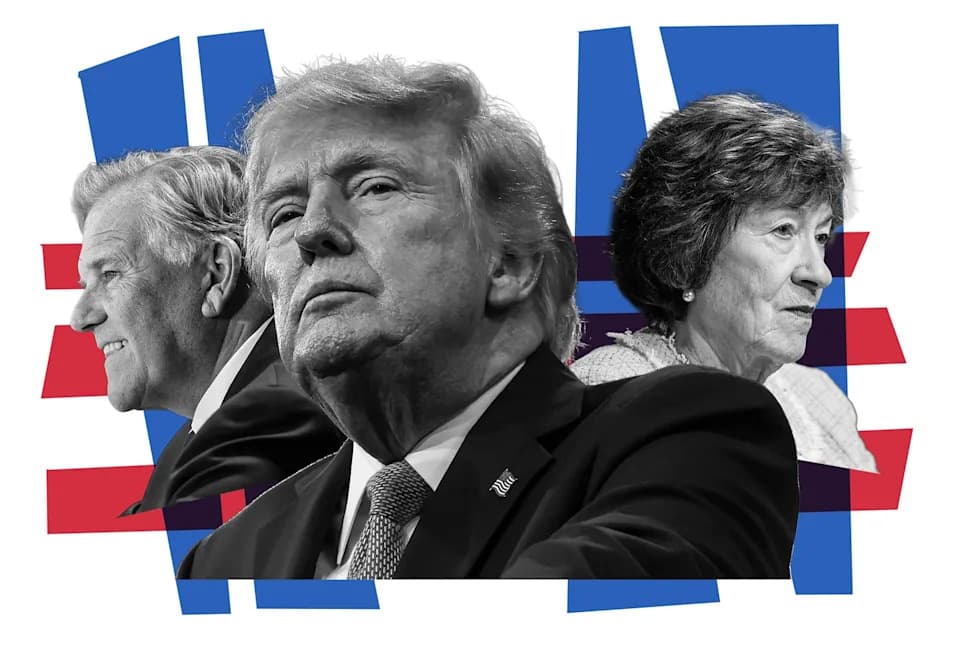
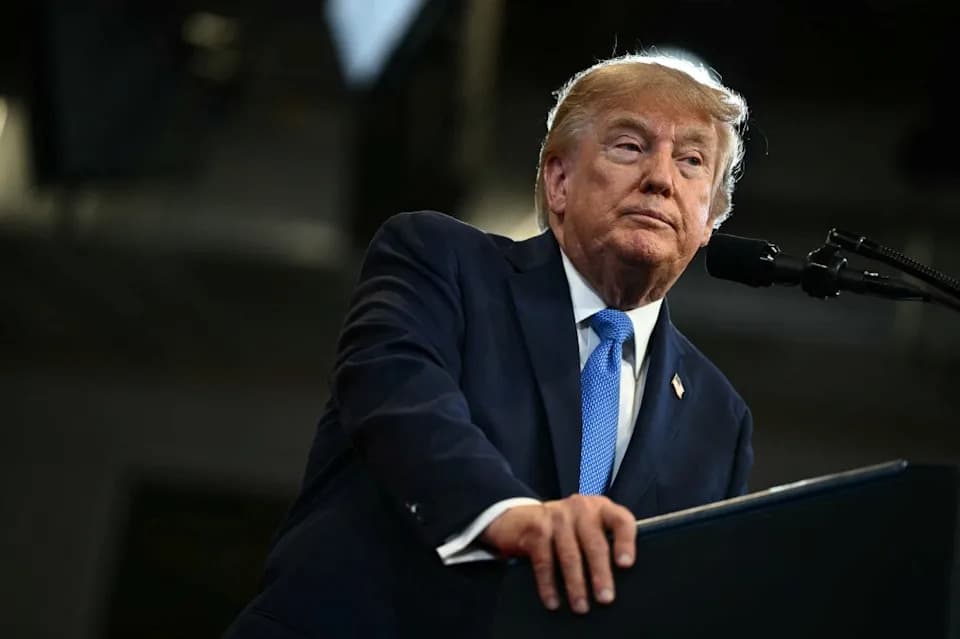
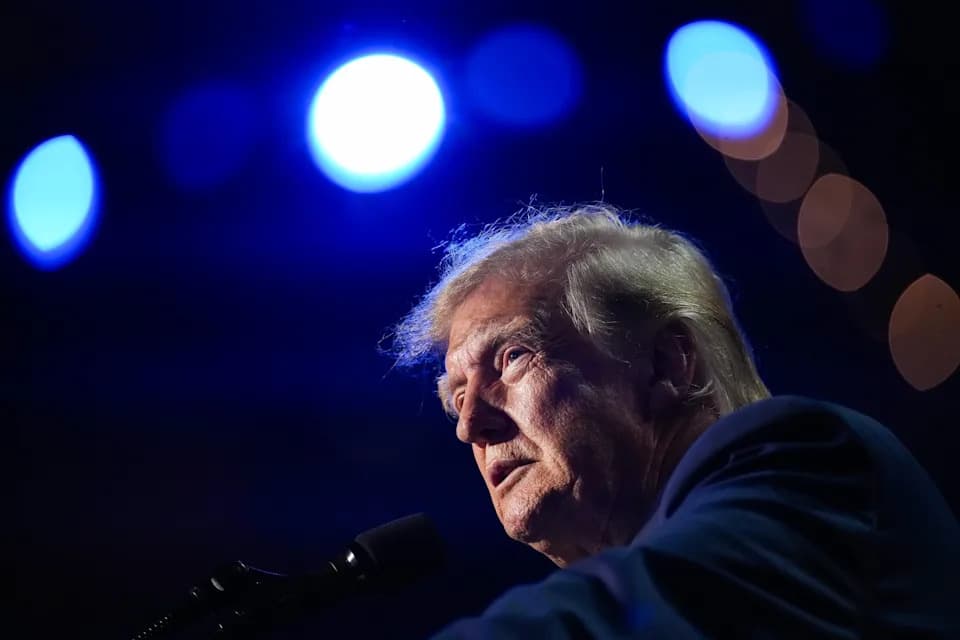
On the right, former President Donald Trump has reshaped the GOP map by promoting loyalists and sidelining incumbents, even as his presidency has been marked by a sharp escalation with Iran that disrupted global oil flows and contributed to higher pump prices. His focus on purging dissent and relitigating the 2020 election has further polarized the party and created unpredictable general-election dynamics.
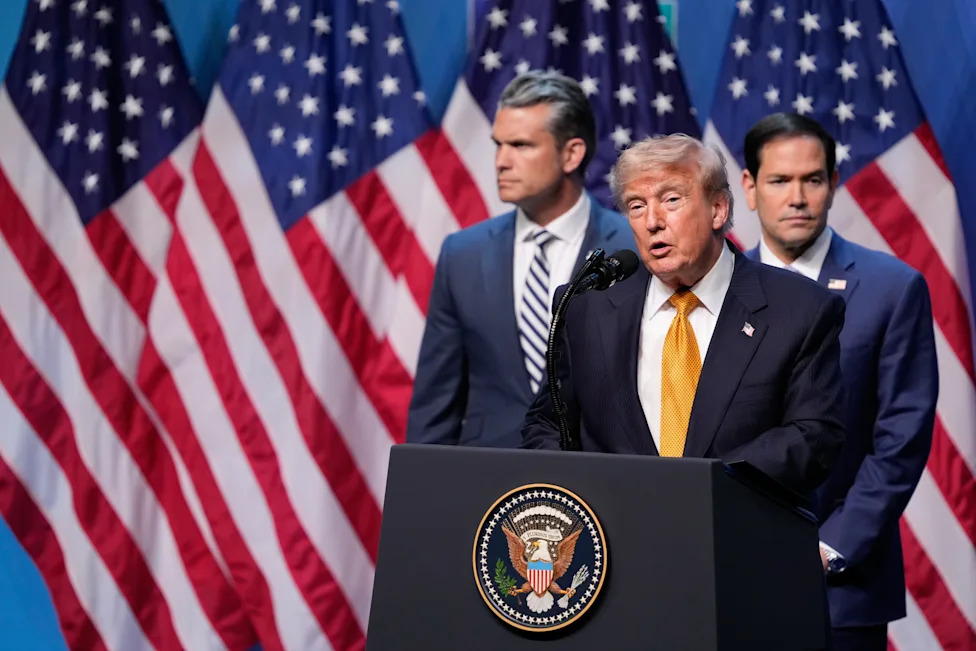
President Donald Trump speaks during a media conference, flanked by U.S. Defense Secretary Pete Hegseth and U.S. Secretary of State Marco Rubio, at the NATO summit in Ankara, Turkey, Wednesday, July 8, 2026. (AP Photo/ Emrah Gurel)(AP Photo/Emrah Gurel)
Notable GOP developments include Trump’s successful push to remove longtime Sen. John Cornyn from the Texas contest and his endorsement of Attorney General Ken Paxton — a move that many Republican strategists warned could make the Texas Senate race unexpectedly competitive. In North Carolina, Sen. Thom Tillis’s decision not to seek reelection after a public dispute with Trump opened another pickup opportunity for Democrats.
Democratic Disarray
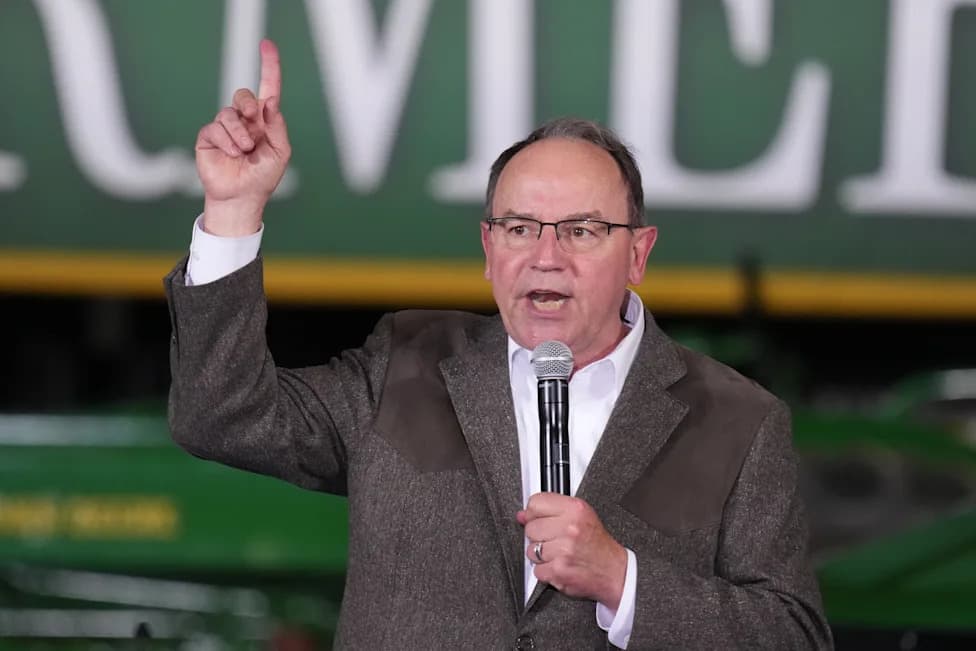
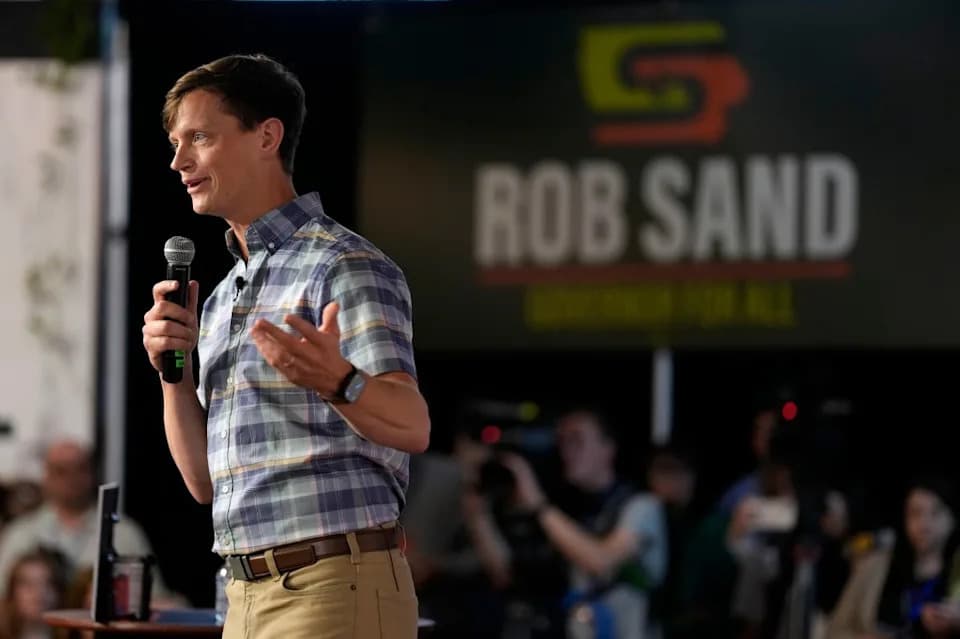
Democrats are wrestling with a bitter debate between moderates and progressives that has produced insurgent primary victories and embarrassing candidate scandals. In Wisconsin, Lt. Gov. Sara Rodriguez abruptly abandoned her gubernatorial bid amid a campaign finance controversy, raising concerns that Francesca Hong, a democratic socialist, could be a weaker general-election nominee against likely Republican Tom Tiffany. After Rodriguez’s exit, Milwaukee County Executive David Crowley re-entered the race and received Governor Tony Evers’s endorsement.
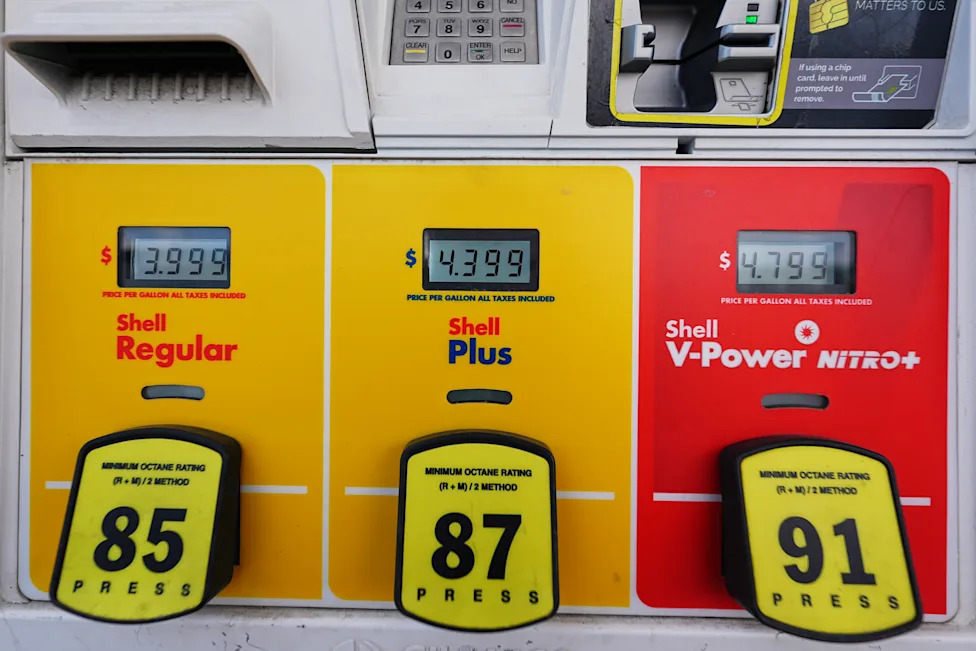
The per-gallon prices are illuminated electronically above the three grades of fuel available at a Shell gasoline station Monday, June 22, 2026, in Englewood, Colo. (AP Photo/David Zalubowski)(AP Photo/David Zalubowski)
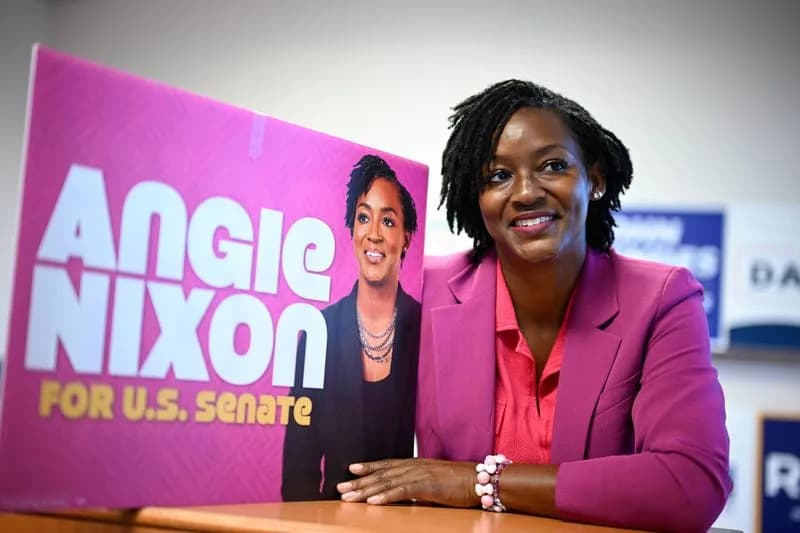
In Maine, political newcomer Graham Platner won the Democratic primary over establishment favorite Gov. Janet Mills but later withdrew after an allegation of sexual assault that he denies. Questions about Platner’s past — including a tattoo widely identified as a Nazi symbol and inflammatory social-media posts — forced Democrats to scramble for a replacement nominee ahead of a race against Republican Sen. Susan Collins.
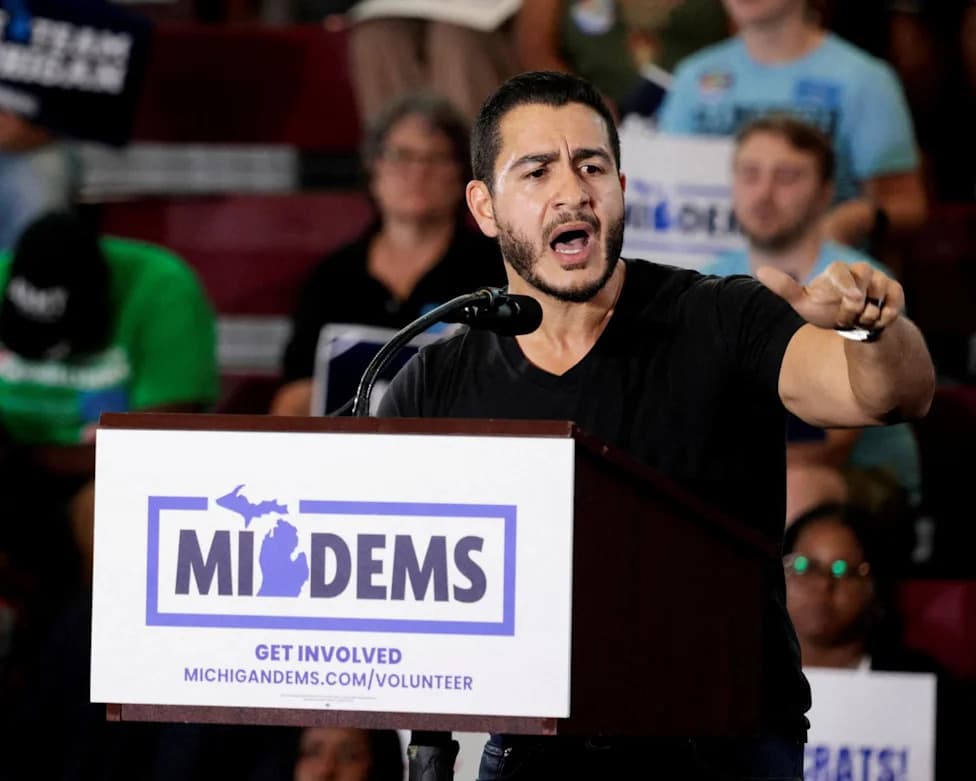
In Michigan, progressive candidate Abdul El-Sayed alarmed some party leaders with rhetoric on Israel and his positioning to the left of the party’s mainstream, prompting a large investment from AIPAC and its affiliates — nearly $30 million backing his primary rival, Haley Stevens.
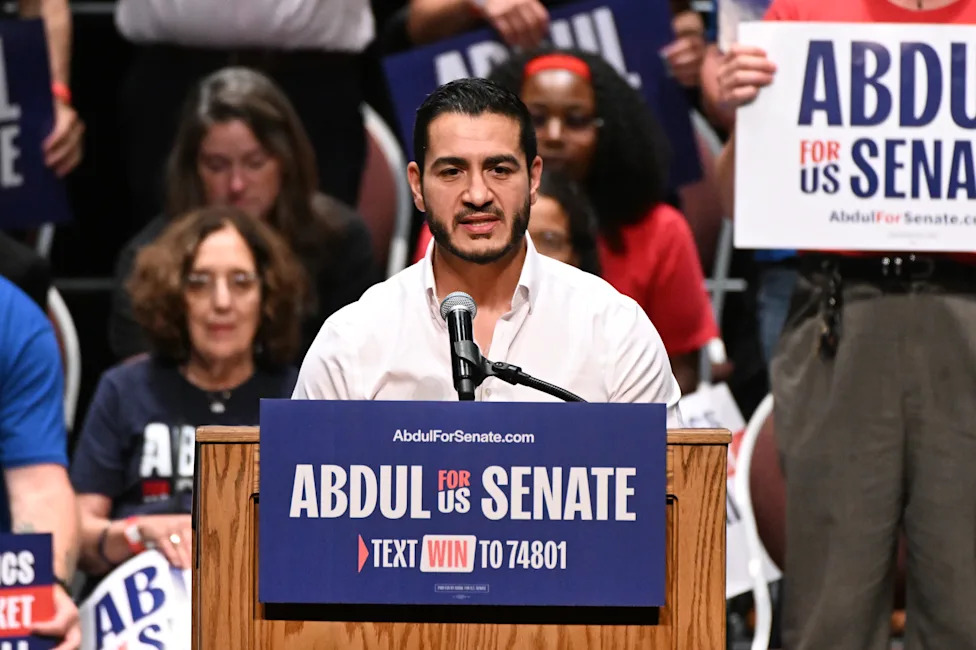
Michigan Democratic U.S. Senate primary candidate Abdul El-Sayed addresses the crowd during a campaign rally, Saturday, July 18, 2026, in Detroit. (AP Photo/Jose Juarez)(AP Photo/Jose Juarez)
"We really do not know what's going to happen in November," said longtime pollster Frank Luntz, summing up a year dominated by "a sense of chaos and confusion."
What This Means
These primary fights have real consequences: they could determine which party controls the Senate and shape strategic positioning heading into the 2028 cycle. Outside groups are spending heavily, candidates with uneven records are winning nominations, and both parties face the risk that enthusiastic but untested nominees could undercut general-election prospects.
Recent polling underscores the uncertainty: just 37% of U.S. adults approve of how President Trump is handling the presidency (AP-NORC), reflecting public unease even as he remains a central force in GOP politics.
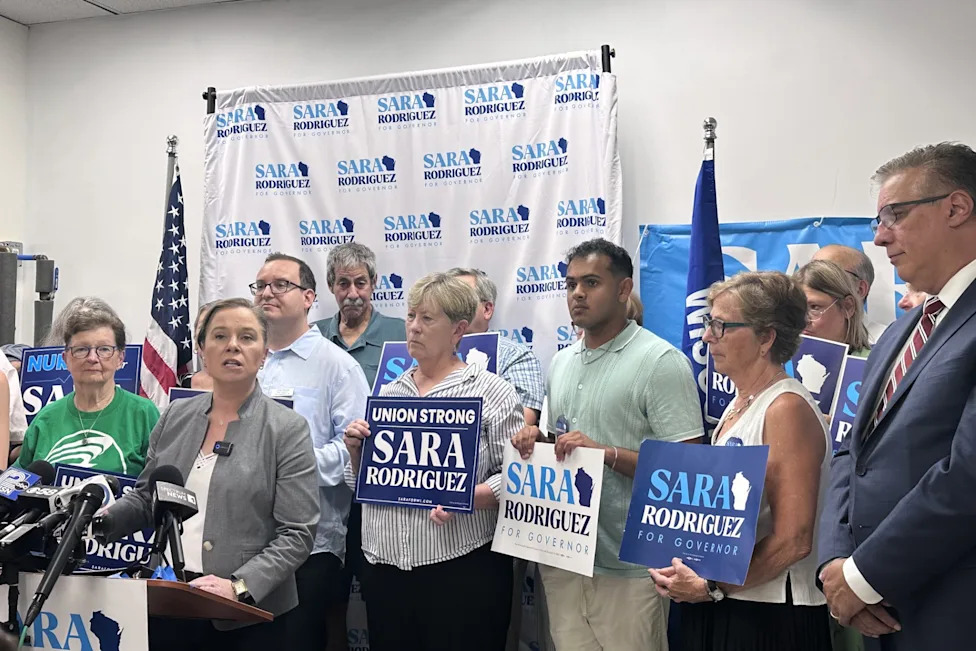
Democratic candidate for Wisconsin governor Sara Rodriguez speaks to supporters, Monday, July 13, 2026, in Madison, Wis. (AP Photo/Scott Bauer)(AP Photo/Scott Bauer)
As both parties try to corral discord and pivot toward November, the next three months will determine whether primary chaos consolidates into focused campaigns — or whether internal fractures hand advantages to opponents in tight battlegrounds.
Associated Press writers Scott Bauer in Madison and Steven Sloan in Washington contributed to this report.
Help us improve.