Quick take: The US primary season ended with Democrats leading polls and notable left-wing upsets in several House races. Turnover in the House reached 74 departures, and about 21 toss-up districts will likely decide control. Trump’s endorsements were broadly successful, AIPAC’s heavy spending produced mixed results, and scandals forced several candidates to withdraw.
Left-Wing Upsets and Trump’s Influence: Key Takeaways From the US Primary Season
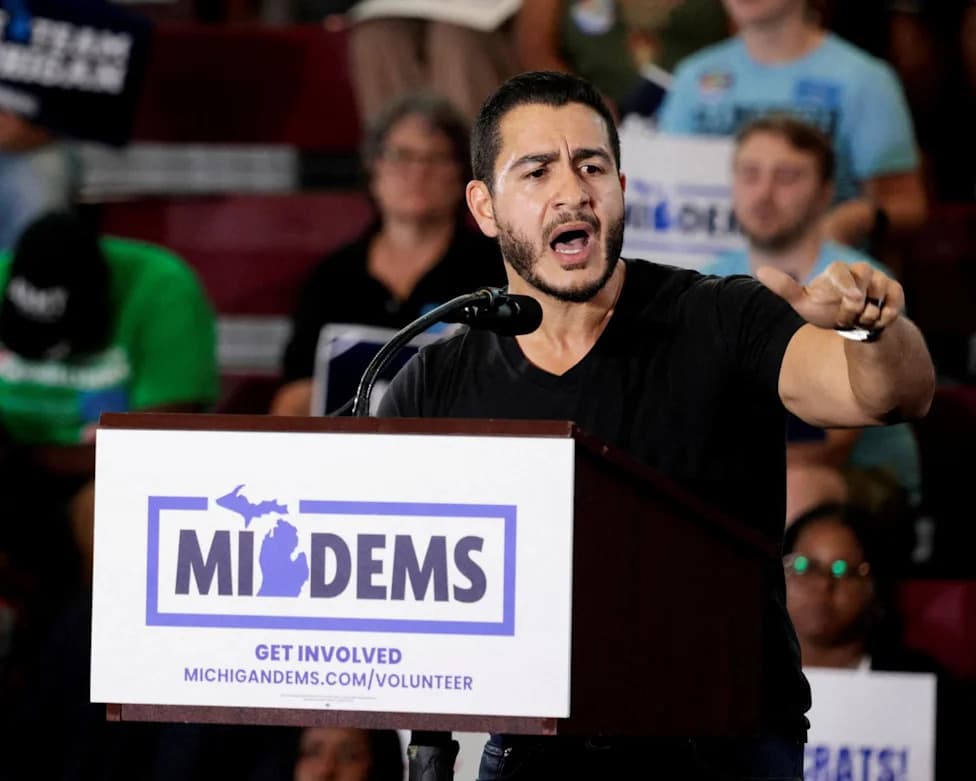
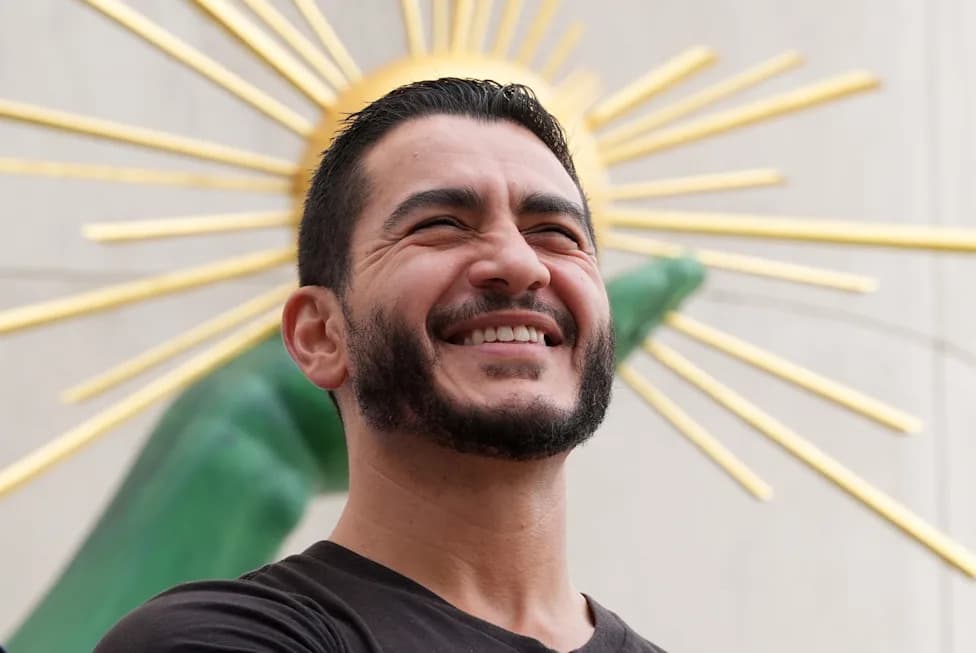
Abdul El-Sayed, who won the Democratic primary in Michigan. He now faces Republican Mike Rogers for a seat in the US Senate.Photograph: Rebecca Cook/Reuters
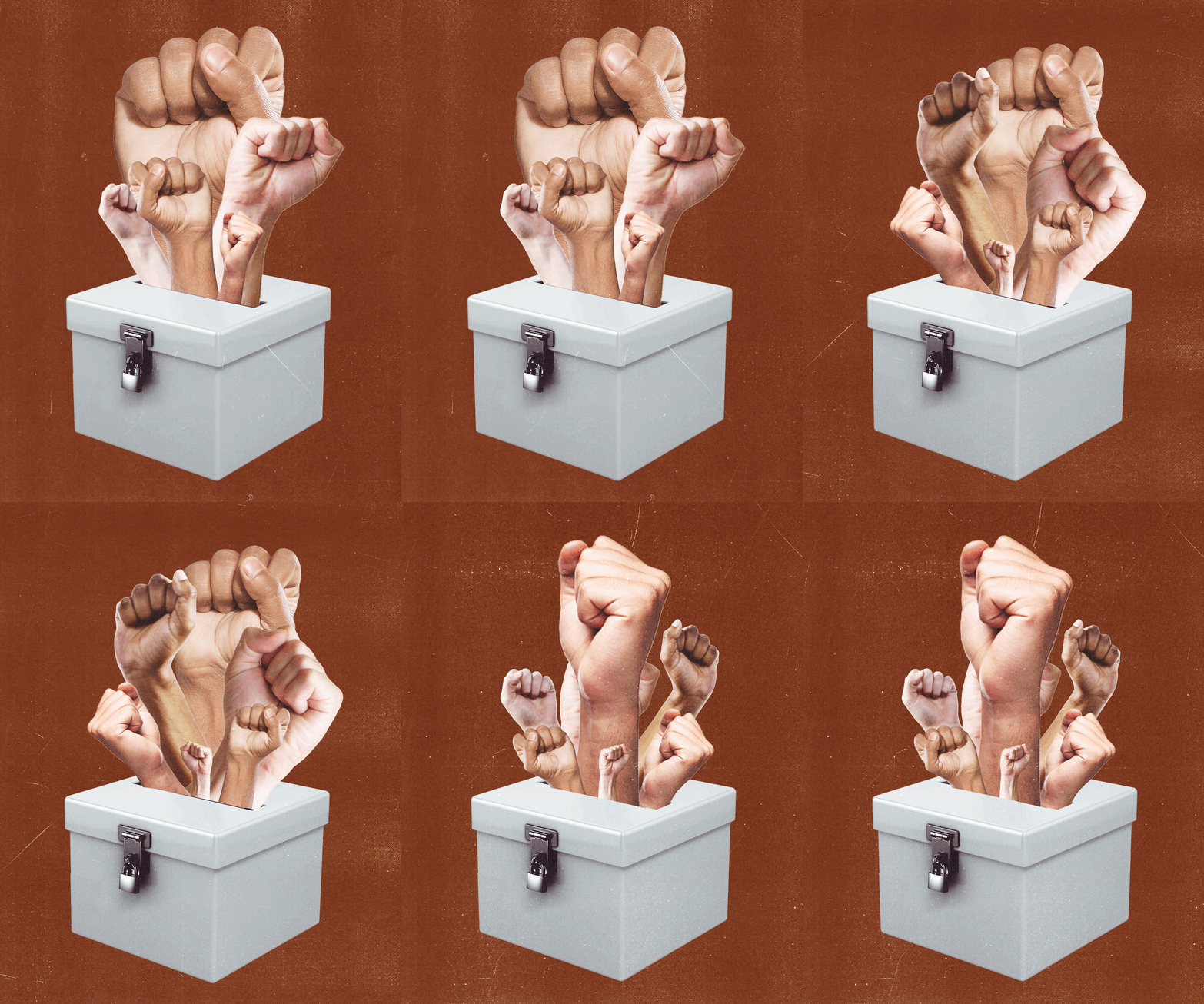
Primary season in the United States has concluded, with Democrats leading national polls amid economic anxiety, an ongoing war with Iran and President Donald Trump’s mass-deportation agenda looming toward year-end. Voters in both parties have chosen nominees for the 3 November midterms that will determine control of Congress and shape each party’s future.
Across six months of contests, the cycle produced surprising victories for left-leaning Democrats, reinforced Republican alignment with the president’s agenda despite low approval ratings, and forced a string of candidates to withdraw amid scandals while others pressed on.
House Turnover and Incumbent Losses
The House experienced unusually high turnover: 74 members are departing this cycle — the largest number since 1992, according to the Pew Research Center. Some incumbents retired or sought other offices; only a small share prevailed in their bids for other posts, while others were rejected by voters.
Among members who sought House re-election, 11 incumbents lost primary contests, the second-highest total since 2022. Seven of those were Democrats. Two — Julie Johnson and Al Green — were unseated after redistricting forced them into head-to-head races in Texas.
DSA-Linked Upsets and the Left’s Momentum
Five House Democrats lost renomination to challengers, and four of those losses came at the hands of candidates with ties to or endorsements from the Democratic Socialists of America (DSA). In New York, Congressional Hispanic Caucus chair Adriano Espaillat was defeated by Darializa Avila Chevalier, and Dan Goldman lost to Brad Lander, a former DSA member. Claire Valdez won a primary to replace retiring congresswoman Nydia Velázquez. In Colorado, DSA member Melat Kiros unseated 30-year incumbent Diana DeGette, and in Michigan the DSA-endorsed Donovan McKinney beat Shri Thanedar. Because these districts lean heavily Democratic, the newcomers are expected to hold the seats in November.
“A lot of people were hoping that it was a blip... We showed them a different way,” said Chris Rabb, a DSA-endorsed candidate expected to win a House seat after prevailing in a deep-blue Philadelphia primary.
The fifth incumbent Democrat to lose renomination was John Larson, who was displaced after challenger Luke Bronin argued voters wanted a younger representative.
Where Control of the House Will Be Decided
Control of the House will likely be decided in roughly 21 competitive districts identified by the Cook Political Report. In many of those toss-up districts, nominees have backing from centrist PACs tied to the New Democrat Coalition or the Blue Dogs — a sign that moderates are positioning themselves as the most electable in swing areas.
There were exceptions to the centrist trend: William Lawrence, a former DSA member, won a Democratic nomination in a swing Michigan district, and Abdul El-Sayed defeated Haley Stevens in Michigan’s Democratic Senate primary.
Intra-Party Battles and Mixed Outcomes
The DSA’s gains intensified debate within the Democratic Party over its political direction, but the left’s momentum was not uniform. Cori Bush failed in a primary challenge in Missouri as Wesley Bell held his seat; Ed Case in Hawaii and Ed Markey in Massachusetts both fended off left-leaning challengers; and Marie Gluesenkamp Perez won renomination in a more conservative Washington district.
Trump’s Kingmaking Role
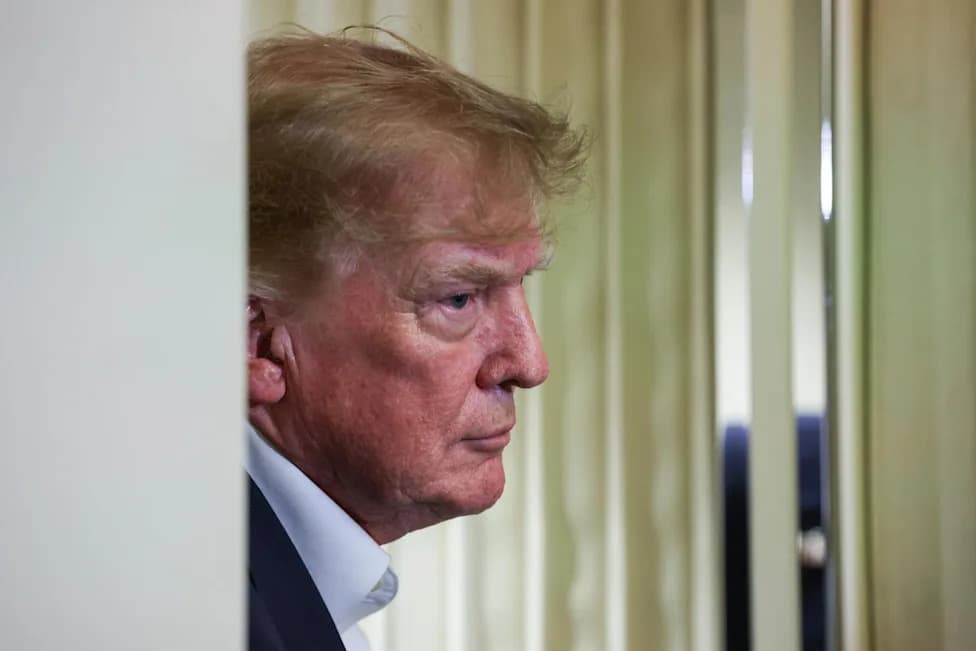
Former President Trump again sought to play kingmaker, endorsing candidates loyal to his agenda and targeting those who crossed him. Several incumbents fell after his intervention: Kentucky congressman Thomas Massie lost following a Trump-backed campaign against him, and other Trump cues influenced outcomes in key races. An analysis by USA Today found that roughly 97% of congressional and gubernatorial candidates Trump backed won their primaries, underscoring his strong influence — though there were notable exceptions.
Some contests Trump influenced remain competitive for the general election; recent polling showed close matchups in certain races where his chosen nominee faces a strong Democratic opponent.
AIPAC, Spending and Progressive Pushback
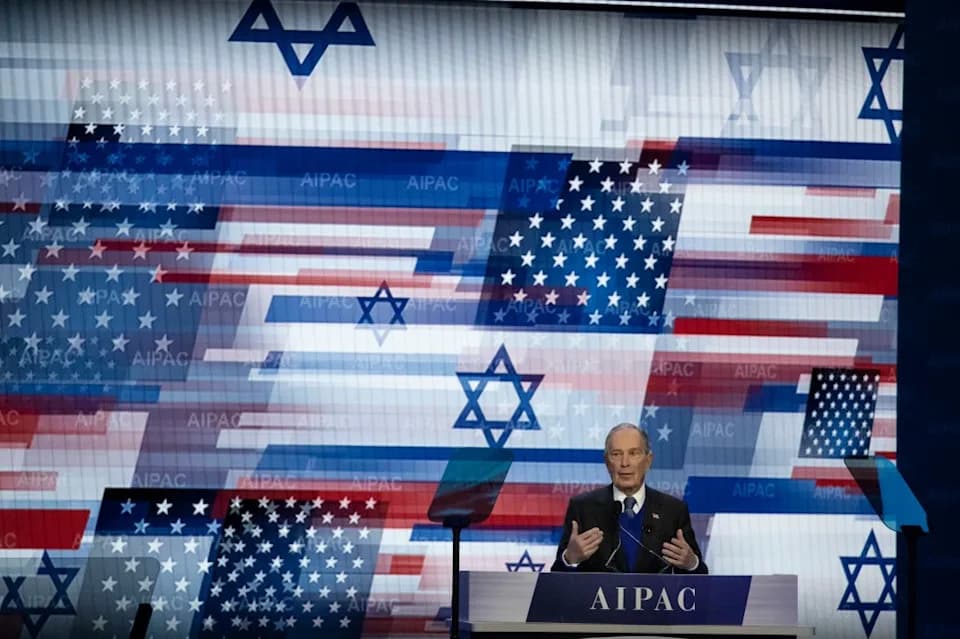
The American Israel Public Affairs Committee (AIPAC) and its United Democracy Project super PAC intervened in multiple primaries amid a fraught moment for US support of Israel. While AIPAC helped some candidates — including victories tied to Ed Gallrein and Adrian Boafo — it failed to stop progressives in other high-profile contests, notably Abdul El-Sayed’s Senate primary victory in Michigan and Aisha Wahab’s special-election win in California despite heavy spending.
Scandals, Ethics Probes and Purges
Several campaigns were derailed by allegations of misconduct. Graham Platner, who won the Democratic primary to challenge Senator Susan Collins in Maine, dropped out amid accusations of sexual assault and misconduct. Eric Swalwell withdrew from the California governor’s race and resigned his House seat following similar allegations. North Carolina Republican Chuck Edwards suspended his re-election bid after an ethics finding, while other lawmakers — including Max Miller — have faced accusations but remained in their races.
Republican voters and leaders also used primaries to remove controversial figures. Andy Ogles lost in Tennessee after state leaders and a pro-renewable-energy super PAC opposed him, and scandal-plagued Florida congressman Cory Mills was defeated after other Republicans endorsed his challenger.
What This Means Going Into November
The primaries reshaped both parties’ choices and clarified the ideological battles to come. Democrats must reconcile rising progressive energy with centrist strategies to win swing districts, while Republicans remain heavily influenced by Trump’s endorsements. Scandals, outside spending and targeted endorsements ensured the midterm map entering November will be highly competitive.
Help us improve.