Summary: The Jones family in Suffolk have lost five homes and more than two-thirds of their 400-acre estate to coastal erosion since the 1920s. With sea-level rise expected to worsen erosion, they abandoned attempts at permanent sea defences and now operate moveable holiday cabins that can be shifted inland under a council agreement. A 2012 government relocation scheme failed to help them, and a relative's private defences were halted by a court ruling. The family plans relocations in advance to protect visitors and preserve memories.
Suffolk Family Stops Fighting the Sea — Moveable Cabins Let Them Adapt After Losing Five Homes
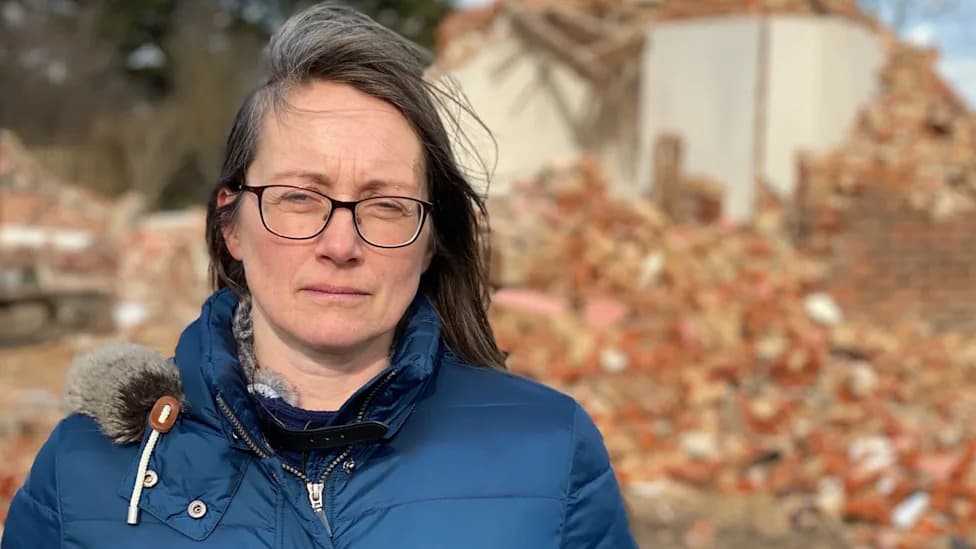
Anne Jones, pictured in 2020, says the family is determined to be positive [Martin Barber/BBC]
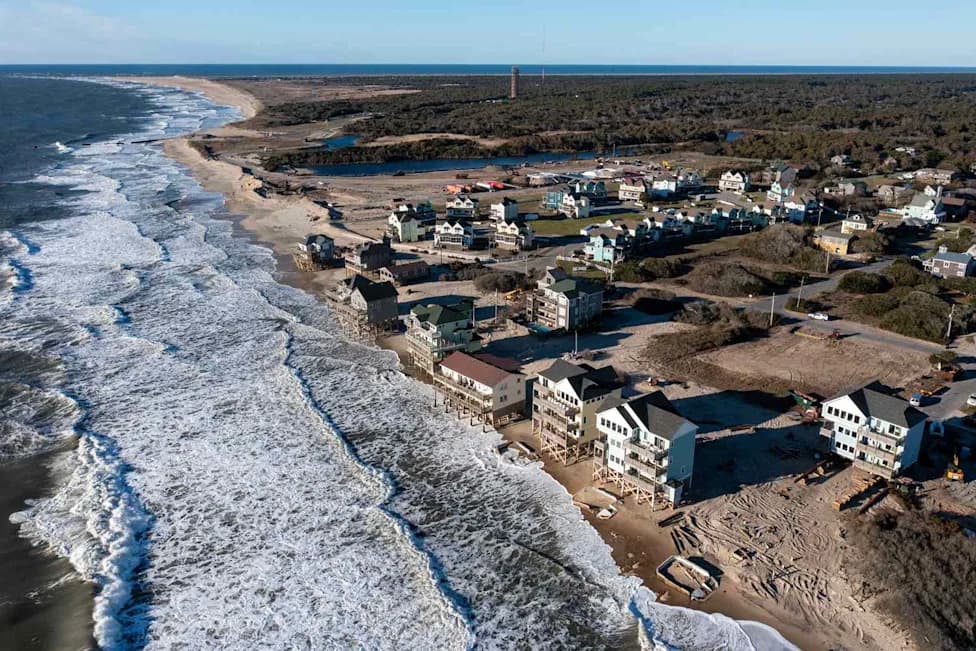
The Jones family in Suffolk have watched more than two-thirds of their 400-acre estate be claimed by the sea since the 1920s. Rather than continue costly and legally fraught attempts to hold back the coastline, they have embraced a strategy of adaptation: moveable holiday cabins that can be repositioned as the cliffs retreat.
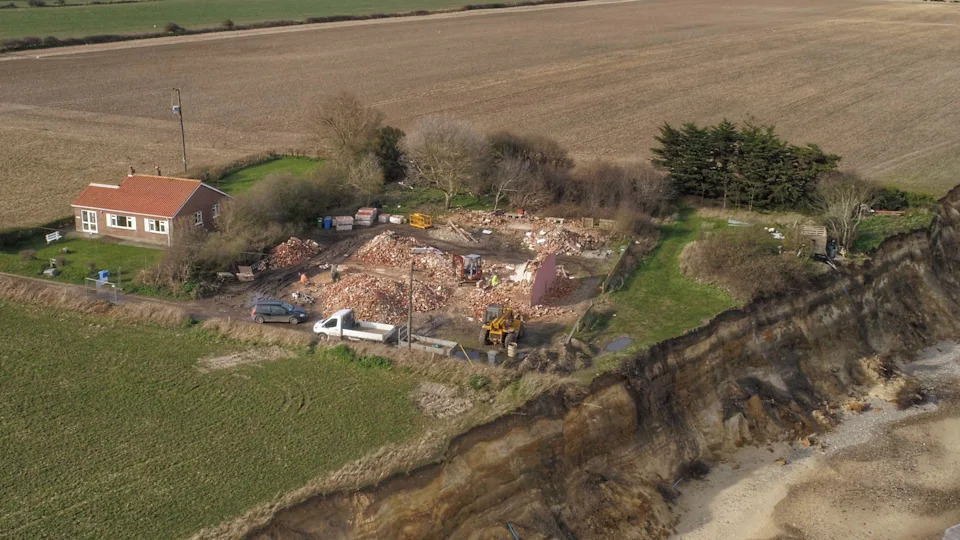
The pink house was demolished in February 2020 [Martin Barber/BBC]
From Ownership To Adaptation
Anne Jones describes standing at Easton Bavents, near Southwold, where the landscape has been reshaped through generations. Her great-grandfather, Herbert Boggis, bought the 400-acre estate roughly a century ago. Since then, the tide has swallowed about two-thirds of that land and five family homes have been lost to coastal erosion.
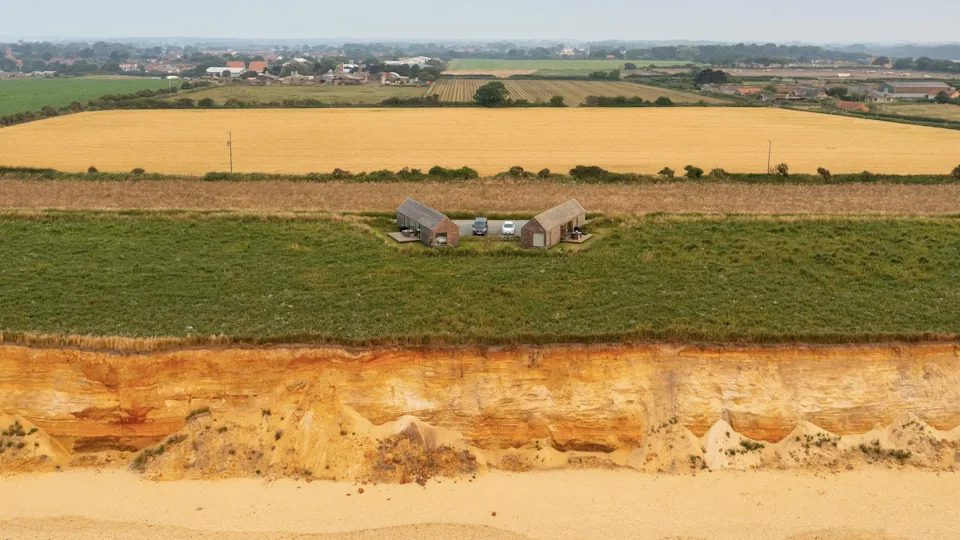
Erosion of the sandy cliffs is inevitable, Jones says, but the family has found a way to manage [Anne Jones]
'It's very tough, for the people who live there and tough for us as owners to have to take them down and just accept that nature take its course and we have to adapt with it,' Jones says.
Why Adaptation, Not Defence?
Government guidance warns that sea level rise linked to climate change will probably increase erosion in many places. Fixing the sandy cliffs with permanent sea defences is both financially prohibitive and legally complicated. Jones recalls that a relative, Peter Boggis, built private sea defences around 20 years ago but was ordered to stop after losing a court case. A separate government-funded relocation scheme approved in 2012 also failed to deliver a workable solution for the family.
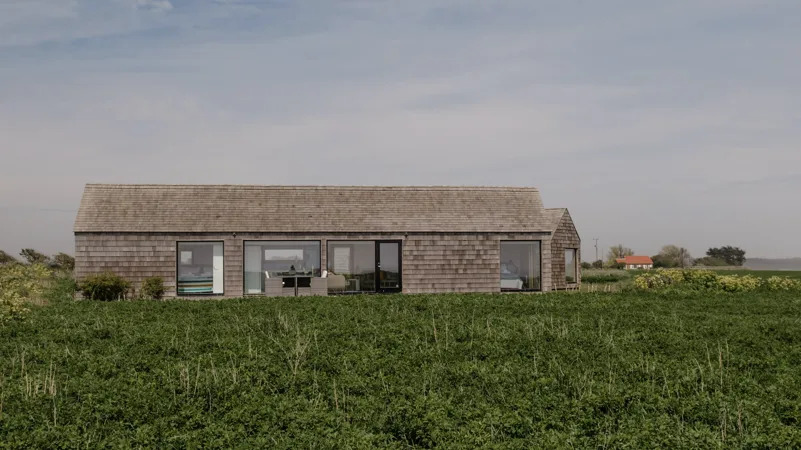
The family rents out cabins that can be moved with the landscape [Anne Jones]
Faced with those constraints, the family reached an agreement with the local council to site moveable cabins on their land. The cabins are designed to be relocated inland as the cliff edge retreats, and are currently kept at least 10m (32ft) from the cliff face.
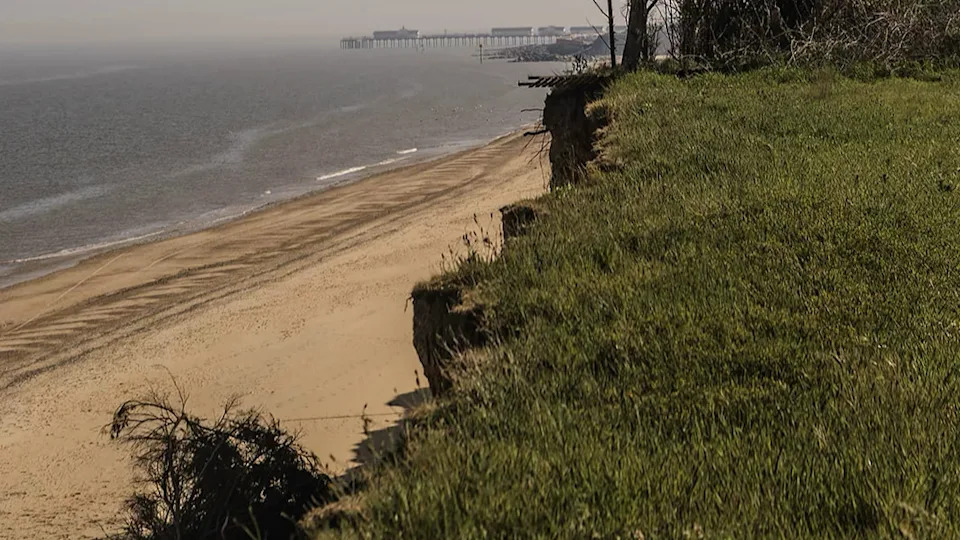
The cliff edge is a precarious and vulnerable place [Anne Jones]
Practical, Emotional, and Community Impacts
One clifftop cabin installed in 2020 may need to be moved again before the next summer season. Jones says the family plans relocations well in advance to avoid emergency responses and reduce disruption for holidaymakers. Still, there is an emotional toll: long-held holiday homes — some owned by other families for generations — will eventually need demolition when the cliffs take them.
'It's very sad — it's people's memories and their lives,' she says.
Her husband, Phil, adds that the situation can be unpredictable: 'We make sure we are pro-active with planning and engineering and how we design things and keep things going.' Despite the uncertainty, the family say visitors often appreciate the raw beauty of the place and the experience of being close to an ever-changing piece of coastline.
Looking Ahead
The Jones family's shift from resisting erosion to working with natural change is an example of managed retreat in practice: accepting some losses while finding ways to keep land in use for recreation and local income. With climate-driven sea-level rise expected to continue, other coastal communities may face similar choices between costly, legally fraught defence and flexible, planned adaptation.
Contact and Follow-Up: The family spoke to BBC Suffolk about their experience. Local residents and visitors are encouraged to follow Suffolk news channels for updates and to share local stories with regional outlets.
Help us improve.