The 1951 cottage at 93 Baxter Road on Nantucket was bought in 2021 by Charles Fotopoulos as a calculated risk; by 2026 it sits only a few feet from a 40-foot bluff drop. Decades of erosion and recent storms have undermined confidence in geotubes — sand-filled fabric barriers meant to hold the bluff — prompting warnings that the protections may be failing. Town votes, enforcement battles and a court ruling have intensified the dispute over whether hard armoring should continue. The case reflects broader dilemmas for coastal homeowners and communities as shorelines retreat.
Nantucket Bluff Gamble: 1951 Cottage Now Just Feet From a 40-Foot Coastal Drop
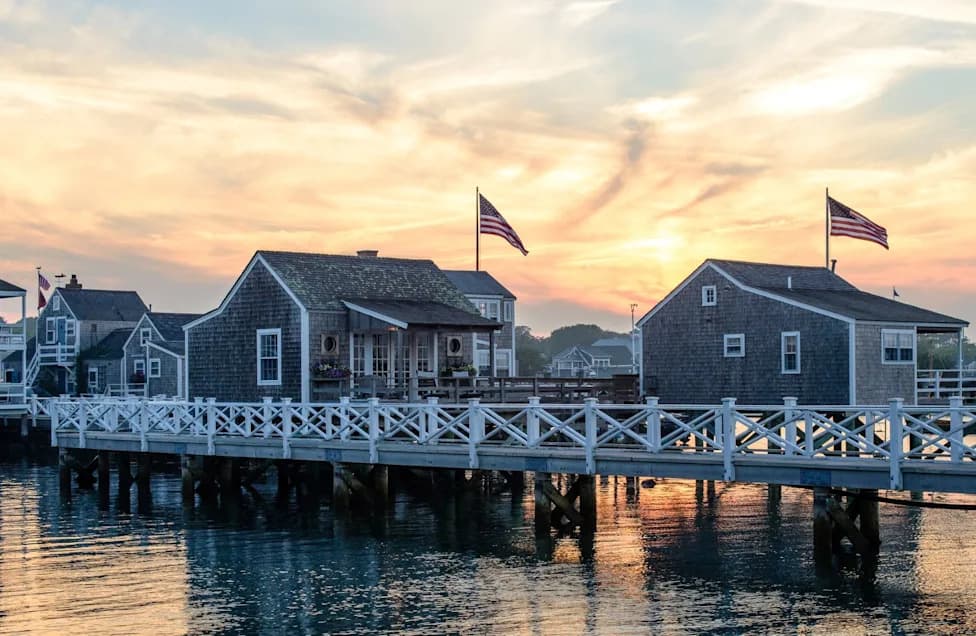
Photo Credit: iStock
When Massachusetts car dealer Charles Fotopoulos paid $899,000 for a small 1951 cottage at 93 Baxter Road on Nantucket's Sconset Bluff in 2021, he acknowledged the purchase was a deliberate gamble. By 2026 the Atlantic had not yet claimed the property — but the distance from the house's rear to a 40-foot vertical bluff drop has narrowed to just a few feet.
The Purchase and the Gamble
Fotopoulos told the Nantucket Current he bought the house knowing the risks: "It was cheap and I said 'hey, I'll buy it'. The foundation is structurally sound, and with the geotubes there, unless we have a killer storm, I think we're safe. A lot of people think I'm crazy, but if I get five years out of it, I think I'm good. I'll take that any day."
The house was once hundreds of yards from the ocean. Previous owners Steven and Erin Freeman paid $1.53 million for the property in 2007, when roughly 50 to 70 feet separated the home from the bluff's edge; by the 2021 sale they accepted a loss of about $631,000.
Geotubes, Erosion and Rising Doubts
The parcel is entangled in Nantucket's long-running dispute over geotubes — large, sand-filled fabric barriers installed at the base of the bluff to slow erosion. Confidence in that protection has weakened after successive collapses. In March 2026 the chair of Nantucket's Conservation Commission warned the geotube project could be nearing "complete failure," and a winter storm with gusts above 80 mph stripped more sand from the bluff base, accelerating concerns about coastal retreat.
"The presence of that pre-1978 house is what provides the legal justification, in part, for the permitting of hard armoring," said D. Anne Atherton of the Nantucket Coastal Conservancy.
Permits, Votes and Court Battles
Local responses have focused on permitting disputes, enforcement actions and litigation over whether hard armoring can continue. The Conservation Commission voted in 2021 to remove the geotubes, but the Sconset Beach Preservation Fund did not comply. Town Meeting voters narrowly rejected a planned 3,000-foot expansion of the geotube system in spring 2026; a Superior Court judge later approved the expansion permit in August 2026, leaving the issue unresolved and politically fraught.
Broader Context
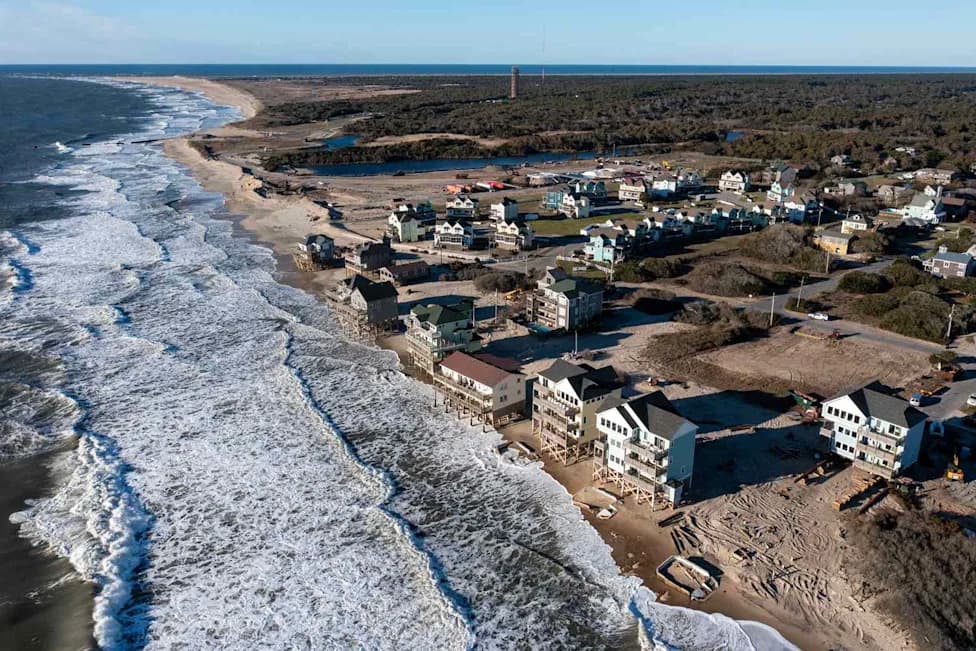
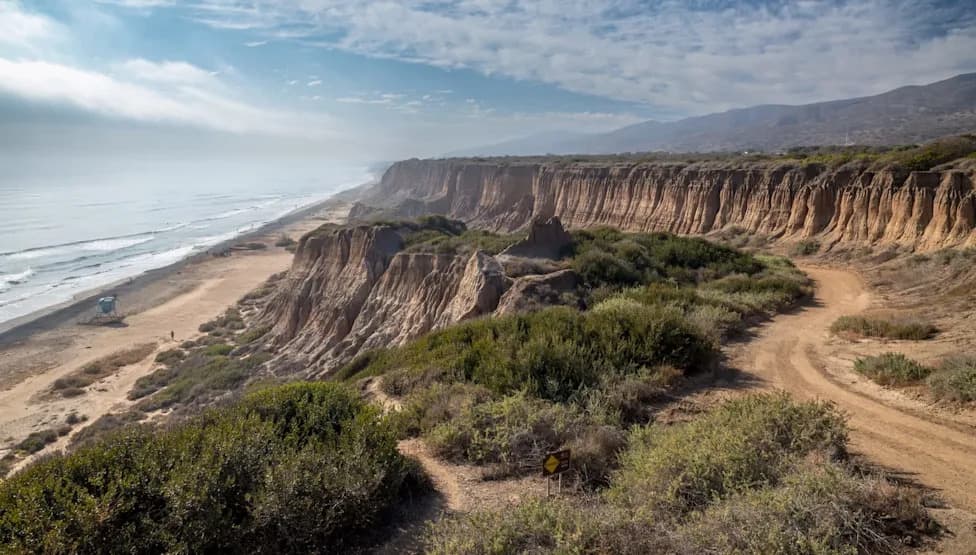
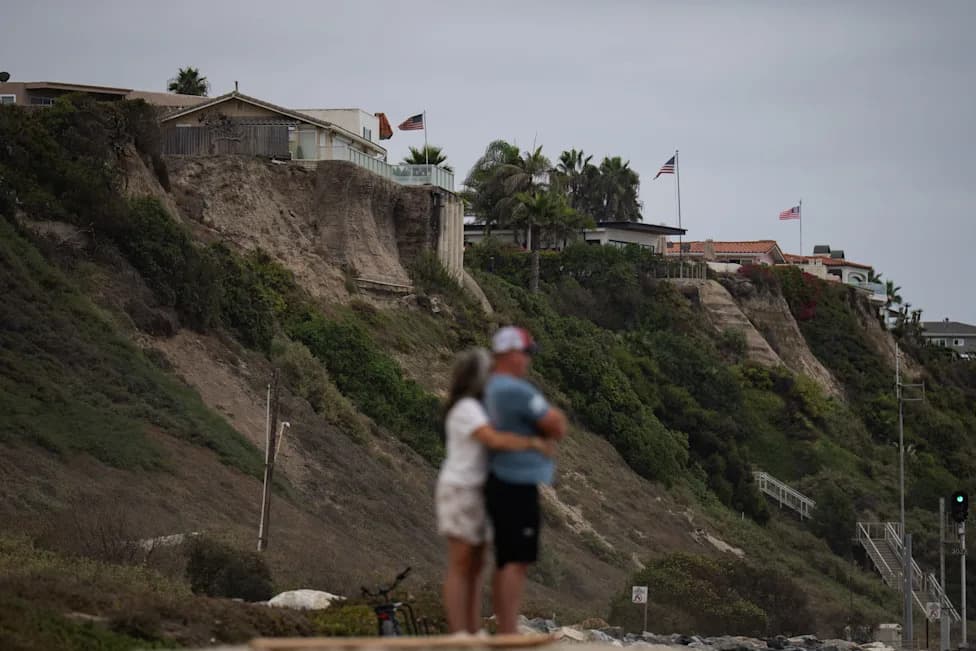
Homeowners from Nantucket to the Outer Banks and California are confronting similar dilemmas as erosion and increasingly powerful storms erode shorelines. Recent examples include the demolition of high-profile beach homes on Nantucket, warnings about stronger wave energy on California bluffs, Outer Banks houses slipping into the sea, and an owner in Buxton who moved a 264,500-pound beach house to protect it from encroaching erosion.
What this means: The 93 Baxter Road case highlights the trade-offs coastal owners face between short-term property value, protective engineering that may fail, and lengthy legal and political fights over shoreline management. For towns, the case raises hard questions about permitting, public safety and long-term adaptation as the coastline changes.
Help us improve.