Endometriosis — when womb-like tissue grows outside the uterus — is forcing many women out of work because of severe pain, diagnostic delays and medical dismissal. Personal stories describe misdiagnoses, major surgeries and loss of fertility, while charities and a parliamentary inquiry call for better workplace protections and faster diagnosis. The NHS urges clinicians to follow NICE guidance and points to women's health hubs as specialist resources.
How Endometriosis Is Forcing Women Out Of Work: Delays, Misdiagnosis and Life-Altering Consequences
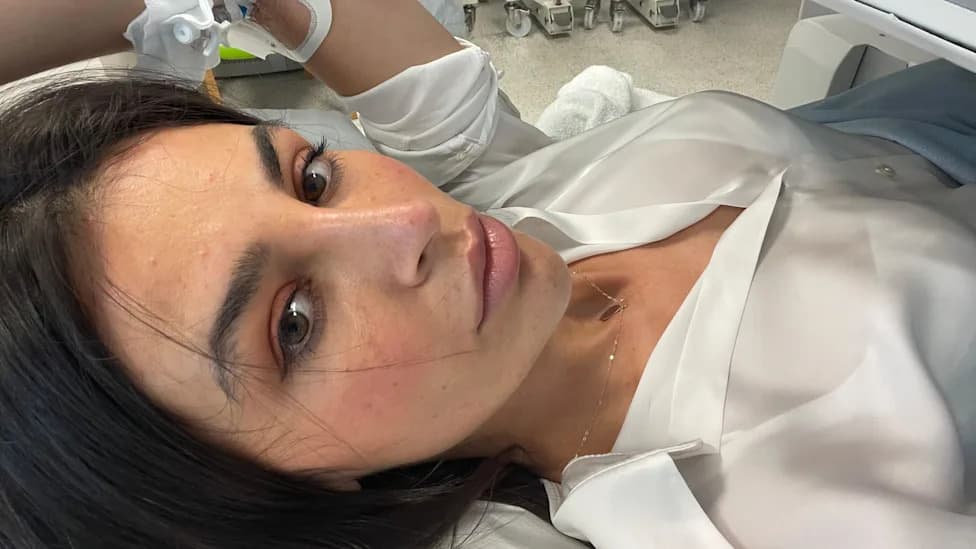
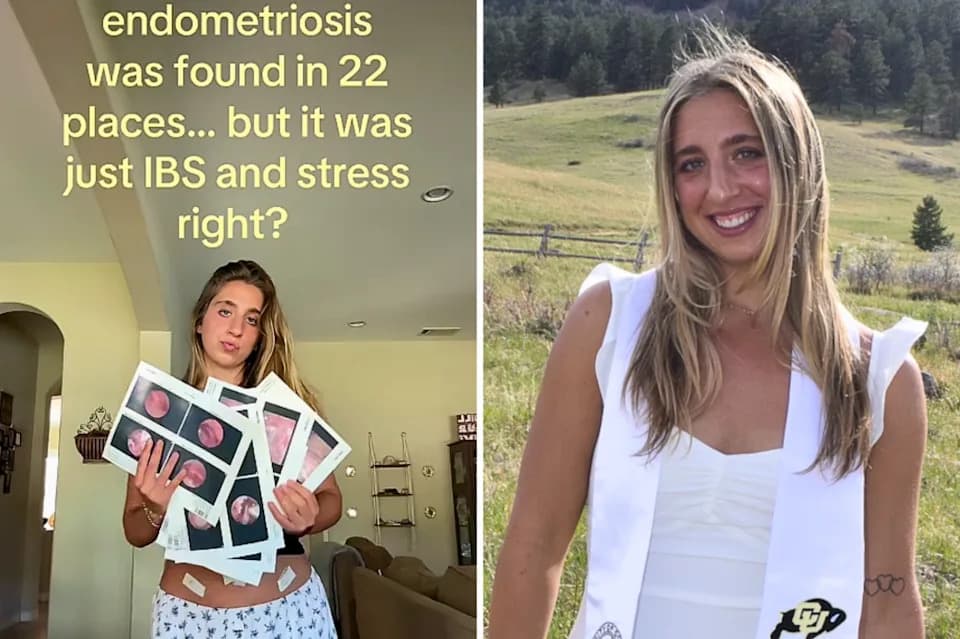
Doctors removed Carla Cressy's appendix, but it was endometriosis that was causing the excruciating pain [Carla Cressy]
Endometriosis — a condition in which tissue similar to the lining of the womb grows outside the uterus — is driving many women out of the workplace due to severe, often misunderstood pain and delayed diagnosis. Personal accounts reveal misdiagnoses, repeated hospitalisations, major surgeries and lost fertility, while campaigners and clinicians warn of widespread medical dismissal and inadequate workplace protections.
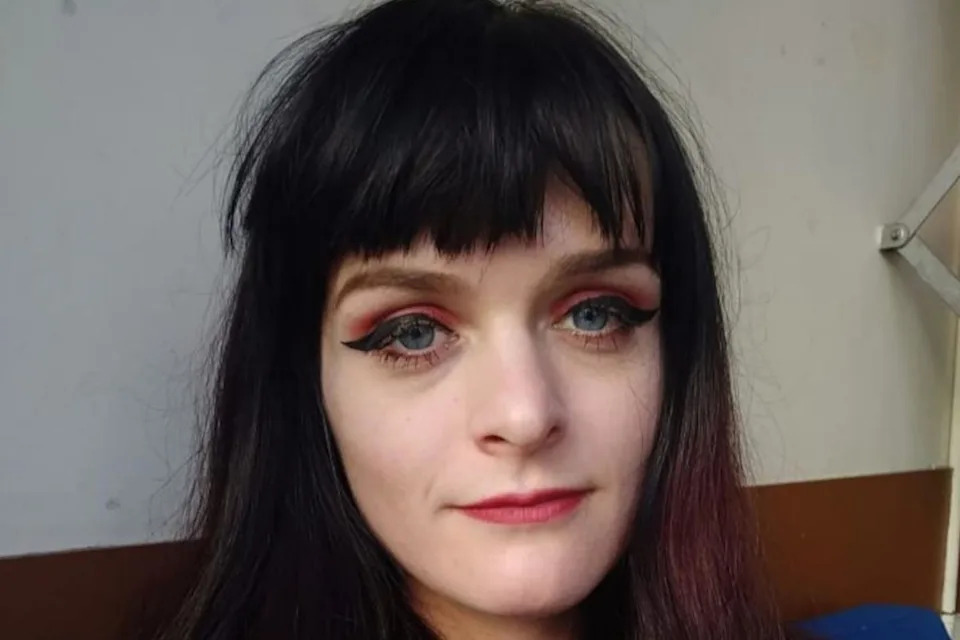
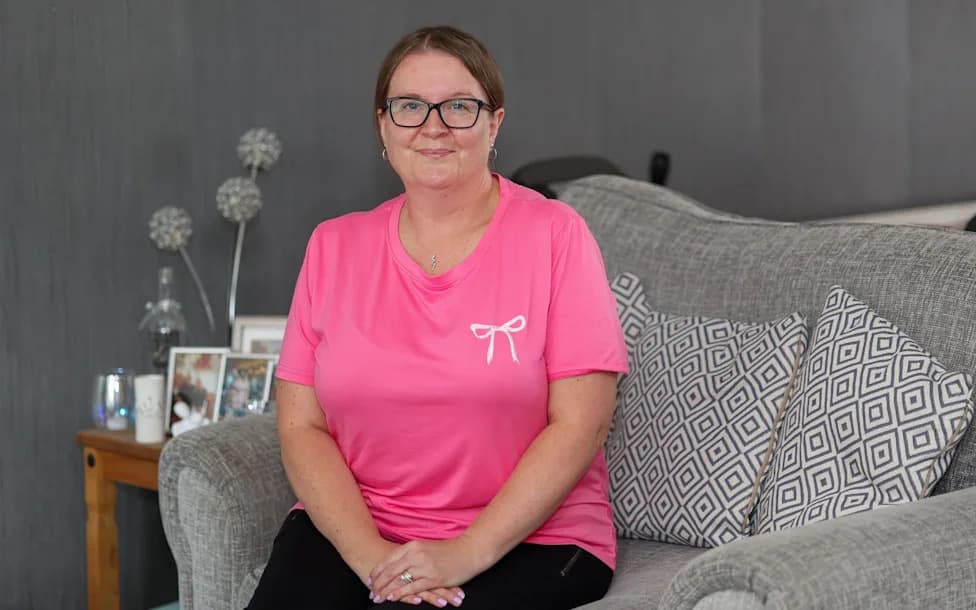
Abi Smith said her endometriosis had made her mental health suffer over the years [Abi Smith]
Personal Stories: Careers Interrupted
Carla Cressy began modelling at five but collapsed repeatedly during shoots. From the age of 13 she suffered excruciating pain and was not diagnosed with endometriosis until she was 25. Misdiagnoses included an unnecessary appendectomy and repeated admissions for chronic constipation. By the time she received correct treatment her disease had progressed to a 'frozen pelvis', destroying reproductive organs and requiring bladder reconstruction and a total hysterectomy. Carla retrained as a beauty therapist, later founding The Endometriosis Foundation after connecting with others online while recovering.
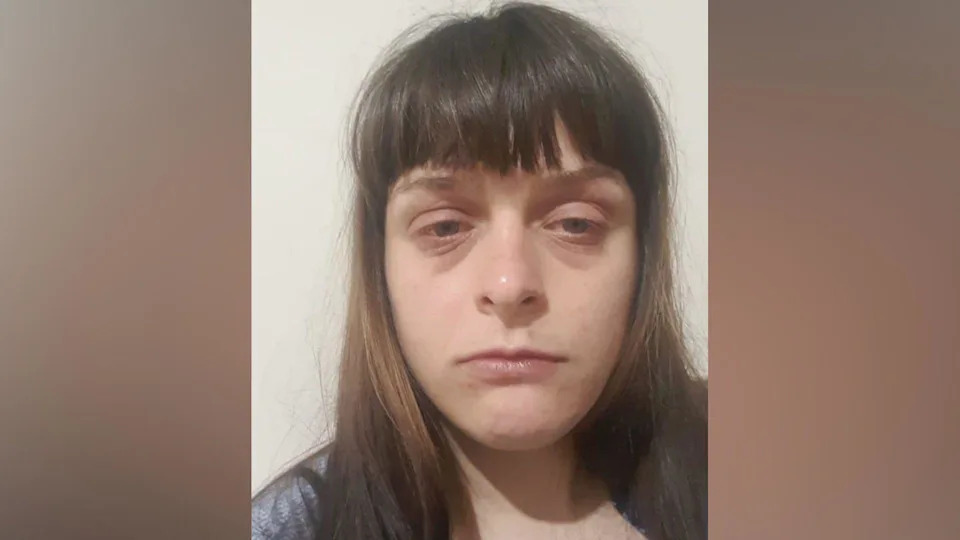
Abi said it was "disgusting" how long some women have to wait before they are diagnosed with endometriosis [Abi Smith]
"It was really embarrassing and I couldn't do it anymore. When I was diagnosed 10 years ago I was told I was too young and that it was rare. We now know it is absolutely not rare."
Abi Smith first saw doctors aged 10 for pelvic pain and was prescribed a gut-health yoghurt. She describes period pain so severe she 'felt like I was dying' and worked through attacks while employed at a post office. Abi was not diagnosed until 21 and is now undergoing a medically induced menopause to control symptoms. Her applications for disability benefits have been rejected multiple times, and she continues to work despite disabling pain.

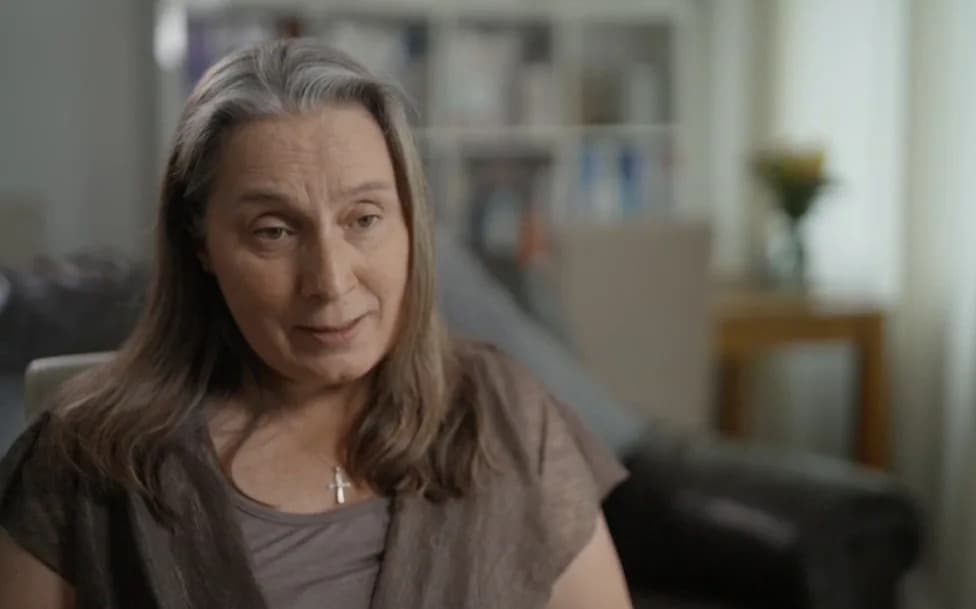
Dr Windgassen says the combination of severe pain and not being believed is one of the most damaging experiences people can face [Vicki Knights]
Monica Thomas waited years for diagnosis; her endometriosis has spread to her lungs and she faces multiple surgeries on her lungs, bowels and pelvis. She also lives with adenomyosis, pelvic congestion syndrome and Lichen Sclerosus. Feeling unheard by clinicians, Monica founded the charity Women's Health Hope and plans to open a women's health hub to provide local support.
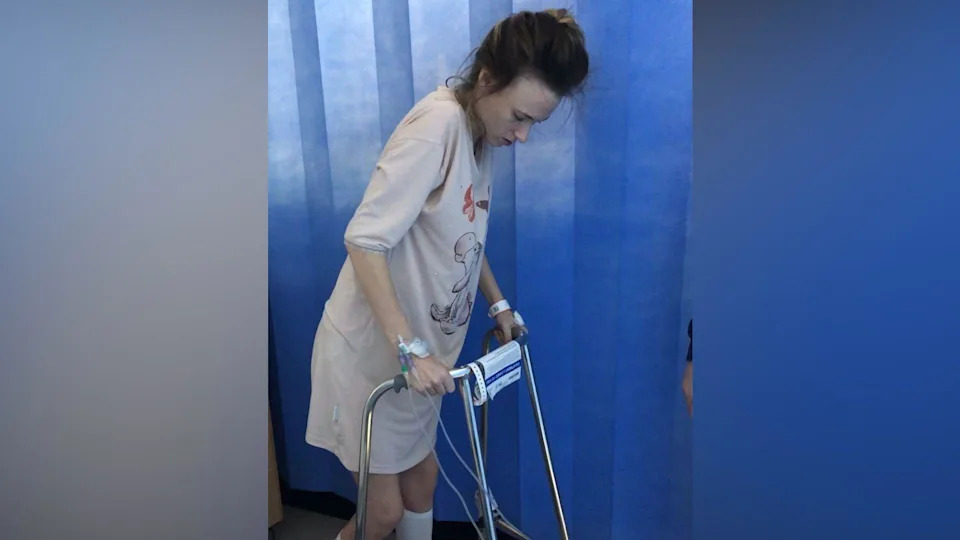
Monica said she spent years questioning herself when doctors failed to take her pain seriously [Monica Thomas]
Systemic Problems: Delays, Dismissal and Poor Workplace Protections
Research suggests around one in six women with endometriosis leave the workplace because of the condition. Many patients describe repeated delays to diagnosis and treatment, and a pattern of being told symptoms are psychological — a phenomenon increasingly discussed as medical gaslighting. Psychotherapist Dr Sula Windgassen notes that some women are forced to quit work, increasing isolation and anxiety. Therapy often focuses on coping strategies, hybrid working arrangements or exploring new careers — solutions that come too late for some.
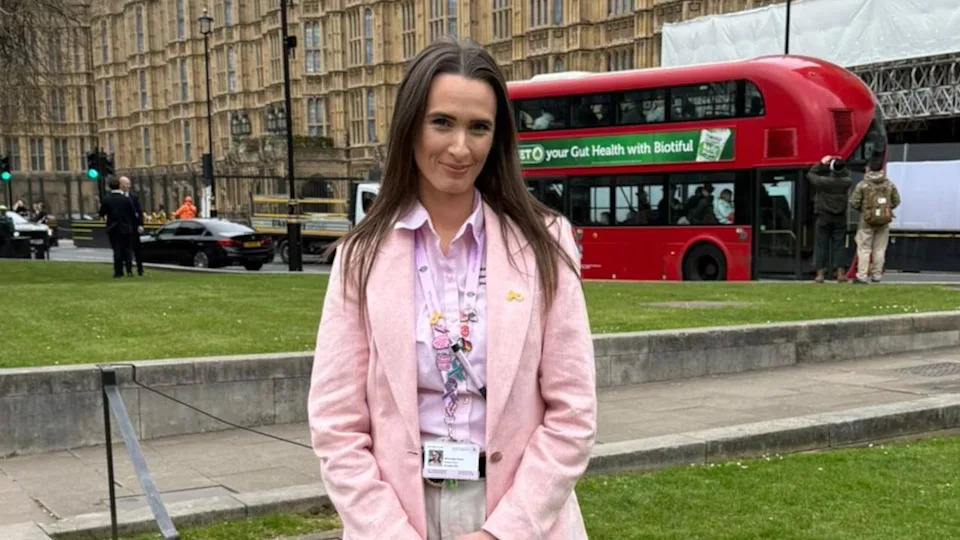
Monica Thomas has campaigned for better support for women and their health [Monica Thomas]
"Therapy often becomes a space for exploring alternative careers, hybrid working arrangements, or other ways of maintaining employment. None of those decisions are simple."
Campaigners point to an absence of workplace protections in the UK for menstrual and gynaecological conditions: there is currently no specific legislation that guarantees fair treatment or protected time off for people with severe menstrual health problems. A parliamentary inquiry is gathering evidence on how these conditions affect employment.
Clinical Response
An NHS spokesperson said medical professionals, including GPs, should follow National Institute for Health and Care Excellence (NICE) guidelines to diagnose endometriosis. The NHS also highlights women's health hubs as a route for specialist care for menstrual problems and endometriosis in many areas.
Why This Matters
Delayed diagnosis can lead to severe complications, including frozen pelvis, infertility, organ damage and the need for multiple major surgeries. Beyond physical harm, the social and economic impacts are profound: lost income, career derailment, repeated benefit refusals and significant emotional distress. Charities, clinicians and parliamentarians are calling for better awareness, faster diagnosis, clear workplace guidance and improved specialist services.
Key statistics and concerns: around one in six women with endometriosis may leave work because of the condition; a recent study reported that 84% of women feel unheard by healthcare professionals. The combined evidence points to an urgent need for improved clinical pathways and workplace protections.
Help us improve.