Ally Ostedt spent more than a decade being told her chronic pain and digestive issues were caused by stress or routine gastrointestinal problems. After stopping hormonal contraception at 21 and seeing her symptoms worsen, laparoscopic surgery confirmed stage 2 endometriosis, despite negative imaging. Now recovering with multidisciplinary care, Ostedt is sharing her journey on TikTok (@allyinhealing) to raise awareness about diagnostic delays and medical dismissal. She urges others to persist when their pain is dismissed.
Told It Was IBS And Stress For Years — 23-Year-Old Finally Diagnosed With Stage 2 Endometriosis
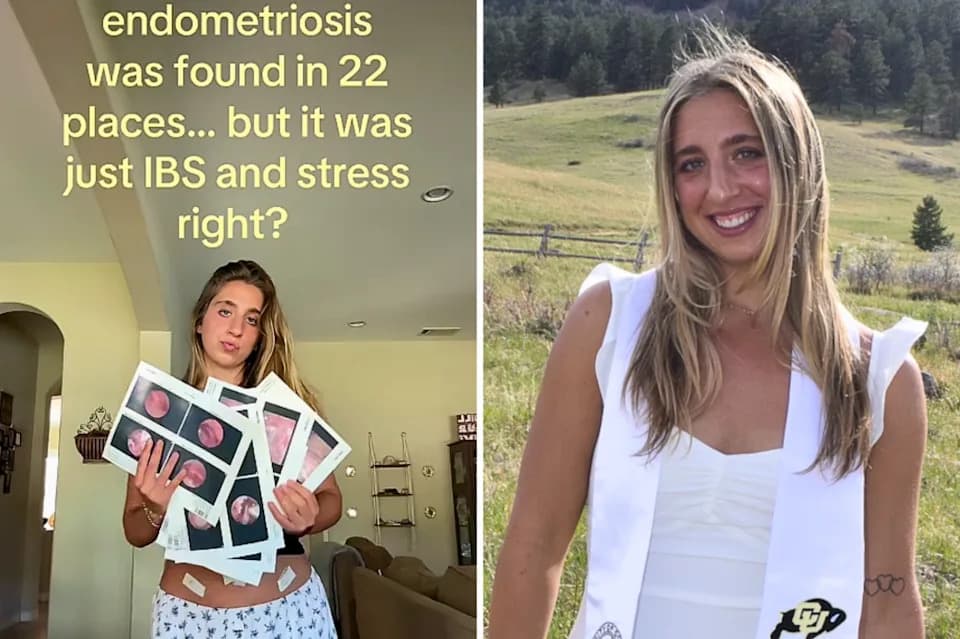
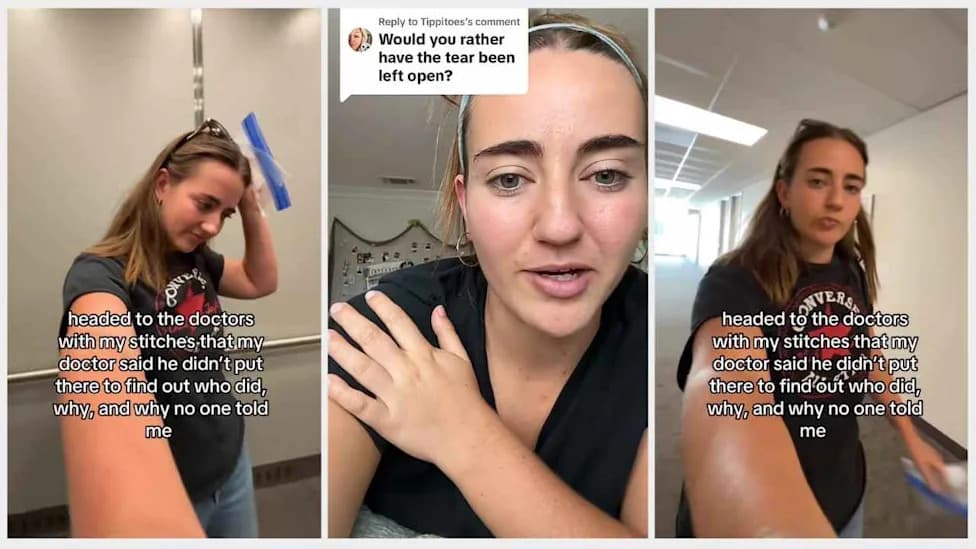
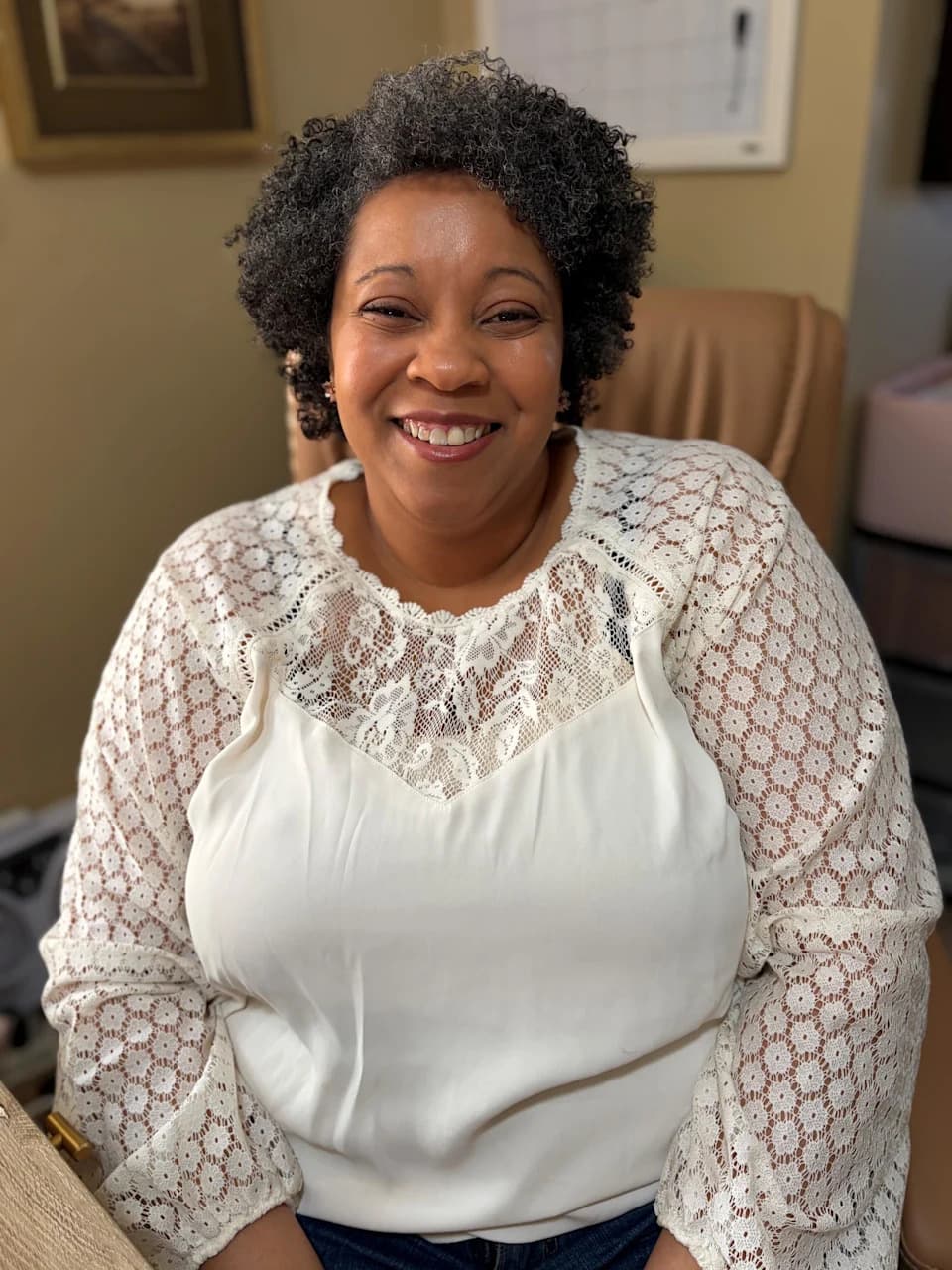
From left: Ally Ostedt in a TikTok video; and at her college graduation ceremony.
For more than a decade, Ally Ostedt endured debilitating pain, digestive problems and exhaustion that many clinicians attributed to stress or routine gastrointestinal disorders. At 23, after years of searching for answers, laparoscopic surgery finally confirmed what imaging had not: stage 2 endometriosis.
"The gold standard for diagnosing endometriosis is laparoscopic surgery," Ostedt told Newsweek. "An MRI or ultrasound can be helpful, but in my case, both showed nothing. Still, I was suffering with pain every day, and sadly, I knew I wasn't alone in this feeling."
Ostedt's symptoms began in early adolescence. At 12 she was diagnosed with what is likely a case of PCOS (polycystic ovary syndrome), which brought cystic acne, weight gain, excessive hair growth, fatigue and irregular periods; she was prescribed the contraceptive pill to manage those symptoms. Over the following years, nearly everything she ate caused stomach pain. She experienced persistent bloating, frequent constipation and chronic discomfort that affected her studies, work and social life.
Despite extensive gastrointestinal testing, dietary changes and natural remedies, nothing provided lasting relief. When she stopped hormonal contraception at 21 to see how her body would respond, her symptoms worsened: excruciating periods, constant pelvic pain, crushing fatigue and mounting health challenges that eventually forced her onto disability leave and led her to move home.
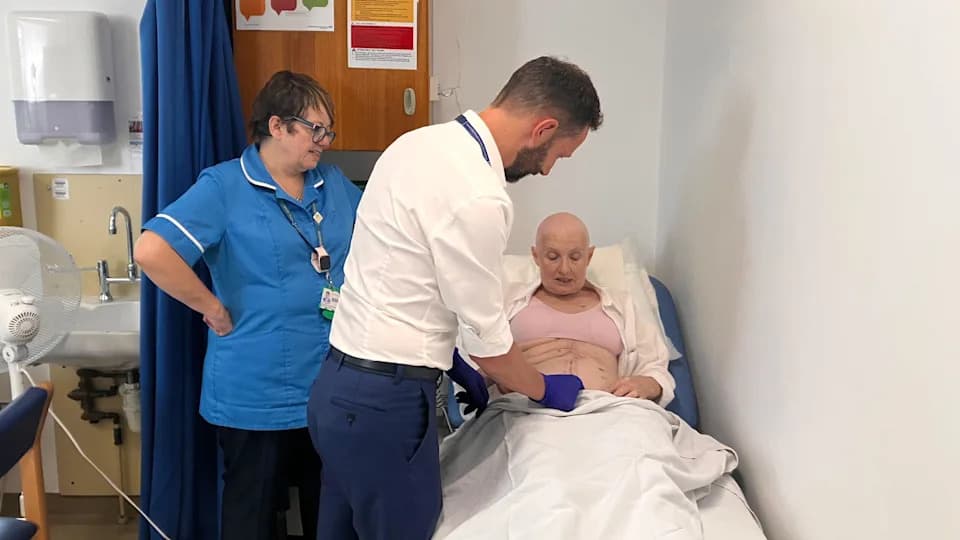
Back in Los Angeles, a meeting with a pelvic floor physical therapist proved pivotal. The therapist validated her symptoms and referred her to an endometriosis specialist. The team decided laparoscopic surgery was the best way to confirm a diagnosis — the operation revealed stage 2 endometriosis, with Ostedt sharing that endometriosis was found in multiple locations during the procedure.
What Is Endometriosis? Endometriosis occurs when tissue similar to the uterine lining grows outside the uterus, potentially affecting several organs. Symptoms can include severe menstrual pain, chronic pelvic pain, digestive problems, fatigue and fertility challenges. There is no cure, but treatments are available to manage symptoms.
Advocacy groups estimate the condition affects roughly one in 10 women, and delays in diagnosis are common. While rising public awareness — driven in part by celebrities and social-media creators — has helped many patients find support, Ostedt's story highlights persistent gaps in care and the risk of dismissal or "medical gaslighting".
About two months after her surgery, Ostedt is still recovering. She continues working with a pelvic floor physical therapist, a functional medicine doctor, a massage therapist and a mental-health counselor while adapting to life with a chronic condition. She credits her family, especially her mother, with providing crucial support.
Determined to help others avoid the isolation she experienced, Ostedt began documenting her recovery on TikTok under @allyinhealing. One July 7 video shows her holding photos from surgery with overlaid text: "Endometriosis was found in 22 places…But it was just IBS and stress right?" The post has been liked over 200,000 times and sparked widespread empathy and conversation.
"It's endearing but also heartbreaking that so many relate," she said. "To women who suspect they have endometriosis and aren't taken seriously: keep fighting for yourself. Pain is not normal; you are valid, seen, heard, and nobody knows your body better than you do. Don't give up."
Ostedt's experience underscores the importance of listening to patients, pursuing appropriate diagnostic tests when symptoms persist, and building multidisciplinary care teams to support people living with chronic pelvic pain conditions.
Help us improve.