Post‑sepsis syndrome (PSS) affects many survivors of sepsis, causing long‑term physical and psychological problems such as fatigue, cognitive impairment, pain, hair and skin issues, and PTSD. Patients like Sarah Neville and Samuel Preston describe prolonged disability and a lack of clear diagnosis or follow‑up care. Experts warn PSS is underdiagnosed due to limited tests and awareness; NHS England's new framework calls for rehabilitation assessments, better follow‑up and more research to turn policy into practical services.
The Hidden Cost Of Surviving Sepsis: Life After Infection And The Rise Of Post‑Sepsis Syndrome
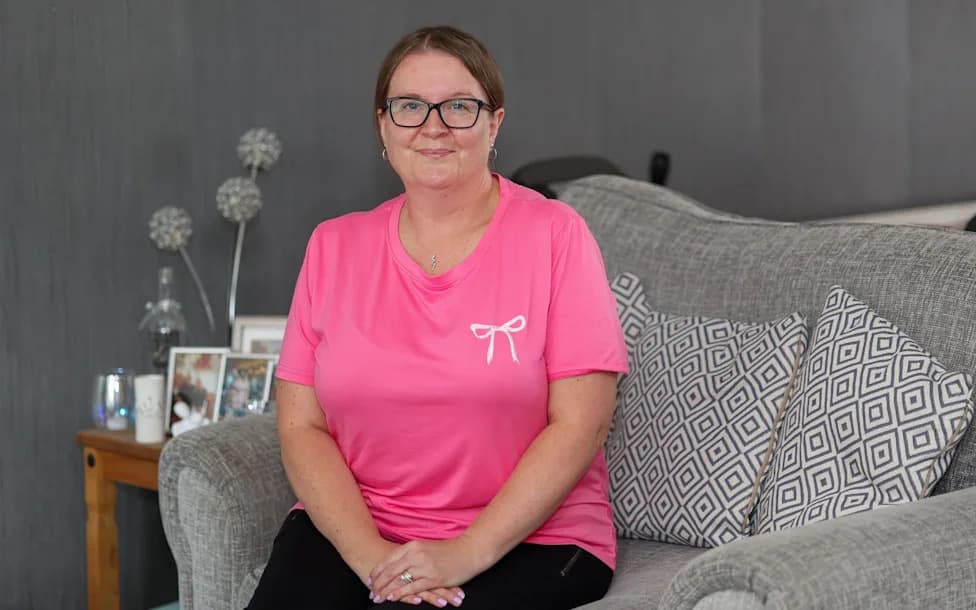
Sarah Neville, 47, developed sepsis after a pelvic biopsy in 2024 - John Lawrence
When Sarah Neville left hospital 10 days after a life‑threatening episode of sepsis, she assumed the worst was over. Nearly two years on, the 47‑year‑old teaching assistant from Luton is still living with debilitating physical and psychological aftereffects: profound fatigue, hair loss, painful skin infections, depression and traumatic flashbacks.
Sarah's Story: Recovery That Never Felt Complete
Neville's symptoms are typical of post‑sepsis syndrome (PSS), in which the impact of sepsis persists for months or years after the initial infection and, for some people, becomes permanent. PSS can include insomnia, anxiety, memory and concentration difficulties, and muscle and joint pain. “It left me very tearful and depressed, and I didn't want to get out of bed,” she says. “I barely recognised myself.”
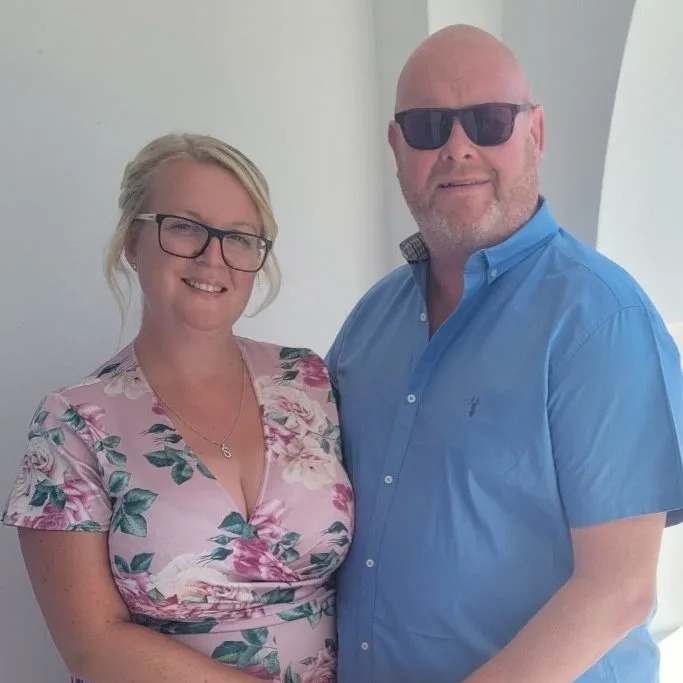
Sarah with her husband Andy before she developed sepsis in November 2024
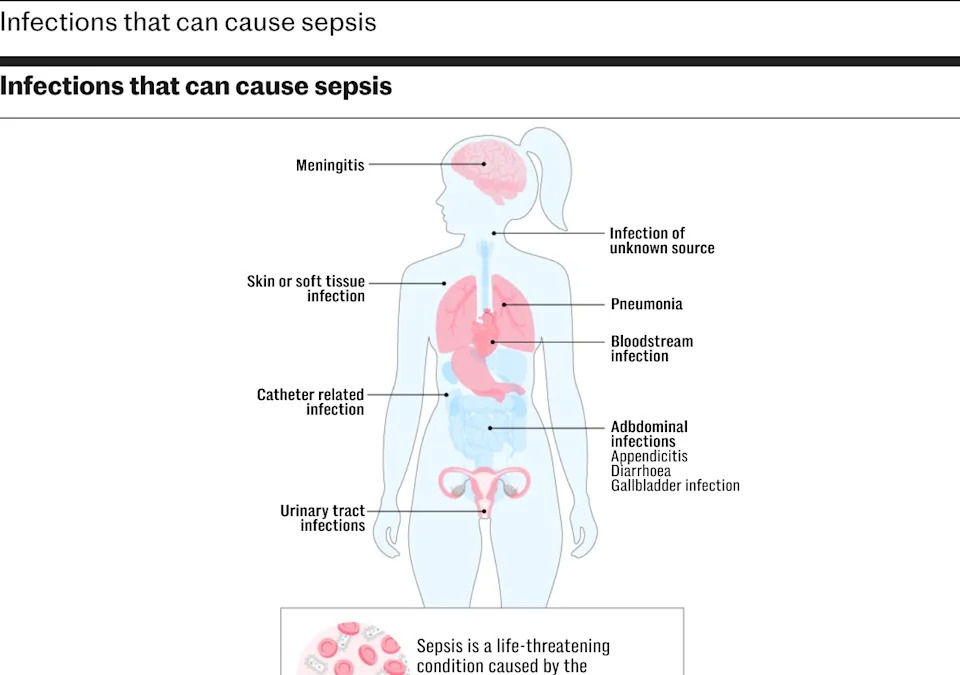
After a precautionary pelvic biopsy in November 2024 — a routine procedure following scans that showed fibroids and endometriosis — bacteria entered Neville's bloodstream and she developed worsening flu‑like symptoms within 48 hours. A walk‑in doctor dismissed her concerns as anxiety and her GP prescribed antibiotics over the phone without testing. Six days after the biopsy she deteriorated sharply: her temperature rose to 41°C, she began hallucinating and had difficulty breathing. A rapid responder arrived after an urgent 999 call, recognised sepsis immediately and likely saved her life.
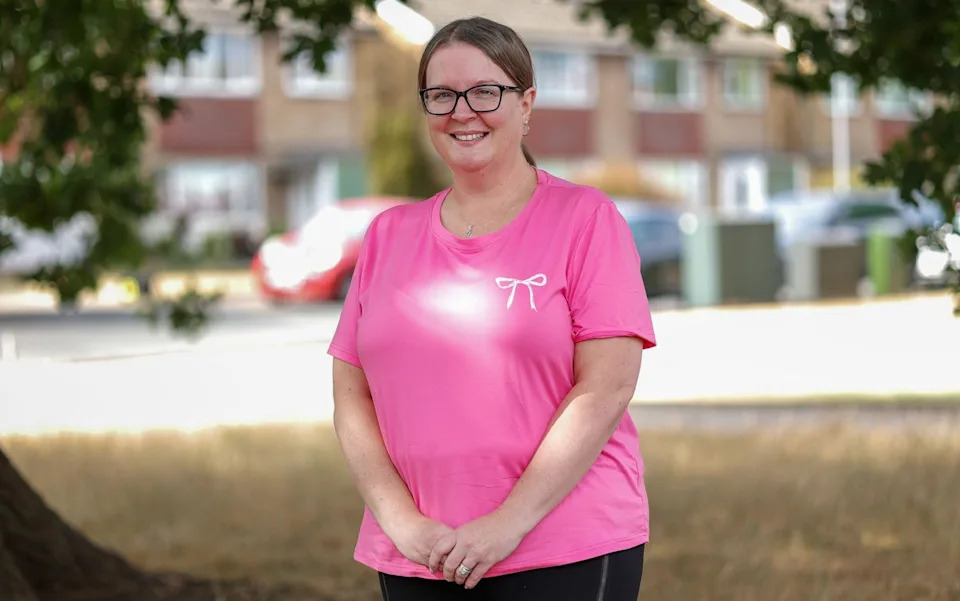
Sarah has gradually regained her confidence and recently had her first haircut in two years - John Lawrence
“I genuinely thought I was dying,” Neville recalls. “I really believe he saved my life.”
Rushed to the resuscitation unit, she received morphine and intravenous antibiotics and eventually stabilised — but no one warned her about potential long‑term effects. There was no structured follow‑up or information about PSS. Weeks at home brought vivid flashbacks and sleep problems; she returned to work months later on reduced hours and continued to suffer relapses of symptoms including scalp infections and hair loss.

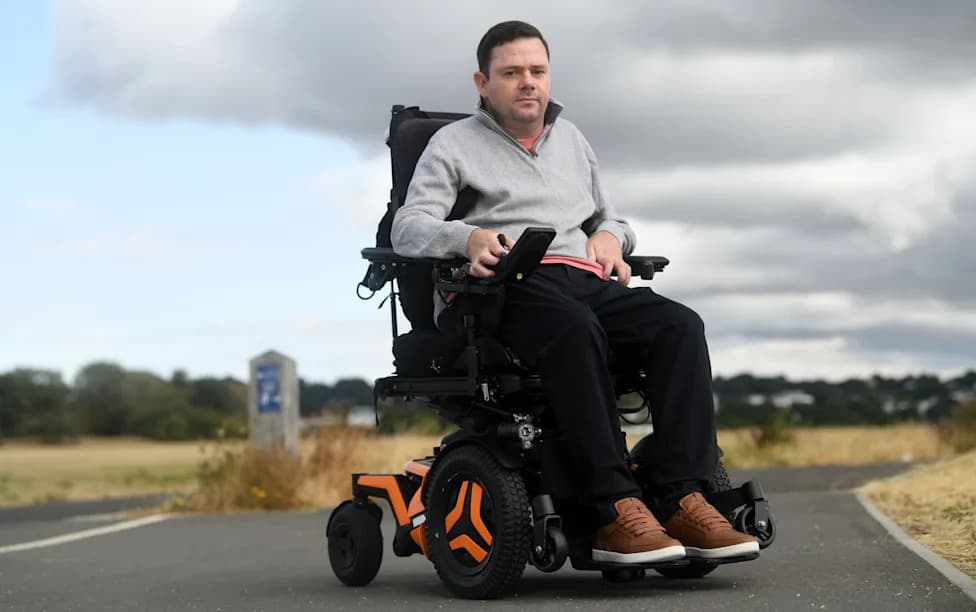
Samuel Preston, who developed sepsis after a small cut on his leg became infected in June 2023 - Asadour Guzelian
What Is Post‑Sepsis Syndrome?
PSS is not a single, uniform illness but a spectrum of ongoing problems after surviving sepsis. Experts say symptoms are highly variable and may be influenced by how ill the person was initially, how long they spent in hospital, and their pre‑existing health and fitness.
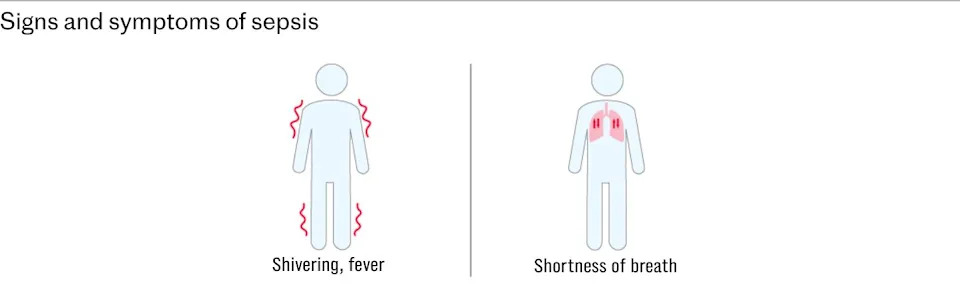
- Common symptoms: persistent fatigue, cognitive impairment ("brain fog"), insomnia, anxiety and depression, muscle and joint pain, and skin or hair problems.
- Recognition challenges: There are no definitive laboratory tests for PSS, and many frontline clinicians and GPs are still unfamiliar with the condition.
Another Patient: Samuel Preston
Samuel Preston developed sepsis in June 2023 after a small cut on his leg became infected. Despite fever and rapid deterioration, his condition was initially under‑prioritised in A&E. Treated with antibiotics and discharged, he struggled with extreme fatigue, nightmares, joint pain and memory problems for years afterwards and has been diagnosed with PTSD and anxiety. Once very active, Preston now needs a wheelchair for longer distances and only learned about PSS through his own research.

Samuel Preston in 2018, when he was able to walk without assistance
Why PSS Is Often Missed
Ron Daniels, founder of the UK Sepsis Trust and an NHS intensive care consultant, warns that PSS is hugely underdiagnosed. Of roughly 250,000 people in the UK who develop sepsis each year, an estimated 40–70% may experience life‑altering disability a year later. Sepsis itself causes about 48,000 deaths annually in the UK and leads to more hospital admissions than heart attacks; it also costs the NHS up to £2bn a year.
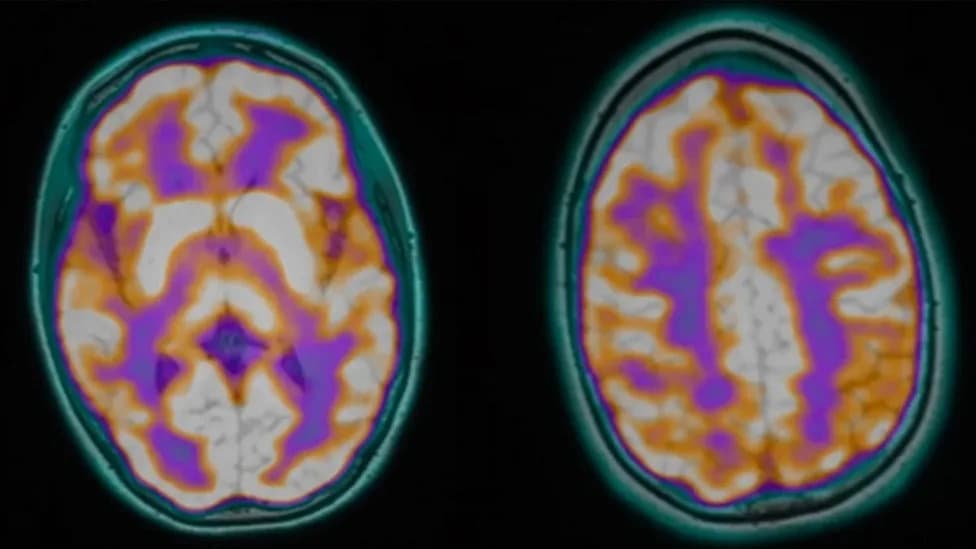
Clinicians say sepsis causes widespread immune dysregulation and organ stress; for some patients, that dysregulation can persist and produce chronic symptoms. Because the presentation and timeline vary so widely, many patients are told they have other conditions and are passed between services without anyone connecting the long‑term problems back to sepsis.
Policy And Progress
There are signs of change. NHS England's Modern Service Framework for sepsis, published in July, recommends rehabilitation needs assessments, improved follow‑up and monitoring of sepsis survivors. Researchers such as Professor Joanne McPeake (University of Cambridge) welcome the framework but stress it is only a start: more research is needed into the biological causes of long‑term post‑sepsis problems, and practical services must be resourced and rolled out equitably.
Practical Advice For Patients And Families
If you or a loved one has had sepsis and you experience lingering symptoms, ask your GP for a follow‑up assessment. Keep a symptom diary, seek mental health or counselling support for PTSD or anxiety, and contact specialist organisations for information and peer support. The UK Sepsis Trust (sepsistrust.org) provides resources for patients and families.
September is Sepsis Awareness Month. Early recognition and rapid treatment save lives; improved aftercare can reduce long‑term suffering for survivors.
Help us improve.