India's move to E20 — petrol blended with 20% ethanol — has sparked controversy after a consumer court ordered Maruti Suzuki to replace a car or pay two million rupees, finding ethanol-blend fuel damaged the vehicle. The government accelerated the shift to reduce oil imports, lower lifecycle emissions and support farmers, but critics warn of environmental trade-offs, pressures on land and water, and higher emissions of some pollutants. Owners of vehicles made before March 2023 may face fuel-system damage and reduced mileage, insurers may refuse claims, and legal challenges could multiply.
E20 in India: Why the Government Is Pushing Ethanol and What It Means for Vehicle Owners
Why India is pushing ethanol as biofuel and what it means for car owners
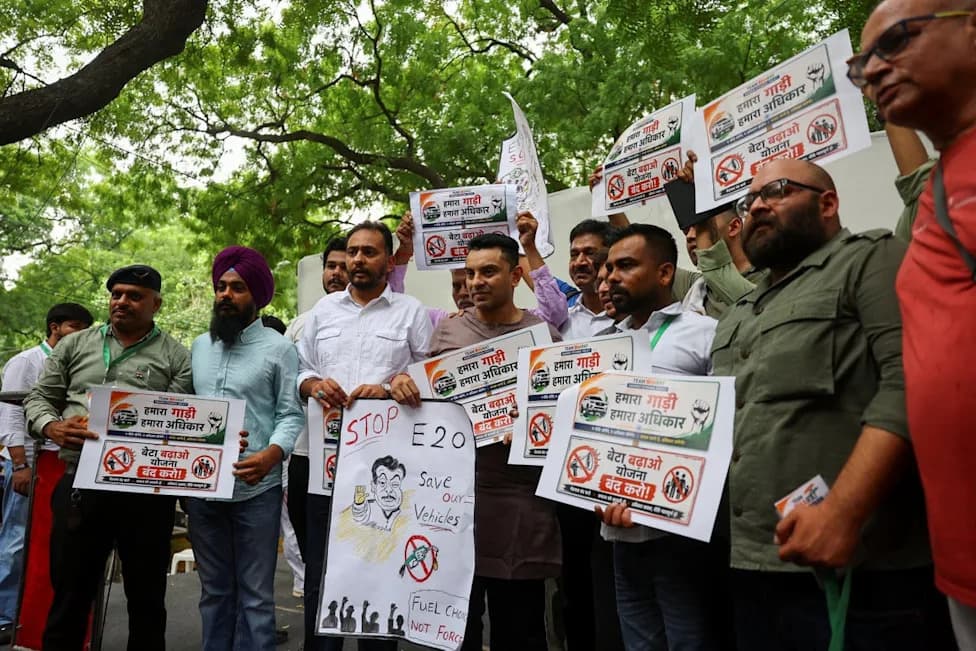
An Indian consumer court has ordered the country's largest carmaker, Maruti Suzuki, to replace a customer's vehicle or pay two million rupees (£17,300) after finding that the ethanol-blend petrol in use damaged the car — the first such ruling in a widening dispute over New Delhi's ethanol fuel policy.
What Is E20?
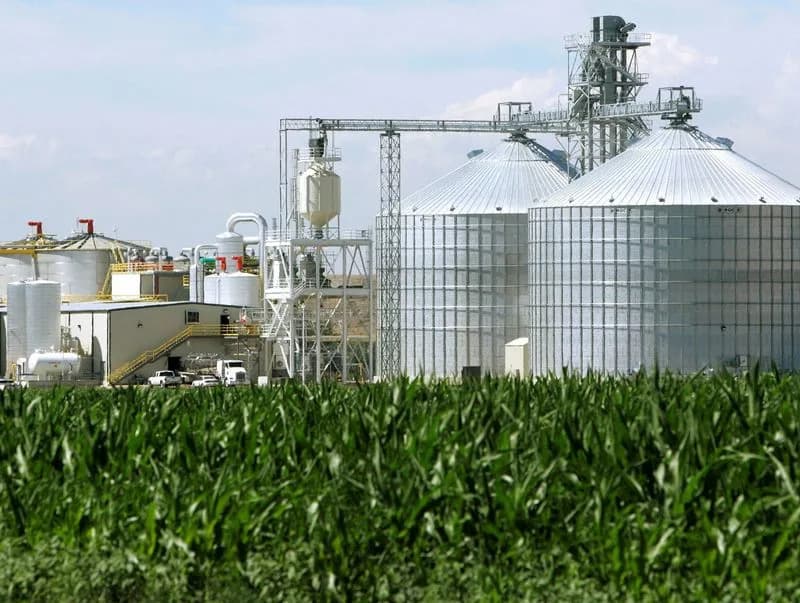
E20 is a petrol blend that contains 20% ethanol and 80% petrol. Ethanol is a biofuel produced from crops such as sugarcane and maize or from agricultural residues. It is widely used in countries including Brazil, the United States and Thailand.
Why India Pushed the Switch
The government accelerated its target for a 20% ethanol blend from 2030 to 2025 and reached that goal ahead of schedule. The policy aims to reduce India's heavy reliance on imported crude oil (roughly 87% of its needs), lower lifecycle greenhouse gas emissions and support farmers by creating demand for agricultural feedstocks.
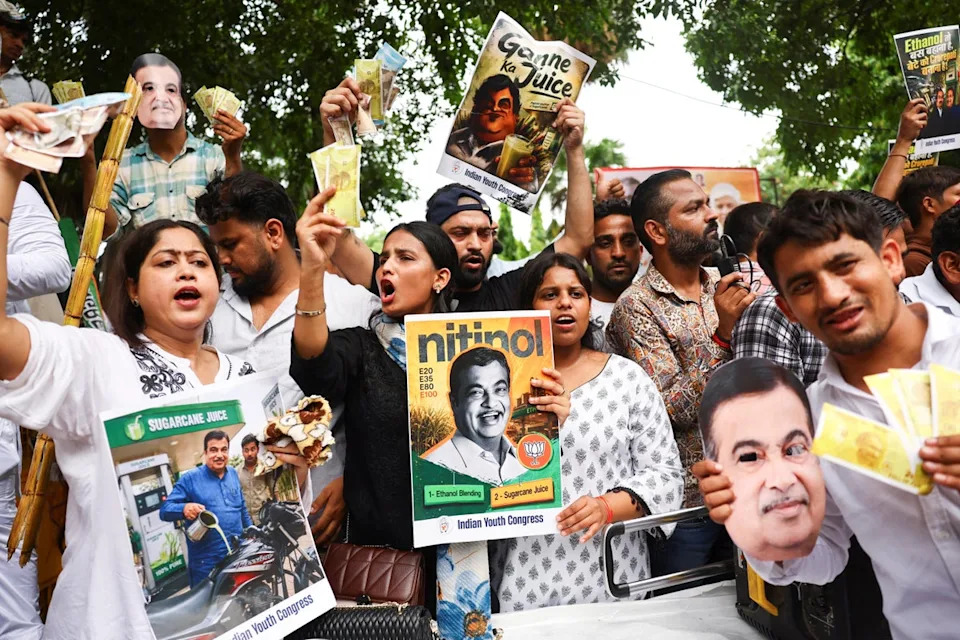
Supporters of Indian Youth Congress hold placards and shout slogans during a protest against government's 20% ethanol-blended fuel policy (Reuters)
Environmental And Practical Trade-Offs
Proponents argue ethanol reduces net greenhouse gas emissions because growing feedstock crops absorb carbon dioxide. However, critics point out real trade-offs: diverting crops to fuel raises concerns about land and water use in a country with intense competition for both resources. Independent analysts also warn E20 may increase some pollutants (for example, nitrogen oxides and acetaldehyde) and that Indian testing regimes may not capture extreme summer temperatures that affect emissions and engine performance.
Concerns For Older Vehicles
Much of the controversy centers on vehicles built before March 2023. Cars and motorcycles sold prior to that often were designed for lower ethanol blends (up to 10%). Ethanol is hygroscopic (it absorbs water) and acts as a solvent, which can swell or crack rubber seals, clog fuel filters, corrode some fuel system components and make cold starts harder in vehicles not engineered for the higher blend.
Drivers also report reduced fuel economy because ethanol contains less energy per litre than petrol. Real-world estimates suggest mileage drops of roughly 3–10% depending on the vehicle; India's automakers' association estimates a smaller reduction of 2–4%.
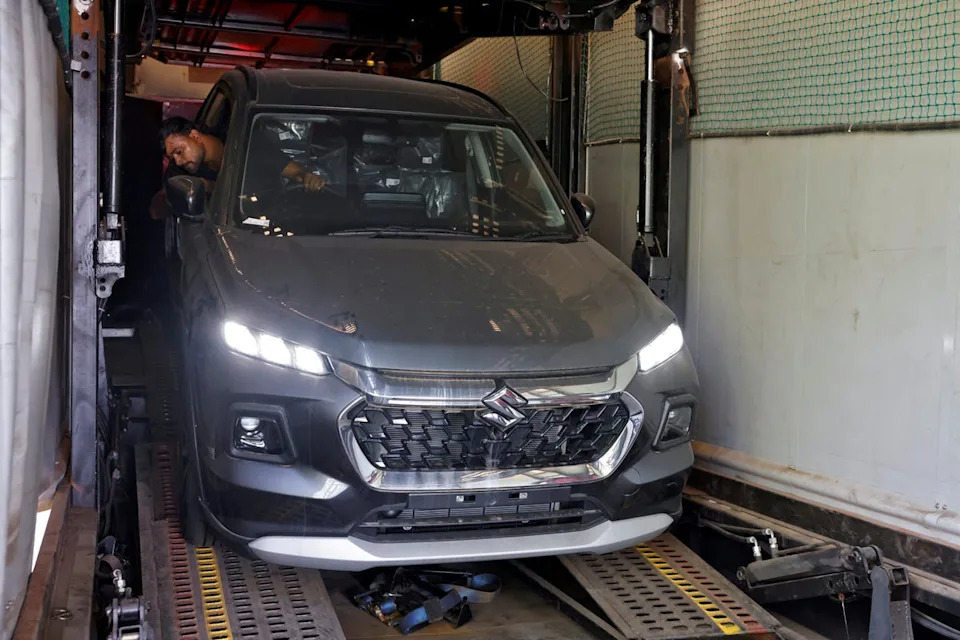
A worker unloads a Grand Vitara car from a container at a Maruti Suzuki stockyard on the outskirts of Ahmedabad, India (Reuters)
Insurance, Retrofits And Who Pays
The situation worsened when an Indian insurer indicated it would not cover engine damage caused by using the wrong fuel, potentially leaving owners to pay repair bills. There is no official nationwide programme to retrofit millions of older vehicles for E20 compatibility, so adaptation costs generally fall on individual drivers.
Industry And Government Response
Maruti Suzuki told the Chhattisgarh tribunal that the defects arose from adulterated fuel rather than from E20 itself and noted the model in question was listed in its owner’s manual as E20-compatible. The company also said checks on pre-2023 models "have not found anything of concern." Judges in the case reached a different conclusion, and Maruti has said it will appeal.
Ministers have defended the rapid rollout. Roads Minister Nitin Gadkari described online criticism as a "paid campaign" and said testing agencies found no systemic vehicle problems. The government’s attorney general referred to the rollout as an "experiment" in comments that later required clarification, highlighting political sensitivity.
Legal Fallout And What Drivers Should Do
Legal experts say the Chhattisgarh ruling could encourage other owners to bring claims, potentially creating a wave of litigation for automakers and dealers. For drivers worried about E20, practical steps include:
- Check your owner's manual for E20 compatibility and ask your dealer if unsure.
- Keep fuel receipts and service records if you suspect fuel-related damage.
- Ask mechanics to inspect fuel-system seals, hoses and filters if you experience rough starts or leaks.
- Consider fuel economy monitoring to detect any significant mileage loss.
The debate over E20 in India highlights a wider tension between energy security, rural incomes and vehicle durability. How the courts, insurers, automakers and regulators resolve these disputes will shape the rollout's political and economic impact.
Help us improve.