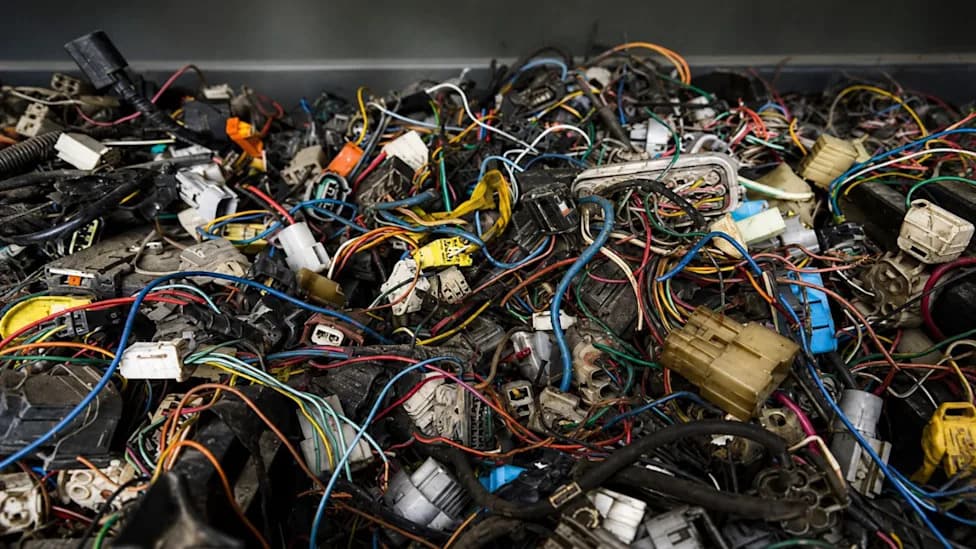
Al Jazeera reports that informal e-waste workers in Mustafabad dismantle electronics in cramped conditions with little or no protective equipment, earning about $8 for a 12-hour day. Workers often burn plastic coatings by hand to access metals and regularly inhale toxic smoke. The WHO warns that informal recycling can release lead, mercury, cadmium and dioxins, posing serious health risks to workers and their families. Advocates call for formalizing the sector to improve safety, but many recyclers say they depend on this income to survive.
Burning Wires by Hand: Mustafabad E-Waste Workers Inhale Toxic Fumes for About $8 a Day
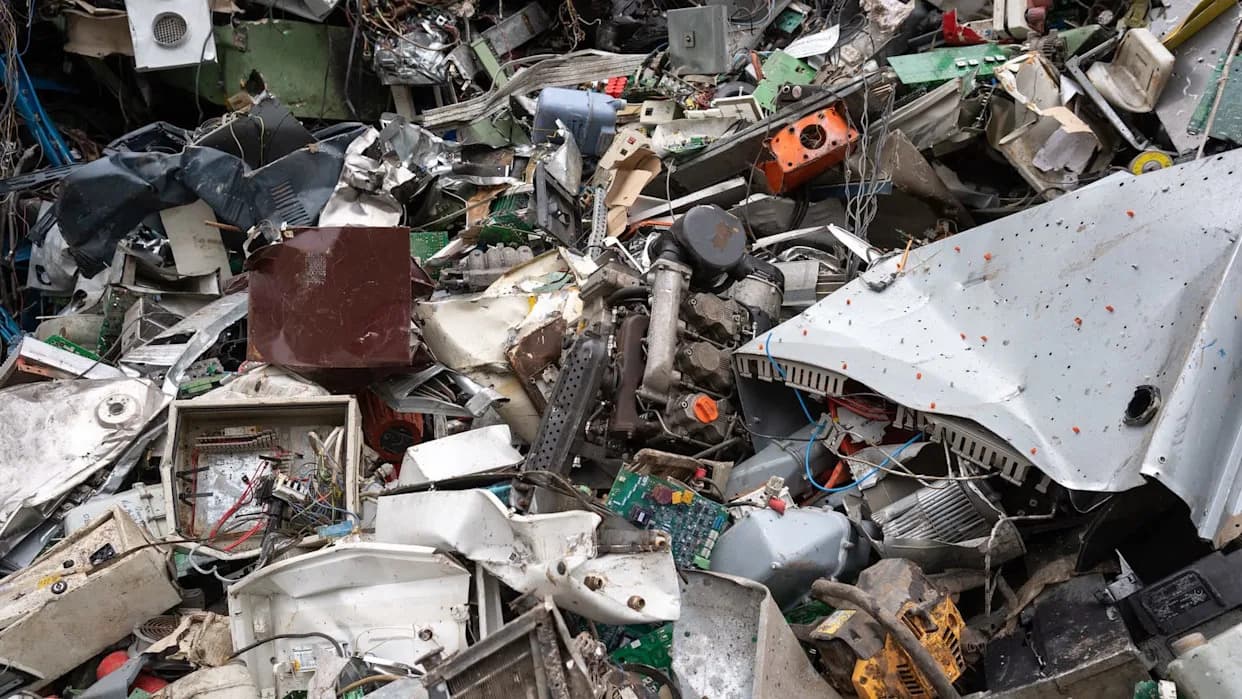
Photo Credit: iStock
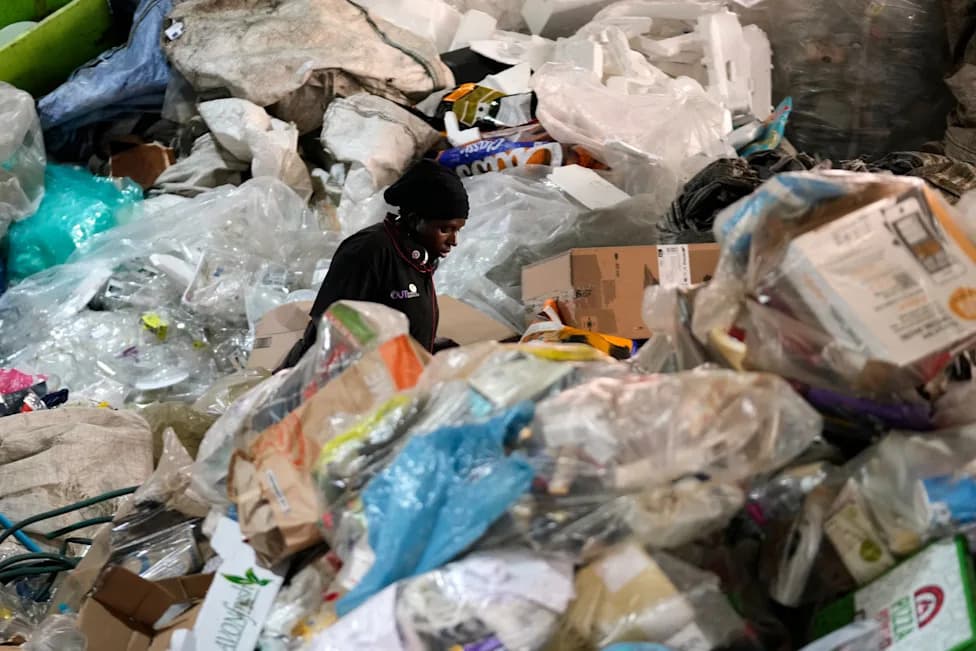
In Mustafabad, on the outskirts of New Delhi, informal e-waste workers spend long days dismantling discarded electronics in cramped, poorly ventilated workshops — often without gloves, masks or other protective equipment. Many earn roughly $8 for a 12-hour shift and rely on hazardous methods, such as burning plastic coatings off wires, to access valuable metals.
Dangerous Work, Minimal Pay
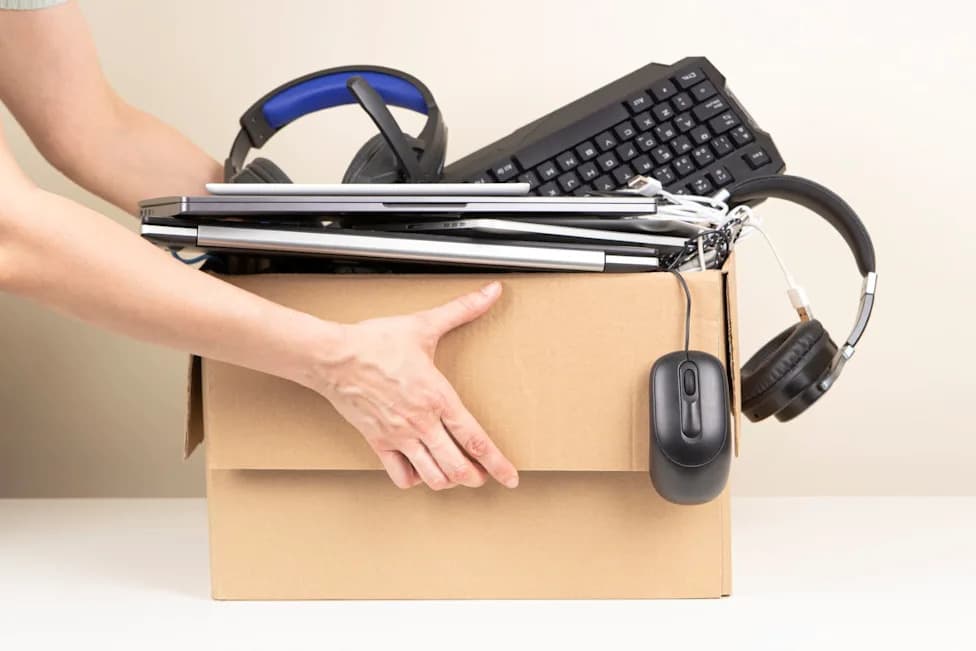
Al Jazeera reports that workers separate components from broken air coolers, cables, computers and scrap metal in spaces with little or no safety gear. Dismantling a mobile phone may pay about $1, while taking apart a television can bring roughly $2. Informal recyclers are estimated to handle about 95% of India’s discarded electronics.
"Sometimes the extraction is difficult, and I don't have any protective gear — no gloves, no mask. Often, I get burns on my hands as well," said e-waste worker Mateen Malik. Muhammad Faizan added, "It is hazardous work," describing how he burns wire coatings to reach copper and inhales the smoke.
Health Risks and Wider Impact
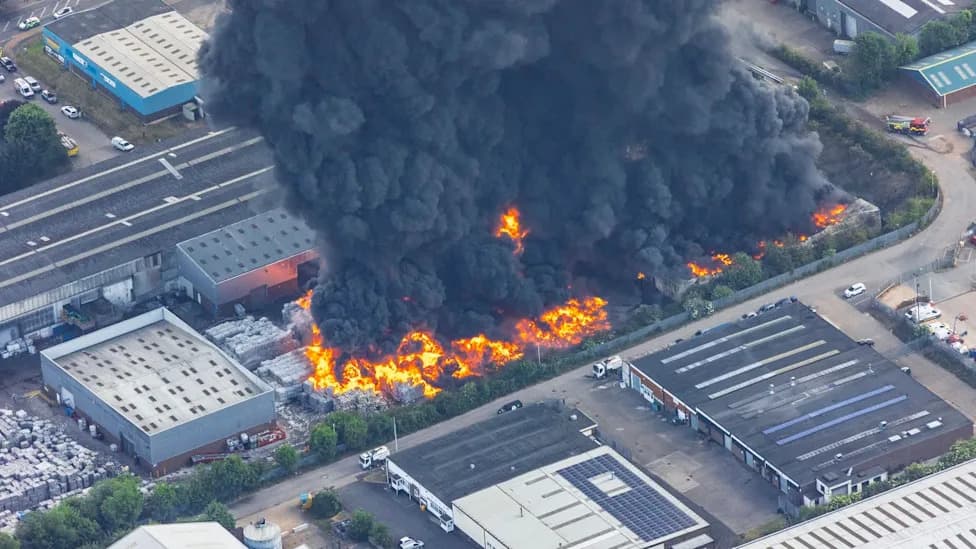
The World Health Organization warns that informal recycling can release toxic substances including lead, mercury, cadmium and dioxins. Exposure is linked to neurological damage, reduced lung function and respiratory disease — risks that are especially dangerous for children. Because dismantling often occurs where people live, these hazards can affect workers’ families and neighborhoods as well as the workers themselves.
Bharati Chaturvedi of Chintan, an environmental research and advocacy group, urged integrating informal recyclers into safer, formal systems: "The way I look at it is that you have to formalize people. You can't keep them informal," she told Al Jazeera.
Why Change Is Hard
Despite calls for stronger health and safety regulations, many recyclers say they rely on this work to survive. "We have no other work; we are dependent on this," said Shakila, a migrant worker from West Bengal. The economic reality — limited alternatives and low pay — complicates efforts to regulate and formalize the sector.
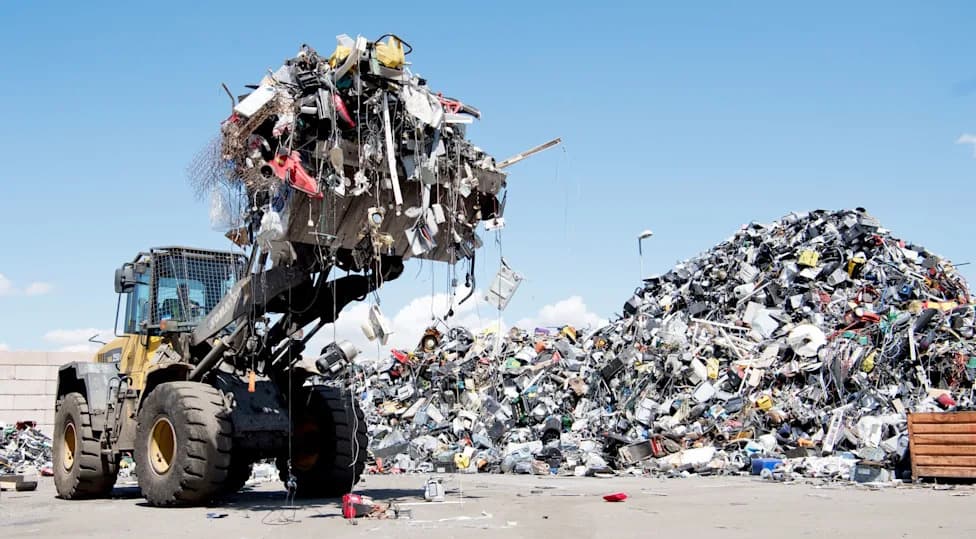
Context: Only China and the United States generate more electronic waste than India. The country produced more than 1.4 million metric tons of e-waste in 2025–2026, underscoring the scale of the challenge and the urgency of safer recycling solutions.
Source: Reporting by Al Jazeera; public health context from the World Health Organization.
Help us improve.