A new global report finds that President Trump's regulatory rollbacks have helped spark a surge in "protective" climate lawsuits aimed at preserving existing rules — particularly in the United States, where one in five new climate cases in 2025 sought to block de‑regulation. The analysis documents more than 3,600 climate cases over 40 years, most filed since 2015, and notes first-time lawsuits in several countries in 2025. It warns of growing litigation over AI data centres, carbon removal projects and plastics, and flags proposed laws that could limit access to court for climate claims.
Trump Rollbacks Spark Global Surge In 'Protective' Climate Lawsuits, Report Finds
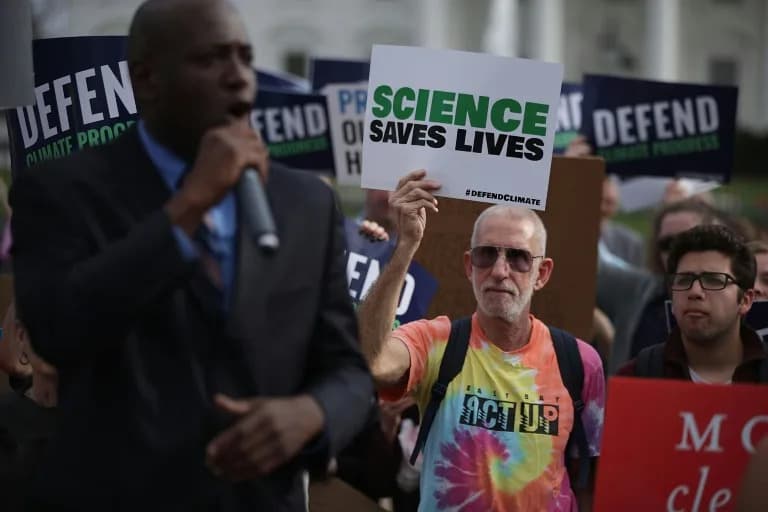
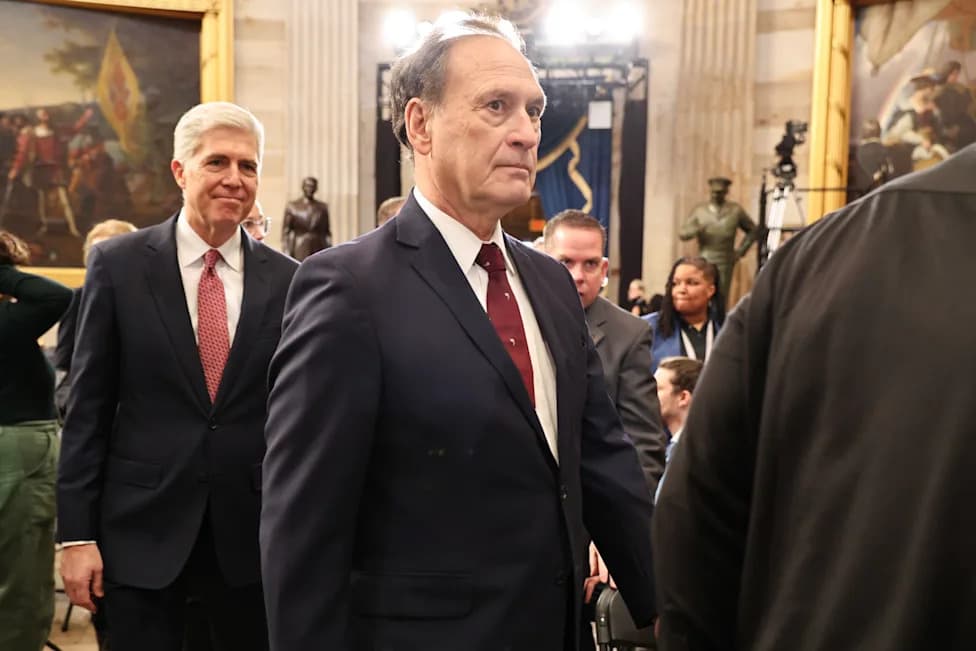
Courtrooms have increasingly become a battleground in the fight against climate change in recent years. (ALEX WONG)(ALEX WONG/GETTY IMAGES NORTH AMERICA/Getty Images via AFP)
President Donald Trump's rollback of federal environmental rules has triggered an unprecedented wave of litigation aimed at defending existing climate protections, a new global analysis of climate litigation trends said on Thursday.
Protective Litigation Accelerates In The US And Abroad
The study — led by researchers at the Grantham Research Institute, London School of Economics — finds a sharp rise in what it calls "protective" cases: suits brought not to pursue new climate goals but to prevent the dismantling of already established policies and commitments. In the United States, one in five new climate cases filed in 2025 fell into this category, a marked increase compared with the administration's first term, the report said.
"Between last year and this year, the climate movement has responded to that pushback," said Joana Setzer, co-author of the report. "What we see is an increase in litigation that is challenging de-regulation."
Global Reach And New Frontiers
While the trend is strongest in the United States, the report documents growing activity worldwide. More than 3,600 climate cases have been filed over the past 40 years, the vast majority in the US, and most of those suits have been brought since the Paris Agreement in 2015. In 2025, several countries recorded their first climate cases, including Grenada, Guatemala, Kazakhstan, Malaysia, Singapore and Zambia.
The analysis warns that courtroom battles are now a central arena for climate policy disputes — from activist lawsuits against fossil fuel companies to landmark international rulings. Last year the International Court of Justice issued a ruling saying states have legal obligations to address climate change. Meanwhile, high-profile national cases continue: for example, a French court has been set to decide whether TotalEnergies breached duties to manage environmental risks.
Emerging Targets And Counter-Moves
The report highlights growing litigation against energy-hungry AI data centres — especially in Ireland, where such facilities consume a large share of national electricity — and predicts this will become a major focus in the US and worldwide. It also identifies carbon dioxide removal and storage projects, as well as plastic manufacturing companies, as likely future targets of legal challenges.
"This is the next area that is set to grow massively in the US and across the world, as people challenge their climate impacts in the courts," said report co-author Catherine Higham.
At the same time, the report flags coordinated efforts to curb climate litigation. It cites proposals such as the "Stop the Climate Shakedowns Act" in the United States — legislation that would aim to limit certain lawsuits against polluters — and notes that similar ideas have been floated in New Zealand and Germany. Researchers warn such measures could restrict access to justice and undermine enforcement of climate protections.
The authors conclude that climate litigation is both expanding and maturing: it is diversifying geographically, addressing new sectors, and becoming an increasingly strategic tool for both defenders and opponents of stronger climate action.
Help us improve.