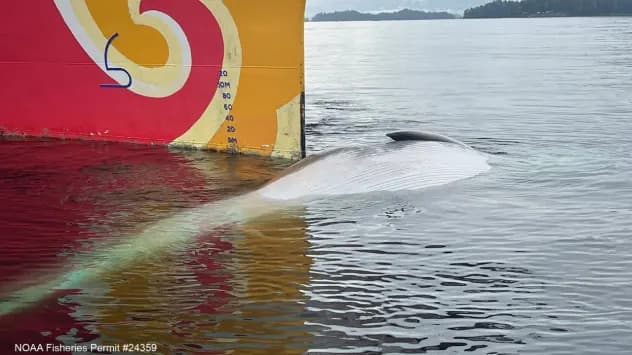
A 61-foot adult female fin whale was found attached to the bow of Royal Caribbean's Ovation of the Seas when the ship arrived in Seward, Alaska, on June 19, 2026. NOAA and the Alaska SeaLife Center are conducting a necropsy; early findings indicate the whale was pregnant. Investigators have not yet determined whether a vessel strike caused the death. The case highlights the ongoing conservation challenges fin whales face and the need for effective ship-avoidance measures.
Endangered Pregnant Fin Whale Found Dead On Bow Of Cruise Ship, Necropsy Underway
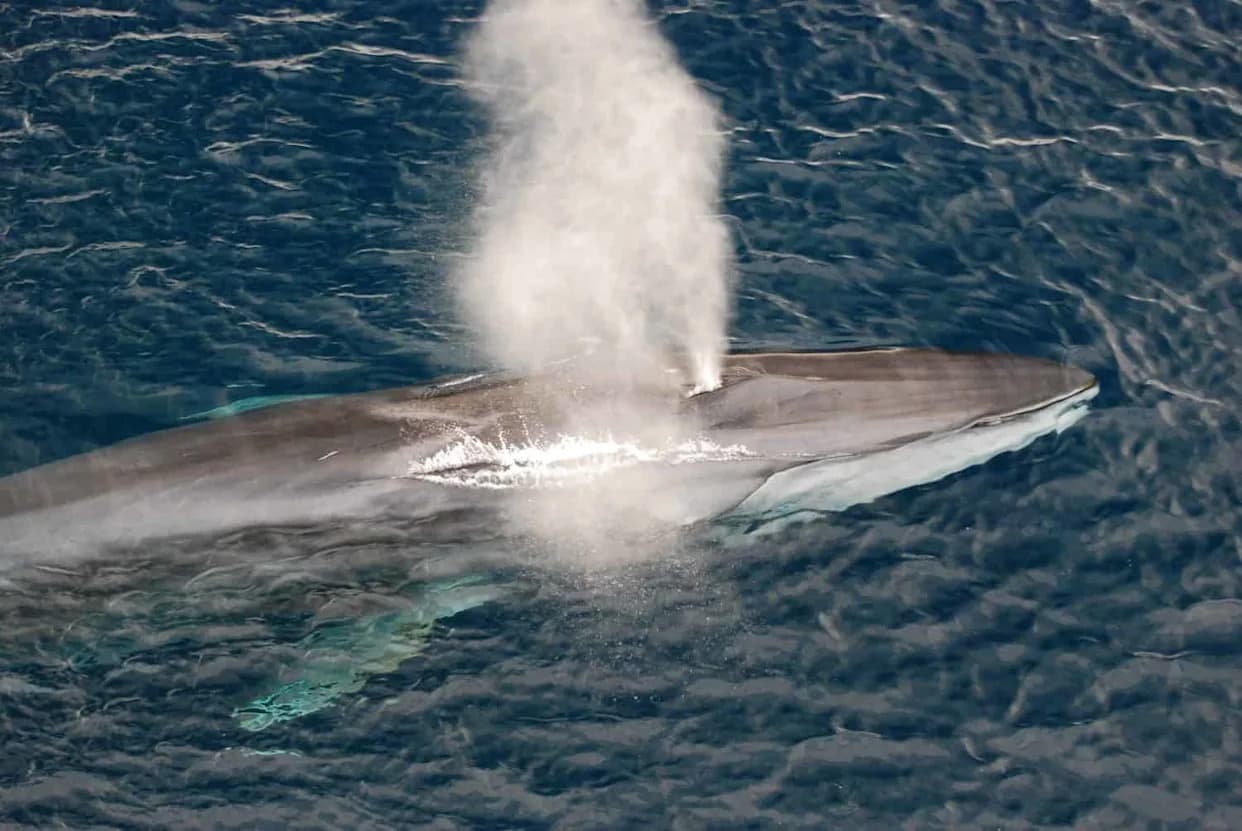
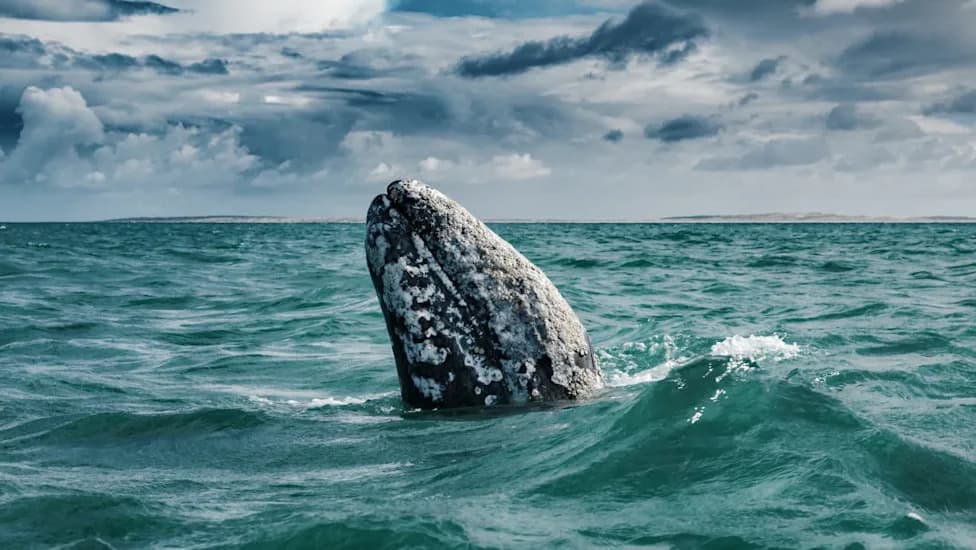
Fin Whale© Juan Gracia/Shutterstock.com
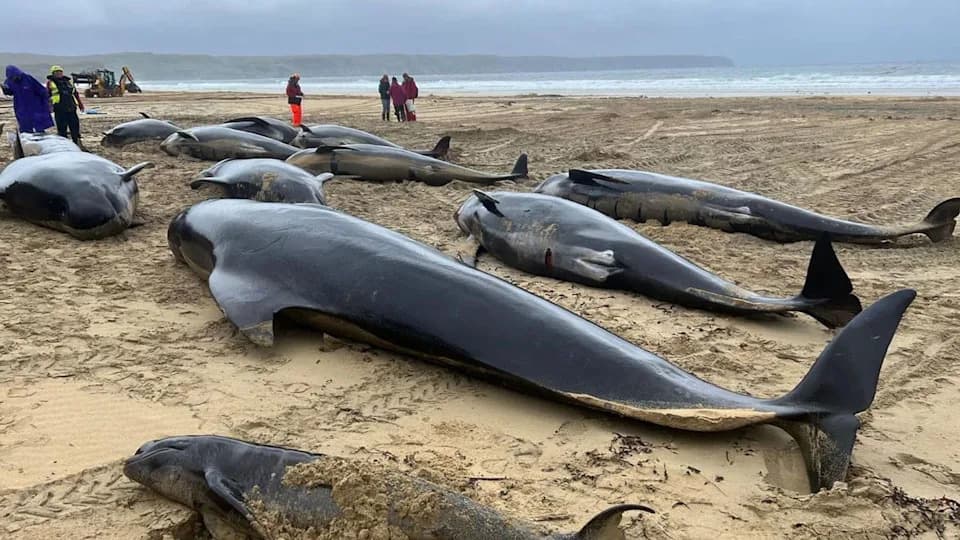
On Friday, June 19, 2026, a 61-foot adult female fin whale was discovered attached to the bow of Royal Caribbean's Ovation of the Seas after the vessel arrived in Seward, Alaska. Federal and local authorities moved the whale into port and towed it ashore so specialists could perform a necropsy.
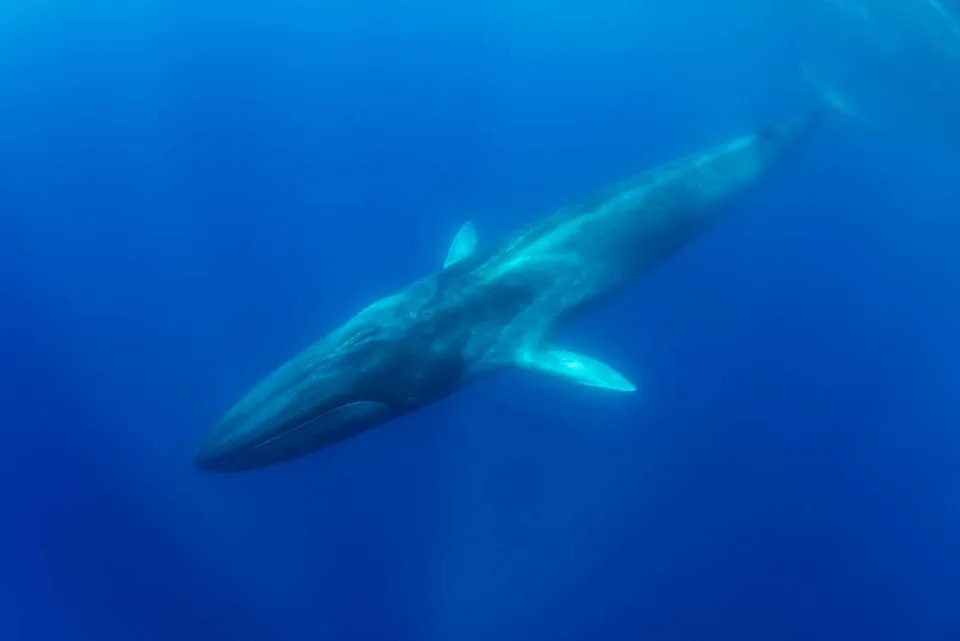
A deceased fin whale was found attached to a cruise ship when it arrived in the harbor on June 19, 2026.©wildestanimal/Shutterstock.com
Investigation Underway
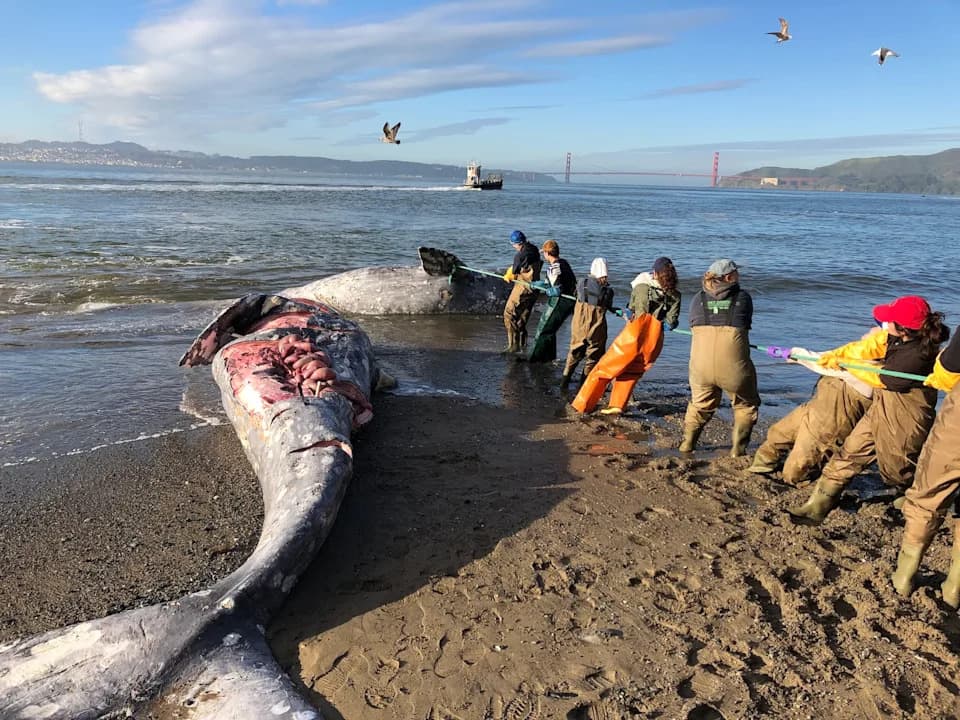
NOAA and the Alaska SeaLife Center are conducting the necropsy to determine the whale's cause of death. Preliminary results from the examination indicate the whale was pregnant, though investigators have not yet concluded whether the animal died as the result of a vessel strike or was already deceased when it became lodged on the ship's bow. Authorities asked the public to avoid the beach where the examination is taking place to preserve safety and ensure teams can collect samples and document the scene.
Authorities are performing a necropsy to determine the whale’s cause of death.©ChristopherRM/Shutterstock.com
Statement From The Carrier
Royal Caribbean released a statement saying the company was "saddened to hear that one of our ships struck a whale while on its way to Seward" and that the ship reported the incident to the proper authorities. The company said it takes any impact to marine ecosystems seriously as investigators work to establish what occurred.
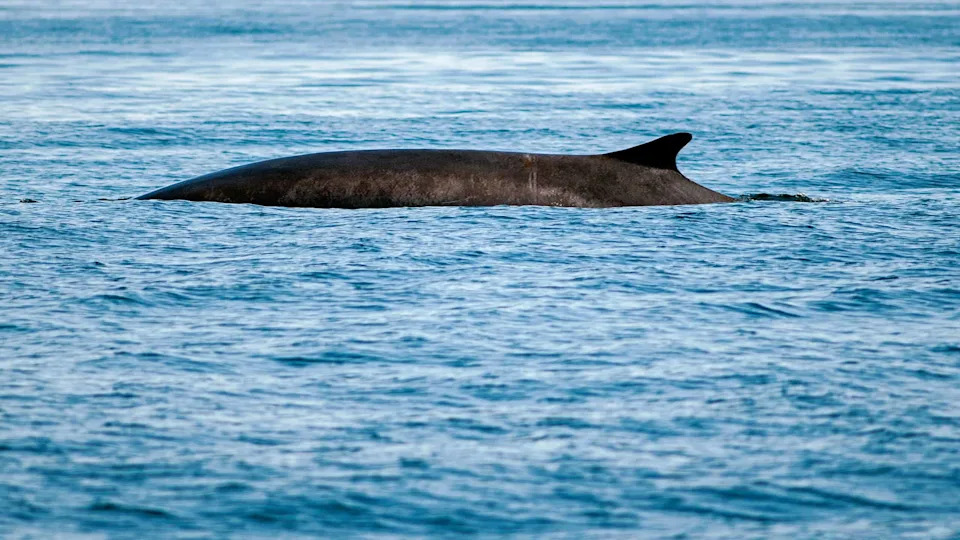
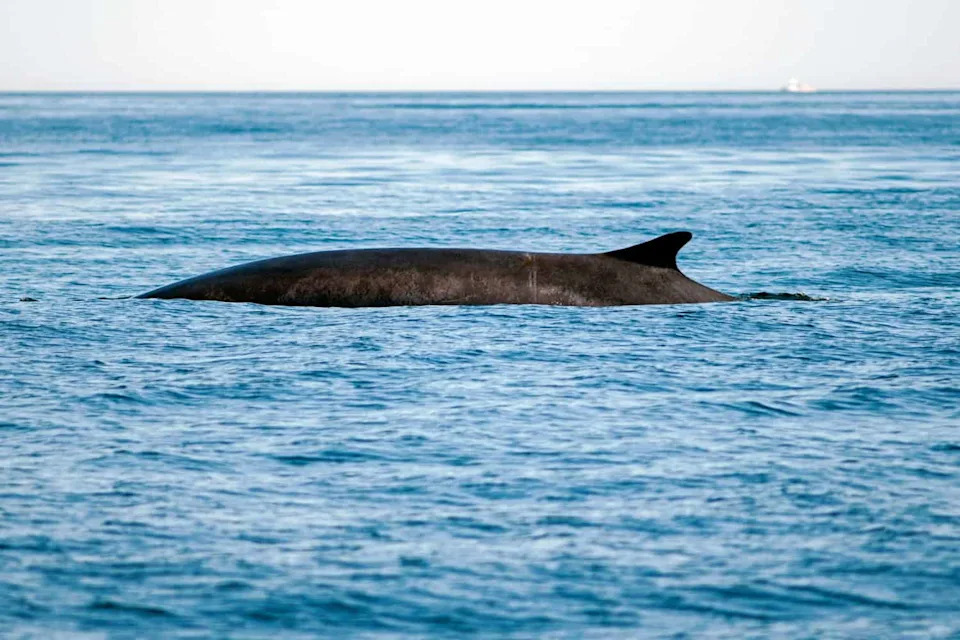
A Enormous Fin Whale’s dorsal fin rises above the ocean’s surface as it dives in the Gulf of Maine.©ChristopherRM/Shutterstock.com
Why Detection Is Difficult
Fin whales often swim just below the surface and can be hard to spot from a large vessel. Research from 2019 found that ships typically have only a few surfacing opportunities to visually detect a whale before closing to a distance where a collision becomes likely — but those opportunities matter only if crew are actively searching.
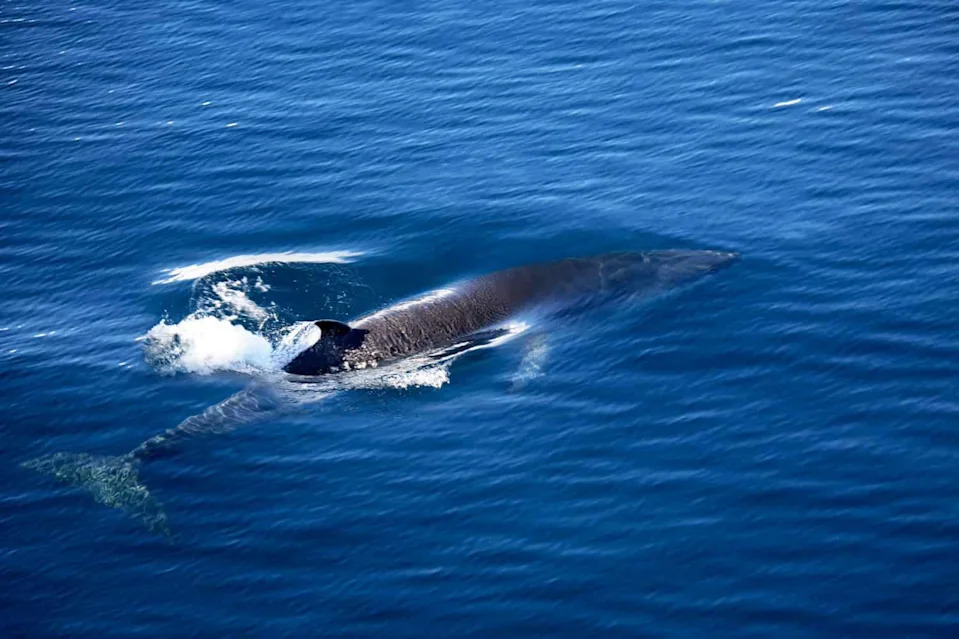
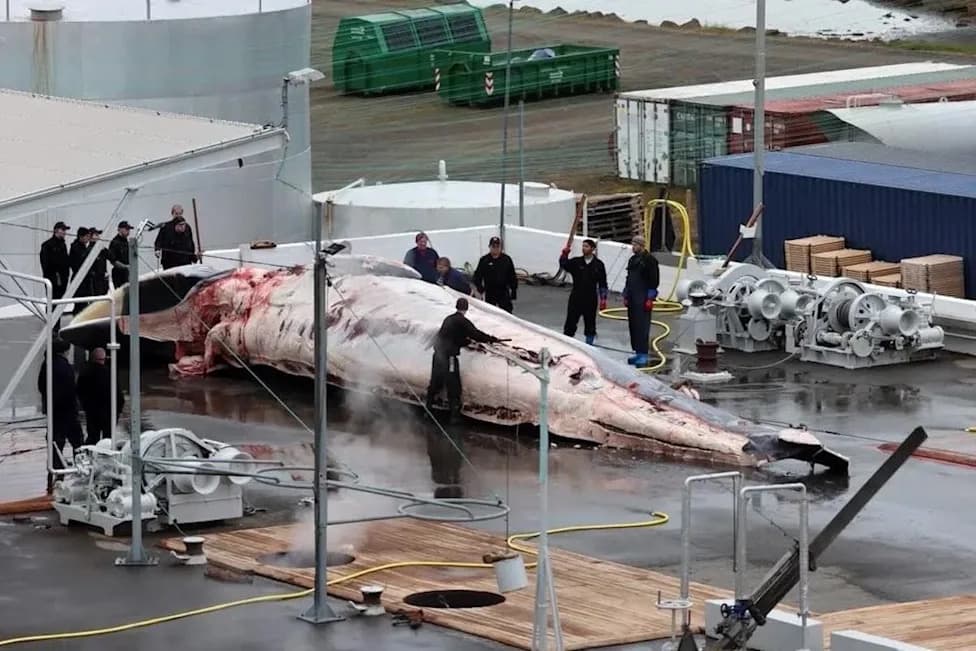
Fin whales are endangered due to overhunting, vessel strikes, and slow reproduction.©Steve Allen/Shutterstock.com
Mitigation Efforts And Conservation Context
Some cruise lines deploy trained marine mammal observers to watch for whales and alert the bridge so ships can slow or change course. Despite such measures, vessel strikes remain a major human-caused threat to fin whales. Intensive whaling in the 20th century reduced global fin whale numbers dramatically — estimates suggest the population fell from roughly 400,000 to about 100,000 over the course of a century — and the species is now listed as endangered under the U.S. Endangered Species Act and Vulnerable on the IUCN Red List.
What Comes Next
Investigators will use necropsy findings, photographic evidence, and ship logs to determine the likely sequence of events. Until the full examination and analysis are complete, authorities are withholding a definitive cause of death. The incident underscores ongoing challenges in protecting large whale species from vessel strikes and the importance of continued mitigation and monitoring in busy marine corridors.
Note: Officials emphasize there is not yet a confirmed cause of death and that the necropsy results will provide more definitive information.
Help us improve.