KIGAM researchers have developed a method to produce biochar directly from wet coffee grounds, eliminating the energy‑intensive drying step by using a "popcorn effect" of flash evaporation that creates porous biomass and speeds carbonization. The resulting biochar reportedly contains no sulfur, has about three times the carbon content of typical biochar, and offers roughly 33% higher calorific value. The technique could extend to other moisture‑rich wastes and provide a scalable waste‑to‑energy option amid rising electricity demand.
Wet Coffee Grounds Could Be The Next Waste‑to‑Energy Breakthrough
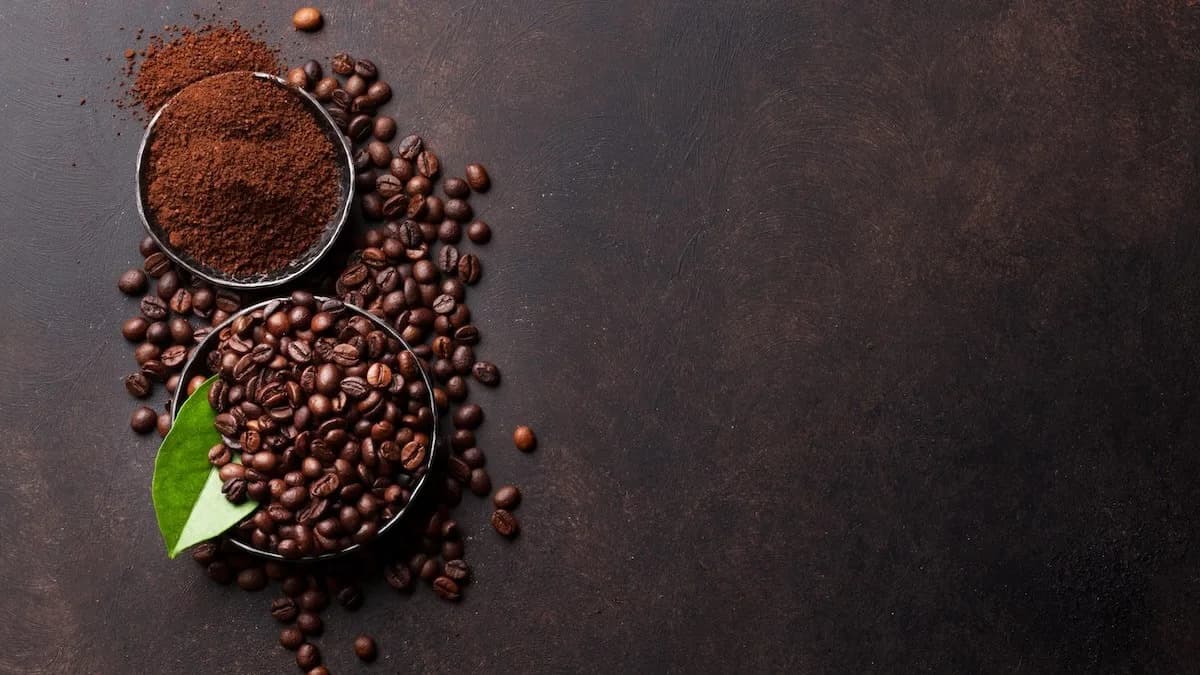
The Korea Institute of Geoscience and Mineral Resources (KIGAM) has developed a faster, lower‑cost method to produce biochar directly from wet coffee grounds, removing the energy‑intensive drying step and turning moisture into an asset.
What Is Biochar — And Why It Matters
Biochar is a charcoal‑like material created by heating organic matter in an oxygen‑free environment. It can function as a long‑term carbon sink when added to soil or be combusted to generate energy. Conventional biochar production typically requires drying feedstock first, which consumes time and energy and can reduce the net energy benefits.
The KIGAM Breakthrough
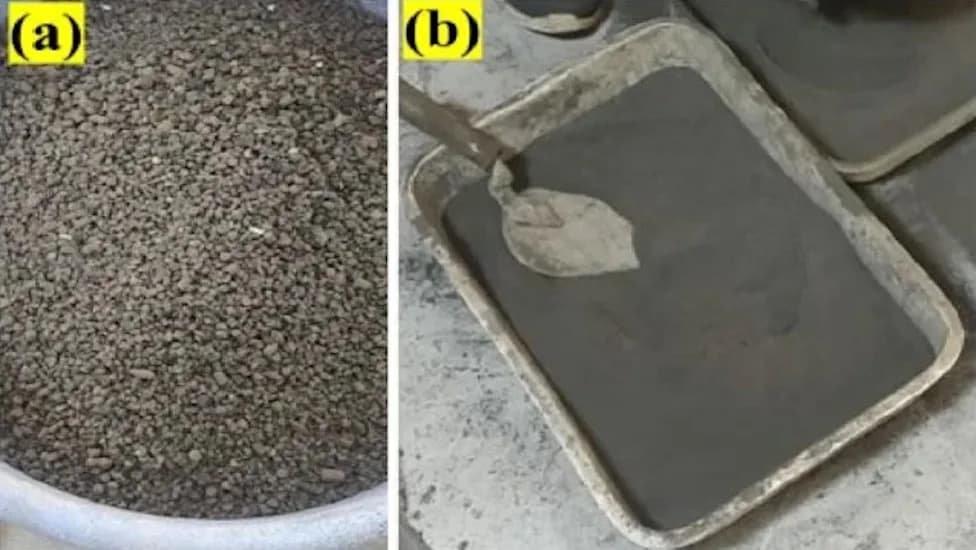
KIGAM researchers demonstrated that damp coffee grounds can be carbonized without pre‑drying. As trapped water rapidly flashes into steam during the process, internal pressure causes microscopic ruptures in the biomass. This "flash evaporation"—called the "popcorn effect"—fragments the material and creates a highly porous structure that carbonizes much faster.
Performance And Advantages
The biochar produced by this method is reported to contain no sulfur, has about three times the carbon concentration of typical biochar, and delivers roughly 33% higher calorific value. Because the drying step is skipped, the overall process uses less energy and completes much faster, improving the waste‑to‑energy balance.
"This study demonstrates that flame plasma pyrolysis provides a sustainable, energy‑efficient, and ultra‑fast pathway for waste‑to‑energy conversion, effectively turning the intrinsic moisture of biomass from a thermal burden into a functional activation agent," the authors wrote in a short communication published in the Science Engineering Journal.
Scale, Feedstocks And Applications
Worldwide, more than 10 million tons of coffee waste are discarded annually, representing a substantial local feedstock in many regions. The KIGAM team suggests the approach could be extended to other moisture‑rich organic wastes—such as food scraps, sewage sludge, and wet agricultural residues—helping create closed‑loop waste‑to‑energy systems that reduce landfill burden and produce usable energy.
Context And Caveats
Electricity demand is rising rapidly in part because of the AI and data center buildout: a June Business Insider report estimated planned data centers could together consume between 224.3 TWh and 358.8 TWh annually if they all come online. While the KIGAM process is promising, it is not a silver bullet. Key challenges remain, including industrial scalability, lifecycle emissions assessment, feedstock collection logistics, economic feasibility at scale, and regulatory acceptance.
Bottom line: Converting wet biomass into high‑quality biochar without drying may offer a fast, lower‑energy route to waste‑to‑energy conversion with climate and energy benefits—provided further testing validates performance and scalability.
Help us improve.