The Breathe Cities programme will expand after Bloomberg Philanthropies pledged $45 million, bringing the network to 16 cities with the addition of Madrid and Addis Ababa. The funding supports four core strands: sensor deployment, community engagement, technical assistance, and peer exchange. Early results: 1,200 sensors deployed across the original 14 cities, 26 local clean-air measures adopted and a 14% decline in NO2 since 2019. The Clean Air Fund also announced a £10 million Wellcome-funded programme targeting black carbon emissions.
Breathe Cities to Expand to 16 Cities After $45M Bloomberg Investment
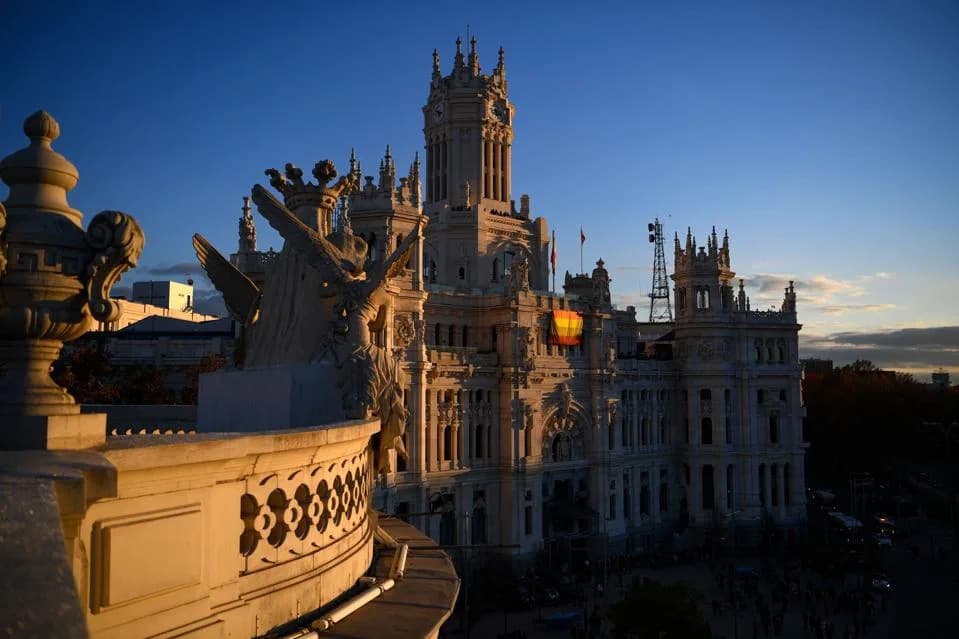
General view of the city hall of Madrid, on December 6, 2019. (Photo by GABRIEL BOUYS / AFP) (Photo by GABRIEL BOUYS/AFP via Getty Images)AFP via Getty Images
The global Breathe Cities initiative, backed by Bloomberg Philanthropies, will scale up after a $45 million commitment to help cities cut air pollution and protect public health. The programme—delivered in partnership with the Clean Air Fund and the C40 Cities network—will expand its reach and technical support as it adds two new member cities.
New Cities Joining the Network
Addis Ababa (Ethiopia) and Madrid (Spain) will join the 14 existing participants, bringing the total number of Breathe Cities to 16 across five continents. Beyond the core network, the initiative has engaged more than 60 cities through knowledge-sharing and peer exchanges to accelerate local action on air quality.
Four Priority Workstreams
The new investment supports four complementary strands of work:
- Sensor Deployment and Data: Expand street-level monitoring. The programme already deployed roughly 1,200 sensors across the original 14 cities to map pollution hotspots and identify emission sources.
- Community Engagement: Work with local organisations to raise awareness about air pollution and its health impacts and to build public support for local measures.
- Technical Assistance and Capacity Building: Help city teams design policies, evaluate options, and adopt best practices suitable for their local contexts.
- Peer Exchange: Bring city leaders together to share solutions, lessons learned and proven approaches that can be adapted elsewhere.
Early Results and Ambitions
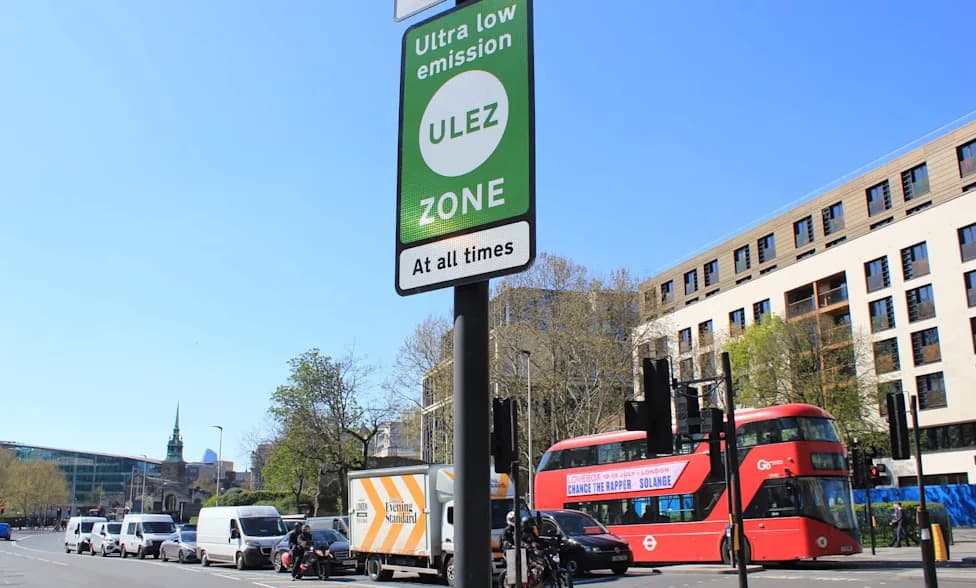
Priya Shankar, who leads air quality work at Bloomberg Philanthropies, says the first 14 cities have introduced 26 local clean-air policies and achieved a 14% reduction in nitrogen dioxide (NO2) since 2019. Ten of those cities either have—or are planning to implement—clean air zones by 2030 to drive pollution down further.
"These cities are pioneering local, practical solutions. They are taking lessons from what has worked elsewhere and demonstrating what is possible when city leadership decides to act and is equipped with the right tools," said Shankar.
Madrid’s mayor, José Luis Martínez-Almeida, highlighted the city’s track record and future ambitions: the city reports a more than 40% reduction in NO2 over the past 15 years through electrifying its bus fleet, expanding cycling infrastructure, and adopting an ambitious clean-air strategy.
Jane Burston, CEO and founder of the Clean Air Fund, praised Bloomberg Philanthropies' long-term commitment and said the partnership is reshaping what cities believe is possible when tackling air pollution.
Related Programmes
Separately, the Clean Air Fund announced a multi-million-pound programme focused on cutting emissions of black carbon, a short-lived but powerful climate pollutant. With £10 million in funding from Wellcome, the initiative will support research and advocacy to deliver health and climate benefits.
With the new $45 million commitment, Breathe Cities aims to strengthen evidence, boost community engagement, accelerate policy design, and scale city-to-city learning—helping municipal leaders reduce pollution and protect residents’ health.
Help us improve.