Air pollution caused nearly eight million deaths in 2023 and carries an estimated annual health cost of €7.12 trillion (about 6% of global GDP). Experts warn pollutant particles can reach the brain and contribute to neurodegenerative disease, while children and outdoor athletes face acute and developmental harms. Cities such as London and Sofia demonstrate that targeted policies — like low-emission zones and heating upgrades — can reduce pollution, though political resistance and climate change remain major obstacles.
Dirty Air Is Killing Millions and Costing Trillions — These Cities Show How Change Can Work
Dirty air is killing Europeans and costing trillions. These cities prove change is possible
Air pollution is a global public-health emergency: nearly eight million deaths were linked to polluted air in 2023, and the associated health burden is estimated at €7.12 trillion a year — roughly 6% of global GDP, according to the Breathe Cities initiative.
Health Toll and Hidden Damage
Pollutant particles penetrate deep into the body. As Dr María Neira, former WHO director for environment, climate change and health, warns, these particles can reach "any organ," including the brain, and are increasingly implicated in cognitive decline and neurodegenerative diseases such as Parkinson's, Alzheimer's and other dementias. Children are particularly vulnerable: exposure to poor air quality can impair brain development and reduce school performance.
Elite athletes report acute effects too. Olympic marathoner Paula Radcliffe, diagnosed with exercise-induced asthma at 14, describes experiencing "headaches, nausea" and blurred vision when training in heavily polluted conditions such as Beijing, underscoring that high-intensity outdoor activity can increase inhalation of toxic particles.
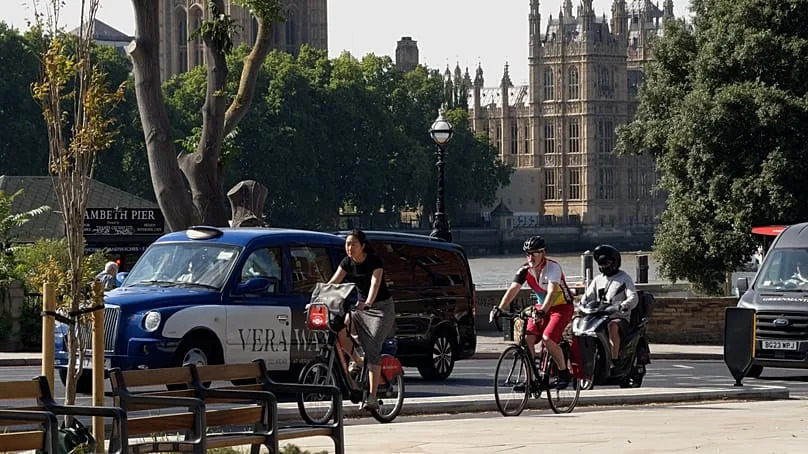
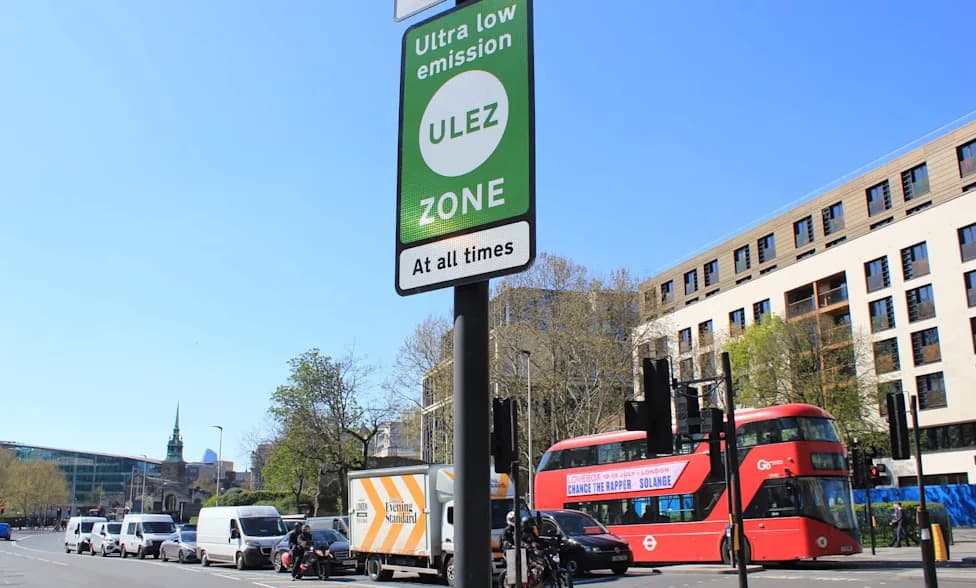
London credits its Ultra Low Emission Zone with reducing air quality-related deaths by 40% since 2019 - Euronews
Cities That Prove Change Is Possible
Breathe Cities now partners with 16 municipalities worldwide to improve access to air-quality data and to support policies that reduce urban pollution. The programme highlights measurable successes from several participating cities.
London: An independent study by Imperial College London attributes about a 40% reduction in deaths linked to toxic air to the Ultra Low Emission Zone (ULEZ) and related measures since the policy was introduced. The London example shows that targeted traffic restrictions and emissions policies can produce rapid public-health benefits.
Sofia: Progress, But Political Choices Limit Impact
Sofia, Bulgaria: Road traffic and domestic wood-burning for heating are the city’s leading pollution sources. After a class-action lawsuit from residents and environmental groups, Sofia introduced a low-emission zone and began upgrading household heating systems. Early data suggest these steps are reducing pollution, says Ivaylo Hlebarov, air quality adviser to Sofia Municipality.
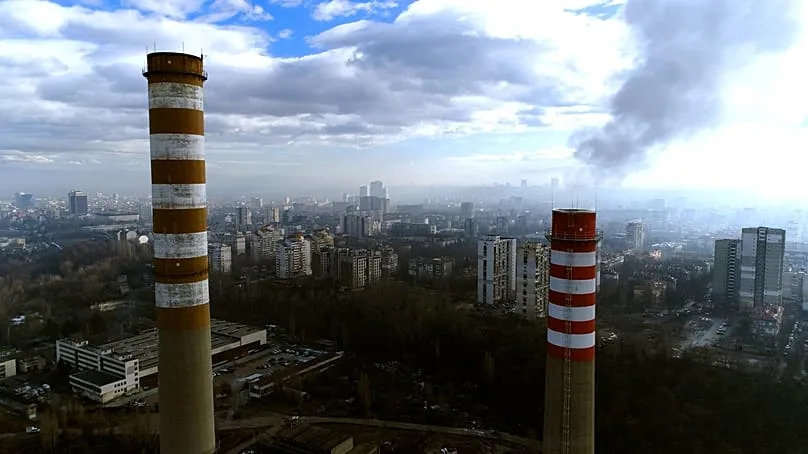
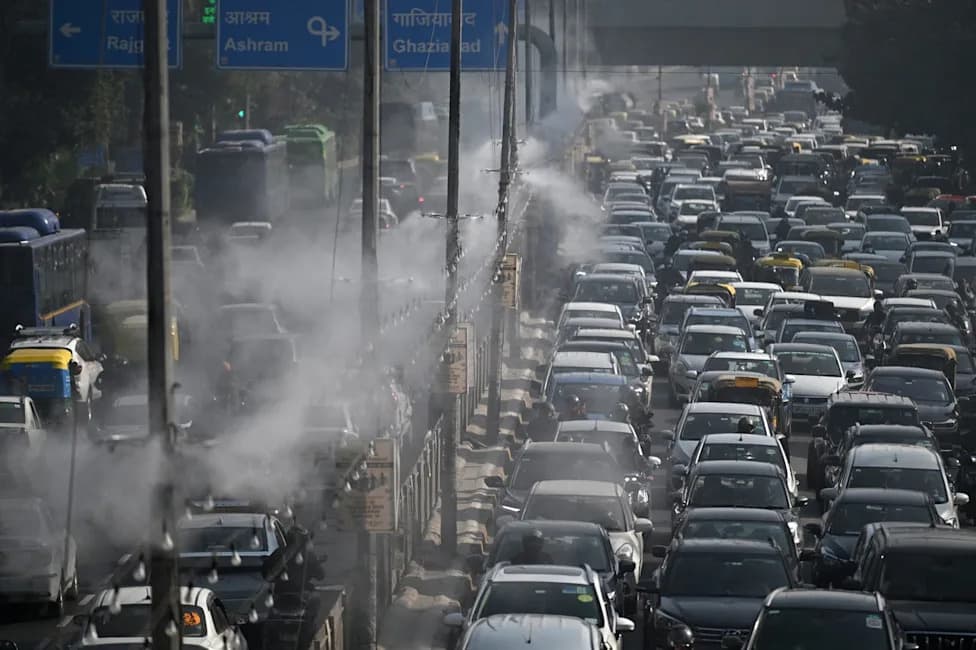
One of Europe's most polluted cities, Sofia works on improving its air quality - Getty Images
However, Sofia’s low-emission zone currently operates for only three months each year. Hlebarov calls this a political decision and argues the restriction should run year-round because traffic-related nitrogen dioxide shows little seasonal variation. Bulgaria also records some of Europe’s highest rates of cardiovascular disease, stroke and cancer — conditions experts link closely to air pollution, though more local research is needed.
Barriers And The Path Forward
Experts say the main obstacle today is not a lack of technology but political will. Dr Neira points to resistance from fossil-fuel and transport sectors as cities adopt renewable energy and sustainable mobility. She also cautions that climate change is likely to complicate efforts to reduce pollution.
Breathe Cities is preparing a second phase to expand support to more communities, building on the reductions already reported in London, Sofia and other participant cities. The evidence so far suggests that policy action — especially on urban traffic and domestic heating — can deliver substantial, measurable public-health benefits.
Bottom line: Dirty air is both deadly and costly, but city-level policies can cut health harms quickly — provided leaders have the political will to act.
Help us improve.