China operates a massive cloud-seeding effort using rockets, aircraft and tens of thousands of personnel to try to boost precipitation. The 2018 Tianhe ("Sky River") proposal aimed to seed some 620,000 square miles of the Tibetan Plateau to channel moisture north, but scientists say that large-scale control lacks evidence. Experts agree cloud seeding can enhance precipitation from existing clouds yet cannot create rain from clear skies; targeted uses may help, while broad engineering claims remain doubtful.
China's Rocket-Fired Cloud Seeding: Ambitious Weather Control or Scientific Overreach?
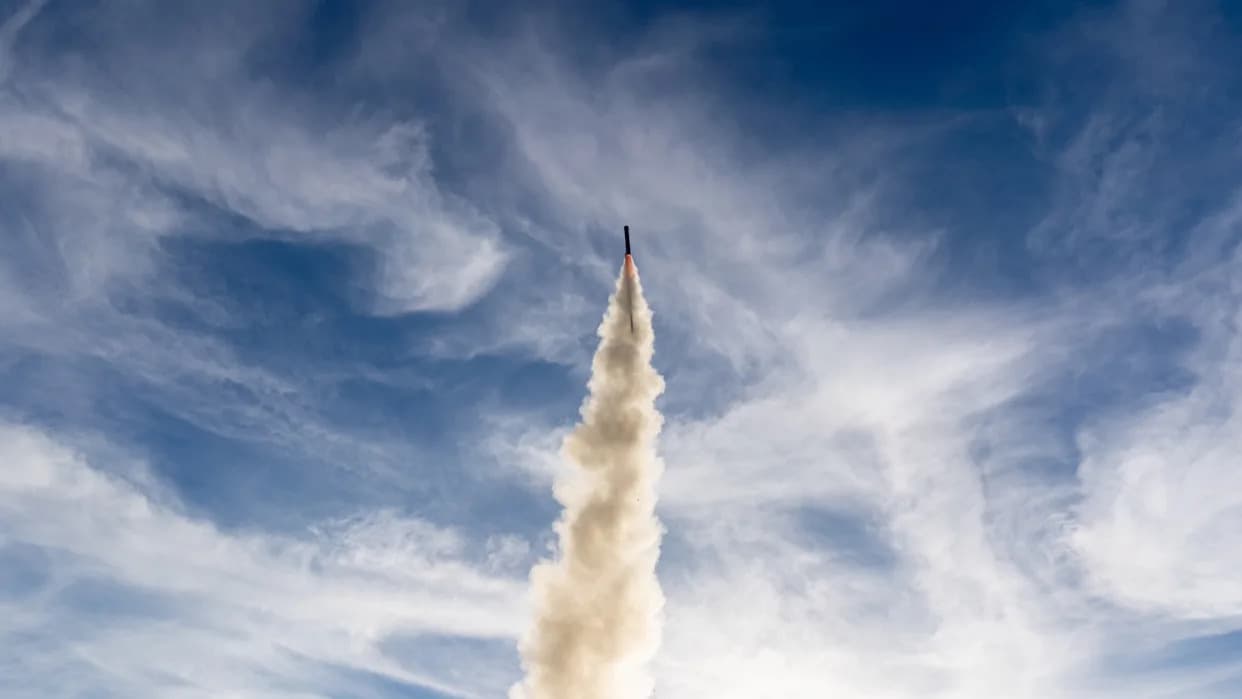
Photo Credit: iStock
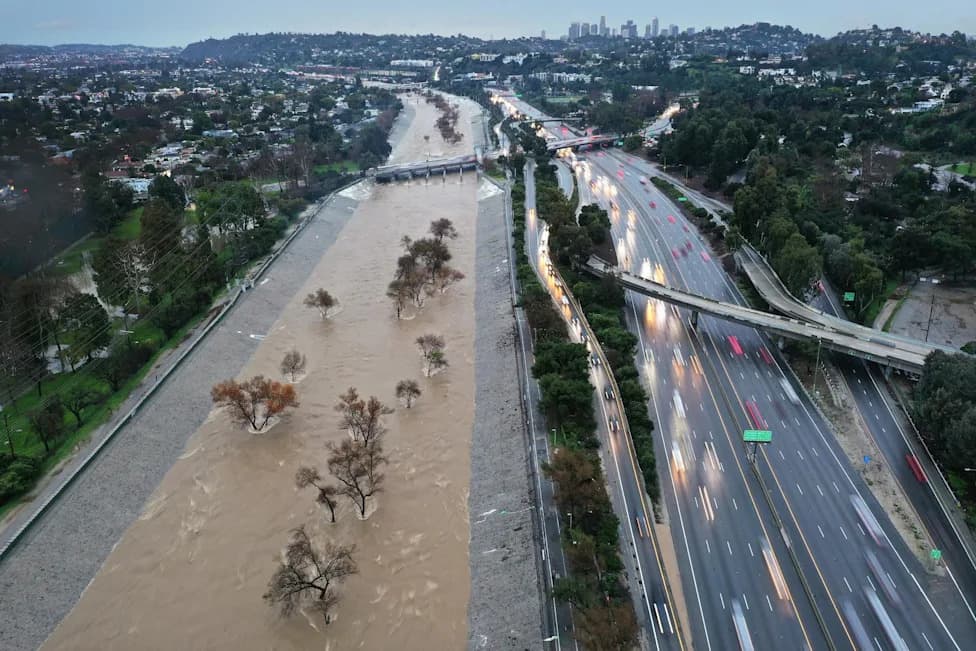
China has deployed a large, state-backed cloud-seeding effort that uses rockets, aircraft, drones and thousands of personnel to try to increase regional precipitation. The campaign is part of a broader global interest in weather modification as a partial response to worsening droughts and growing water stress.
What China Is Doing
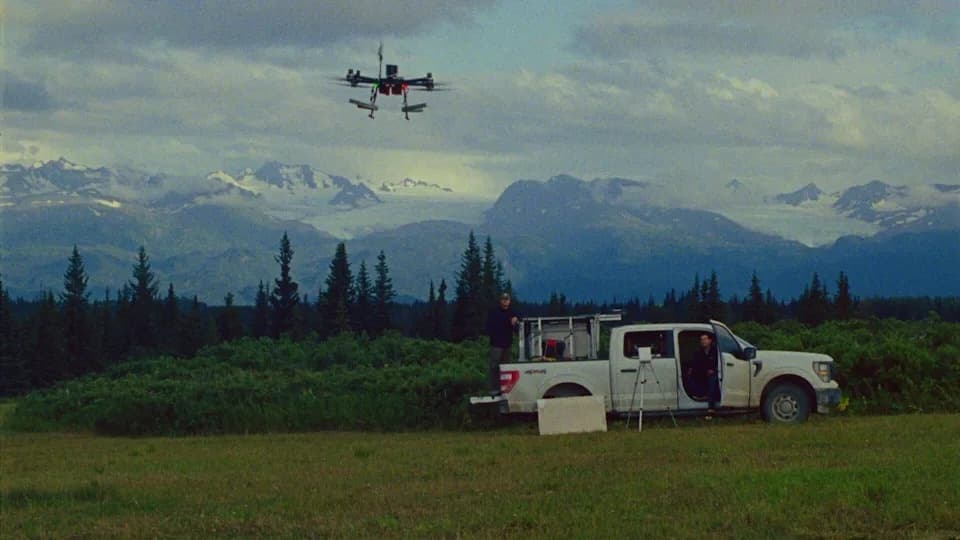
Live Science reports that China maintains roughly 50,000 personnel, thousands of ground-based rocket launchers and dozens of aircraft dedicated to weather-modification tasks. Videos from 2023 show soldiers firing rockets skyward while planes and drones disperse cloud-seeding agents into existing clouds, aiming to coax those clouds into releasing precipitation.
How Cloud Seeding Works
Cloud seeding introduces particles such as silver iodide or salt into clouds to encourage water droplets to form and grow. The technique is intended to enhance precipitation from clouds that already contain moisture; it cannot create rain from a clear sky.
The Tianhe (Sky River) Proposal
In 2018, Chinese authorities proposed the Tianhe, or "Sky River," initiative. The plan aimed to seed clouds across about 620,000 square miles of the Tibetan Plateau to redirect moisture toward northern China, where many cities and agricultural areas face chronic water shortages.
Expert Views and Scientific Limits
"From a physical standpoint, I can say very confidently that cloud seeding works," said Jeff French, head of atmospheric science at the University of Wyoming. He added, however: "If the promise is that cloud seeding is going to eliminate droughts even on a local level, the answer is no."
Scientists question whether a controllable, large-scale airborne "water corridor" is feasible. Some Chinese researchers have also criticized the Sky River concept — calling it unrealistic and lacking a solid scientific or technological foundation.
Practical Uses So Far
China and other countries have used cloud seeding on a smaller scale to build snowpack, limit hail damage and produce modest increases in precipitation in targeted areas. These narrower applications can support drinking-water supplies, agriculture and hydropower when used appropriately and evaluated carefully.
Why It Matters
Water shortages affect food production, electricity generation, household access and local economies. While cloud seeding may be a useful supplementary tool in some contexts, experts urge caution about overstating its power and about pursuing unproven large-scale engineering projects without rigorous evidence and environmental assessment.
Help us improve.