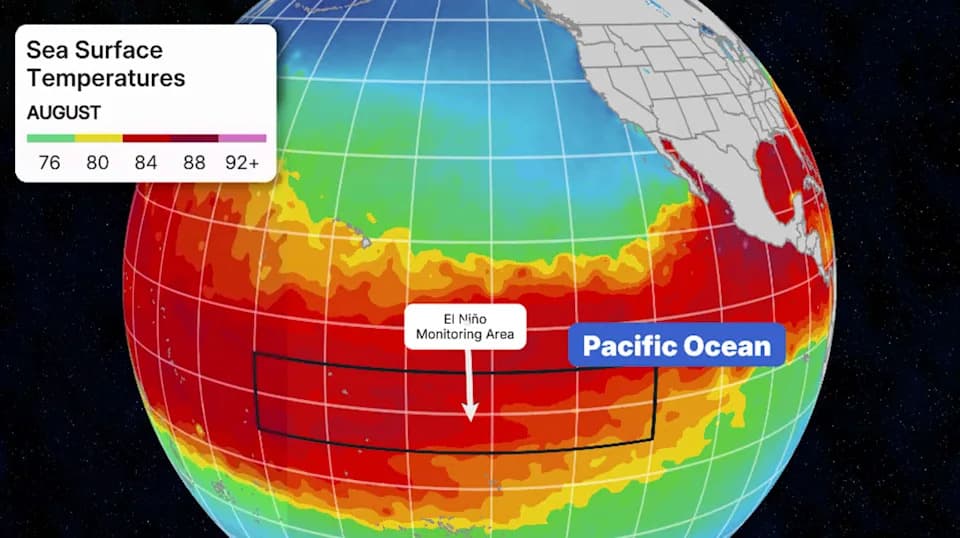
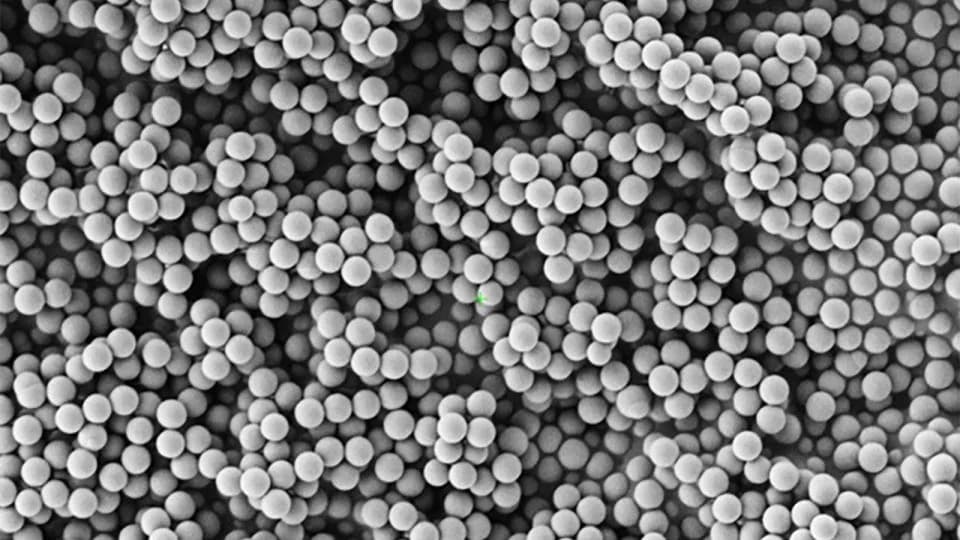
Marine cloud brightening (MCB) is a geoengineering proposal to cool Earth by spraying fine sea-salt aerosols to brighten low marine clouds. A 2025 study in Earth's Future found MCB simulations could reduce the El Niño Southern Oscillation's amplitude by about 61%, potentially cutting rainfall across the Pacific and threatening monsoons and agriculture. By contrast, stratospheric aerosol injection produced more uniform cooling in models and did not significantly alter ENSO. The authors urge caution and further study before any regional MCB deployment.
Popular Geoengineering Plan To Cool The Planet Could Unintentionally Disrupt El Niño, Study Warns
Isil Terzioglu/Getty Images
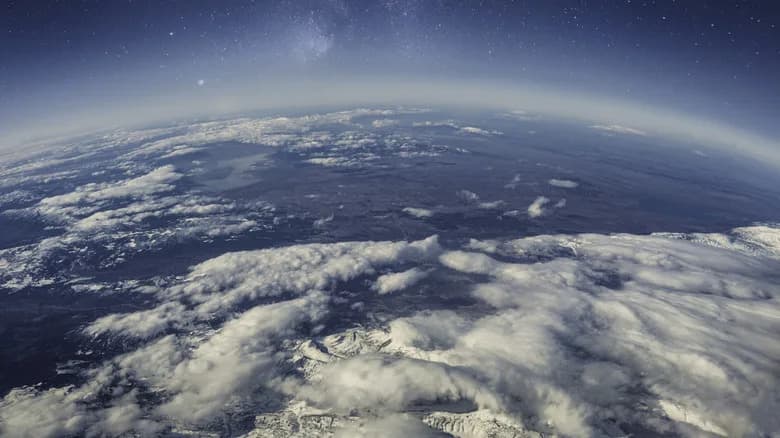
The world has warmed for decades due to human-caused climate change, and 2025 ranked among the hottest years on record. Some scientists have proposed deliberately cooling Earth by brightening low-lying marine clouds so they reflect more incoming sunlight. Known as marine cloud brightening (MCB), the idea would use ocean-spray aerosols to thicken and brighten clouds, reducing solar heating at the surface.
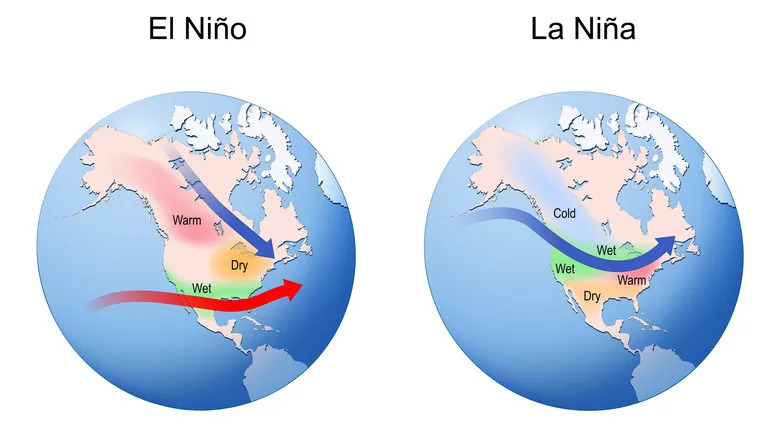
A 2025 study in the journal Earth's Future from researchers at the University of California, Santa Barbara (UCSB) raises a serious caveat: MCB may substantially alter the El Niño Southern Oscillation (ENSO), a critical cycle that shapes global weather patterns.

Iakovkalinin/Getty Images
What the Models Found
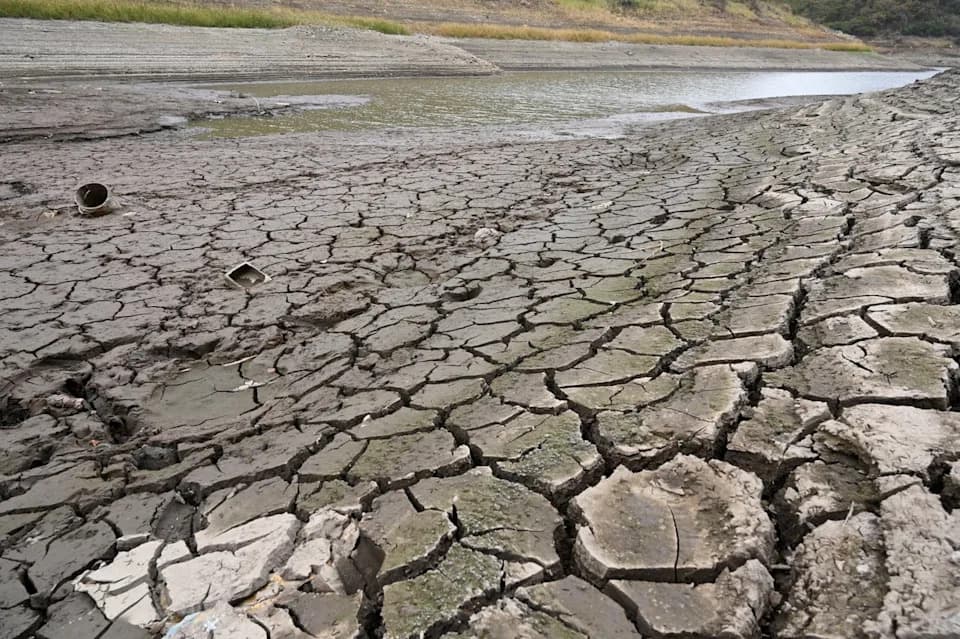
UCSB simulations of MCB scenarios produced a startling result: a roughly 61% reduction in ENSO amplitude. In practical terms, that kind of damping would likely reduce variability in Pacific sea-surface temperatures and, crucially, cut rainfall across both sides of the Pacific basin. Lower rainfall could threaten agricultural systems that depend on regular monsoon and seasonal rains.
How MCB Could Change Rainfall
MCB works by injecting very fine salt aerosol particles into the marine boundary layer so cloud droplets become more numerous and smaller, making clouds more reflective. However, that same process can cool the ocean surface beneath the clouds, reducing evaporation — the primary source of atmospheric moisture. In addition, the very small aerosols proposed for MCB are generally less efficient at forming raindrops than larger natural particles. Together, these effects could suppress precipitation in key regions.
Ttsz/Getty Images
Why it matters: Reduced evaporation and weaker rainfall over the Pacific could disrupt the Southeast Asian monsoons and other vital rainfall systems, with serious implications for food security across densely populated regions.
Natural Analogues And Alternatives
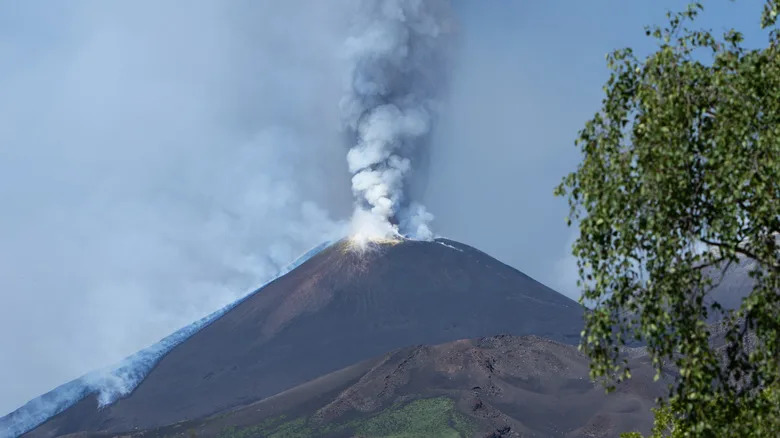
Supporters of MCB often point to volcanic eruptions as natural analogues. After Mount Pinatubo erupted in 1991, sulfate aerosols in the stratosphere increased planetary albedo and contributed to an estimated global average temperature drop of about 0.6 °C (1 °F) for the following year. But Pinatubo’s aerosols reached the stratosphere and dispersed widely; MCB targets low clouds and would create much more localized cooling.
The UCSB team also simulated stratospheric aerosol injection (SAI), a geoengineering approach that mimics large volcanic eruptions by lofting sulfate aerosols into the stratosphere. In their models, SAI produced broader, more uniform cooling and did not show a significant impact on ENSO. The researchers attribute this difference to the larger-scale dispersal of stratospheric aerosols versus the localized, uneven cooling expected from MCB.
S.woods photography/Shutterstock
Policy Implications And Caution
Based on their results, the authors advise against deploying marine cloud brightening across the Pacific because of the risk to ENSO and regional rainfall patterns. They also note that parts of the Atlantic are cooling in some models, making it a poor alternative for large-scale MCB deployment. These findings underscore that where and how aerosols are introduced into the climate system matters greatly.
MCB remains a proposed, not deployed, intervention. The study highlights the need for more modeling, careful regional impact assessments, international governance frameworks, and robust risk–benefit analyses before any large-scale geoengineering is attempted.
Help us improve.